${part1}
Artificial stone countertops have become a popular choice for kitchens and bathrooms due to their durability, low maintenance, and aesthetic appeal. However, like any surface, they can suffer from wear and tear, stains, or even minor cracks over time. Thankfully, there are numerous methods to restore these countertops, ensuring they look as good as new. In this first part of our comprehensive guide, we will explore various restoration methods and techniques for artificial stone countertops.
1. Understanding the Material
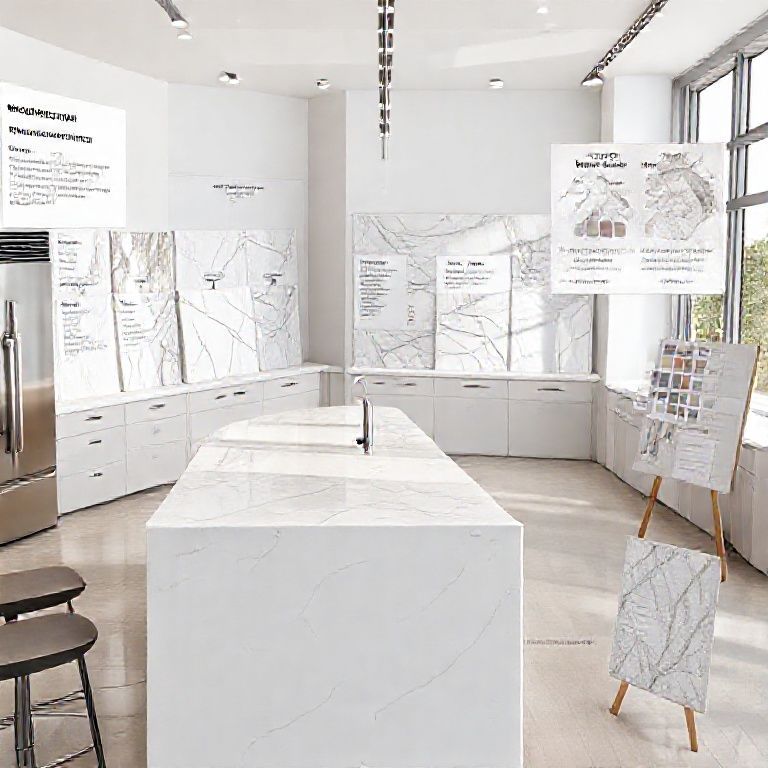
Before diving into the restoration process, it’s crucial to understand the material. Artificial stone, often referred to as quartz, is a composite material made from 93% natural stone and 7% resin. This material is known for its strength, durability, and resistance to scratches and stains. Knowing these properties helps in choosing the right restoration method.
2. Surface Cleaning
The first step in any restoration process is thorough cleaning. Over time, artificial stone surfaces can accumulate grime, grease, and other residues. To effectively clean your artificial stone countertops, follow these steps:
Initial Cleaning: Use a mild detergent or a specialized stone cleaner and a soft cloth to wipe down the surface. Avoid abrasive cleaners as they can scratch the surface. Deep Cleaning: For tougher stains, mix a small amount of dish soap with warm water. Apply the solution with a sponge and gently scrub the stained area. Rinse thoroughly with clean water and dry with a soft cloth.

3. Removing Minor Stains
For minor stains, you can often use a simple homemade cleaning solution. Here’s a recipe:
Ingredients: Baking soda, water, and a few drops of dish soap. Procedure: Mix the baking soda and water to form a paste. Add a few drops of dish soap for extra cleaning power. Apply the paste to the stained area, let it sit for a few minutes, then scrub gently with a soft brush. Rinse and dry.
4. Repairing Scratches and Minor Cracks
Artificial stone is highly durable, but it can still develop minor scratches or cracks. Here’s how to repair them:
Scratches: Use a quartz countertop repair kit. These kits often come with a filler that matches the stone color. Apply the filler to the scratch, let it dry, and then polish the area to blend it seamlessly with the surrounding surface. Cracks: For small cracks, use a crack filler specifically designed for artificial stone. Apply the filler to the crack, smooth it out, and allow it to cure as per the manufacturer’s instructions. Once cured, polish the area to ensure it’s smooth and invisible.

5. Addressing Deeper Damage
For deeper damage, such as larger cracks or significant wear, professional repair services may be required. Here are some professional methods:
Resurfacing: In cases where the surface has significant wear, a resurfacing technique can be employed. This involves sanding down the surface and applying a new top layer of the stone composite. Replacement Panels: For extensive damage, replacing the damaged panel is often the most effective solution. Custom panels can be ordered to match the existing countertop precisely.
6. Maintaining Your Countertops
Prevention is always better than cure. Here are some tips to maintain your artificial stone countertops:
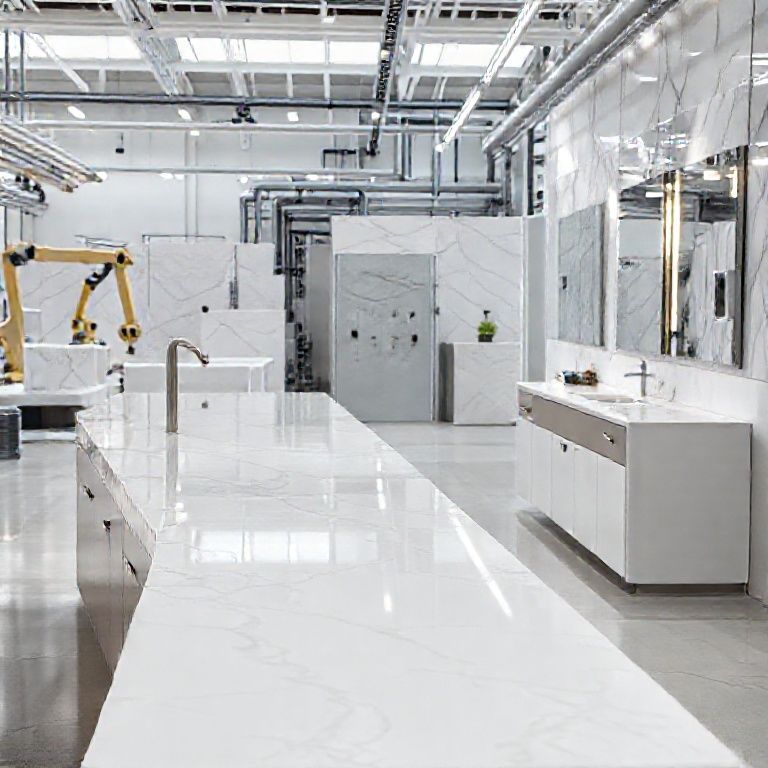
Use Protective Pads: Always use cutting boards, hot pots, and other heavy items on protective pads to prevent scratches. Regular Cleaning: Clean your countertops regularly to prevent the buildup of grime and stains. Avoid Harsh Chemicals: Refrain from using abrasive cleaners or harsh chemicals that can damage the surface.
In the next part of this guide, we will explore more advanced restoration techniques, including chemical treatments, polishing methods, and professional services for a comprehensive restoration plan.
${part2}
${part2}
Advanced Restoration Techniques
In the first part of our guide, we covered basic cleaning and minor repair techniques for artificial stone countertops. Now, let’s explore more advanced methods that can bring your countertops to a like-new condition.
1. Chemical Treatments
Chemical treatments can be highly effective in restoring artificial stone countertops, especially when dealing with tough stains or heavy grime. Here’s how to use them:
Restoration Cleaners: Specialized cleaners are available that can break down tough stains and restore the shine of artificial stone. Follow the manufacturer’s instructions carefully, applying the cleaner to the surface, letting it sit for the recommended time, and then wiping it clean. Acid-Based Cleaners: In some cases, acid-based cleaners can be used to remove stubborn stains. However, these should be used with caution, as they can sometimes etch the surface if not applied correctly. Always test a small, inconspicuous area first to ensure it doesn’t damage the stone.
2. Polishing Methods
Polishing can bring back the shine and smoothness of your artificial stone countertops. Here’s how to do it:
Manual Polishing: Using a polishing pad and a specialized stone polish, gently rub the surface in a circular motion. Ensure you cover the entire surface evenly. For best results, use a dual-action polish that provides both a cutting and a polishing action. Power Polishers: For large areas, a power polisher can save time and effort. These machines are available for rent at many hardware stores. Use the appropriate polish and pad as recommended by the machine manufacturer, and follow the same circular motion technique.
3. Professional Restoration Services
When it comes to advanced restoration, professional services are often the best option. Here’s what to expect:
Restoration Companies: Many companies specialize in the restoration of artificial stone countertops. They use advanced techniques and equipment to repair and rejuvenate your countertops. Services Offered: These companies typically offer a range of services including surface polishing, crack filling, stain removal, and complete resurfacing. They can also match the stone color precisely to ensure a seamless repair. Cost and Warranty: Professional restoration services come at a cost, but they ensure a high-quality result. Most services come with a warranty to guarantee the work is done to a high standard.
4. Resurfacing Techniques
When the surface of your artificial stone countertop is heavily damaged, resurfacing is often the best solution:
Sanding: Using a fine-grit sandpaper, gently sand the damaged area. This removes the worn surface and creates a smooth base for a new layer. Applying a New Layer: After sanding, apply a new layer of the stone composite using a roller or brush. Ensure it’s spread evenly and allowed to cure as per the manufacturer’s instructions. Polishing: Once the new layer has cured, polish the surface to blend it seamlessly with the surrounding area.
5. Replacing Damaged Panels
In cases where the entire panel is damaged, the most effective solution is to replace it with a new one:
Custom Panels: Custom panels can be ordered to match the existing countertop precisely. This ensures a seamless and invisible replacement. Installation: Professional installers can remove the damaged panel and install the new one, ensuring it’s securely attached and matches the surrounding surface perfectly.
Long-term Maintenance Tips
To keep your artificial stone countertops looking their best, follow these long-term maintenance tips:
Use Coasters and Trivets: Protect your countertops from heat and spills by using coasters, trivets, and pot holders. Regular Cleaning Routine: Establish a regular cleaning routine that includes deep cleaning every few months to prevent the buildup of grime and stains. Avoid Cutting on Surface: Always use cutting boards or other protective pads when cutting food on the countertop to avoid scratches.
By following these advanced restoration techniques and maintenance tips, you can ensure your artificial stone countertops remain beautiful and functional for years to come. Whether you choose to tackle minor repairs yourself or opt for professional services for more extensive damage, the key is to maintain and restore your countertops regularly to keep them looking pristine.
This comprehensive guide covers everything you need to know about restoring artificial stone countertops, ensuring they remain a stunning feature in your home. From basic cleaning to advanced restoration techniques, we’ve provided detailed, step-by-step instructions to help you achieve professional-quality results. Happy restoring!