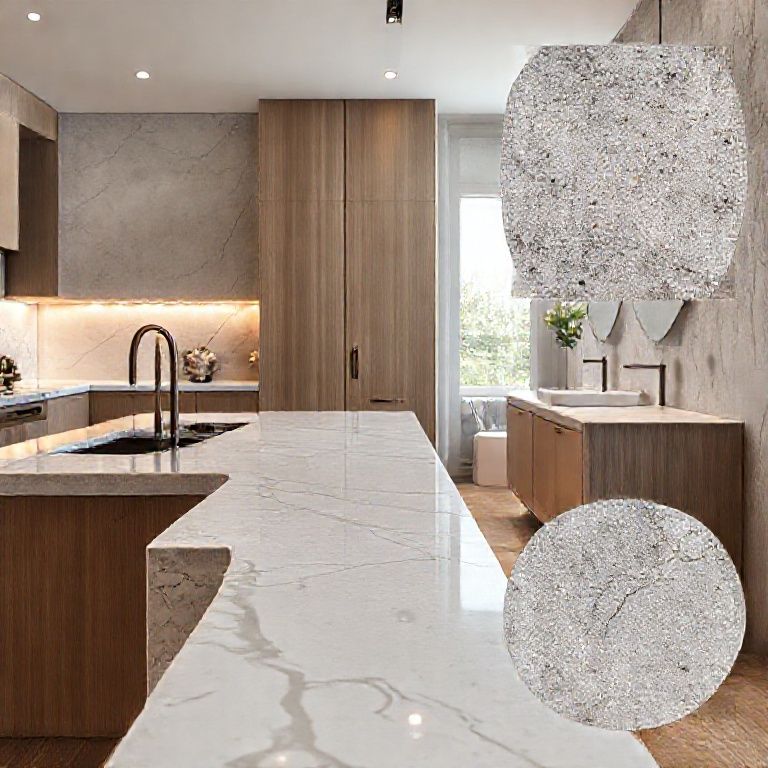
Understanding the Damage and Gathering Necessary Materials
When it comes to artificial stone countertops, damage can occur due to various reasons such as scratches, chips, cracks, or even discoloration. Whether it’s from daily use or accidental impacts, addressing these issues promptly is crucial to maintain the aesthetic and functional integrity of your countertop. Here, we’ll delve into understanding the nature of the damage and gathering the necessary materials to ensure a successful repair.

Understanding the Nature of Damage
Scratches and Chips: Scratches and chips are common forms of damage on artificial stone surfaces. They can result from abrasive materials like metal utensils, hard objects dropping onto the surface, or even from improper cleaning techniques. While minor scratches may not pose a significant threat, larger chips can expose the inner layers, making the repair more complex.
Cracks: Cracks can appear due to thermal shock, where the countertop is exposed to a significant temperature change, or from physical impacts. Unlike scratches and chips, cracks can compromise the structural integrity of the countertop, making them a more serious concern.
Discoloration: Discoloration often occurs due to spills from acidic substances, prolonged exposure to sunlight, or even from cleaning agents that react with the stone composition. This type of damage can affect the appearance of the countertop, but it’s often easier to address compared to cracks.

Gathering Necessary Materials
Before starting the repair process, it’s essential to gather all the necessary materials to ensure a smooth and efficient repair. Here’s a list of what you’ll need:
Stone Countertop Repair Kit: This usually includes a polishing compound, abrasive pads, and a repair filler specifically designed for artificial stone. The kit might also come with a polishing machine, which can help achieve a smoother finish.
Fine-Grain Abrasives: Depending on the severity of the damage, you may need different grades of abrasives for sanding and polishing. Always start with a coarser grade and progress to finer ones for a polished finish.
Repair Filler: Choose a high-quality repair filler that matches the color and texture of your artificial stone countertop. This filler will help to fill in cracks and chips, restoring the surface to its original appearance.
Cleaning Supplies: You’ll need a neutral cleaner, microfiber cloths, and a small brush for cleaning the surface before and after the repair process.
Protective Gear: Safety goggles, gloves, and a dust mask are essential to protect yourself from any dust or chemicals during the repair process.
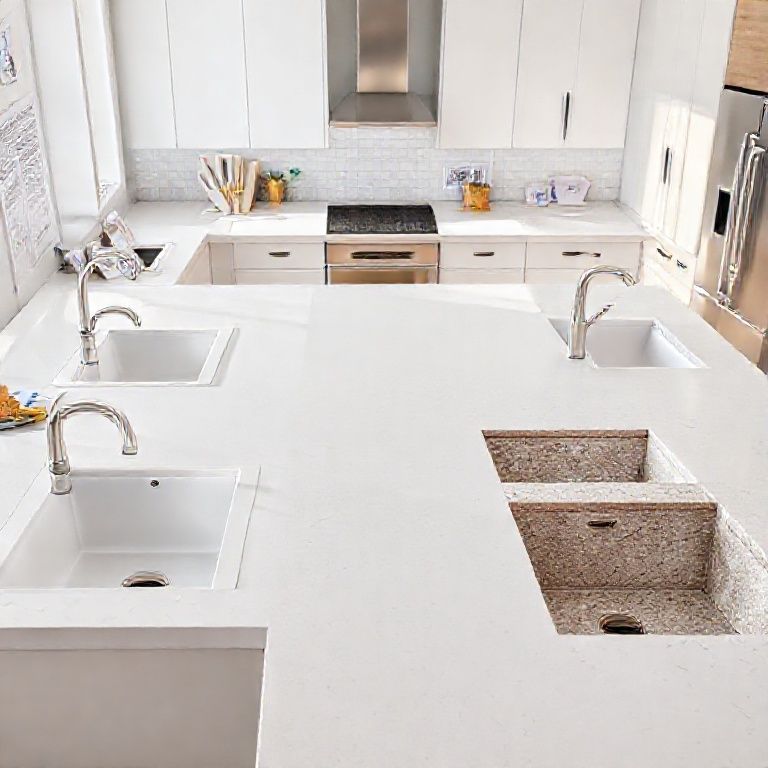
Polishing Machine (Optional): If you have a more extensive area to repair or prefer a professional finish, a polishing machine can help achieve a smoother, more polished surface.
Step-by-Step Preparation
Assess the Damage: Begin by thoroughly assessing the extent of the damage. Take clear photographs to document the damage and plan your repair approach accordingly.
Clean the Surface: Before starting any repair work, clean the countertop with a neutral cleaner and a microfiber cloth. Make sure to remove any dust, grease, or debris that could interfere with the repair process.
Protect Surrounding Areas: Use painter’s tape to protect adjacent surfaces from any dust or debris that might be generated during the repair process.
Safety First: Put on your protective gear to ensure your safety throughout the repair process.
Repairing Minor Damage
Scratches and Chips:
Sand the Area: Using a coarse-grit abrasive pad or sanding block, gently sand the scratched or chipped area. Be careful to avoid applying too much pressure to prevent further damage.
Apply Repair Filler: Once the area is sanded smooth, apply the repair filler using a putty knife. Follow the manufacturer’s instructions for the best results. Allow the filler to dry completely.
Sand the Filler: Once the filler is dry, use a fine-grit abrasive pad to sand the filler until it’s level with the surrounding surface.
Polish the Surface: Use a polishing compound and a soft cloth or a polishing machine to buff the repaired area until it’s smooth and glossy.
Cracks:
Clean the Crack: Clean the crack thoroughly to remove any dust or debris.
Apply Repair Filler: Insert the repair filler into the crack using a putty knife or a filler applicator. Ensure the filler fills the crack completely.
Dry and Sand: Allow the filler to dry completely, then sand the filled area with a fine-grit abrasive pad until it’s level with the surrounding surface.
Polish the Area: Use a polishing compound and a soft cloth or a polishing machine to buff the repaired area until it’s smooth and glossy.
Advanced Repair Techniques and Maintenance Tips
Once you’ve mastered the basic techniques for repairing scratches, chips, and cracks, it’s time to explore more advanced methods for handling complex damage and to learn how to maintain your artificial stone countertops to prevent future issues. This part will cover advanced repair techniques and maintenance tips to keep your countertops looking pristine.
Advanced Repair Techniques
Larger Chips and Deep Cracks:
For larger chips or deep cracks, a more meticulous approach is required to ensure a seamless repair. Here’s how to tackle these more serious issues:
Clean the Area: Thoroughly clean the affected area to remove any dust, debris, or old repair filler. This ensures a clean surface for the new repair.
Epoxy Repair: For deep cracks, an epoxy repair might be necessary. Mix the epoxy according to the manufacturer’s instructions and apply it to the crack using a syringe or a small applicator. Use a toothpick to fill in the crack thoroughly.
Dry and Sand: Allow the epoxy to dry completely, then sand the area with a fine-grit abrasive pad until it’s level with the surrounding surface.
Repair Filler: Apply the repair filler to the sanded area to ensure a smooth finish. Once dry, sand the filler and polish the surface.
Discoloration and Stain Removal:
Discoloration can be more challenging to repair, but with the right techniques, you can restore your countertop’s original look.
Blot the Stain: Use a soft cloth to blot the stain gently. Avoid scrubbing, as this can spread the discoloration further.
Neutral Cleaner: Apply a neutral cleaner to the stained area and let it sit for a few minutes to break down the stain.
Scrub Gently: Use a soft-bristled brush to gently scrub the stain. Avoid using abrasive materials that could scratch the surface.
Rinse and Dry: Rinse the area with water and dry it thoroughly with a microfiber cloth.
Polish the Area: Use a polishing compound and a soft cloth or a polishing machine to buff the stained area until it’s smooth and the discoloration is minimized.
Maintenance Tips to Prevent Future Damage
Proper maintenance can go a long way in preventing damage to your artificial stone countertops. Here are some essential tips to keep your countertops in top condition:
Use Proper Cleaning Tools: Always use non-abrasive cleaning tools and neutral cleaners. Avoid using steel wool, scouring pads, or acidic cleaners that can scratch or discolor the surface.
Avoid Heat Sources: Place trivets or heat-resistant pads under pots and pans when placing them on the countertop to prevent thermal shock.
Seal the Surface: Although artificial stone is durable, sealing the surface periodically can enhance its resistance to stains and scratches. Follow the manufacturer’s instructions for the best sealing product.
Store Utensils Properly: Store sharp utensils in a utensil drawer or a container with a soft lining to prevent them from scratching the surface.
Regular Maintenance: Regularly clean your countertops with a neutral cleaner and dry them to prevent the buildup of grime and potential stains.
Final Thoughts
Repairing damaged artificial stone countertops doesn’t have to be a daunting task. By understanding the nature of the damage, gathering the right materials, and following the appropriate repair techniques, you can restore your countertops to their pristine condition. Remember, preventive maintenance is key to prolonging the life of your countertops and avoiding costly repairs in the future.
With these expert tips and a bit of patience, you can ensure that your artificial stone countertops remain beautiful and functional for years to come. Whether it’s a minor scratch or a significant crack, a well-executed repair can make all the difference in the appearance and longevity of your kitchen or bathroom countertops.