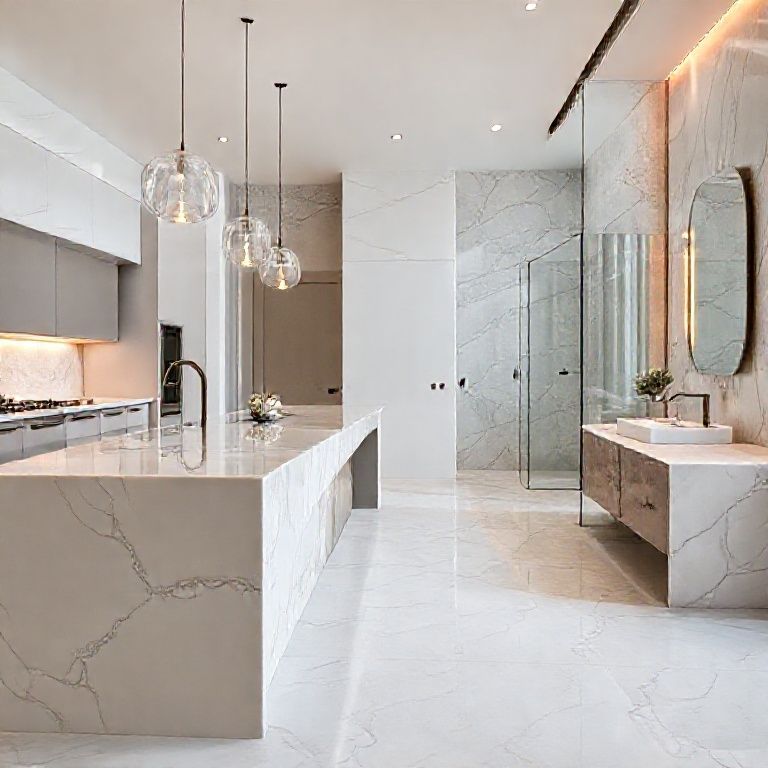
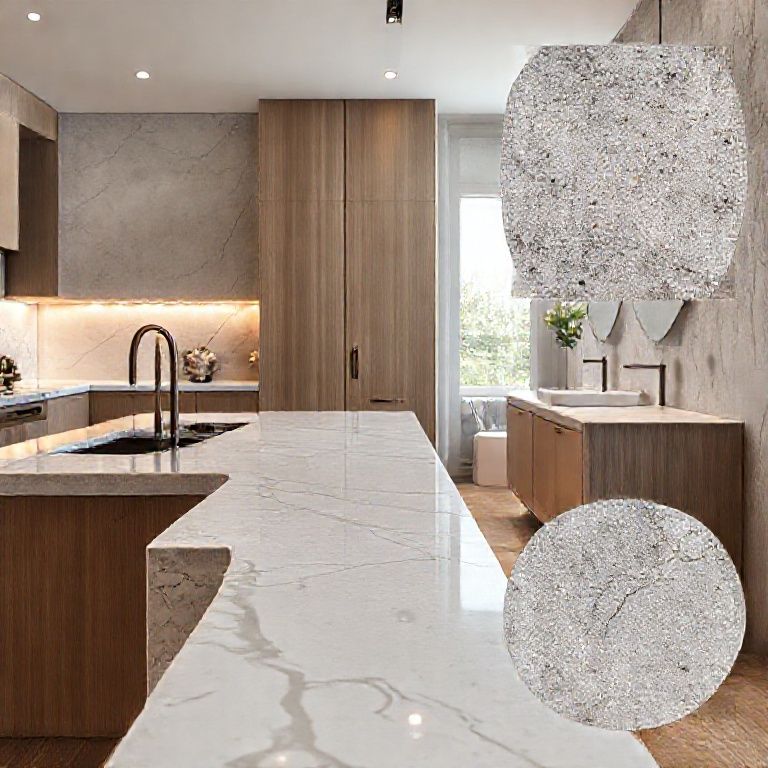
Revamping your old kitchen into a functional, modern, and aesthetically pleasing space can be an exciting yet daunting task. The cost and effort involved in this transformation can vary significantly based on various factors, including the extent of the renovation, materials used, and the complexity of the design. In this first part, we will explore the essential considerations, budgeting tips, and design ideas to help you plan your old kitchen makeover effectively.
Understanding the Scope of Your Kitchen Renovation
Before you start budgeting and planning, it’s crucial to understand the scope of your kitchen renovation. Kitchens can range from minor updates to complete overhauls. Here are the different levels of renovation:
Minor Updates: This includes small changes like painting, replacing cabinet hardware, or updating the backsplash. The cost for minor updates typically ranges from $500 to $2,000.
Moderate Renovations: This involves more significant changes, such as replacing countertops, adding new lighting fixtures, or updating cabinetry. The cost for moderate renovations generally ranges from $2,000 to $10,000.
Major Renovations: This includes a complete overhaul where you might replace major appliances, install new plumbing, and redesign the layout. The cost for major renovations can range from $10,000 to $50,000 or more, depending on the extent of the work and the materials used.
Budgeting for Your Kitchen Renovation
When planning your kitchen renovation, setting a budget is crucial. Here are some key factors to consider when determining your budget:
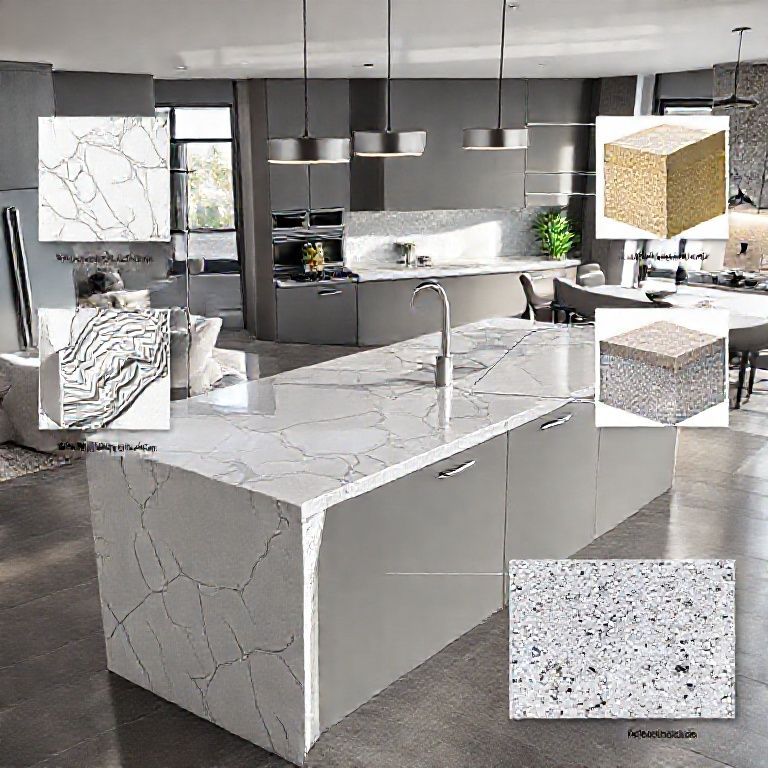
Materials and Quality: The choice of materials significantly impacts the cost. High-quality materials like granite countertops, stainless steel appliances, and solid wood cabinets will cost more than their budget-friendly alternatives.
Labor Costs: Depending on whether you hire professionals or do the work yourself, labor costs can vary widely. Professional remodeling services can range from $500 to $3,000 per day.
Design and Layout: A custom design and complex layout can increase costs. Professional designers usually charge between $500 and $2,000 per day for their services.
Permits and Fees: Depending on your location, you may need to pay for permits and fees, which can range from $100 to $1,000.
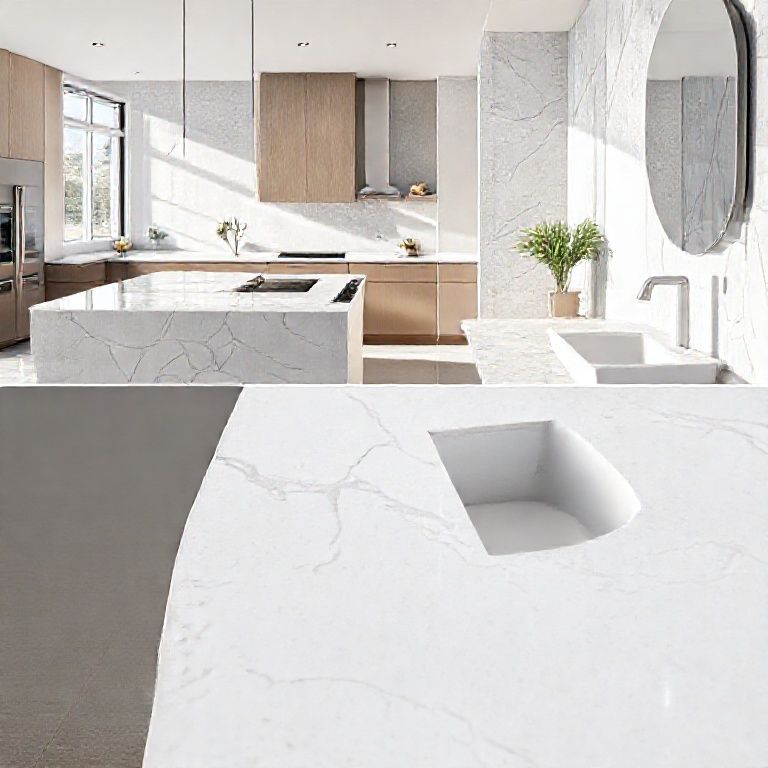
Unexpected Costs: Always include a buffer for unexpected costs, which can range from 10% to 20% of your total budget.
Design Tips for Your Old Kitchen Makeover
Design plays a vital role in transforming an old kitchen into a stylish and functional space. Here are some design tips to help you create a modern look:
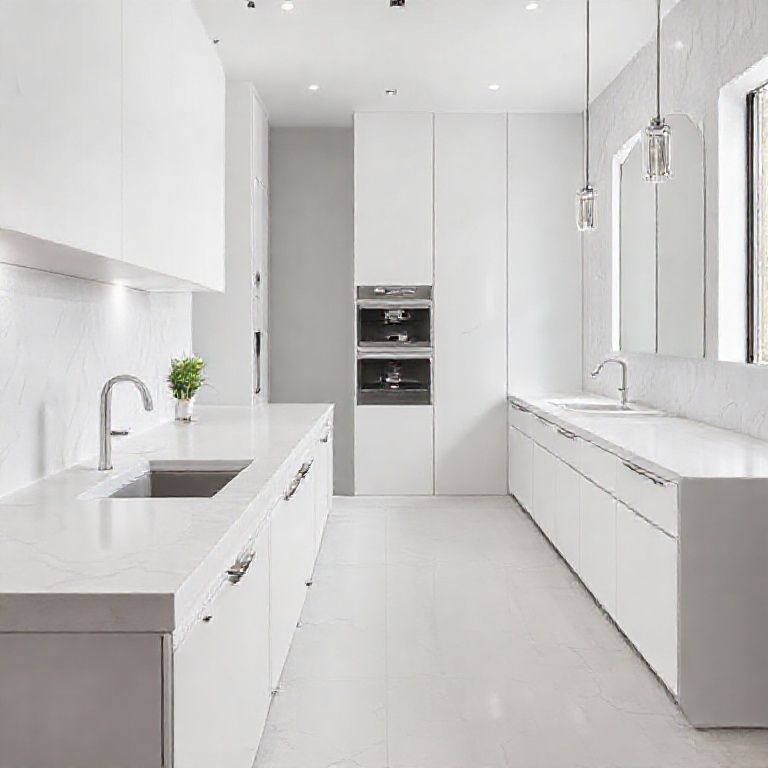
Color Scheme: Choose a color scheme that complements your home’s aesthetic. Neutral colors like whites, grays, and beiges create a timeless look, while bold colors can add a pop of personality.
Lighting: Proper lighting is crucial in a kitchen. Consider installing under-cabinet lights, pendant lights, and task lighting for different areas like cooking and prep.
Open Shelving: Open shelving can add a modern, airy feel to your kitchen. It also provides storage and showcases your favorite items.
Backsplash: A backsplash can add both style and functionality. Options range from simple tiles to intricate glass mosaics.
Functionality: Ensure that your kitchen design is functional. Arrange the layout to create a smooth workflow and make sure there is enough counter space for prep work.
DIY vs. Professional Help
Deciding whether to do the renovation yourself or hire professionals is an important consideration. Here are some pros and cons to help you make an informed decision:
DIY Renovation:
Pros:
Cost Savings: DIY projects can save you a significant amount of money. Personal Satisfaction: Completing a project yourself can be very rewarding. Flexibility: You have complete control over the design and process.
Cons:
Time-Consuming: DIY projects can take much longer than expected. Skill Level: Some renovations require specialized skills that you may not have.
Professional Help:
Pros:
Expertise: Professionals have the skills and experience to complete projects efficiently and effectively. Quality: High-quality workmanship and materials are guaranteed. Time-Saving: Professionals can complete projects much faster than DIY.
Cons:
Cost: Hiring professionals can be expensive. Limited Control: You have less control over the design and process.
Conclusion
Revamping an old kitchen can be a rewarding project that enhances both the functionality and aesthetics of your home. Understanding the scope, budgeting wisely, and considering design tips can help you achieve the perfect transformation. In the next part, we will delve into detailed renovation processes, material choices, and additional tips to ensure your old kitchen makeover is a success. Stay tuned for more insights!
In this second part of our comprehensive guide on revamping your old kitchen, we will delve into the detailed renovation processes, explore the best material choices, and provide expert tips to ensure your kitchen makeover is a seamless success. Whether you’re a DIY enthusiast or planning to hire professionals, this detailed overview will help you navigate through the renovation journey effectively.
Detailed Renovation Processes
The renovation process can be broken down into several key steps. Each step is crucial to ensure a smooth workflow and successful outcome. Here’s a detailed guide to help you through the process:
Planning and Design
Assess the Current State: Start by assessing the current state of your kitchen. Take notes on what you want to change and make a list of must-have features. Create a Design Plan: Sketch a design plan or hire a professional designer to create a detailed blueprint. This should include the layout, color scheme, and material choices. Budgeting: Set a detailed budget, including all possible costs such as materials, labor, permits, and unexpected expenses.
Preparation
Clear the Space: Remove all existing fixtures, appliances, and cabinetry. Make sure to clean the area thoroughly. Demolition: If necessary, demolish any outdated plumbing or electrical systems. This might require hiring a professional. Plumbing and Electrical: Update plumbing and electrical systems as needed. Ensure all new installations are up to code and safe.
Framing and Structure
Framing: If your kitchen design involves structural changes, start with framing the new layout. This step ensures the new design is structurally sound. Installing New Cabinets: Install new cabinets, starting with the lower cabinets followed by the upper ones. Ensure they are level and secure.
Countertops and Flooring
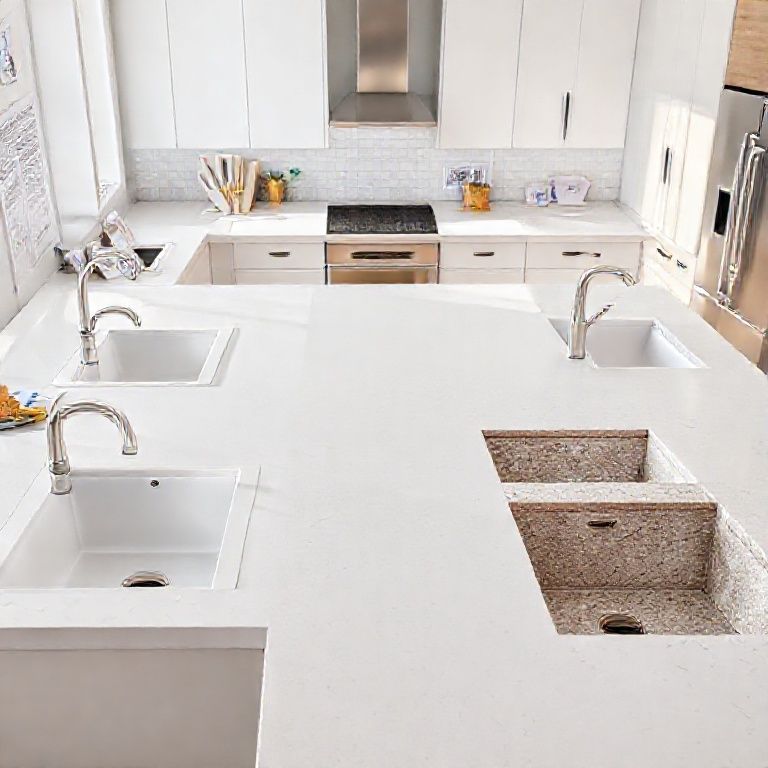
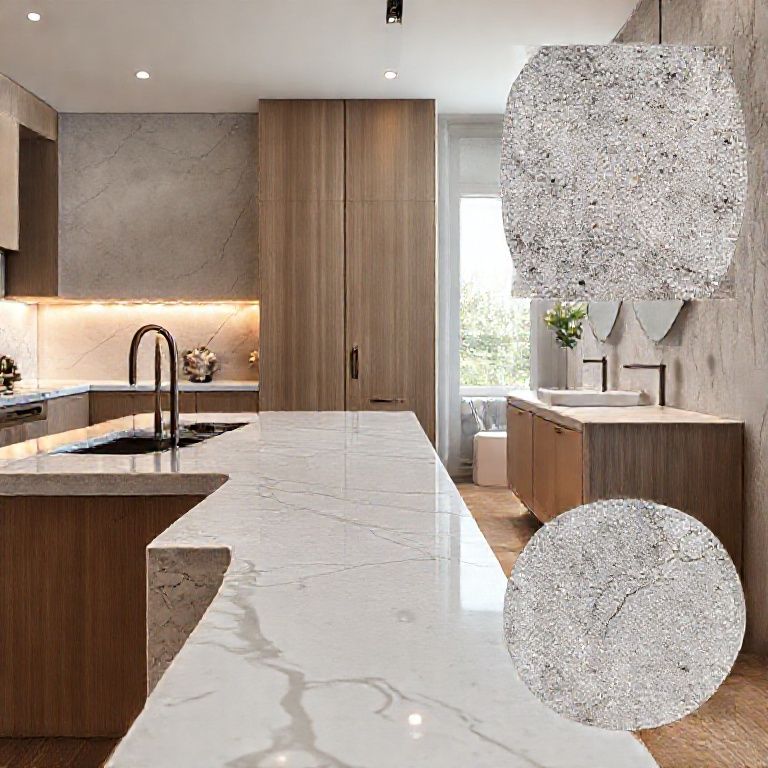
Subflooring: Install a new subfloor if needed. This provides a solid base for your countertops and flooring. Countertops: Choose and install your new countertops. Options range from granite and quartz to laminate and wood. Flooring: Install new flooring, whether it’s tiles, hardwood, or vinyl. Ensure proper sealing and grouting for durability.
Appliances and Fixtures
Appliances: Install new appliances, including the refrigerator, oven, stove, dishwasher, and microwave. Ensure all appliances are properly connected and functioning. Lighting: Install new lighting fixtures, including under-cabinet lights, pendant lights, and task lighting. Hardware: Install new cabinet hardware, including knobs, pulls, and hinges.
Finishing Touches
Backsplash: Install a backsplash to add both style and protection to your walls behind the sink and stove. Cabinetry Details: Add any final details to your cabinetry, such as trim, molding, and paint. Final Clean-Up: Clean the entire kitchen thoroughly to remove any dust and debris from the renovation.
Material Choices for Your Kitchen
Choosing the right materials is crucial to the success of your kitchen renovation. Here are some popular material choices and their pros and cons:
Countertops
Granite:
Pros: Durable, long-lasting, and available in a wide range of colors. Cons: Expensive and requires sealing to prevent staining.
Quartz:
Stainless Steel (不锈钢):
Pros: Highly durable, easy to clean, resistant to stains and scratches. Cons: Can be slippery when wet, and may not be as aesthetically pleasing as other materials.
Laminate (复合板):
Pros: Affordable, available in various colors and patterns, easy to maintain. Cons: Less durable than other materials, can scratch and show wear over time.
Quartz:
Pros: Extremely durable, hypoallergenic, resistant to stains and scratches. Cons: Expensive, requires sealing to prevent moisture penetration.
Wood (木材):
Pros: Warm, natural look, customizable. Cons: Requires regular maintenance to prevent warping, staining, and insect damage.
Tile (瓷砖):
Pros: Durable, easy to clean, available in many styles and colors. Cons: Can be slippery when wet, requires careful installation to avoid gaps.
Concrete (混凝土):
Pros: Extremely durable, unique aesthetic. Cons: Very expensive, requires professional installation, can be difficult to clean.
Expert Tips for Kitchen Renovation
To ensure a successful kitchen renovation, here are some expert tips:
Plan Ahead:
Measure Your Space: Accurate measurements are crucial for fitting new cabinets, appliances, and countertops. Design First: Sketch a design or work with a professional to create a detailed plan before starting the renovation.
Budget Wisely:
Set a Clear Budget: Include all possible costs, including materials, labor, permits, and unexpected expenses. Prioritize: Determine what’s most important to you—be it aesthetics, functionality, or budget—and prioritize accordingly.
Choose Quality Materials:
Invest in Durability: While it might be tempting to go for cheaper options, investing in high-quality materials often pays off in the long run.
Hire Professionals:
Qualified Contractors: If you’re not experienced in renovation, hire qualified contractors or remodelers to ensure the job is done right. Licensed and Insured: Always check that contractors are licensed and insured to protect yourself from liability.
Pay Attention to Details:
Finishing Touches: Don’t overlook small details like cabinet hardware, lighting, and faucets. They can make a big difference in the overall look and feel. Quality Installation: Ensure all components are installed correctly to avoid future issues.
Clean Up Regularly:
Maintain Cleanliness: Regular cleaning can help extend the life of your new kitchen and keep it looking beautiful. Proper Maintenance: Follow the manufacturer’s instructions for cleaning and maintaining your new materials and appliances.
Conclusion
Revamping an old kitchen into a modern, functional, and stylish space is a rewarding project that can greatly enhance your home’s value and your daily living experience. By understanding the scope of the renovation, setting a realistic budget, choosing quality materials, and paying attention to details, you can ensure a successful and satisfying kitchen makeover. Whether you choose to tackle the project yourself or hire professionals, careful planning and execution are key to achieving your desired results.