Understanding Your Kitchen Countertop and Identifying Crack Types
When it comes to kitchen countertops, the type of material they are made from plays a critical role in how to approach a crack repair. Knowing the specific material of your kitchen countertop is essential for selecting the right repair method. Here’s a detailed look at the most common types of kitchen countertops and how to approach their crack repairs:

1. Granite Countertops
Granite is known for its durability and natural beauty, but even this tough stone can develop cracks over time. Typically, cracks in granite occur due to impacts, thermal stress, or aging. To repair a crack in granite, you’ll need to use a high-quality epoxy or resin that can withstand the stone’s properties. Applying the epoxy requires precision and patience; it’s best to use a small syringe or applicator tip to ensure the filler goes directly into the crack. After filling the crack, smooth the surface with a polishing tool or by gently rubbing with a cloth.
2. Quartz Countertops
Quartz is a composite material made from 90% quartz particles and 10% resin, making it highly resistant to stains, scratches, and cracks. However, cracks can still happen, often due to heavy impacts or improper cleaning. To repair a crack in quartz, use a quartz countertop repair kit, which usually includes a color-matched epoxy and a repair pen. Carefully follow the kit’s instructions to fill the crack and ensure a seamless repair.
3. Marble Countertops
Marble is a beautiful but delicate material that can easily crack from impacts or thermal stress. Because marble is porous, it’s essential to use a filler that can penetrate the stone and provide a strong bond. Use a high-quality marble crack repair kit, which often includes a crack filler and a sealant. Apply the filler directly into the crack, smooth it out, and let it cure. Finally, seal the surface to protect the repair and restore the countertop’s shine.

4. Composite Countertops
Composite countertops, such as Formica or Corian, are made from synthetic materials and are generally more resistant to cracks than natural stone. However, they can still develop small cracks due to wear and tear. For these types of countertops, a crack repair kit that includes a crack filler and a bonding agent is usually sufficient. Follow the manufacturer’s instructions carefully to achieve a seamless repair.
5. Wooden Countertops
Wooden countertops are susceptible to cracks due to moisture, temperature changes, and mechanical stress. For small hairline cracks, you can use wood glue or a wood filler. Apply the glue or filler into the crack and smooth it out. For larger cracks, it might be necessary to use a dowel or a wooden patch to reinforce the area. After the repair has set, sand the area smooth and finish it with a wood sealant or stain to match the countertop.
Identifying Crack Types
Understanding the type of crack is crucial to selecting the appropriate repair method. Here are some common crack types and how to identify them:
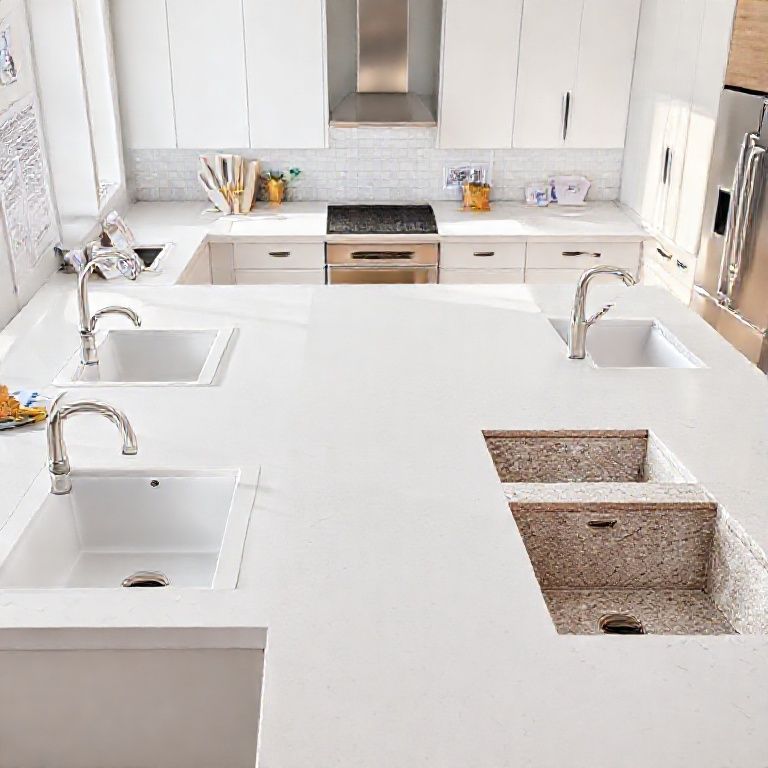
1. Hairline Cracks
These are small, thin cracks that often appear as minor fissures. They can usually be repaired with a filler or epoxy that matches the countertop material.
2. Deep Cracks
Deep cracks go through the material and can be quite extensive. These often require more substantial repairs, such as using a patch or composite material to reinforce the area.
3. Network Cracks
Network cracks resemble a spider web and typically indicate structural damage. These are more severe and might require professional intervention.

4. Thermal Cracks
Thermal cracks result from rapid temperature changes. These can be more challenging to repair and often require careful attention to ensure the repair material can withstand future temperature fluctuations.
Conclusion for Part 1
Identifying the type of countertop and the nature of the cracks is the first crucial step in the kitchen countertop crack repair process. Armed with this knowledge, you can select the most effective repair method to restore the beauty and functionality of your kitchen. In the next part, we will delve into the step-by-step repair methods and provide detailed instructions for each type of countertop.
Step-by-Step Repair Methods for Each Countertop Material
In this part, we will dive into the step-by-step repair techniques for each type of kitchen countertop material. From granite to wood, we’ll provide detailed instructions to ensure a professional-looking repair.
1. Granite Countertop Repair
Materials Needed:
Epoxy or resin repair kit Polishing tool or cloth Syringe or applicator tip Masking tape (optional) Cleaning cloth
Step-by-Step Instructions:
Clean the Area: Start by thoroughly cleaning the cracked area with a cleaning cloth to remove any dirt, grease, or debris. This ensures that the repair material can adhere properly.
Apply Epoxy or Resin: Use a small syringe or applicator tip to apply the epoxy or resin directly into the crack. Follow the manufacturer’s instructions for the best results. If the crack is long, use masking tape to contain the epoxy within the crack to avoid overfilling.
Smooth the Surface: Once the epoxy or resin has been applied, use a polishing tool or a cloth to smooth the surface. Ensure the filler blends seamlessly with the surrounding countertop.
Cure and Seal: Allow the epoxy or resin to cure completely as per the instructions. Once cured, seal the countertop with a high-quality granite sealant to protect the repair and enhance the countertop’s shine.
2. Quartz Countertop Repair
Materials Needed:
Quartz countertop repair kit Repair pen or syringe Cleaning cloth
Step-by-Step Instructions:
Clean the Area: Clean the cracked area with a cleaning cloth to remove any dirt or debris. This ensures a proper bond for the repair material.
Apply Repair Pen or Epoxy: Using a repair pen or syringe, apply the color-matched epoxy directly into the crack. Follow the manufacturer’s instructions for the best results.
Smooth the Surface: Smooth the surface with a cloth or a polishing tool to ensure a seamless finish.
Cure and Seal: Allow the repair material to cure completely. Once cured, apply a quartz countertop sealant to protect the repair and maintain the countertop’s hardness.
3. Marble Countertop Repair
Materials Needed:
Marble crack repair kit Crack filler Sealer Cleaning cloth
Step-by-Step Instructions:
Clean the Area: Clean the cracked area thoroughly with a cleaning cloth to remove any dirt or debris.
Apply Crack Filler: Use the crack filler from the repair kit to fill the crack. Ensure the filler penetrates deeply into the crack.
Smooth the Surface: Smooth the surface with a polishing tool or cloth to ensure the filler blends seamlessly with the surrounding countertop.
Cure and Seal: Allow the filler to cure completely. Once cured, apply a high-quality marble sealant to protect the repair and restore the countertop’s shine.
4. Composite Countertop Repair
Materials Needed:
Composite countertop repair kit Crack filler Bonding agent Cleaning cloth
Step-by-Step Instructions:
Clean the Area: Clean the cracked area with a cleaning cloth to remove any dirt or debris.
Apply Crack Filler: Use the crack filler to fill the crack. Follow the manufacturer’s instructions for the best results.
Apply Bonding Agent: Apply a bonding agent to ensure a strong bond between the repair material and the countertop.
Smooth the Surface: Smooth the surface with a cloth or polishing tool to ensure a seamless repair.
科技与未来:我们可以讨论人工智能、量子计算、虚拟现实等未来科技的发展和趋势。
环境与可持续发展:我们可以探讨气候变化、可再生能源、环境保护等方面的问题和解决方案。
健康与医学:我们可以讨论最新的医学研究、健康生活方式、疾病预防等。
文化与艺术:我们可以探讨不同文化、艺术形式、文学作品等。
教育与学习:我们可以讨论现代教育方法、在线学习、学习技巧等。
社会问题:我们可以探讨社会公平、社会福利、贫富差距等问题。