The Transformative Power of a New Kitchen Countertop
Introduction to Kitchen Countertops
When it comes to kitchen renovation, the countertop is often the focal point. It’s where meals are prepared, meals are served, and daily tasks are completed. Therefore, replacing your kitchen countertop with a new one can transform not just the look, but the functionality and efficiency of your kitchen space. Let’s delve into the myriad benefits and considerations of choosing a new countertop.
Benefits of Replacing Kitchen Countertops
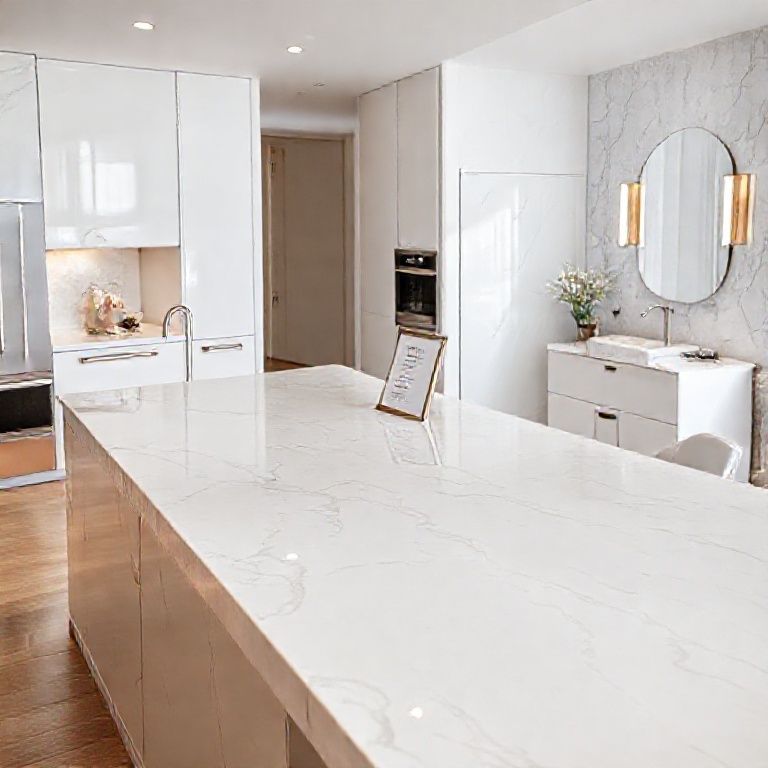
Enhanced Aesthetics: A new countertop can completely change the visual appeal of your kitchen. With countless materials and designs available, from sleek granite to modern quartz, and vibrant laminate to rustic wood, you can choose a style that perfectly matches your home’s decor and your personal taste.
Improved Functionality: Modern countertops come with innovative features like built-in cutting boards, seamless sinks, and even induction cooktops. These features not only enhance the workflow but also make your kitchen more efficient and user-friendly.
Durability and Longevity: Many contemporary materials are designed to withstand the rigors of daily use. Granite, for example, is incredibly durable and scratch-resistant, while quartz offers a high level of heat resistance and is virtually unaffected by liquids. These materials ensure that your new countertop will last for years to come.
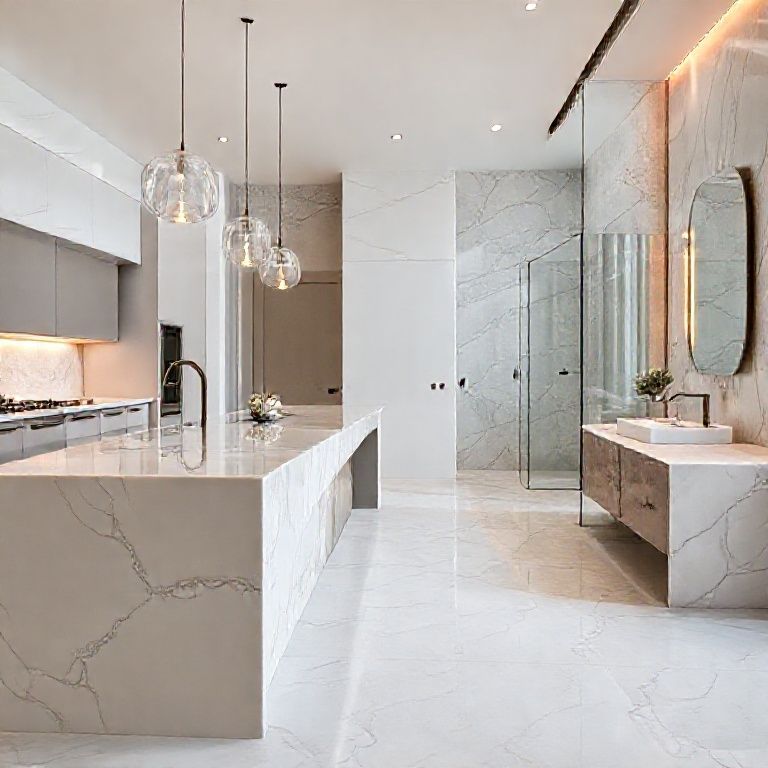
Increased Home Value: Upgrading your kitchen is one of the most effective ways to increase your home’s value. A new countertop can make your kitchen more appealing to potential buyers, potentially leading to a higher sale price.
Choosing the Right Material
Choosing the right material for your new countertop involves considering both your aesthetic preferences and the practical needs of your kitchen. Here are some of the most popular options:
Granite: Known for its natural beauty and durability, granite countertops are a timeless choice. They come in a variety of colors and patterns, making them a versatile option for any kitchen style.

Quartz: Quartz is a man-made stone that combines the beauty of natural stone with the practicality of engineered stone. It’s incredibly durable, low-maintenance, and available in an extensive range of colors and patterns.
Stainless Steel: For those who prefer a modern, sleek look, stainless steel countertops are a fantastic choice. They’re highly durable, easy to clean, and maintain, and can complement a variety of kitchen styles.
Laminate: If you’re looking for a more budget-friendly option, laminate countertops are a great choice. They’re available in a variety of colors and patterns, and are relatively easy to install and maintain.
Designing Your New Countertop
Designing a new countertop involves a few key steps:
Measuring Your Space: Accurate measurements are crucial to ensure a perfect fit. Measure the length, width, and height of your countertop area, and take these measurements to your supplier.
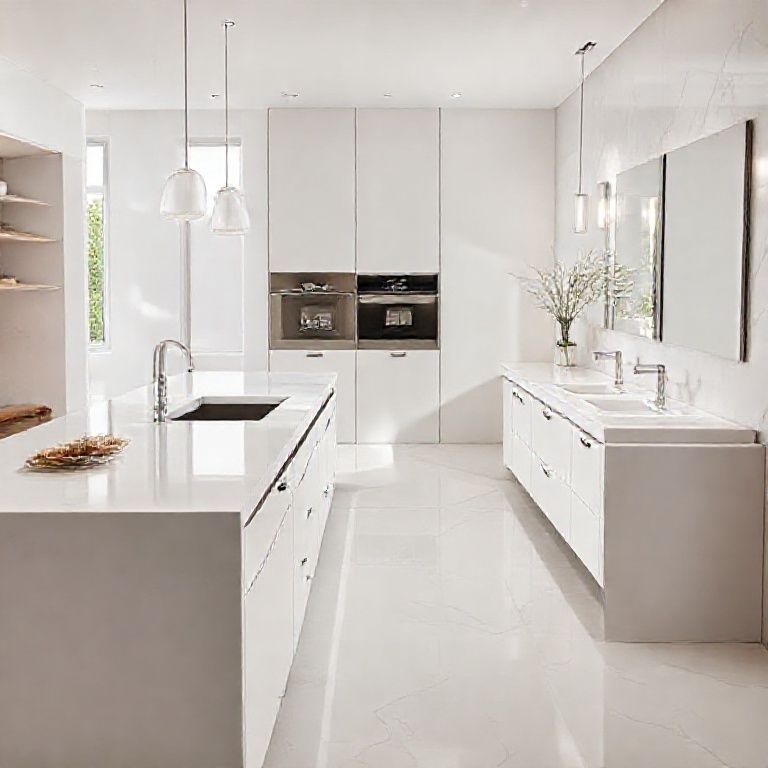
Selecting a Design: Once you’ve chosen your material, it’s time to decide on a design. Consider the overall look of your kitchen, as well as any specific features you’d like to incorporate, such as backsplashes or integrated storage.
Working with Professionals: While DIY options are available, working with a professional installer can ensure a precise fit and installation. They can also help you with design choices and provide expert advice on the best materials for your needs.
The Installation Process
Replacing your kitchen countertop is a significant project, but with the right approach, it can be done efficiently:
Preparation: Clear the countertop area, ensuring that the space is clean and free of any obstructions. Remove any old hardware, such as faucets or cabinet handles.
Cutting and Fitting: Professionals will cut the new countertop to size and fit it into your kitchen. This step requires precision to ensure a snug fit.
Sealing and Finishing: Once the countertop is in place, it will be sealed to protect it from stains and scratches. Professionals will also handle any necessary electrical work, such as connecting under-counter appliances.
Conclusion
Replacing your kitchen countertop is a transformative project that can elevate the aesthetics, functionality, and value of your home. By choosing the right material and design, and working with professionals when necessary, you can create a kitchen that’s not only beautiful but also highly functional and durable. As we move into the second part of this guide, we’ll explore the benefits and process of replacing your kitchen sink to complete the modern, efficient kitchen of your dreams.
The Efficiency and Style of a New Kitchen Sink
Introduction to Kitchen Sinks
A kitchen sink is more than just a place to wash dishes; it’s a central hub of kitchen activity. Replacing your old sink with a new one can significantly improve the functionality and aesthetics of your kitchen space. Let’s dive deeper into the benefits, types, and installation process of choosing a new kitchen sink.
Benefits of Replacing Your Kitchen Sink
Enhanced Efficiency: A new sink can make a world of difference in your daily kitchen routine. Modern sinks often come with features like pull-out sprayers, garbage disposals, and adjustable height options that can streamline your dishwashing process and make cooking more efficient.
Improved Aesthetics: Just like countertops, sinks come in a variety of styles and finishes. Whether you prefer a sleek, modern look or a more rustic, traditional design, there’s a sink available to match your kitchen’s aesthetic.
Durability and Longevity: Many modern sinks are made from durable materials that resist stains, scratches, and water damage. Stainless steel and solid surface sinks, for example, are highly durable and long-lasting, ensuring your sink will remain in good condition for years to come.
Increased Home Value: Like countertops, a new sink can increase your home’s value. A well-designed, efficient sink can make your kitchen more appealing to potential buyers, potentially leading to a higher sale price.
Types of Kitchen Sinks
Choosing the right sink involves considering your kitchen’s design, your daily needs, and the materials available. Here are some of the most popular types of kitchen sinks:
Single-Basin Sinks: These are traditional sinks with a single basin, ideal for small kitchens or those who prefer a classic look. They’re available in various materials, including stainless steel, cast iron, and ceramic.
Double-Basin Sinks: These sinks feature two separate basins, perfect for those who do a lot of cooking and need extra space for washing dishes, preparing food, or even washing vegetables and fruits. They’re available in both single-basin and double-basin configurations.
Center-Island Sinks: For kitchens with a central island, a center-island sink can provide both functionality and style. These sinks are often larger and come with unique designs that complement island features.
Undermount Sinks: These sinks sit on top of the countertop and are secured underneath, creating a sleek, integrated look. They’re available in various materials and are ideal for those who want a modern, minimalist aesthetic.
Designing Your New Sink
Designing a new sink involves a few key steps:
Measuring Your Space: Accurate measurements are crucial to ensure a perfect fit. Measure the space where the sink will be installed, including the dimensions of the countertop and the area around the plumbing.
Selecting a Design: Once you’ve chosen your sink type, it’s time to decide on a design. Consider the overall look of your kitchen, as well as any specific features you’d like to incorporate, such as pull-out sprayers or garbage disposals.
Choosing a Material: Depending on your budget and preferences, you can choose from various materials, including stainless steel, cast iron, ceramic, and solid surface. Each material offers different benefits in terms of durability, maintenance, and aesthetics.
The Installation Process
Replacing your kitchen sink is a significant project, but with the right approach, it can be done efficiently:
Preparation: Clear the sink area, ensuring that the space is clean and free of any obstructions. Remove any old plumbing or hardware, and take measurements to your supplier.
Cutting and Fitting: Professionals will cut the new sink to size and fit it into your kitchen1. 准备工作:在安装新水槽之前,确保所有旧的水槽和管道都已经被彻底清理和拆除。
检查水槽的安装位置,确保地面平整,没有任何缺陷或损坏。这将为新水槽的安装提供一个理想的基础。
选择合适的水槽材料:不同的材料有不同的特点和用途。例如,不锈钢水槽耐腐蚀、易于清洁,但价格较高;玻璃水槽美观、易清洁,但可能会有裂痕;陶瓷水槽耐用、不易磨损,但可能会有污渍。选择适合你厨房风格和使用需求的材料。
安装支架和底板:大多数现代水槽都需要一个支架来支撑,这可以是金属或塑料制成的。安装支架时,确保每一个支柱都固定牢固,并且水槽放置在支架上时水平。如果需要,可以使用水平仪进行校正。
连接水管:新水槽通常会附带必要的管道连接件。将进水管和排水管分别连接到水槽上。进水管一般有冷热两个,确保连接正确,避免水管反接。排水管的连接需要特别注意,确保连接紧密,防止漏水。
测试连接:在完成所有连接后,关闭主水源,打开水槽的水龙头,检查所有连接处是否有漏水现象。如果有漏水,重新检查连接点,确保没有松动或连接不牢固的地方。
安装水龙头:选择合适的水龙头,并按照说明书进行安装。通常需要用扳手拧紧螺母,但不要过分用力以免损坏水龙头或管道。
清洁和检查:打开主水源,检查整个水槽系统是否正常运作。清洁水槽表面,并确保所有连接处都没有漏水。
维护保养:新水槽安装完成后,定期进行清洁和保养,以延长其使用寿命。根据水槽材料的不同,采用适当的清洁剂进行清洗,避免使用过于酸碱的清洁剂,以免损坏水槽表面。
通过以上步骤,你可以成功地将旧水槽拿出来并安装一个全新的水槽,提升厨房的整体美观和功能性。