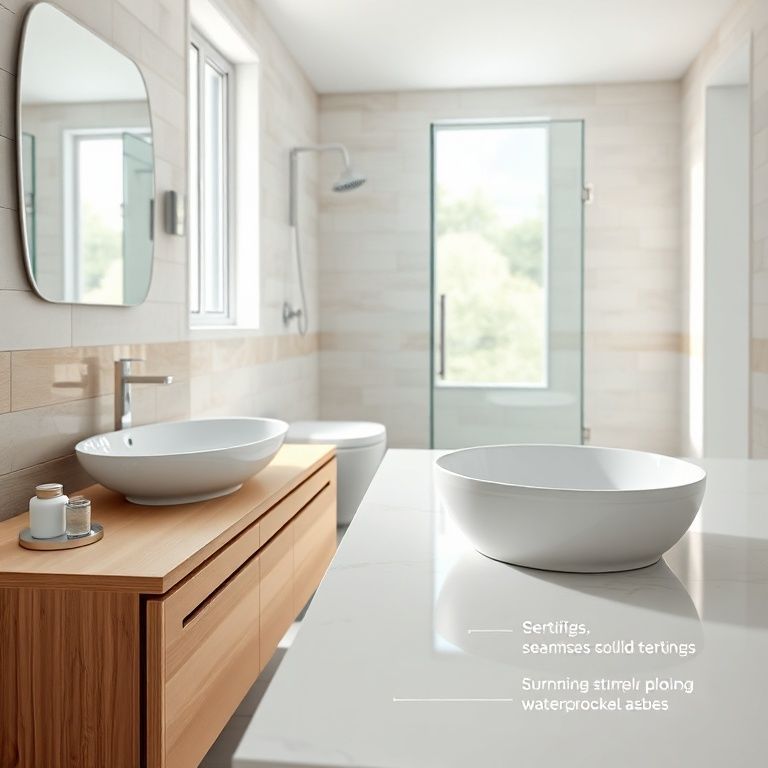
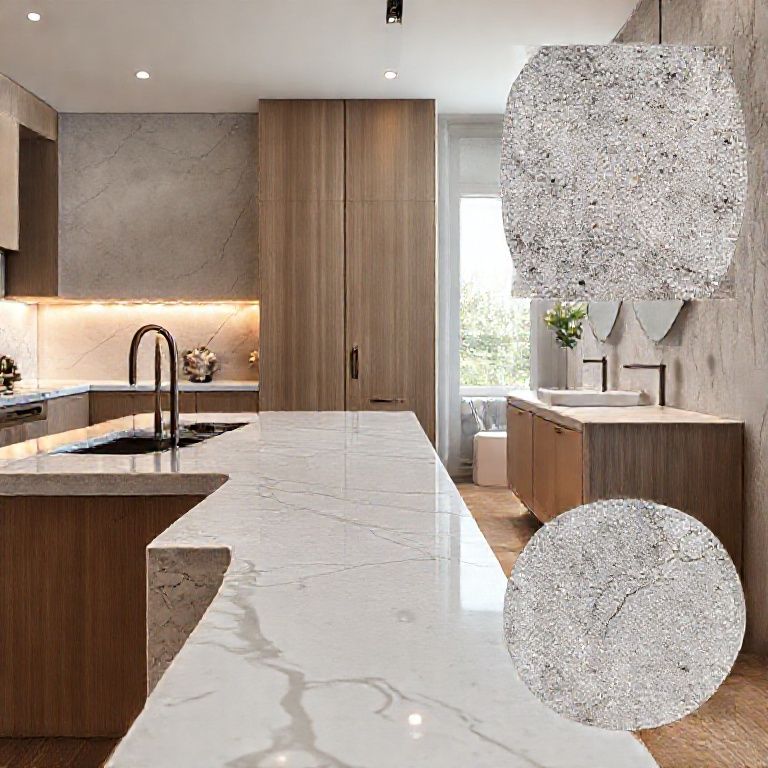
Introduction to Artificial Stone Countertop Restoration
Artificial stone countertops have become increasingly popular in modern kitchens and bathrooms due to their durability, aesthetic appeal, and low maintenance requirements. However, despite their resilience, these countertops can suffer from various types of damage over time, such as scratches, stains, cracks, and chips. Understanding how to properly restore artificial stone countertops can save you time, money, and the hassle of replacing them altogether. This comprehensive guide will walk you through the entire process of artificial stone countertop restoration, from identifying damage to employing effective repair techniques.

Identifying Damage on Artificial Stone Countertops
The first step in the restoration process is to accurately identify the type and extent of damage. Artificial stone countertops can be prone to several issues:
Scratches and Surface Chips: These often occur due to everyday use, such as placing heavy items or sharp objects on the surface. They can also be caused by abrasive cleaning agents. Stains: Spills from food, beverages, or cleaning products can leave unsightly stains. Common culprits include coffee, tea, oil, and various cleaning chemicals. Cracks and Chips: These may result from impacts or drops and can compromise the structural integrity of the countertop. Discoloration: Exposure to sunlight and certain chemicals can cause discoloration, affecting the overall appearance of the countertop.
Basic Tools and Materials for Restoration
Before you start the restoration process, gather the necessary tools and materials:
Fine-grit sandpaper or diamond polishing pads Polishing compound Cleaning solution Soft cloths Protective gloves Microfiber cloths Abrasive polishing tools (optional)
Step-by-Step Guide to Restoring Artificial Stone Countertops
Preparation: Begin by cleaning the countertop thoroughly to remove any surface dirt, grime, or old polish. Use a mild cleaning solution and a soft cloth to wipe down the entire surface. Wear protective gloves to safeguard your hands from chemicals.
Scratches and Surface Chips: For minor scratches and surface chips, use a fine-grit sandpaper or diamond polishing pad to gently sand the affected area. Start with a coarse grit and gradually move to a finer grit for a smoother finish. After sanding, polish the area with a polishing compound using a soft cloth or polishing tool to restore the shine.
Stains: For stains, apply a suitable cleaning solution directly to the stained area and let it sit for a few minutes. Gently scrub with a soft cloth or use a polishing compound. For tough stains, consider using a specialized stone cleaner designed to tackle such issues. Rinse thoroughly and dry with a microfiber cloth.
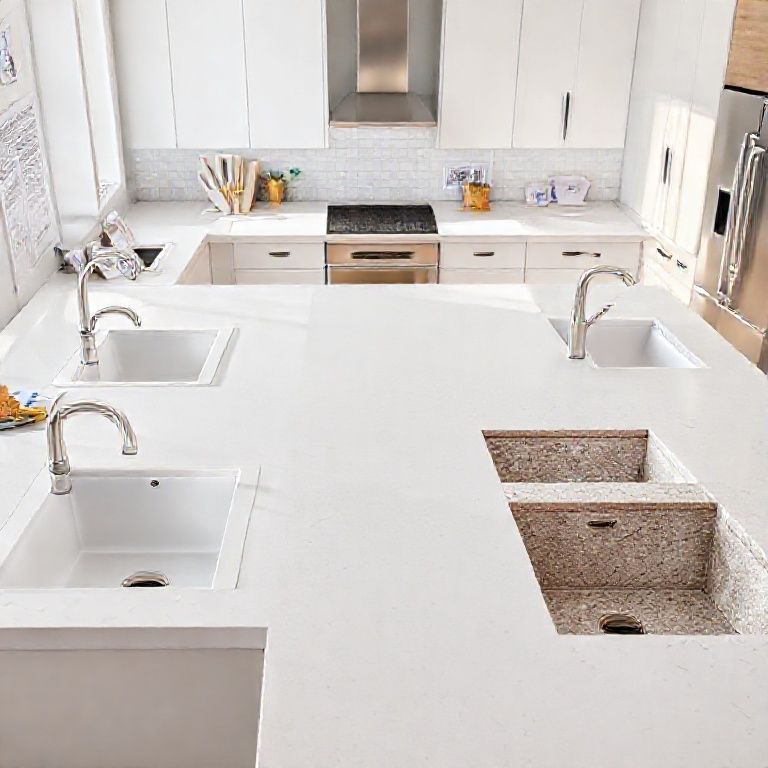
Cracks and Chips: For cracks and chips, the process is more involved. You may need to use a stone filler or epoxy specifically formulated for artificial stone. Follow the manufacturer’s instructions for application. Once the filler has cured, sand the area smooth and polish to blend with the surrounding surface.
Discoloration: To address discoloration, start with a thorough cleaning to remove surface contaminants. Then, use a fine-grit sandpaper or a diamond polishing pad to gently sand the affected area. Polish with a compound to restore the original color and shine.
Conclusion of Part 1
Artificial stone countertop restoration is a manageable DIY project that can breathe new life into your kitchen or bathroom. By carefully identifying the type of damage and using the right tools and techniques, you can achieve professional-looking results without the cost of professional repairs. In the next part of this guide, we will delve deeper into advanced restoration techniques, including resurfacing options and long-term maintenance tips to keep your artificial stone countertops looking pristine.
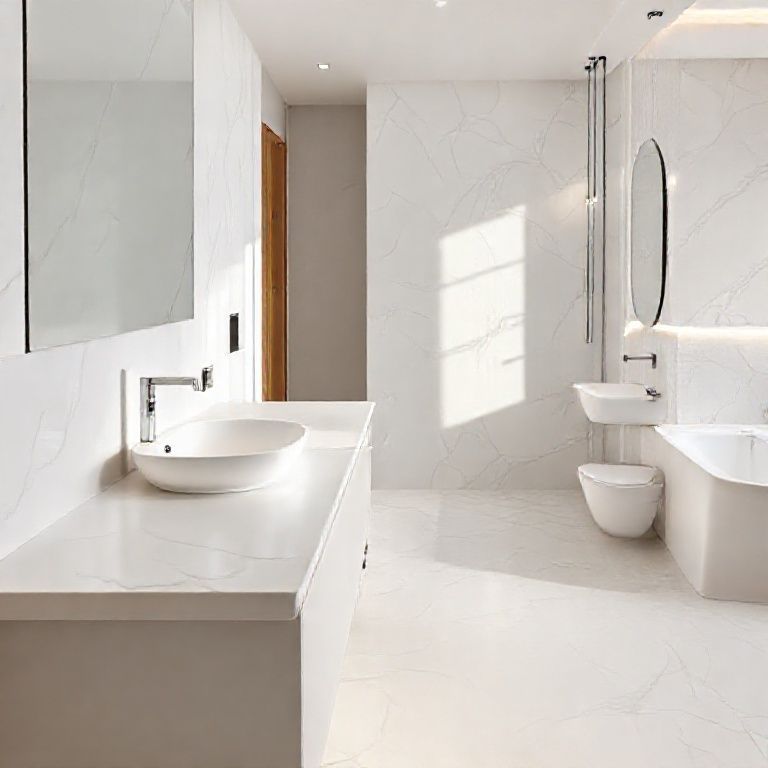
Advanced Restoration Techniques and Long-Term Maintenance
Building on the foundational steps covered in Part 1, this section will explore advanced restoration techniques for artificial stone countertops, including resurfacing options and maintenance tips to ensure your countertops remain in top condition for years to come.
Advanced Restoration Techniques
Resurfacing with Polishing Compounds
For more extensive damage, such as deep scratches, discoloration, or worn surfaces, a more thorough resurfacing process may be necessary. Here’s how to do it:
Step 1: Start with a thorough cleaning of the countertop to remove any dirt, grease, or previous polishing residues. Step 2: Use a fine-grit sandpaper or diamond polishing pad to lightly sand the entire surface. This helps to even out the texture and prepare the stone for polishing. Step 3: Apply a polishing compound using a soft cloth or polishing tool. Start with a coarse compound for initial polishing, then switch to a finer compound for a high-gloss finish. Polish in the direction of the stone grain to achieve a smooth, shiny surface. Step 4: For a final touch, use a polishing compound designed for the specific type of artificial stone you have. Follow the manufacturer’s instructions for application and polishing. Using Stone Fillers and Sealants
For cracks, chips, and deeper damage, stone fillers and sealants can be very effective:
Step 1: Clean the affected area thoroughly to remove any debris. Step 2: Apply the stone filler according to the manufacturer’s instructions. This usually involves mixing the filler with a hardener and applying it to the crack or chip. Step 3: Once the filler has cured, sand the area smooth using fine-grit sandpaper or a diamond sanding pad. Step 4: Apply a sealant to protect the repaired area and the surrounding surface. This helps to prevent future damage and stains.
Long-Term Maintenance Tips
To keep your artificial stone countertops looking their best, follow these long-term maintenance tips:
Regular Cleaning: Clean your countertops regularly with a mild, non-abrasive cleaner and a soft cloth. Avoid using harsh chemicals or abrasive cleaners that can damage the surface.
Immediate Spill Management: Wipe up spills immediately to prevent stains and damage. For tough stains, treat them promptly with a suitable cleaning solution.
Use Coasters and Placemats: To protect your countertops from daily wear and tear, use coasters for drinks and placemats for food.
Avoid Sharp Objects: Do not place sharp objects directly on the surface, and use cutting boards for food preparation to avoid scratches and chips.
Routine Inspections: Regularly inspect your countertops for any signs of damage, such as scratches, cracks, or chips. Early detection can prevent minor issues from becoming major problems.
Professional Restoration Options
While many restoration tasks can be handled at home, there are times when professional help is best. Here’s when to consider professional restoration:
Complex Repairs: For extensive damage, such as large cracks or extensive discoloration, professional help is recommended. Expert Advice: If you’re unsure about the type of damage or the best restoration technique, a professional can provide expert advice and ensure the job is done correctly. Long-Lasting Results: Professionals have the tools and expertise to achieve the best possible results, ensuring your countertops look like new.
Conclusion of Part 2
Restoring artificial stone countertops is a rewarding DIY project that can enhance the beauty and longevity of your kitchen or bathroom. By employing advanced techniques and following long-term maintenance tips, you can keep your countertops looking pristine and prevent minor issues from escalating. Whether you choose to tackle the restoration yourself or seek professional help, the right approach will ensure your artificial stone countertops remain a stunning feature in your home for years to come.
By understanding and applying these restoration techniques and maintenance tips, you can breathe new life into your artificial stone countertops and enjoy their beauty and functionality for a long time.