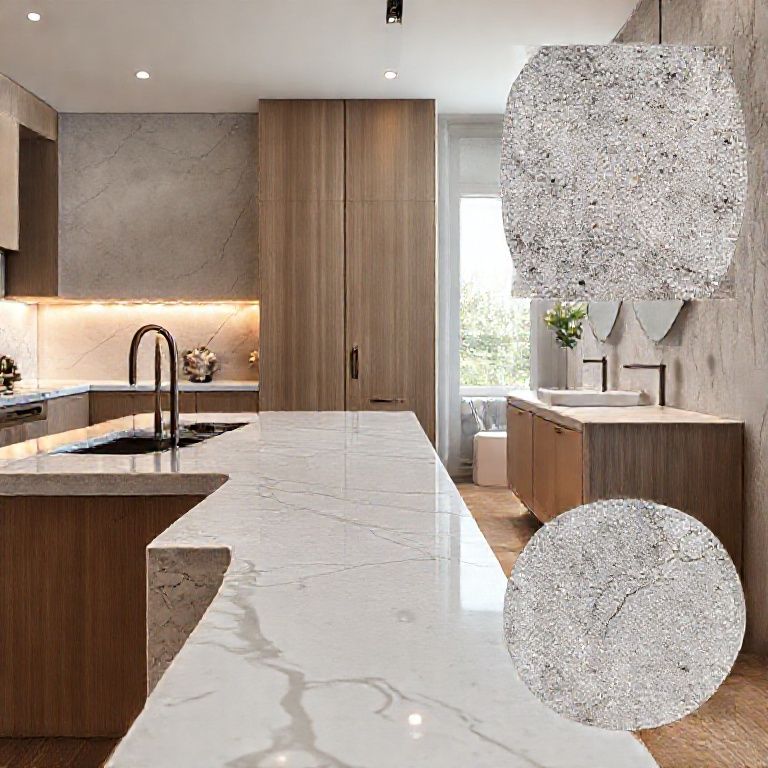
Artificial Stone Countertop Repair: Understanding the Basics
In today’s modern kitchens and bathrooms, artificial stone countertops have become a popular choice due to their durability, aesthetic appeal, and low maintenance requirements. However, like any material, they are not immune to damage, particularly cracks that can mar their appearance and functionality. This comprehensive guide will walk you through everything you need to know about repairing cracked artificial stone countertops, ensuring your surfaces look as good as new.

Identifying the Problem: Cracks in Artificial Stone Countertops
The first step in repairing a cracked artificial stone countertop is to accurately identify the issue. Artificial stone, often made from a combination of minerals, pigments, and resins, can develop cracks due to various factors such as heavy impacts, improper installation, or aging.
To determine if your countertop has minor or major cracks, follow these simple steps:
Visual Inspection: Carefully examine the countertop for any visible cracks. Minor cracks may appear as thin lines, while larger cracks can be more pronounced.
Check for Gaps: Look for any gaps between the countertop and the cabinet or other surfaces. This can indicate a structural issue that may require professional intervention.

Evaluate Functionality: Assess if the cracks affect the countertop’s functionality. If the cracks are deep and affect the surface’s integrity, it may be time to consider more extensive repairs or replacement.
Common Causes of Cracks in Artificial Stone
Understanding the root causes of cracks will help you prevent future damage and choose the right repair method. Here are some common culprits:
Impact Damage: Dropping heavy objects on the countertop can cause immediate cracks. Installation Issues: Improper installation techniques can lead to structural weaknesses. Aging: Over time, the material can naturally deteriorate, leading to cracks. Chemical Exposure: Exposure to harsh chemicals or cleaning agents can weaken the stone surface.
Selecting the Right Repair Materials
Choosing the appropriate materials is crucial for an effective repair. Here are the essential materials you’ll need for repairing cracked artificial stone countertops:
Epoxy Resin: A popular choice for repairing cracks due to its strong bonding properties and ability to match the color of the stone.
Stone Countertop Repair Kit: These kits often come with everything you need for a quick fix, including epoxy resin, mixing tools, and applicators.
Color Matching Paint: If the crack is minor and the epoxy resin doesn’t perfectly match the stone color, a color-matching paint can help blend the repair seamlessly.
Sandpaper: Fine-grit sandpaper is essential for smoothing out any rough edges after the repair.
Cleaning Supplies: Clean the countertop surface before and after the repair to ensure the best adhesion and appearance.
Step-by-Step DIY Repair Process
Now that you have identified the problem and gathered your materials, it’s time to repair the cracks. Follow these steps to ensure a successful repair:
Clean the Area: Thoroughly clean the cracked area using a mild detergent and water. Remove any grease, dust, or debris that could interfere with the repair process.
Dry the Surface: Ensure the area is completely dry before proceeding with the repair.
Mix the Epoxy Resin: Follow the manufacturer’s instructions to mix the epoxy resin. For color matching, mix a small amount of color-matching paint with the epoxy if needed.
Apply the Epoxy: Using an applicator or a toothpick, apply the epoxy resin to the crack. Make sure to fill the crack completely and smooth out the surface with a clean cloth or a repair tool.
Sand the Surface: Once the epoxy has cured (as per the manufacturer’s instructions), lightly sand the repaired area with fine-grit sandpaper to smooth out any rough edges.
Clean Again: Wipe the area clean with a damp cloth to remove any sanding dust.
Final Touches: If needed, use a color-matching paint to blend the repaired area seamlessly with the rest of the countertop.
Conclusion
Repairing cracked artificial stone countertops is a manageable DIY project if approached methodically. By understanding the causes of cracks, selecting the right materials, and following a step-by-step process, you can restore the beauty and functionality of your kitchen or bathroom surfaces. Remember to maintain your countertops regularly to prevent future damage and extend their lifespan.
Stay tuned for the second part of this guide, where we will delve deeper into advanced repair techniques and maintenance tips to keep your artificial stone countertops in pristine condition.
Advanced Techniques and Maintenance Tips for Artificial Stone Countertops
Building on the basics, this part of our guide will explore advanced repair techniques and maintenance tips to ensure your artificial stone countertops remain in top condition for years to come. From intricate repair methods to daily care routines, we’ll cover everything you need to know to keep your surfaces looking flawless.
Advanced Repair Techniques
While minor cracks can often be fixed with simple DIY methods, deeper or more complex cracks may require advanced techniques. Here’s how to tackle these tougher repairs:
Cracks Extending Beyond Surface Level:
For cracks that go deep into the countertop, a more intensive repair process is necessary:
Disassemble and Reassemble: If the crack is severe, consider disassembling the countertop. Remove the affected section, repair it separately, and then reassemble the countertop.
Use a Crack Repair Compound: For deep cracks, a crack repair compound designed for stone surfaces can be used. These compounds offer stronger adhesion and can better fill deep cracks.
Apply Heat: In some cases, applying heat can help the repair material expand and fill the crack more effectively.
Follow Manufacturer’s Instructions: Always follow the manufacturer’s guidelines for application and curing times.
Resurfacing Techniques:
When the surface of the artificial stone countertop is damaged but the base remains intact, resurfacing can be a great option:
Grinding and Polishing: Use a grinder with a stone resurfacing bit to remove the damaged surface layer. Follow up with a polishing compound to restore a smooth finish.
Use a Stone Polishing Machine: For larger areas, a stone polishing machine can efficiently resurface the countertop.
Apply a Protective Coating: After resurfacing, apply a protective coating to enhance the durability of the surface and prevent future damage.
Preventive Maintenance Tips
Preventative maintenance is key to prolonging the life of your artificial stone countertops. Here are some essential tips:
Regular Cleaning:
Daily Wipe Down: Use a damp cloth with mild soap to wipe down your countertops daily. Avoid harsh chemicals that can damage the stone surface.
Weekly Deep Clean: Once a week, perform a deep clean using a stone countertop cleaner. Follow the manufacturer’s instructions for best results.
Immediate Damage Response:
Minor Scratches and Chips: Use a stone countertop repair kit to address minor scratches and chips promptly. This prevents minor damage from becoming more severe.
Deeper Damage: For cracks or deeper damage, act quickly to prevent the issue from worsening. Advanced repair techniques may be needed.
Avoiding Chemical Exposure:
Use Proper Cleaning Tools: Always use non-abrasive cleaning tools and avoid steel wool or harsh scrubbers that can scratch the surface.
Neutral pH Cleaners: Opt for cleaning products with a neutral pH to avoid chemical reactions that can weaken the stone.
Proper Use of Appliances:
Heat Distribution: When using hot pots or pans, use heat diffusers to prevent direct contact with the countertop, which can cause thermal shock and lead to cracks.
Weight Distribution: Distribute the weight evenly when placing heavy objects on the countertop to avoid localized stress points.
Professional Maintenance:
Annual Inspections: Schedule annual inspections with a professional to check for any signs of wear or damage. Early detection can prevent more extensive repairs.
Deep Cleaning Services: Utilize professional deep cleaning services to ensure the countertop is thoroughly cleaned and maintained.
Conclusion
Maintaining and repairing your artificial stone countertops requires a combination of advanced techniques and diligent care. By understanding how to address complex cracks and following preventive maintenance tips, you can keep your countertops looking pristine and functioning optimally for years to come. Whether you’re tackling a minor repair or performing advanced resurfacing, the key is to act promptly and use the right materials and methods.
For more tips and detailed guides, stay tuned for future articles where we will continue to explore ways to enhance the beauty and longevity of your artificial stone surfaces. Your kitchen and bathroom deserve the best care, and with these expert insights, you’re well on your way to achieving it.