Revamp Your Space: The Cost of Restoring a Meter of Artificial Stone Countertops
When it comes to modern kitchen and bathroom design, artificial stone countertops have become a popular choice. Known for their durability, aesthetic appeal, and low maintenance, these countertops are an excellent investment. However, over time, even the best-quality countertops can develop scratches, chips, discoloration, or other imperfections. This is where professional restoration comes in. If you’re wondering how much it costs to restore a meter of artificial stone countertops, you’re in the right place. This article delves into the factors that influence the cost and provides a comprehensive guide to help you understand the process.
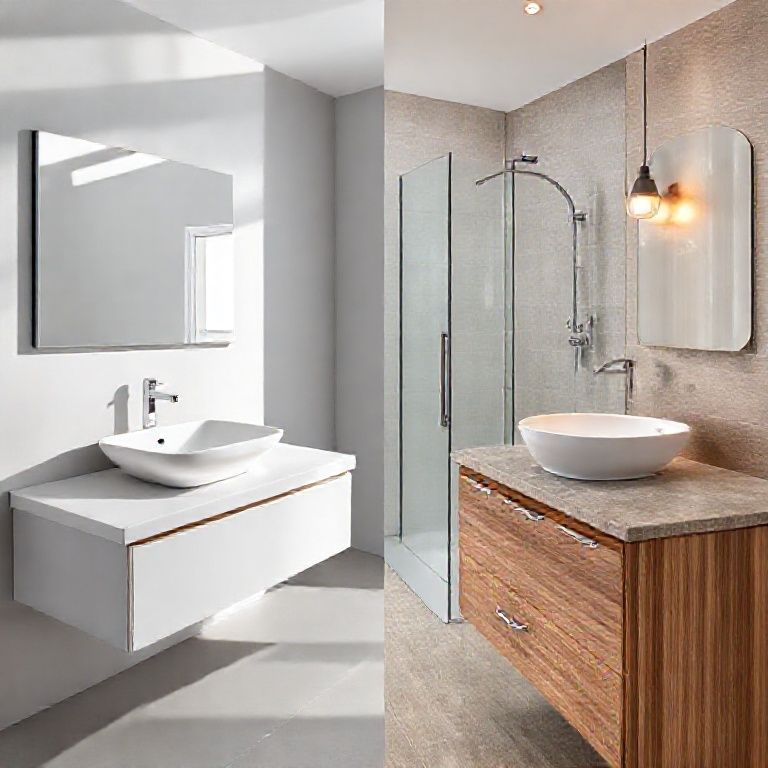
Understanding Artificial Stone Countertops
Before diving into the restoration cost, it’s essential to understand what artificial stone countertops are and why they are so popular. Artificial stone, also known as cultured marble, is a composite material made from natural stone, quartz, or calcite powder, combined with water and bonded with resin. This material offers a range of benefits:
Durability: Artificial stone is highly resistant to scratches, stains, and impact. Aesthetic Versatility: It can mimic various natural stones, providing a wide range of colors and textures. Low Maintenance: Unlike natural stone, artificial stone countertops do not require sealing, making them easier to clean and maintain. Cost-Effective: Often more affordable than natural stone, artificial stone provides a luxurious look at a lower price point.
Factors Influencing Restoration Costs
When it comes to restoring a meter of artificial stone countertops, several factors can influence the overall cost. Here’s a breakdown of the key elements that determine the price:
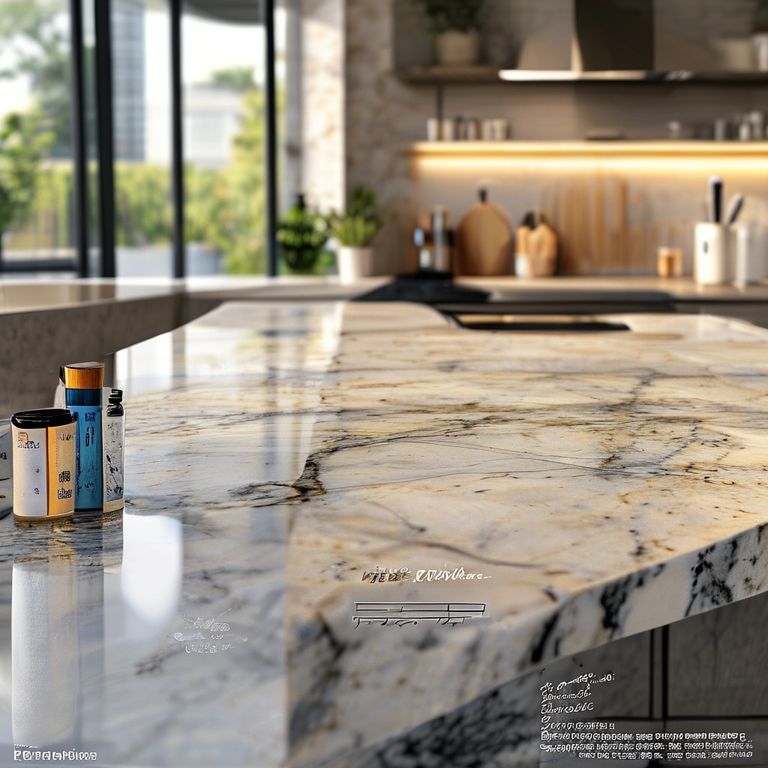
Type of Damage: Scratches and Chips: Minor scratches and chips can often be repaired with polishing or resurfacing techniques, which are generally less expensive. Discoloration: If your countertops have become discolored due to spills or age, a restoration process might involve cleaning and polishing to restore the original luster. Cracks: Larger cracks might require more extensive repairs, including filling and re-polishing, which can increase the cost. Material Quality: High-Quality vs. Standard: The quality of the original countertop material can affect the cost of restoration. Higher-quality artificial stone may require more advanced techniques and materials, leading to higher costs. Restoration Techniques: Polishing and Resurfacing: For minor imperfections, a professional polish or resurface may suffice. These techniques are relatively straightforward and less costly. Filling and Re-polishing: For more severe damage, filling cracks or chips and then re-polishing the surface can be necessary. This process is more time-consuming and can increase the cost. Labor Costs: Experience and Expertise: Highly skilled professionals can work more efficiently, potentially reducing overall labor costs. However, their expertise often comes at a higher rate. Geographical Location: Labor costs can vary significantly depending on the region, with urban areas typically charging more than rural ones. Additional Services: Cleaning: Sometimes, a thorough cleaning is part of the restoration process. This might include additional charges. Design and Consultation: Some restoration services offer design consultations to help you choose the best restoration method, which might be included or charged separately.
Average Costs for Restoring a Meter of Artificial Stone Countertops
To give you a ballpark figure, let’s break down the estimated costs for restoring a meter of artificial stone countertops based on the factors mentioned above:
Minor Repairs (Scratches, Chips): $50 – $150 per meter Moderate Repairs (Discoloration, Light Polishing): $100 – $250 per meter Major Repairs (Cracks, Filling, Re-polishing): $200 – $400 per meter
It’s important to note that these figures are approximate and can vary based on the specific needs of your countertop and the chosen restoration method.
Choosing a Restoration Professional
Selecting the right professional for your artificial stone countertop restoration is crucial to achieving the best results. Here are some tips to help you choose the right service provider:
Check Credentials: Look for professionals with certifications and experience in countertop restoration. Read Reviews: Check online reviews and testimonials from previous clients to gauge satisfaction levels. Get Multiple Quotes: Obtain quotes from several professionals to compare costs and services offered. Ask for Before-and-After Samples: Request to see before-and-after photos of previous restorations to assess their quality and expertise. Discuss the Process: Have a detailed discussion about the restoration process, what to expect, and any additional costs that may arise.
DIY vs. Professional Restoration
While it might be tempting to try a DIY restoration to save costs, it’s generally not recommended unless you have experience in countertop restoration. Professional services ensure:
Expertise: Professionals have the skills and tools necessary to achieve the best results. Quality Assurance: They provide a guarantee on their work, ensuring you’re satisfied with the outcome. Time-Saving: Professionals can complete the job more quickly than a DIY approach, minimizing downtime.
Revitalize Your Space: Comprehensive Guide to Restoring a Meter of Artificial Stone Countertops
Artificial stone countertops can add a touch of elegance and sophistication to your home’s most frequented areas. However, like any material, they can develop imperfections over time. Restoring your artificial stone countertops not only enhances their appearance but also extends their lifespan. Here, we delve deeper into the restoration process, offering expert tips and insights to help you make an informed decision.
The Restoration Process: Step-by-Step
Restoring artificial stone countertops involves several steps, each tailored to address the specific type of damage. Here’s a step-by-step breakdown of the typical restoration process:
Initial Assessment: Inspection: The first step is a thorough inspection to determine the extent of the damage. This involves assessing the type and severity of imperfections. Consultation: Discuss the findings with the restoration professional to determine the best approach for repair. This might include polishing, resurfacing, filling, or a combination of these techniques. Cleaning: Surface Cleaning: Before any restoration work begins, the countertop needs to be thoroughly cleaned. This involves removing grime, stains, and any surface contaminants. Pre-Treatment: In some cases, a pre-treatment might be necessary to prepare the surface for restoration. This could involve applying a special cleaning solution to enhance the effectiveness of the repair process. Repair Techniques:
Polishing and Resurfacing:
Micro-Polishing: For minor scratches and chips, micro-polishing can smooth out the surface and restore its shine. Laser Resurfacing: This advanced technique uses laser technology to remove imperfections and create a smooth, even surface.
Filling and Re-polishing:
Crack Filling: For larger cracks or chips, the restoration process involves filling the imperfections with a specially formulated compound and then polishing the surface to blend the repaired areas seamlessly. Re-polishing: After filling, the surface is thoroughly re-polished to ensure a uniform, shiny finish. Finishing Touches: Sealing (if required): In some cases, a sealing treatment might be applied to protect the restored surface from future stains and spills. Final Inspection: A final inspection ensures that the restoration meets your expectations and standards.
Expert Tips for Maintaining Your Restored Countertops
To ensure your restored artificial stone countertops remain in pristine condition, follow these expert tips:
使用适当的清洁工具和产品: 软布和海绵:对于日常清洁,可以使用软布或海绵,这样可以避免刮伤瓷砖表面。 中性清洁剂:选择中性的清洁剂,避免使用强酸强碱的清洁产品,这些产品可能会损害瓷砖表面的抛光层。 避免重物和尖锐物品: 轻放物品:在摆放重物时,尽量轻放,以避免压力导致瓷砖破裂或开裂。
保护角落和边缘:尤其是在角落和边缘区域,避免使用尖锐物品,这些地方更容易受损。 处理溢出物和泄漏: 及时清理:任何液体溢出或泄漏应立即清理干净,以防止液体渗透到瓷砖缝隙中,导致霉菌和颜色褪色。 专用清洁剂:对于顽固污渍,可以使用专用的瓷砖清洁剂进行处理。
防止霉菌和细菌: 保持通风:特别是在厨房和浴室等潮湿区域,保持良好的通风,避免霉菌滋生。 定期清洁:定期进行深度清洁,特别是在瓷砖缝隙处,使用刷子或专用清洁剂清理缝隙中的灰尘和污垢。 缝隙处理: 正确的填缝剂:选择适合的填缝剂,并按照说明进行正确的填缝,以保持缝隙的完整性和美观。
定期更换填缝剂:填缝剂也会随时间老化,应定期检查并更换,以保持缝隙的密封性和防水性。 防止划痕和刮伤: 使用桌布和垫子:在桌面上放置桌布或垫子,特别是金属或玻璃制品,可以避免划伤瓷砖表面。 轻拿轻放:提高或移动重物时,尽量避免让重物直接接触瓷砖表面。
通过遵循这些维护和保养建议,可以有效延长瓷砖的使用寿命,保持其外观的整洁和美观。如果在使用过程中发现严重损坏或问题,建议及时联系专业人员进行修复或更换。