Revitalize Your Space: The Long-Lasting Solution to Repairing Your Artificial Stone Countertop Cracks
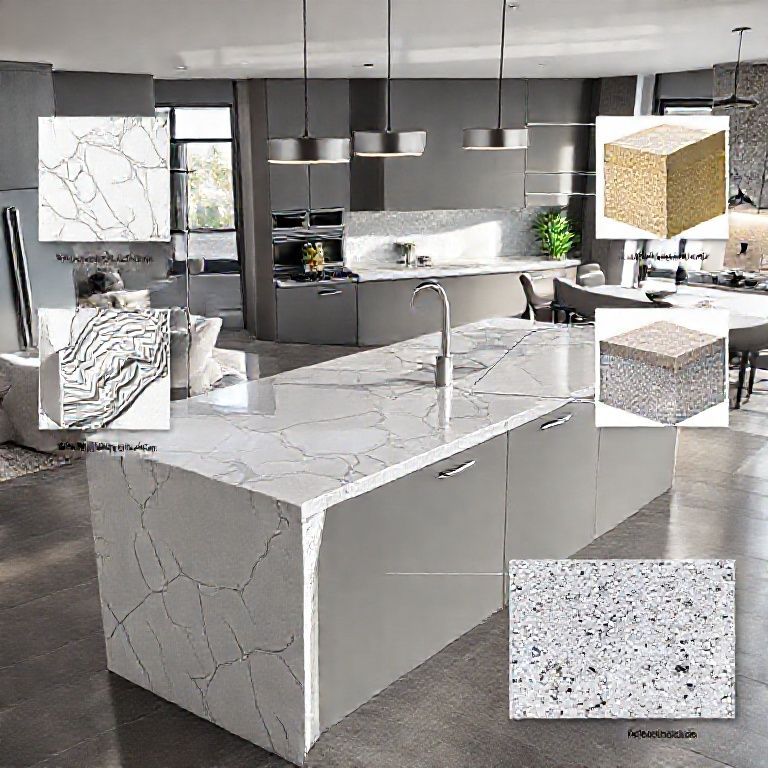
Artificial stone countertops have emerged as a popular choice for kitchens and bathrooms due to their durability, aesthetics, and ease of maintenance. These countertops mimic the appearance of natural stone while offering superior resistance to scratches, stains, and thermal damage. However, even the most robust materials are not immune to the wear and tear of everyday use, and cracks can develop over time. The key to ensuring that your artificial stone countertop remains a stunning focal point in your home lies in timely and effective repair techniques.
Understanding the Nature of Cracks in Artificial Stone
Before diving into repair methods, it’s crucial to understand why cracks occur in artificial stone countertops. These materials are a composite of minerals and resins, which, despite their strength, can develop tiny fissures due to mechanical stress, such as dropping heavy objects or from thermal expansion and contraction. Cracks can also arise from improper installation or maintenance practices. Recognizing the root cause of a crack is the first step toward a successful repair.
The Importance of Early Detection
Timely detection of cracks is paramount. Small cracks may seem insignificant, but they can rapidly worsen if left untreated. Regular inspections can help identify minor fissures early, allowing for immediate action to prevent larger, more destructive splits. Visual checks and gentle probing with a soft tool can help identify hidden cracks that are not visible to the naked eye.
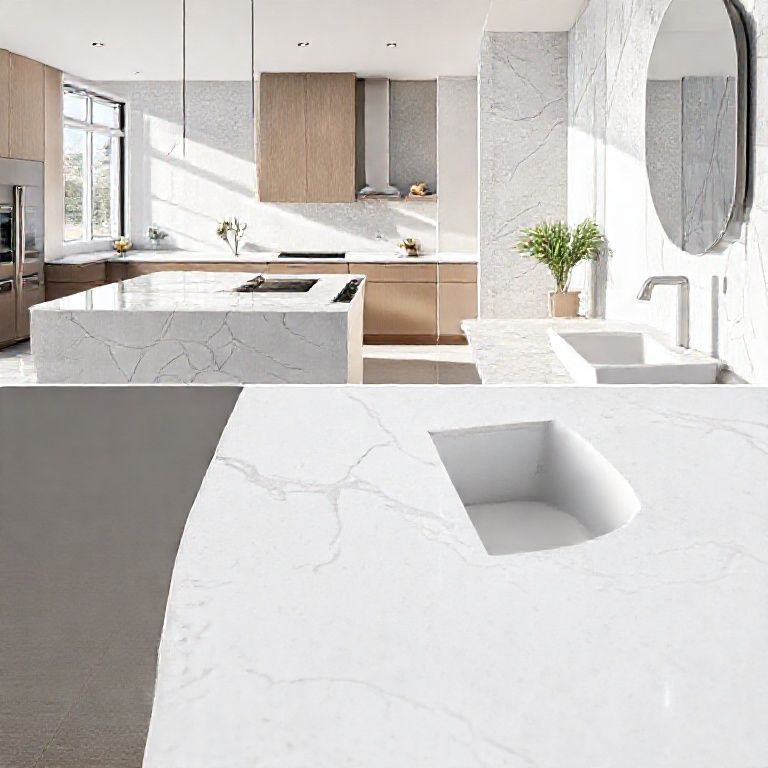
Effective Repair Techniques
Material Selection
The longevity of a repair depends heavily on the quality of materials used. For artificial stone countertops, the most effective repair compounds are specifically formulated to match the composition of the countertop. Epoxy resins, polyurethane-based fillers, and specially designed stone repair putties are commonly used. These materials provide a durable bond, matching the color and texture of the countertop, ensuring a seamless repair.
Step-by-Step Repair Process
Preparation: Clean the cracked area thoroughly to remove any dirt, grease, or debris. Use a mild detergent and a soft cloth to ensure a clean surface for the repair compound.
Surface Treatment: Sand the edges of the crack lightly with a fine-grit sandpaper to create a rough surface that will better accept the repair material. This step is crucial for ensuring that the repair compound adheres properly.
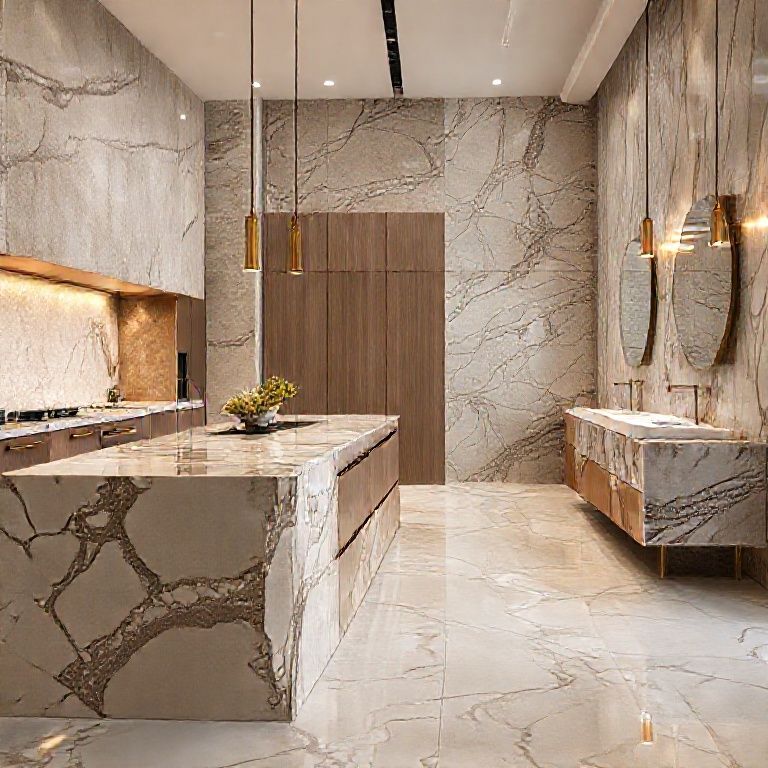
Application of Repair Compound: Apply the chosen repair compound to the crack using a putty knife or a similar tool. Make sure to fill the crack completely, extending the compound slightly beyond the edges of the crack for a uniform finish.
Smoothing the Surface: Once the repair compound has been applied, smooth it out to match the surface of the countertop. Use a damp cloth to buff the area, which will help to blend the repair seamlessly with the surrounding surface.
Cure Time: Allow the repair compound to cure as per the manufacturer’s instructions. This usually involves leaving the area undisturbed for several hours to overnight.
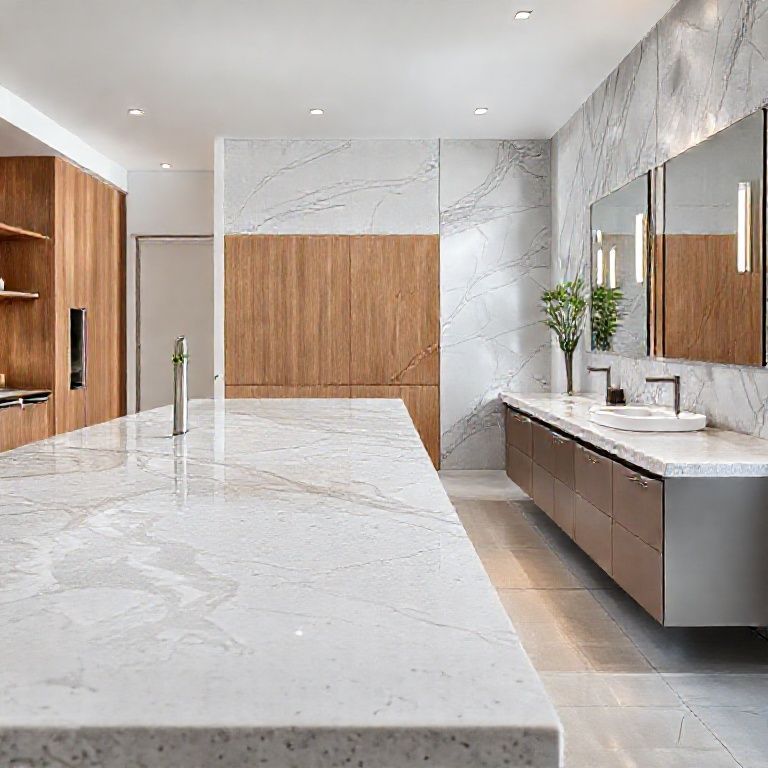
Final Touches: Once cured, the repaired area should be polished to match the sheen of the rest of the countertop. Use a soft cloth and a polishing compound to achieve a flawless finish.
Preventive Measures for Long-Term Durability
Preventative care is as important as the repair process itself. Here are some tips to extend the lifespan of your artificial stone countertop:
Use Protective Pads: Always place protective pads under heavy objects to prevent direct impact that can cause cracks.
Regular Cleaning: Maintain cleanliness by regularly cleaning the surface with appropriate cleaning agents. Avoid abrasive cleaners that can scratch the surface.
Temperature Management: Be cautious with hot items. Avoid placing hot pots and pans directly on the surface, and use trivets or hot pads to protect the countertop from thermal shock.
Prompt Repair: Address small cracks immediately to prevent them from spreading. Routine maintenance can save you from more extensive repairs down the line.
Expert Consultation and Professional Repairs
While do-it-yourself repairs are often effective, there are times when professional help is necessary. For particularly severe cracks or when unsure about the repair process, consulting a professional stone technician is advisable. Professionals have access to advanced tools and materials that can ensure a repair that is not only effective but also blends seamlessly with the countertop.
Mastering the Art of Artificial Stone Countertop Repair: Ensuring Longevity and Beauty
Artificial stone countertops are not just a modern trend; they are a testament to the blend of innovation and aesthetics in home design. Their durability and resistance to various forms of damage make them an excellent choice for high-traffic areas such as kitchens and bathrooms. However, despite their robust nature, these surfaces are not impervious to damage, particularly when subjected to mechanical stress or thermal changes over time. This guide will delve deeper into advanced techniques and expert tips to ensure that your artificial stone countertop remains a stunning centerpiece in your home for years to come.
Advanced Repair Techniques
Specialized Repair Compounds
While basic epoxy resins and polyurethane fillers are effective for minor repairs, advanced repair compounds offer superior durability and aesthetic matching. These specialized compounds are formulated to withstand the rigors of daily use while maintaining a seamless appearance. Look for products that are specifically designed for stone materials, offering enhanced adhesion and color matching.
Micro-Filling for Fine Cracks
For tiny fissures that are barely noticeable to the naked eye, micro-filling techniques can be employed. This method involves using a fine-tipped applicator to apply a thin layer of repair compound directly into the crack. This technique is particularly useful for surface hairline cracks that do not penetrate deeply into the material. The micro-filling process ensures that the repair is virtually invisible, maintaining the countertop’s pristine appearance.
Advanced Sanding and Polishing
Post-repair, the countertop needs to be meticulously sanded and polished to match the surrounding surface perfectly. Advanced sanding techniques involve using progressively finer grits to smooth the repaired area. This ensures a seamless blend with the rest of the countertop. Finally, high-polish compounds are used to restore the countertop’s shine, ensuring that the repair is not only durable but also aesthetically pleasing.
Expert Tips for Long-Lasting Repairs
Proper Tool Selection
Choosing the right tools for the repair job can make a significant difference in the outcome. High-quality putty knives, sanding blocks, and polishing cloths are essential. Using substandard tools can result in uneven repairs, which may not only look unprofessional but could also compromise the durability of the repair.
Temperature Control During Curing
The curing process of repair compounds is highly sensitive to temperature and humidity. Ensure that the environment where the repair is being made is stable and does not fluctuate significantly. Temperature variations can affect the curing process, potentially leading to cracks or an uneven finish.
Layered Repairs for Larger Cracks
For larger, more extensive cracks, a layered repair technique is often the most effective. This involves applying a base layer of repair compound, allowing it to cure, and then applying subsequent layers until the crack is completely filled and the surface is level. Each layer should be allowed to cure adequately before the next is applied, ensuring a strong bond and a seamless finish.
Preventive Maintenance and Longevity
Preventative care is crucial for extending the life of your artificial stone countertop. Here are some advanced tips to ensure the longevity and beauty of your countertop:
Regular Cleaning: Use pH-neutral cleaners to maintain the surface without causing damage. Avoid abrasive cleaners that can scratch the surface over time.
Use Coasters and Trivets: To prevent thermal shock, always use coasters for hot beverages and trivets for hot dishes. This simple step can prevent thermal cracks that are often difficult to repair.
Avoid Sharp Objects: Do not use sharp objects to scrape off food or clean the surface. These can easily scratch the material, leading to more significant damage.
Periodic Inspections: Regularly inspect the countertop for any signs of wear or damage. Early detection can prevent small issues from becoming major repairs.
Professional Maintenance: Occasionally, professional maintenance can help identify issues before they become problematic. Professionals can also perform deep cleaning and polish the surface to restore its original beauty.
Expert Consultation and Professional Repairs
While DIY repairs are often effective, there are times when professional intervention is necessary. Here are some scenarios when it’s best to consult a professional:
Severe Damage: For cracks当然,我会继续为你提供关于如何进行专业的家具和装修建议。
设计与规划:
空间测量: 在开始任何装修或家具布置之前,准确测量房间的尺寸。这有助于确定什么样的家具适合放置在哪个位置。 风格统一: 确定一个主要的设计风格,例如现代、传统、北欧、工业等,并在整个房间的选择上保持一致。 功能区划分: 根据房间的用途划分功能区,例如客厅、餐厅、卧室等,并在每个区域选择适合的家具。
选择家具: 多功能家具: 考虑购买多功能家具,例如可以变成床的沙发、带有储物功能的茶几等,这样可以节省空间并提高实用性。 尺寸和比例: 确保家具的尺寸与房间的大小相符,不要选择过大或过小的家具,这样会影响空间的流动性。 材料选择: 选择耐用且易于清洁的材料,例如实木、金属、玻璃等。
注意环保材料,避免使用含有有害化学物质的家具。 色彩搭配: 主色调: 选择一个主要的颜色作为主色调,然后用辅色来丰富整体效果。通常,中性色(如白色、灰色、米色)作为主色调,可以更容易搭配其他颜色。 色彩对比: 在局部区域使用对比色,例如在简单的白色墙壁上,可以选择蓝色或绿色的家具,以增加视觉冲击力。
照明设计: 自然光: 尽量利用自然光,选择轻薄的窗帘或百叶窗,以保证室内的光线充足。 人工照明: 根据不同区域的功能,选择合适的人工照明。例如,在阅读区可以使用落地灯,在厨房可以使用橱柜下的LED灯等。 层次照明: 使用多层次照明,包括环境光、任务光和重点光,以提高空间的层次感和功能性。
软装搭配: 纺织品: 选择与整体风格相符的地毯、窗帘、靠垫等纺织品,以增加舒适感和美观度。 装饰品: 适量的装饰品,例如挂画、花瓶、书籍等,可以为空间增添个性和趣味。 实用小贴士: 储物空间: 充分利用储物空间,可以选择带储物功能的家具,或者在墙壁上设计储物柜和搁板。
动线设计: 在布置家具时,要考虑人们在房间内的行走路线,避免阻碍动线,保持空间的流畅性。 定期维护: 定期清洁和维护家具和装饰品,以保持它们的美观和耐用。
通过以上步骤,你可以创建一个既美观又实用的家居环境。如果你有具体的问题或者需要更详细的建议,欢迎继续提问!