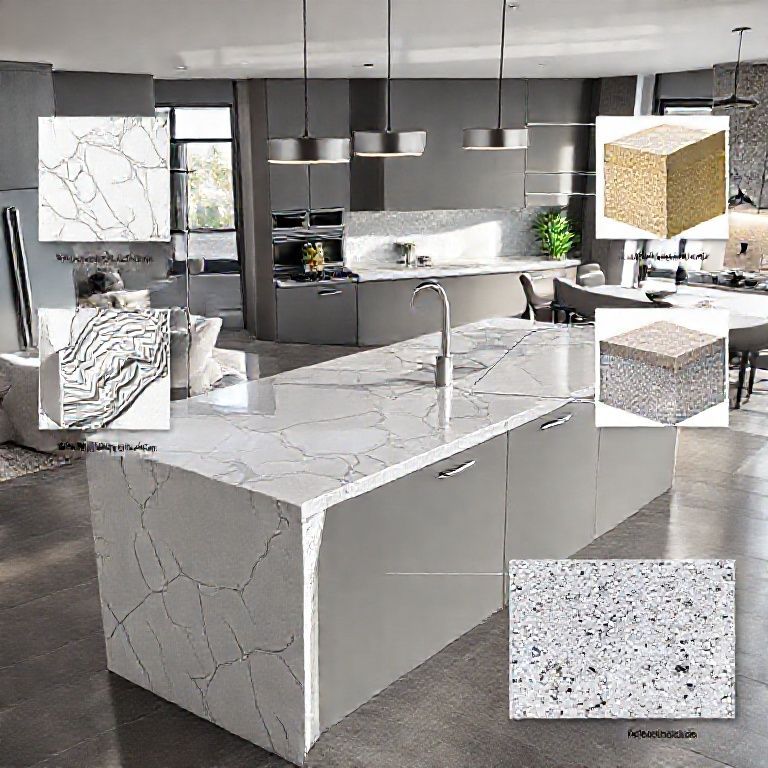
The Art and Science of Artificial Stone Countertop Refinishing
When it comes to modern kitchen and bathroom design, artificial stone countertops have emerged as a popular choice. Known for their durability, aesthetic appeal, and ease of maintenance, artificial stone surfaces have become a favorite among homeowners and designers alike. However, even the most pristine countertops can show signs of wear and tear over time, necessitating a rejuvenation process. Enter the art and science of artificial stone countertop refinishing.

Understanding Artificial Stone Countertops
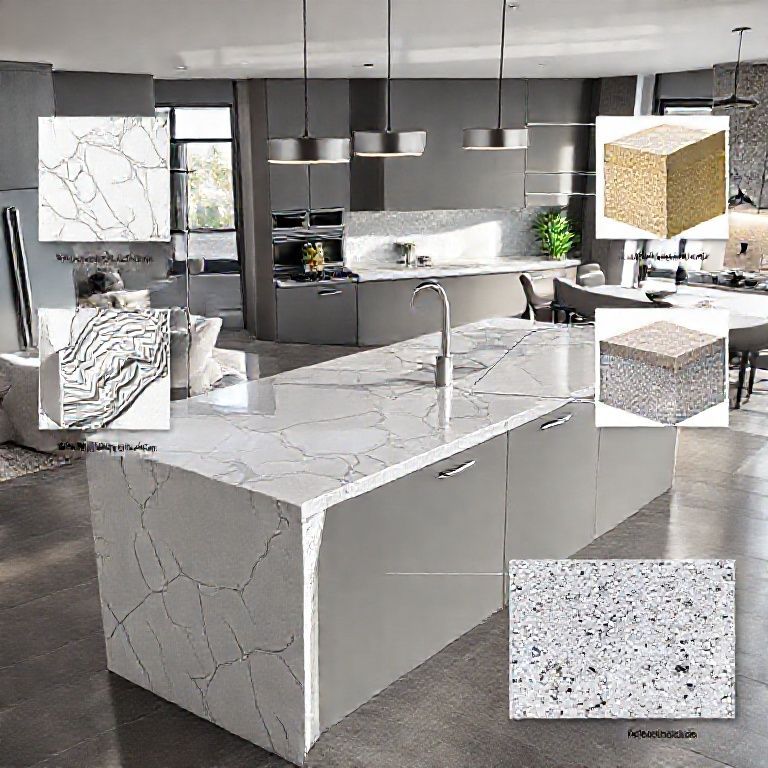
Artificial stone, also known as composite stone, is a popular material used for countertops due to its impressive blend of properties. It is made from a combination of minerals, resins, and other materials that mimic the look and feel of natural stone but offer enhanced durability and maintenance. Unlike natural stone, artificial stone is less porous, making it highly resistant to stains, scratches, and chips. This makes it an ideal choice for high-traffic areas like kitchens and bathrooms.
Why Refinishing is Essential
Despite its robust nature, artificial stone countertops can still suffer from scratches, chips, and discoloration over time. These imperfections, while minor, can detract from the overall aesthetic appeal of your space. Refinishing is a process that involves resurfacing the countertop to remove these imperfections and restore its original shine and beauty. Here’s why refinishing is essential:
Enhanced Aesthetics: Refinishing restores the countertop’s original luster, giving it a fresh, new look that can significantly boost the visual appeal of your kitchen or bathroom. Durability: The refinishing process often involves applying a protective coating that enhances the countertop’s resistance to scratches, stains, and other forms of damage. Cost-Effective: Refinishing is a cost-effective alternative to replacing the entire countertop, saving you both time and money.

The Refinishing Process
The refinishing process for artificial stone countertops typically involves several key steps:
Assessment and Cleaning: The first step involves a thorough assessment of the countertop to determine the extent of damage. The surface is then cleaned thoroughly to remove any dirt, grime, or residue that could interfere with the refinishing process.
Grinding and Sanding: Depending on the severity of the damage, the countertop may require grinding and sanding. This step involves using specialized tools to smooth out scratches, chips, and uneven surfaces. The process is meticulous to ensure a flawless finish.
Polishing and Coating: After grinding and sanding, the countertop is polished to restore its shine. A high-gloss protective coating is then applied to protect the surface and enhance its durability. This coating can be tinted to match the original color of the countertop, ensuring a seamless look.
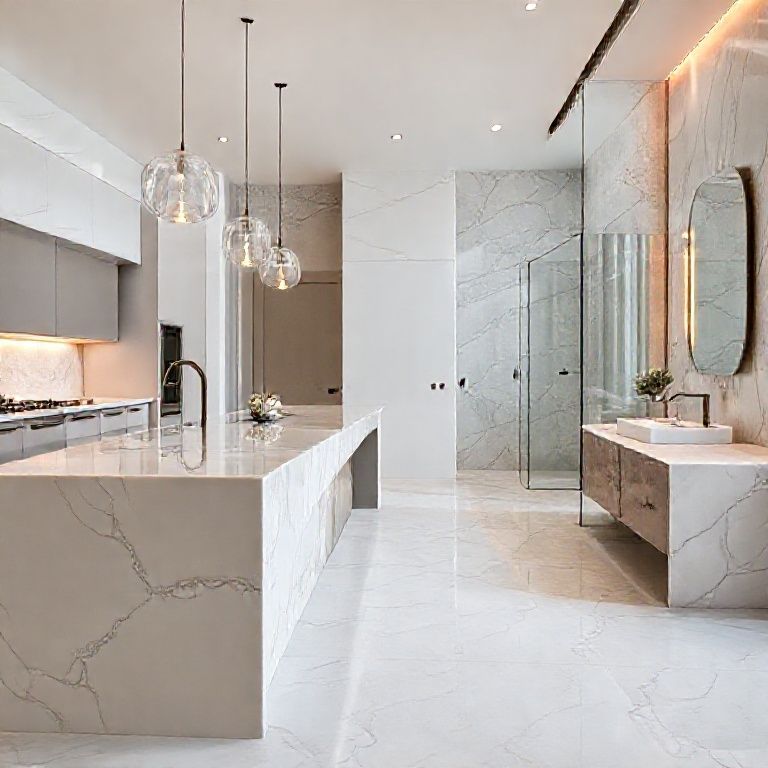
Choosing the Right Refinishing Service
Selecting a reputable refinishing service is crucial to achieving a high-quality finish. Here are some tips to help you choose the right service:
Research and Reviews: Look for reviews and testimonials from previous clients to gauge the quality of the service. Websites, social media, and local business directories are excellent sources of information.
Credentials and Experience: Ensure the service provider has the necessary credentials and experience in refinishing artificial stone countertops. Experienced professionals are more likely to deliver superior results.
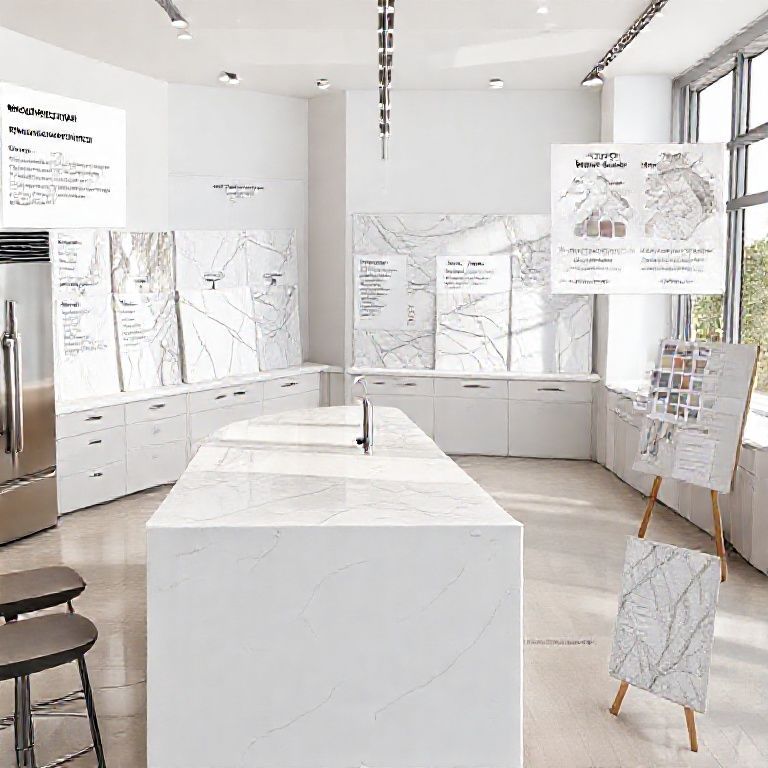
Consultation: A consultation with the service provider can give you a better understanding of their process and ensure their approach aligns with your expectations.
Cost and Warranty: Compare quotes from different service providers and inquire about any warranties or guarantees offered on the refinishing work.
Part 1 Summary
Artificial stone countertops are a remarkable choice for modern kitchen and bathroom designs due to their durability and aesthetic appeal. However, over time, these countertops can suffer from scratches, chips, and discoloration, necessitating a refinishing process. Refinishing not only enhances the visual appeal but also boosts the countertop’s durability. The process involves cleaning, grinding, polishing, and applying a protective coating. When choosing a refinishing service, it’s essential to research, consider credentials, and discuss expectations to ensure a flawless finish. In the next part, we’ll explore more detailed tips and tricks for achieving the best results in artificial stone countertop refinishing.
Achieving Flawless Results: Expert Tips for Artificial Stone Countertop Refinishing
Refinishing artificial stone countertops is a rewarding process that can dramatically transform the look and feel of your kitchen or bathroom. To ensure you achieve the best possible results, here are some expert tips and tricks that can guide you through the refinishing process.
Preparation: Setting the Stage for Success
Proper preparation is key to a successful refinishing project. Here’s what you need to do before starting:
Clear the Area: Ensure the countertop is free of all items, including appliances, utensils, and any other objects that may be in the way. Clear the surrounding area as well to provide ample space for the refinishing process.
Protect Surrounding Areas: Use plastic sheeting to cover floors, walls, and furniture that may be affected by dust, debris, or accidental splashes during the refinishing process. Apply painter’s tape to protect trim and fixtures.
Gather Supplies: Make sure you have all the necessary supplies, including cleaning agents, grinding and sanding tools, polishing pads, and the protective coating materials.
Detailed Refinishing Steps
Here’s a more detailed look at the refinishing process, from start to finish:
Thorough Cleaning: Start by cleaning the countertop thoroughly to remove any dirt, grime, or residue. Use a mild detergent and a soft cloth to ensure you don’t scratch the surface. For stubborn stains, a specialized cleaning solution designed for artificial stone can be effective.
Assessment and Marking: Conduct a thorough assessment to identify areas that require refinishing. Mark these areas for easy reference during the grinding and sanding process. Pay attention to scratches, chips, and discoloration.
Grinding and Sanding: Use a grinder or sanding machine with appropriate attachments to smooth out the marked areas. Start with a coarser grit to remove significant imperfections and then switch to a finer grit for a smoother finish. Ensure the surface is even and free of any rough patches.
Polishing: Once the surface is smooth, use a polishing pad and a suitable polishing compound to restore the countertop’s shine. Apply the compound to the pad and work it into the surface in a circular motion. Polish until the surface is uniformly shiny and free of any streaks.
Applying Protective Coating: The final step involves applying a high-gloss protective coating. Choose a coating that offers the best protection and matches the original color of the countertop. Apply the coating evenly using a brush or a spray gun, ensuring full coverage. Allow the coating to dry completely as per the manufacturer’s instructions.
Aftercare and Maintenance
To maintain the beauty and durability of your refinished artificial stone countertop, follow these aftercare tips:
Regular Cleaning: Clean the countertop regularly with a mild detergent and a soft cloth. Avoid using abrasive cleaners or sponges that can scratch the surface.
Immediate Stain Treatment: Address spills and stains immediately to prevent them from setting in. Use a specialized cleaner designed for artificial stone to treat stains promptly.
Avoid Sharp Objects: Place cutting boards and other sharp objects on a protective mat or cutting pad to prevent scratches.
Use Coasters and Placemats: To protect the surface from heat and moisture, use coasters, placemats, and trivets under hot dishes, glasses, and other heat sources.
Common Mistakes to Avoid
While refinishing artificial stone countertops is relatively straightforward, there are common mistakes that can compromise the quality of the finish:
Skipping Cleaning: Failing to clean the countertop thoroughly before refinishing can result in dust and debris being embedded into the surface, leading to a subpar finish.
Improper Grit Selection: Using the wrong grit during grinding and sanding can either leave the surface too rough or not smooth enough. Always start with a coarser grit and gradually move to a finer grit.
Over-Polishing: Over-polishing can leave streaks and a glossy finish that doesn’t match the original countertop. Ensure you follow the manufacturer’s instructions for the polishing process.
Inadequate Coating Application: Applying too little or too much protective coating can result in an uneven finish. Follow the manufacturer’s guidelines for application to ensure even coverage.
Part 2 Summary
Achieving a flawless finish in artificial stone countertop refinishing requires careful preparation, attention to detail, and adherence to proper techniques. From thorough cleaning and precise grinding to expert polishing and coating application, every step plays a crucial role in the final outcome. Proper aftercare and maintenance are equally important to preserve the beauty and durability of the refinished countertop. By avoiding common mistakes and following expert tips, you can ensure your继续探讨人造大理石台面翻新的内容,我们可以深入了解一些具体的材料和技术,以及如何最大化地利用这些资源来达到最佳效果。
材料选择
天然石材填充物:使用天然石材填充物,如花岗岩、大理石和石灰岩,可以显著提升台面的耐用性和美观度。这些填充物通常具有高硬度和抗刮擦能力,适用于高流量区域。
树脂:高质量的树脂可以提供卓越的耐磨性和颜色稳定性。它们能够模拟天然石材的外观,同时具有更好的耐化学品性能。
色素和染料:高品质的色素和染料能够确保颜色在翻新后长时间保持鲜艳,并且不会因日晒或化学品影响而褪色。
技术细节
表面清洁和预处理:在进行翻新之前,台面必须经过彻底清洁,以去除所有油污、污垢和杂质。这通常需要使用专业的清洁剂和设备。在清洁后,可能需要对表面进行微砂磨处理,以增加粗糙度,使新的涂层更好地附着。
打磨和抛光:对于有明显刮痕或磨损的台面,需要进行打磨和抛光。这一步骤能够去除旧的涂层,并使表面光滑。打磨时要根据不同的深度选择不同的砂纸或研磨机,以确保均匀处理。
涂层应用:涂层的选择和应用直接影响到台面的美观和耐用性。通常,会使用多层涂层,包括底漆、中间涂层和顶漆。每一层都需要干燥时间,以确保最终效果。
耐热涂层:对于厨房台面,耐热涂层是非常重要的。它能够防止热损伤和颜色褪色。在应用这种涂层时,需要确保涂层均匀,并在正确的温度下固化。
环保与安全
低VOC涂料:选择低挥发性有机化合物(VOC)的涂料,能够显著减少对室内空气质量的影响。这对于家庭环境和个人健康都是有利的。
无毒材料:确保所用材料和涂料是无毒的,特别是对于家庭使用,更要注意对儿童和宠物的安全。
效果展示
为了展示翻新后的台面效果,可以拍摄高质量的照片,并在社交媒体或者个人网站上展示。这不仅能够吸引更多的客户,还能够展示你的专业技能和作品。
客户满意度
售后服务:提供完善的售后服务,包括保修和维护指导,能够提升客户满意度。定期检查和维护翻新后的台面,可以延长其使用寿命。
反馈机制:建立客户反馈机制,及时了解客户对服务和产品的满意度,并根据反馈不断改进。
通过精心选择材料、严格遵循技术步骤、注重环保与安全以及提供优质的售后服务,你能够确保人造大理石台面翻新的效果达到最佳,并获得客户的高度满意。