Understanding and Addressing Yellowing in White Quartz Countertops
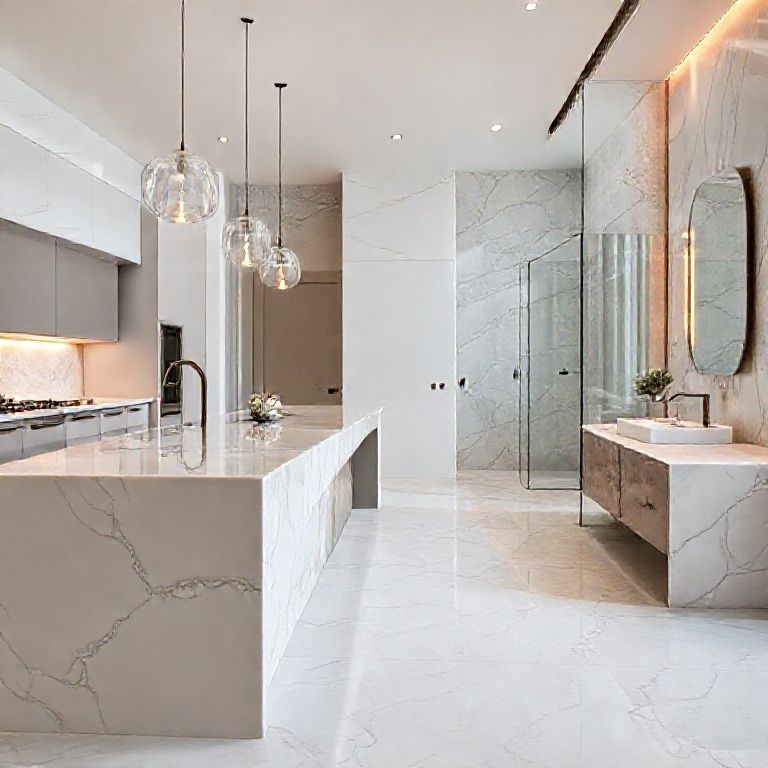
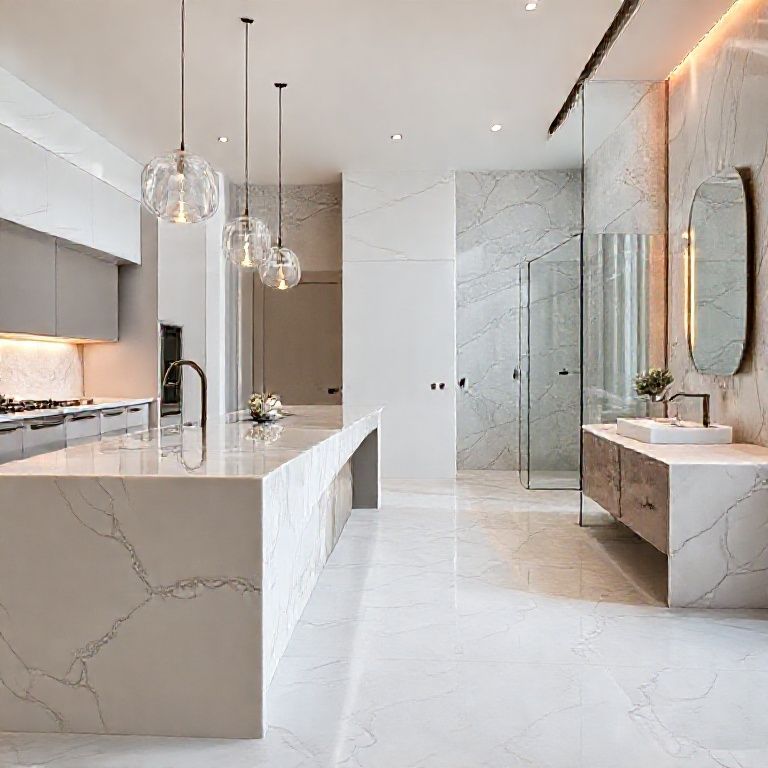
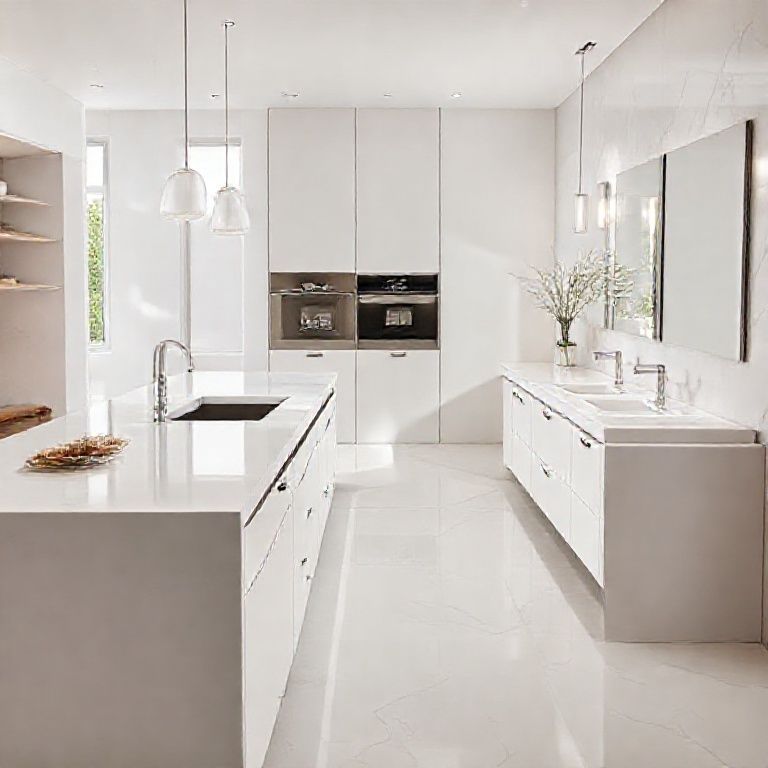
When it comes to kitchen and bathroom aesthetics, few surfaces rival the beauty and durability of white quartz countertops. However, over time, these elegant surfaces can unfortunately develop a yellow hue, detracting from their pristine appearance. Understanding the root causes and effective remedies for this issue is essential to maintaining the gleaming look of your countertops.
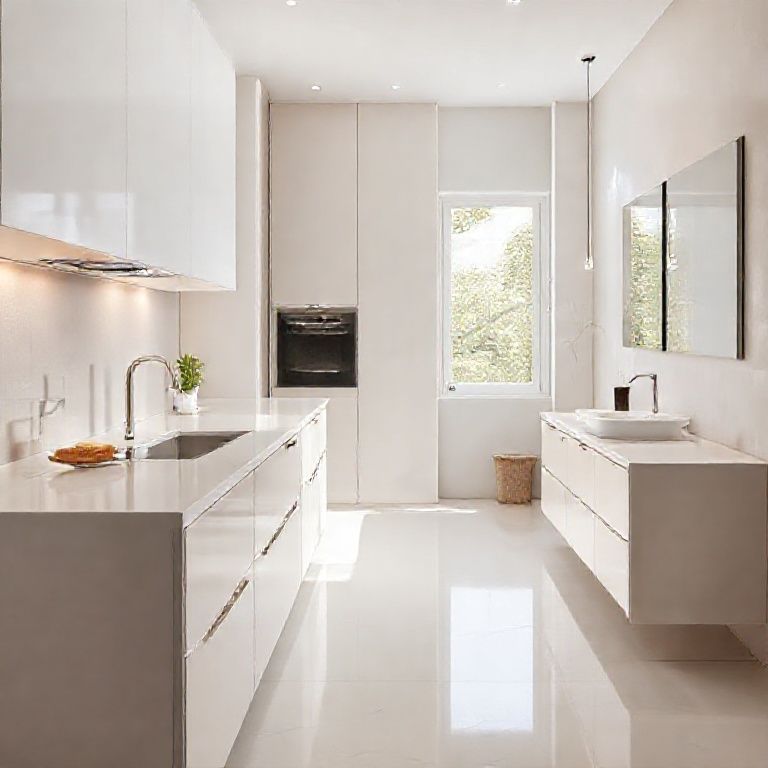
Causes of Yellowing in White Quartz Countertops
1. Exposure to Heat and Oil: One of the primary reasons behind the yellowing of quartz countertops is exposure to heat and cooking oils. Quartz is a non-porous material, but it can still absorb oils and stains from cooking, which can manifest as a yellowish tint.
2. Acidic Foods and Beverages: Foods and drinks with high acidity, such as lemon juice, vinegar, and tomato sauce, can cause discoloration if not cleaned promptly. The acids can break down the surface of the quartz, leading to yellow spots.
3. Improper Cleaning Products: Using harsh chemicals or inappropriate cleaning products can damage the surface of the quartz, leading to yellowing and dullness. Many commercial cleaners contain abrasives that can scratch the surface.
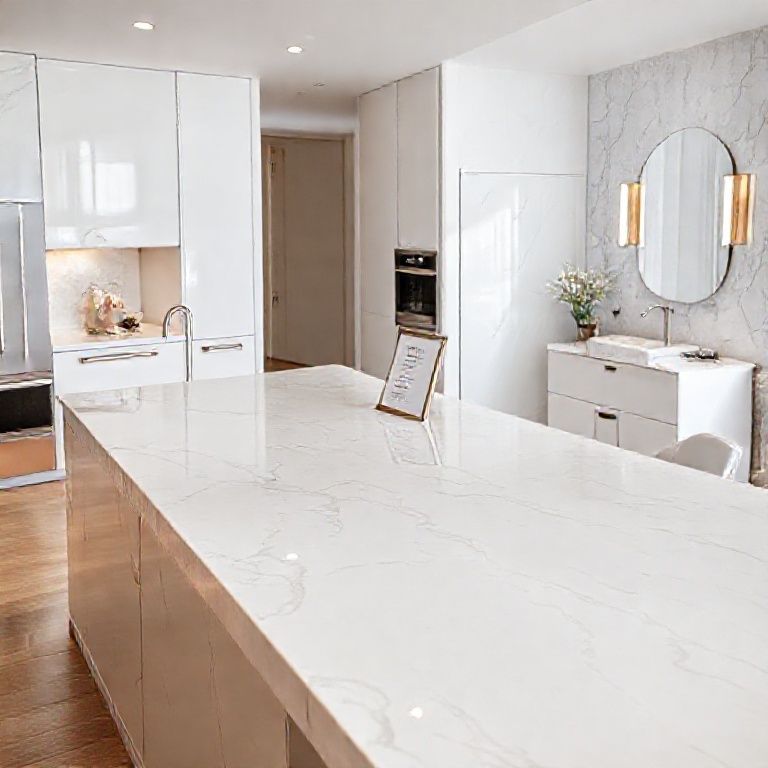
4. Environmental Factors: Exposure to cigarette smoke, cooking fumes, and other environmental pollutants can cause staining and yellowing over time.
Immediate Actions to Prevent Further Discoloration
1. Regular Cleaning: Implement a regular cleaning routine using mild, non-abrasive cleaners. A mixture of warm water and a gentle dish soap is often sufficient for daily cleaning.
2. Immediate Stain Removal: Promptly address spills and stains to prevent them from setting in. Blot up spills immediately and clean the surface with a damp cloth.
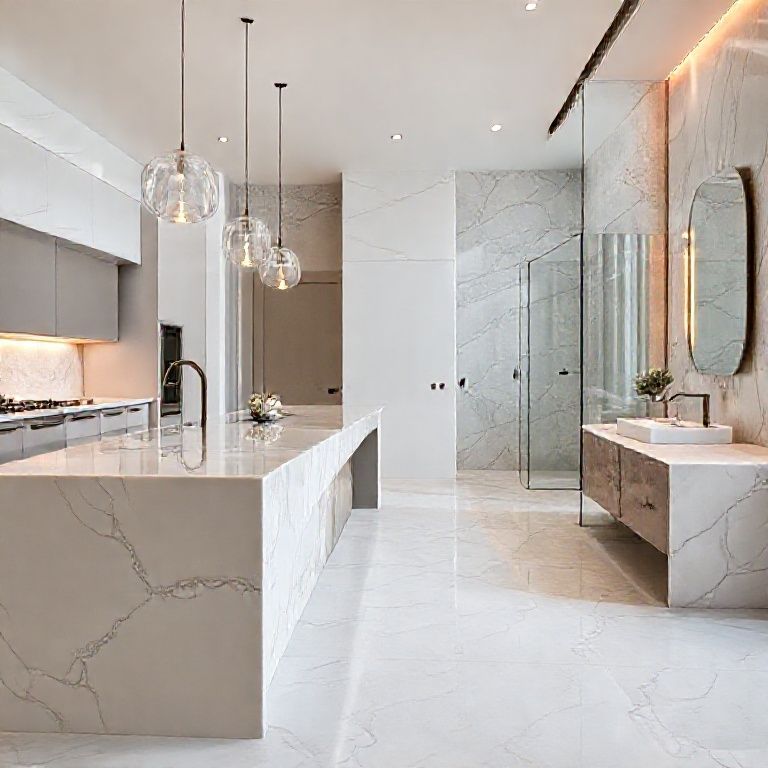
3. Protective Covers: Use cutting boards, trivets, and other protective covers when cooking to minimize direct contact with the countertop.
Restoring the Original Whiteness
1. Baking Soda and Water Paste: A simple yet effective method to tackle minor yellowing is using a baking soda and water paste. Mix baking soda with water to form a paste and apply it to the stained areas. Let it sit for a few minutes, then scrub gently with a soft cloth and rinse with water.
2. Vinegar and Water Solution: Vinegar is a natural cleaner that can help restore the shine of quartz. Mix equal parts of vinegar and water, apply to the countertop, and let it sit for a few minutes before wiping clean.
3. Commercial Cleaners: For a more potent solution, consider using commercial quartz countertop cleaners specifically designed for maintaining and restoring the surface. Always follow the manufacturer’s instructions to avoid damaging the quartz.
Preventive Measures
1. Use Coasters and Placemats: To protect your countertops from heat and spills, always use coasters under glasses and placemats under dishes.
2. Regular Maintenance: Incorporate regular maintenance into your cleaning routine to prevent build-up of stains and discoloration. Use mild cleaners and avoid harsh chemicals.
3. UV Protection: While quartz is resistant to UV rays, prolonged exposure to sunlight can still cause some fading over time. Consider using sheer curtains or UV-protective window films to minimize this effect.
By understanding the causes of yellowing and implementing effective cleaning and preventive strategies, you can ensure that your white quartz countertops remain a stunning focal point in your kitchen or bathroom. In the next part, we will explore more advanced techniques and professional services to restore your quartz countertops to their original brilliance.
Advanced Techniques and Professional Services for Restoring White Quartz Countertops
After understanding the causes and basic cleaning methods for yellowing in white quartz countertops, it’s time to delve into more advanced techniques and explore professional services that can bring back the dazzling whiteness of your countertops.
Deep Cleaning Techniques
1. Hydrogen Peroxide Solution: For tougher stains, a solution of hydrogen peroxide can be effective. Mix a few drops of hydrogen peroxide with water, apply it to the stained area, let it sit for a few minutes, then scrub gently with a non-abrasive cloth.
2. Lemon Juice and Salt: Lemon juice contains natural bleaching agents, and when combined with salt, it can help remove stubborn stains. Rub a lemon half over the stained area, sprinkle salt on it, and let it sit for a few minutes before scrubbing and rinsing.
3. Professional-Grade Cleaners: For a deep clean, consider using professional-grade cleaners that are formulated to restore the original sheen of quartz countertops. These products often contain advanced cleaning agents that can tackle tough stains without damaging the surface.
Advanced Polishing Methods
1. Polishing Compounds: Specially formulated polishing compounds can help to restore the shine of quartz countertops. Apply the compound to a clean cloth and gently polish the surface in a circular motion. Be sure to follow the manufacturer’s instructions for best results.
2. Diamond Polishing Pads: Diamond polishing pads are highly effective for restoring the shine of quartz. Attach the pad to a power buffer or use it manually with a polishing compound to achieve a brilliant finish.
Professional Restoration Services
1. Professional Cleaning and Polishing: Hiring a professional cleaning service can ensure that your quartz countertops are cleaned and polished to perfection. Professionals have the expertise and equipment to restore your countertops to their original whiteness without causing any damage.
2. Countertop Resurfacing: If the yellowing is severe, consider countertop resurfacing. This process involves sanding the surface to remove the discoloration and then applying a new layer of quartz material to restore the countertop’s appearance. Resurfacing is a more extensive solution but can bring your countertops back to life.
3. Custom Coatings: For added protection and a polished finish, custom coatings can be applied to your quartz countertops. These coatings form a protective layer that resists stains, spills, and discoloration, helping to maintain the pristine appearance of your countertops.
Maintaining the Shine of Your Countertops
1. Regular Inspections: Regularly inspect your countertops for any signs of staining or discoloration. Early intervention can prevent minor issues from becoming major problems.
2. Proper Storage: When storing cutting boards and other kitchen tools, use cutting boards and placemats to protect your countertops from direct contact.
3. Gentle Handling: Be gentle when placing hot pots and pans on the countertop to avoid thermal shock, which can cause cracks and discoloration.
Conclusion
White quartz countertops are a beautiful and durable choice for kitchens and bathrooms, but they require proper care to maintain their pristine appearance. By understanding the causes of yellowing and implementing both basic and advanced cleaning techniques, you can restore the original whiteness of your countertops. Additionally, professional cleaning and resurfacing services can provide a more thorough and long-lasting solution.
Regular maintenance, proper storage, and gentle handling are essential to keeping your quartz countertops looking their best. With the right care and attention, your white quartz countertops can remain a stunning centerpiece in your home for years to come.
By combining the insights from both parts, you can ensure that your white quartz countertops remain a pristine and beautiful feature in your home. Proper care and timely intervention are key to maintaining their dazzling whiteness and preventing yellowing.