Understanding Artificial Stone Countertops and Initial Cleaning
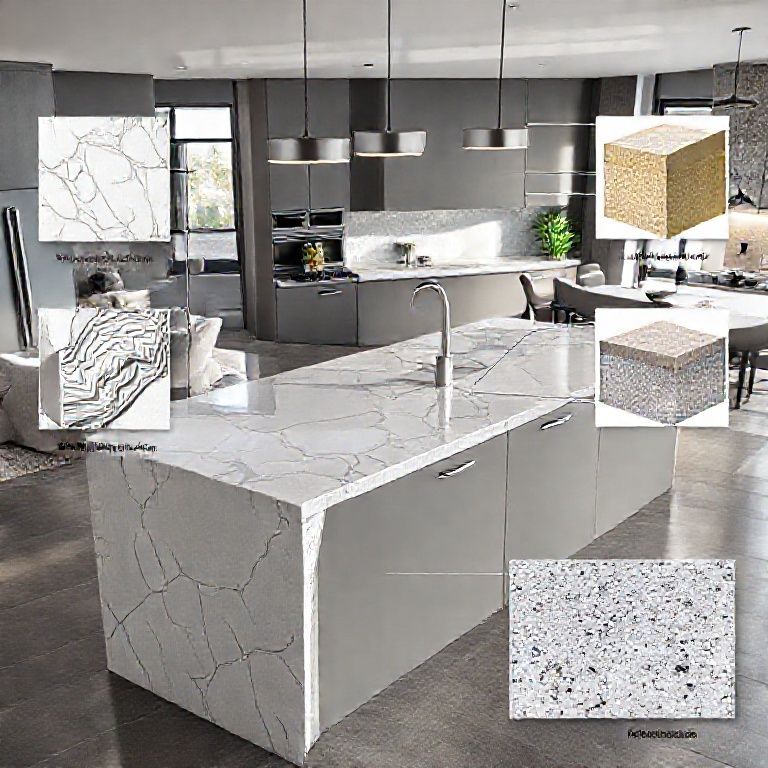
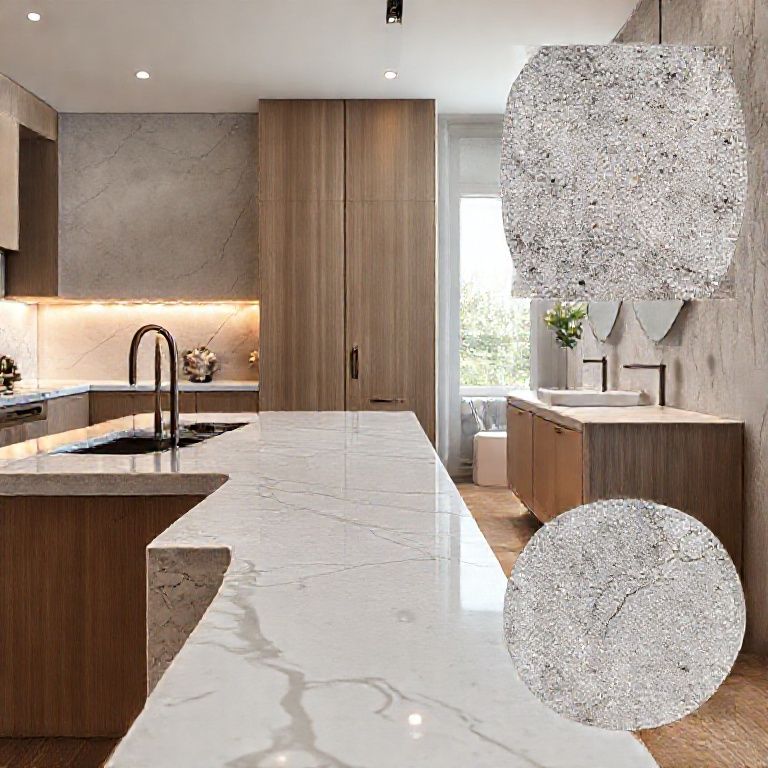
Artificial stone countertops, often made from a combination of minerals, resins, and pigments, offer a cost-effective and durable alternative to natural stone. They are popular for their resistance to scratches, stains, and high temperatures. Despite their durability, artificial stone can still suffer from whitening or dulling over time due to various factors such as exposure to acidic substances, cleaning agents, and general wear and tear.
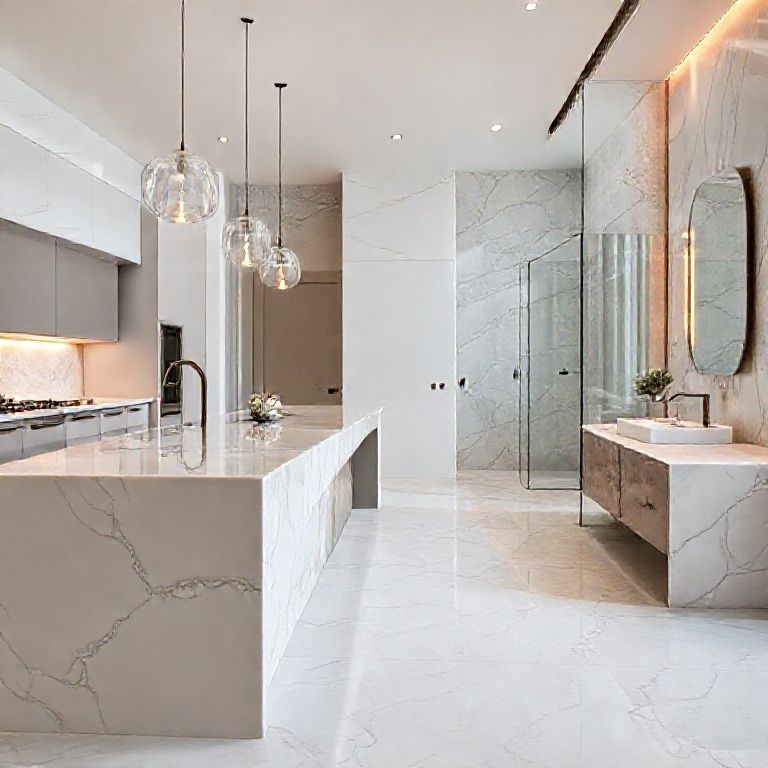
Understanding the Material
Artificial stone is a composite material designed to mimic the appearance of natural stone. It consists of a base material, often quartz or other minerals, combined with resins and pigments. This composite creates a hard, dense surface that is easy to maintain but can lose its luster with improper care.
Common Causes of Whitening
Acidic Substances: Exposure to acidic foods and beverages can cause the surface to dull and whiten. Aggressive Cleaning Products: Chemicals found in some cleaning agents can strip the protective layer of the countertop. Daily Wear and Tear: Normal usage can lead to surface micro-scratches that make the countertop appear dull.
Initial Cleaning and Preparation
Before attempting any polishing methods, it’s crucial to clean the countertop thoroughly to remove any surface grime and contaminants. Here’s how you can prepare your artificial stone countertop for polishing:
Remove Loose Debris: Use a soft-bristled brush or a microfiber cloth to remove any loose dirt, dust, or debris from the surface. Gentle Cleaning: Use a mild, pH-neutral cleaner and a soft cloth to wipe down the countertop. Avoid using harsh chemicals that could further damage the surface. Dry Thoroughly: Ensure the countertop is completely dry before proceeding with polishing. Moisture can interfere with the polishing process and reduce its effectiveness.
Tools You Will Need
To restore the shine of your artificial stone countertop, you’ll need the following tools:
pH-neutral cleaner Soft microfiber cloths Plastic scraper Fine-grit sandpaper (optional) Polishing compound Polishing machine or buffer Protective eyewear and gloves
Steps for Initial Cleaning:
Wipe Down: Start by wiping the entire surface of the countertop with a microfiber cloth dampened with pH-neutral cleaner. Scrubbing: Use a soft-bristled brush to scrub any stubborn spots or stains gently. Rinse and Dry: Rinse the cloth frequently to avoid spreading dirt around. Once cleaned, dry the surface thoroughly with a clean, dry microfiber cloth.

Conclusion
Proper cleaning and preparation are crucial steps before attempting to polish your artificial stone countertop. By understanding the material, addressing common causes of whitening, and using the right cleaning techniques, you set the foundation for a successful restoration process. In the next part of this article, we will delve deeper into the specific polishing techniques and step-by-step methods to restore your artificial stone countertop to its former glory.
Advanced Polishing Techniques for Artificial Stone Countertops
After thoroughly cleaning your artificial stone countertop, it’s time to move on to the polishing process. This step is crucial for bringing back the original shine and removing any whitening or dulling caused by everyday use and exposure to various substances.
Assessing the Damage
Before starting the polishing process, it’s important to assess the extent of the whitening or dulling. This will help you determine the most appropriate polishing method to use.

Surface Micro-Scratches: If there are minor scratches or spots causing whitening, a simple polishing process should suffice. Deeper Scratches: For deeper scratches or significant whitening, you might need a more intensive resurfacing method.
Polishing Techniques
Using a Polishing Compound
A polishing compound is designed to remove surface imperfections and restore shine. Here’s how to use it effectively:
Apply Compound: Using a clean cloth, apply a small amount of polishing compound to a small section of the countertop. Buffing: Using a polishing machine or buffer, gently buff the area in a circular motion. Start with a low speed and gradually increase as needed. Check Progress: Periodically check the progress by wiping away the residue with a clean cloth and observing the shine. Repeat: Continue this process until the entire surface is polished and the whitening is no longer visible. Resurfacing with Fine-Grit Sandpaper (Optional)
For more severe whitening or deeper scratches, fine-grit sandpaper can be used to smooth out the surface before polishing.
Sanding: Start with a very fine-grit sandpaper (around 600-800 grit) and gently sand the affected areas in a circular motion. Be careful not to apply too much pressure. Wash Off: After sanding, wash off the surface with a pH-neutral cleaner and dry thoroughly. Polish: Follow up with the polishing compound and buffing process as described above. Using a Two-Step Polishing Process
For a more thorough restoration, consider using a two-step polishing process:
First Polish: Start with a coarse polishing compound to remove deeper scratches and whitening. Buff the countertop using a polishing machine or buffer. Second Polish: Once the first polish is complete, use a finer polishing compound to smooth out the surface and enhance the shine. Buff again with the machine or buffer.
Polishing Tips and Tricks
Work in Small Sections: Focus on small sections at a time to ensure even polishing and to avoid overworking any area. Use Gentle Pressure: Avoid applying too much pressure when polishing. This will prevent any potential damage to the countertop. Regular Maintenance: To maintain the shine of your artificial stone countertop, clean it regularly using mild, pH-neutral cleaners and avoid harsh chemicals.
Final Touches and Maintenance
After polishing, it’s essential to protect your countertop to maintain its restored shine.
Apply a Sealer: A countertop sealer can provide an extra layer of protection against stains and whitening. Follow the manufacturer’s instructions for application. Regular Cleaning: Continue to clean your countertop regularly using mild, pH-neutral cleaners to prevent future whitening and maintain its appearance. Avoiding Damage: Be mindful of placing hot pots or pans directly on the surface, as this can cause discoloration. Use trivets or pot holders.
Conclusion
Restoring the shine of your artificial stone countertop involves careful preparation, the right polishing techniques, and ongoing maintenance. By following the steps outlined in this guide, you can revitalize your countertop, making it look as good as new. Remember, regular care and cleaning are key to maintaining the beauty and durability of your artificial stone surface. In the future, these methods will ensure that your countertop remains a stunning focal point in your kitchen or bathroom for years to come.
By following these detailed steps, you can effectively polish and restore the beauty of your artificial stone countertops, ensuring they remain a durable and attractive addition to your home.