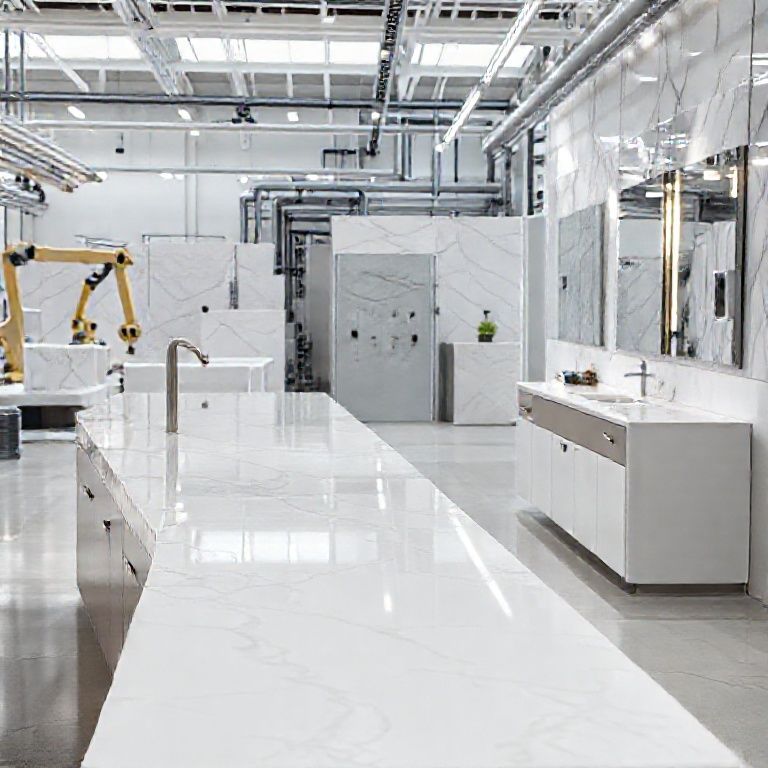
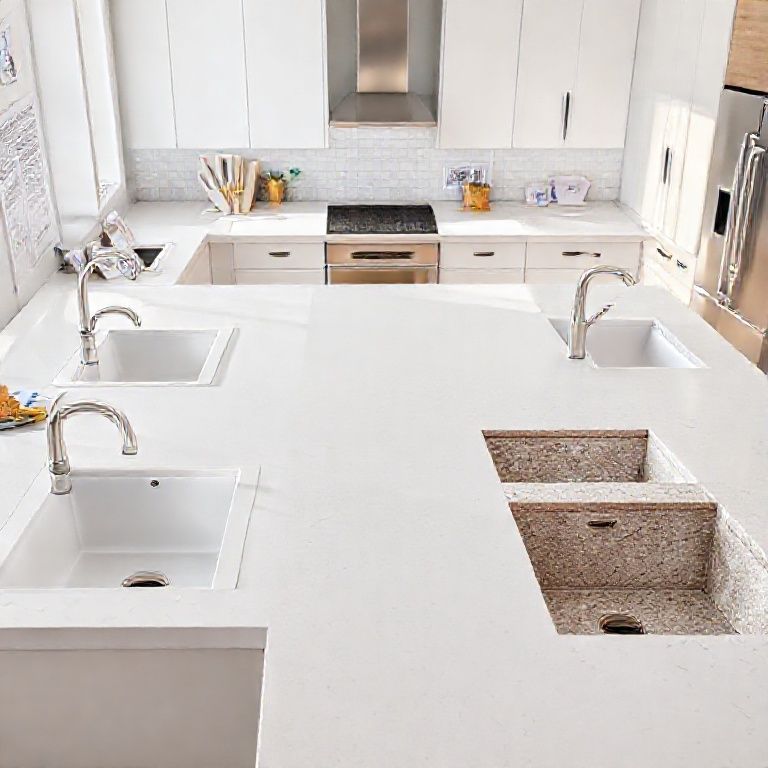
In the fast-paced world of modern kitchen design, artificial stone countertops have emerged as a popular choice for their durability, aesthetic appeal, and relatively low maintenance. However, despite their robust nature, artificial stone countertops are not immune to wear and tear. Over time, they may develop scratches, chips, stains, or even surface discoloration. Fear not, as this comprehensive guide will walk you through everything you need to know to restore your artificial stone countertops to their former glory. In this first part, we will cover the common issues faced by artificial stone countertops, essential preparation steps, and the foundational techniques for effective restoration.
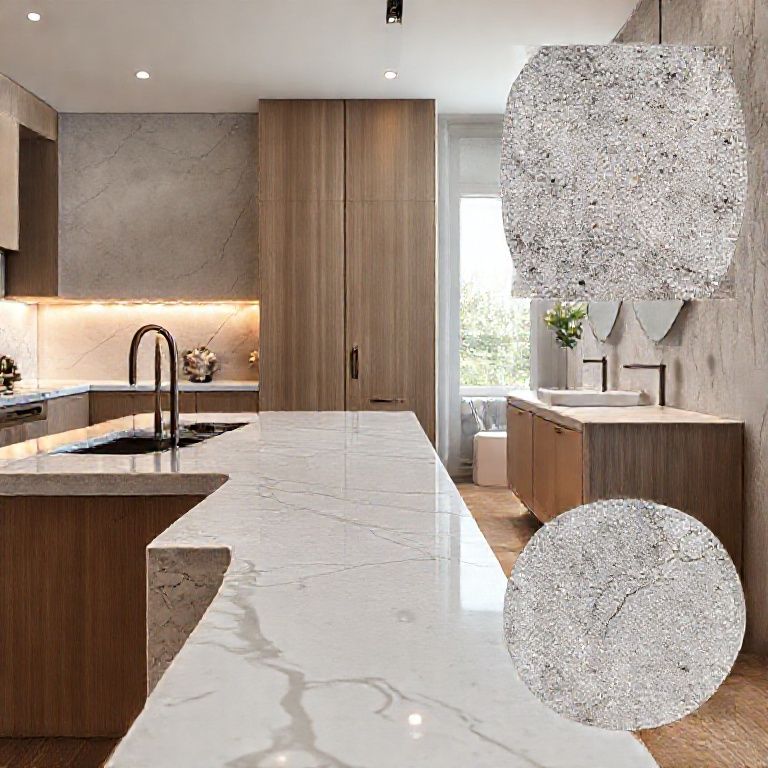
Common Issues with Artificial Stone Countertops
Artificial stone countertops are designed to withstand everyday wear and tear, but they are not invincible. Here are some of the common issues you might encounter:
Scratches and Chips: Despite their durability, artificial stone can develop minor scratches and chips due to daily use. Sharp objects or heavy items can leave marks that detract from the countertop’s pristine look.
Stains: Spills and spills from food, drinks, and cleaning agents can lead to stains on the surface. Common culprits include coffee, tea, juice, and even household cleaning products.
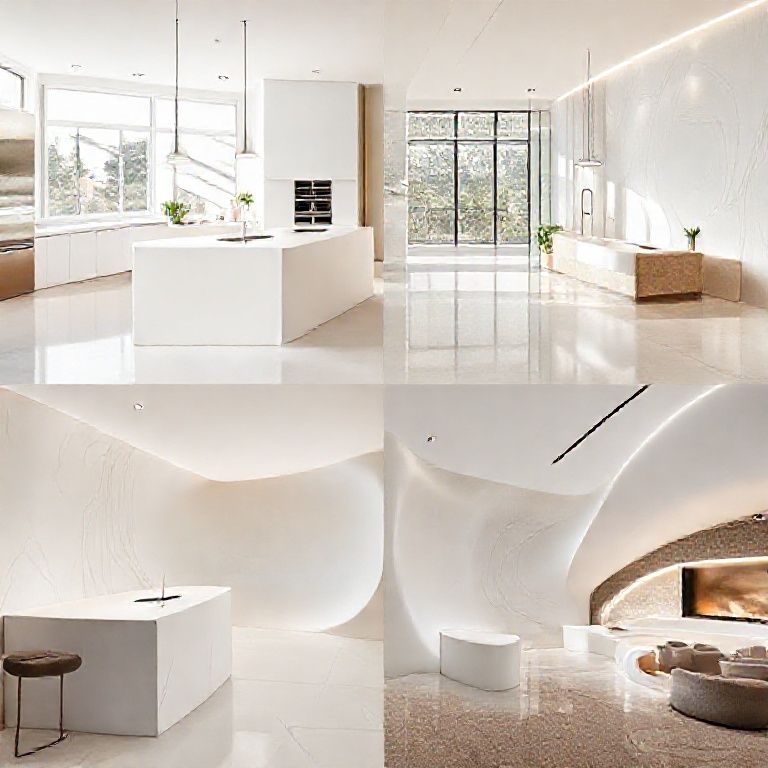
Surface Discoloration: Exposure to certain chemicals can cause the stone surface to discolor or dull over time.
Cracks: Though less common, cracks can occur due to impact or improper installation.
Preparation for Restoration
Before diving into the restoration process, it’s essential to prepare your countertop properly. Here’s a step-by-step guide to ensure you’re ready for a successful restoration:
Clean the Surface: Start by thoroughly cleaning the countertop with a mild detergent and water. Avoid using harsh chemicals as they can damage the surface. Dry the countertop completely to remove any moisture.

Inspect the Countertop: Examine the countertop for any cracks, chips, or deep scratches. Identifying the extent of the damage will help you choose the appropriate restoration method.
Gather Necessary Tools and Materials: To restore your artificial stone countertop, you will need:
Fine-grit sandpaper (240-400 grit) Polishing compounds and pads Microfiber cloths Safety goggles and gloves A buffer or rotary tool Cleaning solution suitable for artificial stone
Restoration Techniques for Minor Issues
For minor scratches, chips, and superficial stains, the following techniques can bring your artificial stone countertop back to life:

Sanding: For minor scratches and chips, use fine-grit sandpaper to gently smooth out the affected areas. Start with a 240-grit sandpaper and gradually move to a 400-grit for a finer finish. Always sand in the direction of the grain to avoid creating more scratches.
Polishing: After sanding, use a polishing compound with a microfiber cloth or a rotary tool to buff the surface. This will help restore the shine and smooth out any remaining imperfections. Be sure to follow the manufacturer’s instructions for the polishing compound to avoid damaging the surface.
Stain Removal: For superficial stains, create a mild cleaning solution using water and a small amount of dish soap. Gently scrub the stained area with a soft cloth and rinse thoroughly. For tougher stains, consider using a specialized cleaner designed for artificial stone surfaces.
Preventive Measures
Preventing damage to your artificial stone countertops is just as important as restoring them. Here are some tips to keep your countertop looking its best:
Use Cutting Boards: Always use a cutting board when preparing food to prevent sharp knives from scratching the surface.
Place Coasters: Use coasters under drinks to prevent moisture and stains from forming on the countertop.
Clean Spills Immediately: Wipe up spills immediately to prevent stains from setting in.
Avoid Harsh Chemicals: Use mild cleaning solutions and avoid harsh chemicals or abrasive cleaners that can damage the surface.
Conclusion
Restoring artificial stone countertops is a manageable DIY project if you approach it with the right tools, techniques, and knowledge. By understanding the common issues, properly preparing your countertop, and using the right restoration methods, you can breathe new life into your kitchen. In the next part of this guide, we will delve deeper into more advanced restoration techniques, including how to handle deeper scratches and structural damage. Stay tuned for expert tips on bringing your artificial stone countertops back to their original beauty!
In the previous part, we covered the basics of restoring artificial stone countertops, including common issues, preparation steps, and foundational techniques for minor repairs. Now, it’s time to tackle more advanced issues such as deep scratches, structural damage, and extensive stains. This second part will provide you with detailed, step-by-step guidance on using specialized tools and professional-grade products to bring your countertops back to their original beauty.
Advanced Restoration Techniques
Deep Scratch Repair
Deep scratches can be challenging to repair but are manageable with the right approach:
Assess the Damage: Identify the depth and length of the scratch. For deep scratches, sanding alone may not be sufficient.
Grinding: Use a diamond grinding tool attached to a rotary tool to gently remove the scratch. Start with a coarse grit and gradually move to finer grits to smooth out the scratch.
Filler Application: After grinding, apply a stone filler or countertop repair compound to the scratched area. Follow the manufacturer’s instructions for application and curing time.
Polishing: Once the filler has cured, use a polishing compound and a buffer or rotary tool to smooth out the filler and restore the surface shine.
Repairing Structural Damage
Structural damage such as cracks or chips can compromise the integrity of your countertop. Here’s how to address it:
Clean the Area: Thoroughly clean the damaged area to remove any dust, debris, or residue.
Crack Repair: For small cracks, use a clear epoxy or stone repair filler. Apply the filler into the crack using a small brush, following the manufacturer’s instructions for drying and curing time.
Chip Repair: For chips, fill the affected area with a stone repair filler that matches the countertop color. Use a small brush to apply the filler and let it cure as per the instructions.
Surface Smoothing: After the filler has cured, use fine-grit sandpaper or a polishing compound to smooth out the repaired area and blend it with the surrounding surface.
Extensive Stain Removal
For extensive stains, a more thorough cleaning process is required:
Identify the Stain: Determine the type of stain and the appropriate cleaning solution. For instance, use a mild detergent for organic stains and a specialized cleaner for mineral-based stains.
Deep Cleaning: Apply the cleaning solution to the stained area using a soft cloth or sponge. Gently scrub the stain in a circular motion, avoiding excessive pressure that could scratch the surface.
Soaking: For persistent stains, soak the affected area in the cleaning solution for a few hours. This can help break down tough stains.
Rinse and Dry: Rinse the countertop thoroughly with water to remove any cleaning solution residue. Dry the area with a microfiber cloth to prevent water spots.
Specialized Tools and Products
To achieve professional-grade results, investing in specialized tools and products can make a significant difference. Here are some recommended items:
Diamond Grinding Tools: These tools are essential for removing deep scratches and smoothing out repaired areas.
Stone Fillers and Repair Compounds: Use high-quality stone fillers that match your countertop color for seamless repairs.
Polishing Compounds: Invest in a range of polishing compounds to match the type of artificial stone you have.
Rotary Tools: A rotary tool with various attachments can be incredibly versatile for grinding, filling, and polishing.
Microfiber Cloths: These are ideal for cleaning, drying, and polishing the countertop without scratching the surface.
Professional Tips for Long-Lasting Results
To ensure your restored countertops maintain their beauty for years to come, follow these professional tips:
Regular Maintenance: Regularly clean and maintain your countertops to prevent future damage. Use mild cleaners and avoid abrasive materials.
定期保养
定期对人造石台面进行保养不仅可以延长其使用寿命,还能保持其美观。每隔几个月可以用专门的人造石保养液对台面进行一次清洁和护理,以保持其光泽和防止污渍积累。
使用适当的清洁工具
使用适当的清洁工具和方法非常重要。避免使用钢丝球、刷子或其他可能会划伤台面的清洁工具。最好使用软布和温和的清洁剂来擦拭台面。
避免化学品
尽量避免在人造石台面上使用强碱性或强酸性的清洁剂。这些化学品可能会对台面造成损害。选择专门为人造石设计的清洁产品,以确保安全和效果。
及时处理溢出物
任何液体溢出物都应及时处理,特别是酸性或碱性液体。这些液体可能会在台面上留下污渍或者造成永久性损害。用干净的布迅速擦拭干净,然后用清水冲洗,最后用干布擦干。
防止热源接触
尽量避免让热锅、餐具直接接触台面。这些热源可能会导致台面上出现热斑。如果不能避免,可以在锅或餐具下放置锡纸或者烤盘,以减少热源直接接触台面的机会。
正确安装和维护
确保人造石台面在安装时由专业人员进行。不当的安装可能会导致台面松动或其他问题。定期检查台面的固定情况,确保没有松动或其他可能影响其稳定性的问题。
使用保护垫
在台面上进行烹饪或其他活动时,可以使用硅胶垫或其他保护垫来防止热源和重物直接接触台面。
定期检查
定期检查台面,特别是在烹饪区域,看是否有任何划痕或损坏。如果发现问题,及时采取修复措施。
通过遵循这些建议,你可以有效地保护和维护你的人造石台面,使其保持长久的美观和功能性。