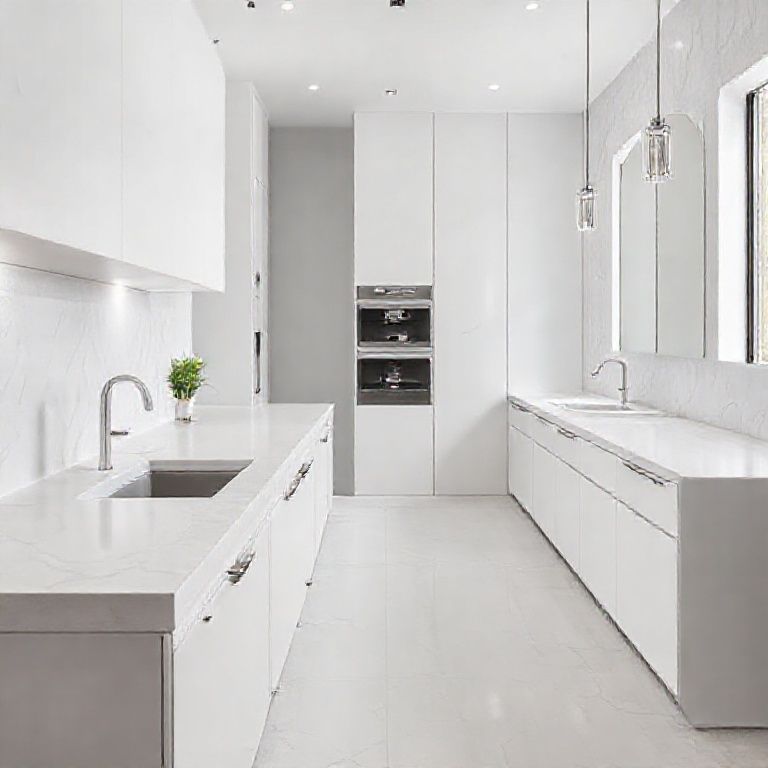
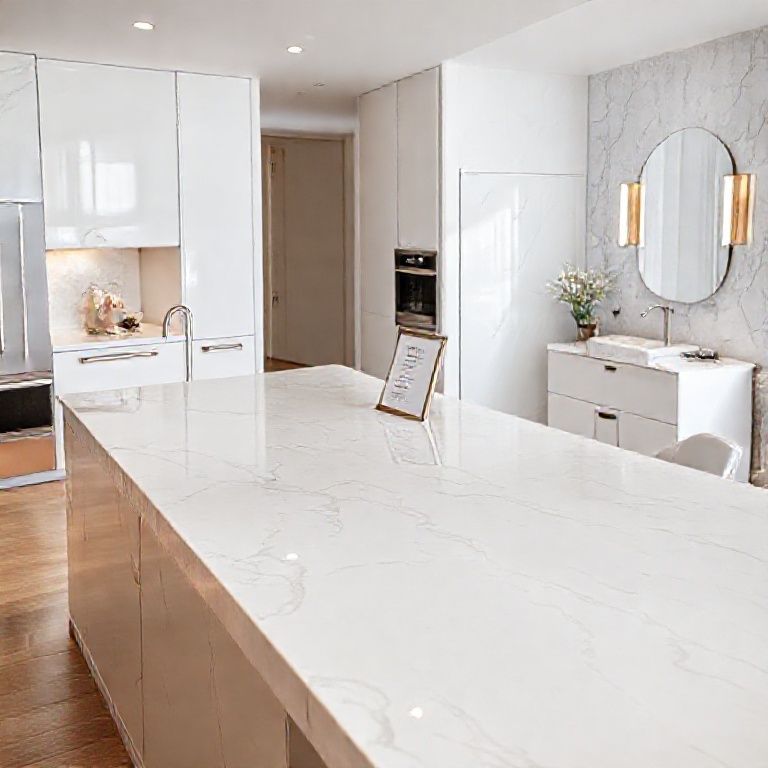
Is your once gleaming quartz countertop losing its sparkle? Discover effective, yet simple solutions to restore the beauty of your quartz surfaces and bring them back to their original glory. This comprehensive guide will provide you with all the necessary information to rejuvenate your quartz countertops without breaking the bank. Read on to learn how to tackle discoloration and restore the pristine look of your quartz surfaces.
quartz countertops, discoloration, restore, cleaning, maintenance, restoration, cleaning tips, countertop care, natural solutions, professional cleaning, DIY
Reviving Your Tarnished Quartz Countertops: A Comprehensive Guide
Quartz countertops have revolutionized kitchen design with their sleek, modern look and impressive durability. These surfaces are known for their low maintenance, resistance to stains, and long-lasting beauty. However, even the most resilient materials can develop discoloration over time, which can mar their pristine appearance. If your quartz countertop is experiencing discoloration, don’t despair. This guide will walk you through effective strategies to restore your quartz surface to its former glory.
Understanding Quartz Countertop Discoloration
Before diving into the restoration process, it’s essential to understand what causes discoloration in quartz countertops. Discoloration can occur due to various factors, including:
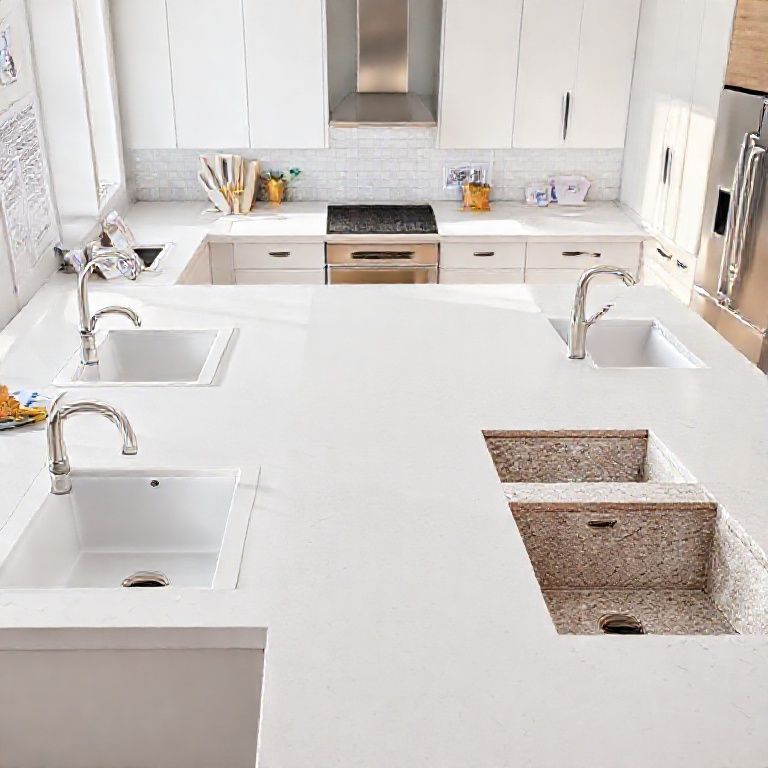
Stains from Cooking and Cleaning: Organic and inorganic stains from cooking spills, cleaning agents, and food particles can seep into the surface of the quartz, causing discoloration.
Chemical Exposure: Exposure to acidic or alkaline substances, such as lemon juice, vinegar, and certain cleaning agents, can lead to surface etching and discoloration.
Abrasive Cleaners: Using harsh, abrasive cleaners or scouring pads can scratch the surface, leading to discoloration and dullness.
Environmental Factors: Prolonged exposure to sunlight can cause fading or discoloration over time.
DIY Cleaning Solutions for Quartz Countertops
For minor discoloration, a good cleaning routine can often do wonders. Here are some effective, yet simple, cleaning solutions that can help restore the beauty of your quartz countertops:
Mild Dish Soap and Water: A simple mixture of mild dish soap and water is often sufficient to clean minor stains and spots. Dampen a soft cloth with the soapy water, and gently wipe the countertop. Rinse the cloth frequently to avoid spreading stains.
Baking Soda Paste: Baking soda is a natural, gentle abrasive that can help remove light stains. Mix a few tablespoons of baking soda with water to form a paste. Apply the paste to the stained area using a soft cloth, and gently rub in a circular motion. Rinse thoroughly with water.

Vinegar and Water Solution: Vinegar is a mild acid that can help remove light stains and surface etching. Mix equal parts of vinegar and water in a spray bottle, and lightly mist the countertop. Allow it to sit for a few minutes before wiping clean with a soft cloth.
White Vinegar and Baking Soda: For tougher stains, combine equal parts of white vinegar and baking soda to form a paste. Apply the paste to the stain and let it sit for 10-15 minutes before wiping clean. This method can help lift stubborn stains without damaging the surface.
Professional Cleaning Products: If the stains persist, consider using a professional cleaning product specifically designed for quartz surfaces. These products are formulated to clean without causing damage.
Preventative Measures for Quartz Countertops
Prevention is always better than cure. To keep your quartz countertops looking their best, follow these preventative measures:
Use Protective Pads: Always use cutting boards, potholders, and other items with protective pads when handling hot foods or cleaning products. This prevents scratches and stains from penetrating the surface.
Avoid Abrasive Cleaners: Refrain from using abrasive sponges or pads that can scratch the surface. Opt for soft cloths and gentle cleaning products.
Neutralize Spills Immediately: Clean up spills immediately to prevent stains from setting in. Use a soft cloth with a mild soap and water solution.
Regular Maintenance: Establish a regular cleaning routine to keep your countertops looking pristine. Wipe down surfaces after each use to prevent buildup.
Use Coasters and Trivets: To protect your countertops from heat and liquid spills, use coasters, trivets, and heat-resistant pads under hot items.
By following these simple steps, you can keep your quartz countertops in excellent condition and avoid the need for more intensive restoration methods.
Reviving Your Tarnished Quartz Countertops: Advanced Restoration Techniques
While regular cleaning and maintenance can often prevent serious discoloration, sometimes the stains are more stubborn. In these cases, advanced restoration techniques may be required to bring your quartz countertops back to their original beauty. This part of the guide will explore more intensive methods for restoring severely discolored quartz surfaces.
Professional Restoration Services
For severe discoloration that cannot be removed with DIY methods, professional restoration services are often the best option. Professional cleaners have access to specialized equipment and products that can effectively rejuvenate quartz surfaces without causing damage. Here’s what to expect from a professional restoration service:
Assessment and Cleaning: The professional cleaner will first assess the extent of the discoloration. They will then use a combination of cleaning solutions and techniques tailored to your specific countertop to remove stains and restore the surface.
Surface Etching Removal: In cases of surface etching caused by acidic or alkaline substances, professional cleaners use specialized tools to remove the affected layer and smooth the surface.
Polishing and Buffing: After cleaning, the surface is polished and buffed to restore shine and remove any remaining scratches or discoloration. This process often includes the application of a protective coating to prevent future staining.
Sealing: To protect the restored surface, a professional sealer is applied. This protective layer helps to prevent future stains and etching, ensuring that your countertops remain beautiful and durable.
Natural Restoration Techniques
For those who prefer eco-friendly and natural solutions, there are advanced techniques that can be used at home to restore quartz countertops. Here are some natural methods that can be effective:
Hydrogen Peroxide and Baking Soda: Hydrogen peroxide is a natural bleaching agent that can help remove stains. Mix equal parts of hydrogen peroxide and baking soda to form a paste. Apply the paste to the discolored area, let it sit for 10-15 minutes, then wipe clean with a soft cloth.
Cornstarch and Water: Cornstarch can help remove light stains and surface etching. Mix cornstarch with water to form a paste. Apply the paste to the stained area, rub gently in a circular motion, and rinse thoroughly.
Activated Charcoal: Activated charcoal is a powerful absorbent that can help remove stains. Place activated charcoal in a small container and sprinkle it over the discolored area. Let it sit for several hours, then wipe clean with a soft cloth.
Natural Oils: Natural oils like coconut oil or olive oil can help restore the shine and remove light stains. Apply a small amount of oil to a soft cloth and gently rub it onto the countertop. Let it sit for a few minutes, then wipe clean.
Long-Term Maintenance for Quartz Countertops
To ensure that your quartz countertops remain pristine and free from discoloration, it’s essential to follow long-term maintenance practices. Here are some tips to help you keep your countertops looking their best:
Regular Cleaning: Establish a regular cleaning routine. Wipe down the countertops after each use with a mild soap and water solution to prevent buildup.
Avoid Heat and Liquid Spills: Use trivets, coasters, and heat-resistant pads to protect the surface from direct heat and liquid spills.
Use Coasters and Placemats: Place coasters and placemats under drinks and hot items to prevent staining and etching.
Immediate Cleanup: Clean up spills immediately to prevent stains from setting in. Use a soft cloth with a mild soap and water solution.
Avoid Abrasive Cleaners: Stick to non-abrasive cleaning tools and products to prevent scratches and discoloration.
Periodic Sealing: While quartz does not require traditional sealing, periodic applications of a high-quality protective coating can help maintain the surface’s shine and durability.
Conclusion
Restoring your quartz countertops doesn’t have to be a daunting task. With regular maintenance, effective cleaning solutions, and advanced restoration techniques, you can bring back the beauty and shine of your quartz surfaces. Whether you choose DIY methods or opt for professional services, there are plenty of options to help you achieve a pristine countertop.
Remember, prevention is always the best form of restoration. By following the tips outlined in this guide, you can keep your quartz countertops looking their best and prolong their life. With the right care and attention, your quartz countertops will remain a stunning focal point in your kitchen for years to come.