
The 2.2-Meter Kitchen Countertop: Maximizing Style and Functionality in Compact Spaces
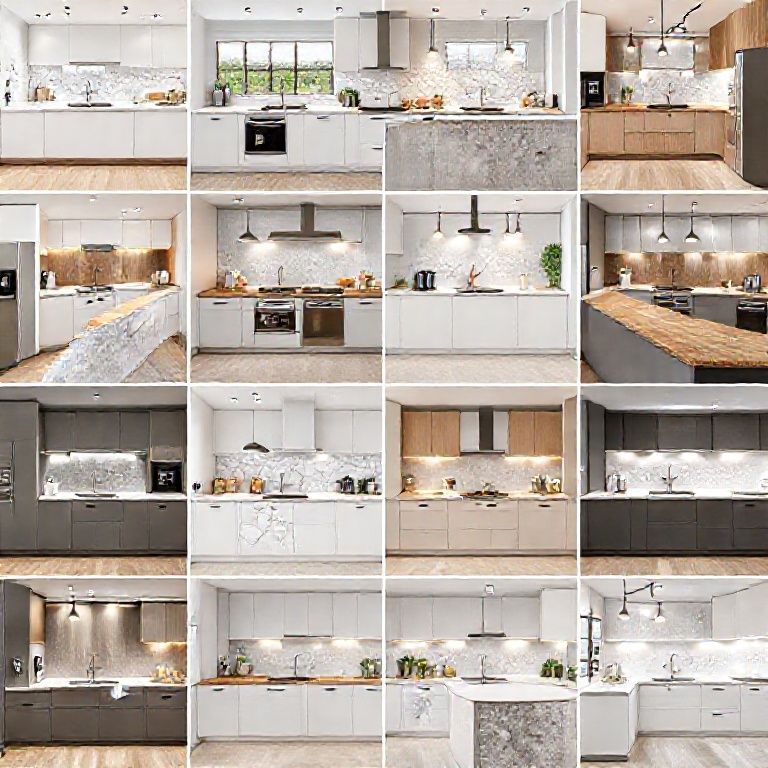
The kitchen, often hailed as the heart of the home, is where culinary creativity flourishes and cherished memories are made. However, for many, especially those residing in urban apartments or smaller homes, the dream kitchen often feels constrained by limited square footage. Enter the challenge of the 2.2-meter kitchen countertop – a seemingly modest expanse that, with clever design and a touch of ingenuity, can be transformed into a highly functional and aesthetically pleasing hub. This comprehensive guide, inspired by the vast collection of 2.2-meter kitchen countertop designs, aims to unlock the potential of these compact spaces, proving that size is no barrier to style and efficiency.

Understanding the constraints and opportunities presented by a 2.2-meter (approximately 7.2 feet) countertop is the first step. This length typically accommodates essential kitchen elements like a sink and a stovetop, leaving limited space for prep work. The key lies in optimizing every inch, employing smart storage solutions, and making strategic material and layout choices. We’ll delve into a spectrum of design philosophies, from minimalist chic to rustic charm, all tailored to the 2.2-meter canvas.
One of the most impactful decisions is the layout. For a 2.2-meter countertop, a linear or galley kitchen layout is often the most practical. A linear layout places all elements along a single wall, ideal for narrow spaces. Here, the sink, stovetop, and prep area are arranged sequentially. The challenge is to ensure adequate spacing between the cooking and washing zones to prevent a feeling of being cramped. For instance, if the sink is on one end and the stovetop on the other, the central section becomes your primary prep area. It’s crucial to consider the workflow: where do you wash ingredients? Where do you chop them? Where do they go to cook? A well-thought-out sequence minimizes unnecessary movement and maximizes efficiency.
In a galley kitchen, with two parallel countertops, a 2.2-meter section might represent one side. This offers more surface area but requires careful consideration of the walkway between the two counters. The distance should be sufficient for comfortable movement, typically at least 1.2 meters (around 4 feet), to avoid a feeling of being boxed in. Even with a galley layout, the 2.2-meter segment needs to be strategically planned. Perhaps it houses the sink and a small prep zone, while the opposite, potentially longer, counter houses the stovetop and more extensive prep space.
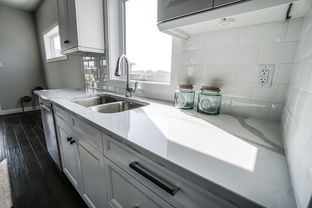
Material selection plays a pivotal role in both the aesthetics and functionality of a 2.2-meter countertop. For small kitchens, lighter-colored materials can make the space feel larger and more open. Quartz, with its non-porous surface, durability, and wide range of subtle patterns and colors, is an excellent choice. It’s also low maintenance, which is a huge plus in any kitchen. White, light grey, or subtle marble-effect quartz can reflect light and create an illusion of greater space.
Another popular and budget-friendly option is laminate. Modern laminate countertops come in an astonishing array of finishes, mimicking the look of natural stone, wood, or even concrete. For a 2.2-meter section, choosing a laminate with a subtle pattern can prevent it from looking too busy and overwhelming the limited space. The key is to select a design that complements the overall kitchen color scheme and style.
For those seeking a more natural aesthetic, solid wood countertops offer warmth and character. However, they require more maintenance, needing regular sealing to protect against moisture and stains. Butcher block style wood countertops can add a rustic touch and also serve as a functional prep surface. If opting for wood, consider lighter wood species like maple or birch to maintain an airy feel.
Granite, while beautiful and durable, can sometimes feel heavy in a small space, especially in darker hues. If you love granite, opt for lighter shades like Giallo Ornamental or Ubatuba, or consider a honed finish which is less reflective and can appear more subtle.
When it comes to the edge profile of your countertop, simpler is often better in a compact kitchen. A straight, square edge or a slightly eased edge will create clean lines and avoid visually cluttering the space. Avoid ornate or bulky edge profiles that can make the countertop appear thicker and more imposing.
The integration of the sink is another critical design element. A single-bowl sink is generally more space-efficient than a double-bowl sink in a 2.2-meter layout. Consider an undermount sink, where the countertop material appears to flow seamlessly over the sink’s edge. This creates a sleek, continuous surface that is easier to clean and visually expands the countertop space. Alternatively, a drop-in sink can be a more budget-friendly option, but ensure its design is streamlined and doesn’t add unnecessary bulk.
The placement of the sink and stovetop needs careful consideration to maximize the prep area. Ideally, you want a continuous stretch of countertop between the sink and the stovetop. This “work triangle” is fundamental to kitchen design, and while the classic triangle might be compressed in a 2.2-meter space, the principle of efficient flow remains. If possible, position the sink on one end and the stovetop on the other, leaving the central 2.2-meter expanse for your primary chopping and mixing. However, if space is exceptionally tight, you might need to place the sink directly next to the stovetop, necessitating careful planning for splatter and heat management.
Storage is paramount in any kitchen, but in a compact 2.2-meter setup, it becomes a non-negotiable focus. Think vertically. Utilize wall space above the countertop with floating shelves or wall-mounted cabinets. Open shelving can display attractive cookware and accessories, adding personality while keeping essentials within reach. For enclosed storage, consider slim-profile cabinets that don’t protrude excessively into the room. Deep drawers are more efficient than cabinets with shelves, as they provide easier access to items stored at the back. Within these drawers, implement organizers for cutlery, utensils, and spices.
Integrated storage solutions are also a game-changer. Consider a countertop with a built-in drainboard next to the sink, or a pull-out cutting board that slides out from under the countertop. These elements effectively extend your usable workspace when needed and disappear when not in use, maintaining a clean and uncluttered look. Even a small backsplash can be designed with integrated spice racks or utensil holders.
The backsplash itself offers an opportunity to enhance both style and function. A tiled backsplash can add color and texture, while a mirrored or glass backsplash can create a sense of depth and reflect light, making the kitchen feel more spacious. Consider a backsplash that extends up to the ceiling to draw the eye upwards and create a feeling of height.
Lighting is another often-overlooked aspect that can dramatically impact the perception of space. Ensure your 2.2-meter countertop is well-lit. Under-cabinet lighting is essential for illuminating the prep area, preventing shadows and making the space feel more inviting. General ambient lighting should be bright enough to make the entire kitchen feel welcoming. Pendant lights above a small island or peninsula (if your layout allows) can add a decorative element and provide task lighting.
Finally, embrace the power of decluttering. In a small kitchen, every item on the countertop is visible and contributes to the overall impression. Store appliances that aren’t used daily in cabinets or pantries. Keep only essential tools and decorative items on display. A tidy 2.2-meter countertop will always feel more spacious and inviting. By thoughtfully considering layout, materials, storage, and lighting, the seemingly restrictive 2.2-meter kitchen countertop can become a testament to smart, stylish, and highly functional design.
Continuing our exploration into the world of 2.2-meter kitchen countertops, we delve deeper into creative solutions and advanced design strategies that can elevate these compact spaces into culinary powerhouses. The essence of mastering a 2.2-meter design lies in its ability to balance aesthetic appeal with unparalleled utility, proving that even the most modest of kitchen footprints can accommodate a sophisticated and highly efficient workflow. This section will explore innovative storage, material interplay, and stylistic nuances that breathe life into tight culinary quarters.
One of the most ingenious ways to maximize the utility of a 2.2-meter countertop is through multi-functional elements. Think beyond the static surface. Consider incorporating a pull-out pantry or a slide-out work surface that can be discreetly tucked away when not in use. These elements effectively double your usable counter space for specific tasks without permanently consuming valuable real estate. For instance, a narrow, deep drawer beneath the stovetop could house frequently used spices and cooking utensils, keeping them within easy reach and off the main prep area. Similarly, a countertop extension that folds down from the wall or the side of a cabinet can provide a temporary perch for serving or additional prep.
The strategic placement of appliances is also crucial. In a 2.2-meter kitchen, larger, freestanding appliances can dominate the space. Opting for compact or integrated appliances can make a significant difference. A slimline dishwasher, a smaller induction cooktop, or a convection microwave oven that combines multiple functions can all contribute to a less cluttered and more streamlined appearance. If a full-sized oven is a must, consider a built-in model that seamlessly integrates into the cabinetry, creating a clean, uninterrupted line. For the refrigerator, a counter-depth model can prevent it from jutting out and disrupting the flow of the kitchen.
When it comes to materials, don’t shy away from playing with contrasts and textures, even within a confined space. While light colors generally promote a sense of spaciousness, a carefully placed accent of a darker or more textured material can add depth and visual interest. For example, a dark, honed granite backsplash could provide a dramatic contrast to a light quartz countertop, drawing the eye upwards and creating a focal point. Alternatively, incorporating a small section of butcher block within a quartz or laminate countertop can offer a dedicated, warmer prep zone with a touch of rustic charm. This can be particularly effective near the sink for tasks like chopping vegetables or preparing dough.
The concept of “visual weight” is also important. In a 2.2-meter kitchen, avoid elements that appear too heavy or dominant. This applies to cabinet fronts, appliance finishes, and even the thickness of the countertop itself. Opt for sleek, handle-less cabinet doors, or minimalist hardware. A thinner profile countertop, when possible, can contribute to a more airy and contemporary feel. For the backsplash, consider materials like glass tiles, large format porcelain tiles, or even a continuous slab of the same material as the countertop. These choices create a seamless look and minimize visual breaks, which can make a small space feel more expansive.
Let’s talk about the sink again, as its impact on a 2.2-meter countertop is profound. Beyond single bowls and undermount installations, consider specialized sinks designed for compact kitchens. A workstation sink, for example, often comes with integrated accessories like cutting boards, colanders, and drying racks that sit within the sink basin. This effectively transforms your sink into a multi-functional prep station, reclaiming valuable countertop real estate. Imagine chopping vegetables directly over the sink, then sliding them into a colander – all without leaving the immediate vicinity of the water source.
Another creative approach to maximizing space is the use of open shelving, but with a strategic twist. Instead of just placing items haphazardly, curate your open shelves. Use attractive containers for dry goods, display your most aesthetically pleasing cookware, and arrange them artfully. This turns storage into a decorative element. For items that are less visually appealing, consider concealed storage within closed cabinets or drawers. The goal is to create a balance between open displays that add personality and closed storage that maintains a sense of order.
Backsplashes can offer more than just protection from splashes; they can be dynamic storage and design features. Consider a magnetic backsplash for knives and utensils, or a backsplash with integrated shelving for spices and small jars. If your 2.2-meter countertop is adjacent to a wall, even a small section of wall space can be transformed into a vertical herb garden, adding a touch of green and fresh ingredients right at your fingertips.
Lighting plays a crucial role in defining the mood and functionality of any kitchen, and in a 2.2-meter space, it’s an opportunity to enhance perceived spaciousness. Beyond the essential under-cabinet lighting, consider task lighting directly above key prep areas. If you have a small peninsula or an overhang for seating, pendant lights can add both a decorative touch and focused illumination. Dimmers are your best friend, allowing you to adjust the ambiance from bright and functional for cooking to soft and intimate for casual dining.
The color palette of your 2.2-meter kitchen is paramount. While light, neutral colors are a safe bet for maximizing perceived space, don’t be afraid to introduce a subtle accent color. This could be through the backsplash tiles, a painted accent wall, or even through vibrant accessories like colorful canisters or tea towels. The key is to keep the dominant colors light and airy, using accents sparingly to add personality without overwhelming the senses.
Finally, the intangible aspect of “flow” is what truly defines a successful 2.2-meter kitchen design. This refers to how effortlessly you can move around the space and perform tasks. It’s about minimizing obstructions, maximizing accessible storage, and ensuring that your most frequently used items are within easy reach. A well-designed 2.2-meter kitchen countertop, therefore, is not just about the physical dimensions, but about the intelligent orchestration of elements to create a harmonious and highly efficient culinary environment. By embracing creativity, smart storage, and thoughtful material choices, even the most compact of kitchens can become a source of pride and a joy to cook in.









