
The allure of a spacious kitchen is undeniable. We dream of sprawling countertops, vast islands, and enough room to host a culinary party for twenty. But for many of us, reality presents a different, more intimate scenario: the 2.5-meter kitchen. This compact space, often found in apartments, urban dwellings, or smaller homes, can initially feel like a significant design challenge. However, far from being a limitation, a 2.5-meter kitchen presents a unique opportunity to exercise creativity, embrace efficiency, and curate a truly personalized and stylish cooking environment. The key lies in understanding how to maximize every inch, employ smart storage solutions, and make conscious aesthetic choices that create an illusion of space.

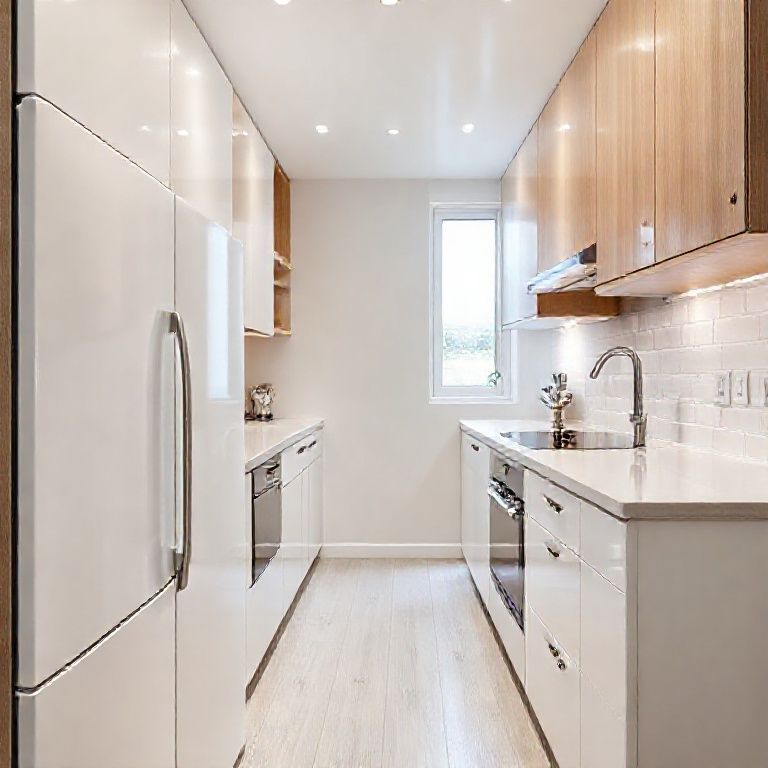
At its core, designing a successful 2.5-meter kitchen is about intelligent layout and efficient workflow. The most common and often most effective layout for such a confined space is the galley kitchen. This design features two parallel walls with cabinetry and appliances, or one wall with cabinetry and appliances against another wall that may house a compact dining area or simply be left open. For a 2.5-meter width, this translates to roughly 1.25 meters of usable space between the opposing runs of cabinetry, which is ample for comfortable movement, provided the depths of the cabinets are standard (around 60cm each). The goal here is to create a seamless “work triangle” – the conceptual space between the sink, refrigerator, and stovetop – that minimizes steps and maximizes productivity.
One of the most impactful strategies for a 2.5-meter kitchen is to go vertical. Think upwards! Instead of relying on deep, cumbersome base cabinets that eat into precious floor space, invest in tall, streamlined wall cabinets that reach all the way to the ceiling. This dramatically increases your storage capacity for less frequently used items, seasonal ingredients, or extra dishes. Consider open shelving on some sections of the upper wall. This can create a sense of airiness and display your favorite cookware or decorative pieces, adding personality without the visual weight of solid cabinet doors. For a cohesive look, opt for handleless cabinets or minimalist hardware that blends seamlessly with the cabinet fronts.
The choice of materials and finishes plays a pivotal role in how spacious a small kitchen feels. Light colors are your best friend. Think crisp whites, soft grays, pale blues, or subtle pastels for your cabinets, countertops, and backsplash. These hues reflect light, making the space appear larger and more open. A high-gloss finish on cabinetry or tiles can also enhance this effect by bouncing light around the room. Conversely, dark or overly busy patterns can make a small kitchen feel cramped and claustrophobic. When it comes to countertops, consider materials that are both durable and visually light. Quartz, solid surface materials, or even a well-sealed laminate in a light, neutral tone can be excellent choices.
Appliances are another area where smart choices are paramount. Opt for compact, integrated appliances wherever possible. A slimline dishwasher, a smaller refrigerator (perhaps a counter-depth model), and a two-burner induction hob can significantly save space without compromising functionality. Induction hobs, in particular, offer a sleek, modern aesthetic and are incredibly efficient. Consider multi-functional appliances too, like a convection microwave oven that can perform the duties of both. When selecting your refrigerator, think about its placement. Integrating it into the cabinetry can create a more seamless look and prevent it from dominating the space.
Lighting is often overlooked in small kitchen design, yet it’s a crucial element. A well-lit kitchen will always feel larger and more inviting. Layer your lighting strategy. Start with a good ambient light source, such as recessed ceiling lights, to illuminate the entire space. Then, add task lighting directly above your work surfaces, such as under-cabinet LED strips or sleek pendant lights over the main prep area. Accent lighting, perhaps in a display cabinet, can add warmth and depth. Natural light is also a precious commodity in a small kitchen. Keep window treatments minimal and opt for light-filtering blinds or sheer curtains if privacy is a concern.
Storage, as mentioned, is key. Beyond vertical storage, think about clever internal solutions. Drawer organizers, pull-out shelves, corner carousel units, and spice racks that fit inside cabinet doors can transform seemingly small cabinets into highly efficient storage hubs. For the sink area, consider a deep sink with a cutting board that fits over it, effectively adding to your prep surface. A wall-mounted pot rack can free up cabinet space and add a decorative touch. Even the space above the refrigerator can be utilized for storing seldom-used items. The goal is to have a place for everything, keeping countertops as clear and uncluttered as possible. An uncluttered countertop is the quickest way to make a small kitchen feel bigger.
The 2.5-meter kitchen is not about sacrifice; it’s about thoughtful curation. It’s about recognizing the inherent beauty in efficiency and the elegance of simplicity. It’s about creating a space that is not just functional but also a joy to inhabit. By focusing on layout, verticality, light colors, smart appliances, and ingenious storage, you can transform your compact kitchen into a culinary command center that punches well above its weight in style and usability. The next part will delve deeper into specific design elements, aesthetic considerations, and how to make your small kitchen a true reflection of your personal style.
Continuing our exploration of the 2.5-meter kitchen, we now shift our focus to the finer details that elevate a functional space into a truly inspiring one. Having established the foundational principles of layout, verticality, and smart storage, we can now delve into aesthetic choices, material selections, and innovative solutions that further enhance the perceived spaciousness and personality of your compact culinary domain. The goal is to create a harmonious environment where every element serves a purpose, both visually and practically.
Let’s talk about the backsplash. This often-overlooked area can be a powerful design tool in a small kitchen. For a 2.5-meter space, a large-format tile in a light color can work wonders. These tiles have fewer grout lines, which can make the wall appear more expansive. A glossy finish will further enhance the reflection of light. Alternatively, a mirrored backsplash can create a dramatic illusion of depth, making the kitchen feel significantly larger. If you prefer something with a bit more personality, consider a subtle mosaic in a neutral palette or a subway tile laid in a classic brick pattern. The key is to avoid overly busy patterns or dark colors that can visually shrink the space.
The floor is another canvas for creating a sense of openness. Light-colored flooring, such as pale wood-look laminate, light gray LVT (Luxury Vinyl Tile), or even polished concrete in a light shade, can significantly contribute to the overall airy feel of the kitchen. Large tiles with minimal grout lines will also create a more seamless and expansive look. Avoid small, busy patterns or dark, heavy flooring which can make the floor space feel confined. Consider the flow from adjacent rooms. If possible, using the same flooring material in the kitchen and the adjoining living or dining area can create a continuous visual line, making both spaces feel larger.
When it comes to cabinetry, the style of doors and the hardware can make a world of difference. Shaker-style cabinets offer a timeless appeal and, in lighter colors, work exceptionally well in small kitchens. For a more contemporary feel, consider flat-panel or slab doors. As mentioned earlier, handleless cabinets, often achieved with push-to-open mechanisms or integrated finger pulls, contribute to a sleek, minimalist aesthetic that minimizes visual clutter and enhances the sense of spaciousness. If you do opt for hardware, choose slim, elegant pulls or knobs in finishes like brushed nickel, chrome, or matte black that complement your overall color scheme without being overpowering.
The integration of a dining area within a 2.5-meter kitchen requires careful consideration. If space allows, a small, wall-mounted drop-leaf table can be invaluable. It can be folded down when not in use, freeing up floor space, and easily extended when needed for meals or extra prep surface. Alternatively, a narrow counter extension from your main cabinetry can serve as a breakfast bar with a couple of sleek stools that can be tucked away neatly. Consider banquette seating against a wall; this can be a space-saving and cozy option, and the space underneath can often be utilized for hidden storage.
The choice of sink and faucet can also contribute to the overall aesthetic and functionality. A single-basin sink is often more practical in a small kitchen than a double basin, as it offers more uninterrupted space for washing larger pots and pans. A undermount sink can create a cleaner, more streamlined look, making it easier to wipe crumbs directly from the countertop into the sink. For the faucet, a pull-down or pull-out sprayer is a highly functional choice, allowing for easier cleaning of the sink and surrounding areas.
Don’t underestimate the power of accessories and decor. In a small kitchen, less is often more. Choose a few key decorative items that add personality without creating clutter. A stylish fruit bowl, a well-chosen piece of art, or a set of attractive canisters can add warmth and character. Plants can also bring life to a small space, provided they are kept within a manageable size and don’t obstruct workflow. Keep your countertops as clear as possible by storing items away in cabinets and drawers. Visible clutter is the enemy of a spacious-feeling small kitchen.
Consider the illusion of depth. Mirrors, as mentioned for the backsplash, are fantastic for this. Even a well-placed decorative mirror on a wall can create a sense of a larger space. Strategic lighting can also create the illusion of depth. For instance, uplighting in cabinets can draw the eye upwards, making the ceiling feel higher.
Finally, the 2.5-meter kitchen is a testament to the idea that good design isn’t about the size of the space, but the intelligence of its execution. It’s about embracing constraints as opportunities for innovation. By meticulously planning your layout, maximizing vertical storage, choosing light and reflective finishes, opting for compact and integrated appliances, and paying attention to every detail, you can create a kitchen that is not only highly functional but also a beautiful and inspiring heart of your home. It proves that even the smallest of footprints can hold the biggest of dreams, and the most stylish of culinary adventures.









