
When embarking on a home renovation, the kitchen and bathroom often take center stage. These are the spaces where functionality meets aesthetics, and where the choices you make can significantly impact both the look and feel of your home. Among the myriad of decisions, selecting the right countertop material is paramount. It’s not just a surface; it’s a workhorse, a style statement, and an investment. Today, we’re diving deep into a comparison of two popular options: acrylic and solid surface. While they might sound similar and share some appealing characteristics, understanding their fundamental differences is key to unlocking the perfect fit for your vision.

Let’s start by getting acquainted with acrylic. Think of it as the chameleon of countertop materials, known for its remarkable versatility and often budget-friendly nature. Acrylic is a synthetic material, a type of plastic that can be molded into virtually any shape or color. Its manufacturing process allows for a seamless, non-porous finish, which is a significant advantage in terms of hygiene and maintenance. You’ll often find acrylic surfaces boasting a smooth, almost liquid-like appearance, a testament to its ability to be thermoformed – meaning it can be heated and bent into curves and complex designs. This makes it a dream material for those seeking unique, flowing kitchen islands or bespoke bathroom vanities.
Visually, acrylic often presents with a bright, sometimes glossy finish that can lend a modern or even futuristic feel to a space. It’s available in an astonishing array of colors, from vibrant, eye-catching hues to subtle, muted tones. You can even find acrylics that mimic the look of other materials, though they typically lack the depth and texture of their natural counterparts. Imagine a sleek, minimalist kitchen where the countertop seems to melt into the cabinetry, or a bathroom featuring a custom-molded sink that’s an integral part of the vanity. This seamless integration is one of acrylic’s superpowers, eliminating grout lines and crevices where dirt and bacteria can hide.
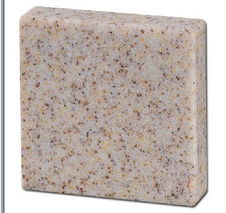
The non-porous nature of acrylic also means it’s highly resistant to stains. Spills of wine, coffee, or juice are generally no match for its surface, and a quick wipe-down is usually all that’s needed to keep it looking pristine. This ease of cleaning is a major draw for busy households and anyone who values low-maintenance living. Furthermore, acrylic is relatively lightweight compared to stone alternatives, which can sometimes translate to easier installation and potentially lower labor costs.
However, like any material, acrylic has its quirks. While resistant to stains, it can be susceptible to scratches. Because it’s a softer material than stone, sharp knives or abrasive cleaning pads can leave their mark. The good news here is that minor scratches can often be buffed out or repaired, especially given its homogenous color throughout. This reparability is a significant plus, as it means your acrylic countertops can potentially have a longer lifespan with proper care.
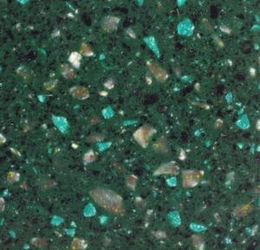
Now, let’s shift our focus to solid surface. Often confused with acrylic due to their similar non-porous properties and seamless appearance, solid surface countertops are typically made from a blend of acrylic and polyester resins, along with mineral fillers. This composition gives solid surface a different character and performance profile compared to pure acrylic. While it shares the benefit of being non-porous and thus stain-resistant and hygienic, its aesthetic and durability can differ.
The visual appeal of solid surface can range widely. Some solid surface materials are designed to emulate the look of natural stone, offering subtle veining and speckled patterns that can add a touch of elegance and sophistication. Others come in solid, uniform colors, much like acrylic, providing a clean and contemporary look. The key difference often lies in the depth and realism of these patterns. While acrylic might mimic a granite look, a solid surface designed to resemble granite might offer a more convincing visual texture.
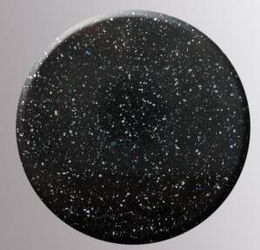
One of the defining characteristics of solid surface is its repairability. Similar to acrylic, it can be sanded and refinished to remove scratches and minor damage, extending its lifespan. This is a crucial consideration for many homeowners who want a material that can withstand the rigors of daily use and still look good for years to come. The seamless integration aspect is also present in solid surface, allowing for integrated sinks and backsplashes that create a fluid, easy-to-clean surface.
When it comes to heat resistance, both acrylic and solid surface have limitations. They are generally not as heat-resistant as materials like granite or quartz. It’s always advisable to use trivets and hot pads to protect these surfaces from extreme heat. However, within the realm of acrylic and solid surface, there can be slight variations in their heat tolerance depending on the specific formulation.
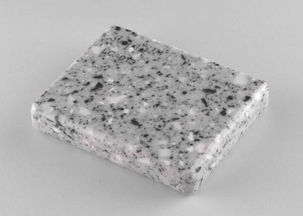
The price point for both materials can also be a significant factor in decision-making. Generally, acrylic countertops can be more budget-friendly than many solid surface options, especially for simpler designs. However, the cost can escalate quickly with complex shapes, intricate edge profiles, and the addition of features like integrated sinks. Solid surface countertops typically fall in a mid-range price bracket, often more affordable than natural stone or quartz but potentially more expensive than basic acrylic installations.
Understanding these foundational differences in material composition, visual possibilities, durability, and cost is the first step. In the next part, we’ll delve deeper into specific performance aspects, installation considerations, and offer some illustrative price ranges to help you visualize the investment involved.
Continuing our exploration into the world of acrylic and solid surface countertops, we’ve laid the groundwork for understanding their core characteristics. Now, let’s refine our focus on the practical aspects that will truly inform your decision-making process. We’ll examine their performance under pressure, the nuances of installation, and provide a more concrete look at pricing.
Let’s talk durability in more detail. While both acrylic and solid surface are non-porous and thus resistant to liquid penetration and staining, their resistance to physical damage can vary. Acrylic, being a softer plastic, can be more prone to scratching and chipping than solid surface. Imagine a busy kitchen environment where pots and pans are frequently placed down or where children are helping to prepare meals – these are scenarios where a more robust material might be preferable. However, as mentioned, the beauty of acrylic lies in its reparability. Minor scratches can often be buffed out with fine-grit sandpaper or a specialized acrylic polish, restoring the surface to its former glory. This DIY-friendly repair aspect can be a significant advantage for those who are handy or prefer a hands-on approach to maintenance.
Solid surface, on the other hand, often offers a slightly harder surface, which can translate to better resistance against everyday wear and tear. While it can still be scratched, the depth of the scratch might be less pronounced compared to acrylic. The repair process for solid surface is also effective, involving sanding and refinishing. This can be a DIY task for minor imperfections, but for deeper scratches or more significant damage, professional intervention might be required to ensure a seamless blend and an invisible repair. The repairability of solid surface is what gives it a reputation for longevity and resilience in high-traffic areas.
Consider the impact of heat. Both materials are susceptible to thermal shock and can be damaged by prolonged exposure to high temperatures. A hastily placed hot pan directly from the stove can leave a white mark or even warp the surface of either acrylic or solid surface. Therefore, the universal recommendation for both is to always use trivets, hot pads, and cutting boards. While some higher-end solid surface formulations might boast slightly improved heat resistance compared to standard acrylic, it’s generally not a feature to rely on as a primary selling point for either material. If extreme heat resistance is a non-negotiable requirement, you’ll likely need to explore materials like quartz or granite.
Installation is another area where subtle differences can emerge. Acrylic’s ability to be thermoformed means it can be fabricated into very complex, seamless shapes. This can simplify installation in some ways, as larger sections can sometimes be created off-site. However, the flexibility of acrylic also means that installers need to be particularly mindful of support structures to prevent sagging over time, especially for large or unsupported spans.
Solid surface installation is also typically performed by experienced fabricators. Because it can be cut and shaped with woodworking tools, it offers a good degree of customization. The seamless joints are achieved through specialized adhesives that chemically bond the material, creating a virtually invisible seam. This is a critical aspect of solid surface that contributes to its elegant, monolithic appearance.
Now, let’s talk about the dollar signs – the price. It’s important to preface this by saying that countertop pricing is highly variable and depends on numerous factors, including the specific brand, color, thickness, edge profile, complexity of the fabrication, and your geographic location. However, we can offer some general guidelines.
Typically, you can expect to find basic acrylic countertops starting in the range of $40 to $75 per square foot, installed. This price point would usually cover simpler designs, standard colors, and basic edge profiles. More intricate designs, custom colors, integrated sinks, or complex edge detailing can push the price of acrylic upwards, potentially into the $100+ per square foot range. For example, a custom-molded, seamless sink integrated into an acrylic countertop could significantly increase the overall cost.
Solid surface countertops generally begin in a slightly higher bracket, often starting around $50 to $100 per square foot, installed, for basic options. Similar to acrylic, the price escalates with more complex patterns, premium colors, intricate edge treatments, and the inclusion of integrated sinks. High-end solid surface designs can reach $120 to $150 per square foot or even more. The perceived value of solid surface, often attributed to its ability to mimic natural stone textures and its robust feel, can justify this slightly higher price point for many consumers.
To illustrate, let’s consider a hypothetical kitchen island that is 8 feet long and 3 feet wide (24 square feet). For a simple, straight-edge acrylic countertop in a solid color, you might be looking at a ballpark figure of $960 to $1,800. For a similar-sized island in a more decorative solid surface pattern with a standard eased edge, the cost could range from $1,200 to $2,400.
Now, imagine that same island with a waterfall edge (where the countertop material extends vertically down the sides) and an integrated sink. The acrylic option could now range from $2,400 to $4,000+. The solid surface option might fall into the $3,000 to $5,000+ range.
These are rough estimates, and obtaining precise quotes from local fabricators is always the most accurate way to determine the cost for your specific project. Factors like the installer’s overhead, local market demand, and the specific brand’s pricing structure will all play a role.
In conclusion, both acrylic and solid surface offer compelling advantages for homeowners seeking beautiful, functional, and easy-to-maintain countertops. Acrylic shines with its unparalleled design flexibility, vibrant color options, and often more accessible entry-level pricing. It’s a fantastic choice for those who want to push design boundaries and are willing to be a bit more mindful of potential scratches. Solid surface, on the other hand, often provides a slightly more robust feel, a wider range of stone-like aesthetics, and excellent long-term durability with its proven reparability. It appeals to those who seek a balance of sophisticated looks and everyday resilience. By carefully weighing these characteristics against your lifestyle, budget, and design aspirations, you can confidently choose the countertop material that will best serve and enhance your home for years to come.









