
The quest for the perfect countertop is a journey many homeowners embark on, often accompanied by a whirlwind of material choices, design consultations, and perhaps a few late-night Pinterest rabbit holes. Among the contenders vying for a spot in your kitchen or bathroom, two popular options frequently rise to the surface: acrylic and solid surface. While their names might sound similar, and their end-use applications often overlap, these materials possess distinct characteristics that can significantly influence your decision. This isn’t just about aesthetics; it’s about understanding the underlying composition, performance, and long-term value each brings to your living space.

Let’s begin by demystifying acrylic. Think of acrylic solid surface as a composite material, a harmonious blend of acrylic polymers and mineral fillers, often derived from bauxite ore. This fusion results in a non-porous surface that is remarkably adaptable, both in terms of its physical properties and its aesthetic potential. One of its most celebrated attributes is its seamless integration. Imagine a countertop that flows into a backsplash, or a sink that appears to be molded directly from the surface itself – this is the magic of acrylic. The fabrication process allows for joints to be expertly glued, sanded, and polished to a point where they become virtually invisible. This seamlessness isn’t just about a sleek, modern look; it also translates into superior hygiene. With no grout lines or crevices for bacteria to harbor, cleaning becomes a breeze, making acrylic a strong contender for kitchens and bathrooms where cleanliness is paramount.
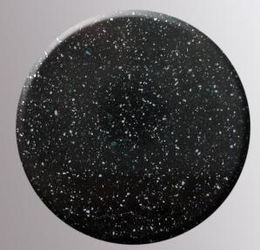
Visually, acrylic offers an astonishing range of possibilities. It can mimic the appearance of natural stone like granite or marble with impressive fidelity, offering a sophisticated look without the inherent maintenance challenges. Alternatively, it can be manufactured in a dazzling spectrum of solid colors, from subtle neutrals to vibrant hues, allowing for bold design statements or a more understated elegance. The material’s inherent translucency, in some formulations, can even be leveraged for creative lighting effects, casting a soft glow that adds a unique ambiance to a space. Furthermore, acrylic is relatively lightweight compared to some natural stone options, which can simplify installation and potentially reduce structural requirements.
Now, let’s pivot to its counterpart, often referred to simply as “solid surface.” It’s important to clarify that “acrylic solid surface” is a type of solid surface. However, in common parlance and within the industry, “solid surface” can also encompass materials that have a different resin base, often polyester-based, with mineral fillers. While the distinction might seem subtle, it can lead to variations in performance and feel. For the purpose of this discussion, when we refer to “solid surface” in contrast to “acrylic solid surface,” we are often referring to materials that may have a slightly different resin composition or manufacturing process, though they share many of the desirable traits of acrylic solid surfaces.
The core appeal of any solid surface material, including acrylic, lies in its engineered nature. Unlike natural stone, which is quarried and can have inherent variations and flaws, solid surface materials are manufactured to precise specifications. This means consistency in color, pattern, and performance. This predictability is a significant advantage for designers and homeowners alike, ensuring that the countertop you choose will look exactly as intended. The non-porous nature, as mentioned, is a shared hallmark. This means that spills, whether it’s red wine, coffee, or cooking oil, tend to sit on the surface rather than soaking in, making them easy to wipe away. This resistance to staining is a huge draw for busy households.
Durability is another crucial aspect where both acrylic and solid surface shine, though with nuances. Both are generally resistant to chipping and cracking, and their ability to be repaired is a significant selling point. Minor scratches or dings can often be buffed out or repaired by a professional, breathing new life into the surface and extending its lifespan considerably. This reparability contributes to the long-term value proposition, as it avoids the costly replacement that might be necessary with other materials.
When it comes to heat resistance, both acrylic and solid surface materials are generally considered to have moderate heat tolerance. They can withstand the heat from typical hot dishes for short periods. However, it’s always advisable to use trivets or hot pads to protect the surface from extreme temperatures, as prolonged exposure to very high heat can cause discoloration or damage. This is a shared consideration for both material types, emphasizing the importance of mindful usage.

The visual versatility of solid surface materials is truly remarkable. They can be molded into complex shapes, curved edges, and integrated features, offering a level of design freedom that natural stone often cannot match. This adaptability makes them ideal for bespoke kitchens, unique bathroom vanities, and even commercial applications where specific design requirements need to be met. The seamless integration, a feature we touched upon with acrylic, is a hallmark of the broader solid surface category, allowing for hygienic and aesthetically pleasing installations.
So, as we begin to peel back the layers of these sophisticated countertop materials, it’s clear that both acrylic and solid surface offer compelling benefits. They represent a modern approach to surfacing, prioritizing hygiene, design flexibility, and ease of maintenance. The choice between them, and more broadly within the solid surface category, often comes down to specific performance characteristics, desired aesthetic nuances, and budget considerations. As we delve deeper, we’ll explore how these subtle differences can translate into tangible benefits for your home.
Continuing our exploration into the world of acrylic and solid surface countertops, we’ve established their shared strengths in seamless integration, non-porosity, and considerable design flexibility. Now, let’s delve into the more granular distinctions and practical considerations that will help you make an informed decision for your home renovation or new build project.
One of the key differentiating factors often lies in the resin composition. As previously mentioned, acrylic solid surfaces are characterized by their acrylic polymer content. This specific composition can contribute to certain performance traits. For instance, acrylic-based solid surfaces are often considered to have a slightly softer feel to the touch compared to some polyester-based solid surfaces. This can translate into a more inviting and warm tactile experience. Furthermore, the inherent translucency of acrylic can be manipulated during the manufacturing process to create surfaces that subtly diffuse light, offering a unique aesthetic appeal that can be enhanced with integrated lighting. This ability to play with light opens up a world of design possibilities, from softly illuminated breakfast bars to dramatic feature walls.
When it comes to repairability, both acrylic and solid surface materials are celebrated for their ability to be mended. However, the ease and method of repair can sometimes differ slightly. Minor scratches on acrylic solid surfaces can often be buffed out with fine-grit sandpaper or a polishing compound, sometimes even by a skilled DIYer. Deeper gouges or chips can be expertly repaired by a professional fabricator, who can often seamlessly blend in a patch of matching material. This ease of repair is a significant advantage over materials like laminate or natural stone, where damage can be permanent or require extensive and costly intervention.
The chemical resistance of acrylic solid surfaces is generally good, making them resistant to common household acids and bases. However, strong solvents or harsh cleaning agents can potentially damage the surface, so it’s always prudent to consult the manufacturer’s cleaning recommendations. Similarly, while solid surface materials are durable, they are not impervious to damage. Aggressive scrubbing with abrasive pads or exposure to harsh chemicals should be avoided to maintain the surface’s pristine appearance.
The cost factor is, of course, a significant consideration for any homeowner. Generally, both acrylic and solid surface materials fall into a mid-to-high price range, offering a good balance between performance and aesthetics. However, there can be variations in pricing depending on the brand, the complexity of the design, and any special features such as integrated sinks, unique edge profiles, or custom colors. Acrylic solid surfaces, particularly those with advanced aesthetic features or specific formulations, might sometimes command a slightly higher price point than some standard polyester-based solid surfaces. It’s always advisable to obtain detailed quotes from fabricators that clearly outline the materials, fabrication, and installation costs.
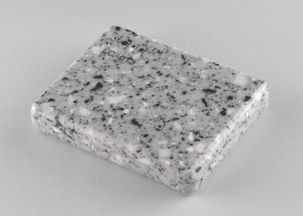
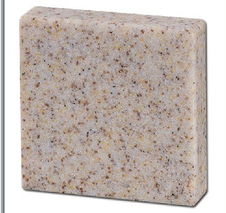
When you’re looking at visual examples – the “图片大全集” (picture collection) and “视频” (video) that are so helpful in understanding these materials – pay close attention to the texture and depth of the patterns. Acrylic solid surfaces often excel at mimicking the variegated look of natural stone with a high degree of realism. You’ll see examples where the veining and speckling are incredibly convincing, offering the beauty of marble or granite without the inherent porosity or maintenance concerns. On the other hand, solid surfaces, in general, offer a more consistent and uniform appearance, which can be a significant advantage if you’re aiming for a very clean, modern, or minimalist aesthetic. The ability to achieve a completely monolithic look, with no visible seams and a uniform color or pattern, is a hallmark of high-quality solid surface fabrication.
Consider the application. For a busy family kitchen where spills are frequent and durability is paramount, the seamless, non-porous, and easily repairable nature of both acrylic and solid surface is a huge plus. If you’re designing a statement bathroom vanity where a unique shape or integrated basin is desired, the moldability of solid surface materials truly shines. For areas where backlighting is a desired feature, the translucent properties of certain acrylic solid surfaces can be a game-changer.
The installation process for both materials is typically handled by specialized fabricators. They cut, shape, and finish the material to your exact specifications and then install it in your home. The expertise of the fabricator is crucial in ensuring a flawless finish, especially when it comes to achieving those invisible seams. Don’t hesitate to ask for references and view examples of their previous work. A good fabricator will be able to guide you through the material options and help you understand the nuances of each.
In essence, the distinction between “acrylic” and “solid surface” can sometimes be a matter of categorization. Acrylic solid surface is a specific type within the broader “solid surface” family. When comparing them directly, it’s often about the specific resin base and its resulting properties. Acrylic solid surfaces often offer superior translucency and a potentially warmer feel, while other solid surfaces might offer a slightly harder finish or a broader spectrum of very cost-effective options.
Ultimately, the “best” choice is subjective and depends entirely on your individual needs, design vision, and budget. Both acrylic and solid surface materials represent a smart investment in your home, offering a beautiful, durable, and hygienic solution for your countertops. By understanding their core characteristics, exploring visual examples, and considering the practicalities of installation and maintenance, you can confidently select the material that will best serve your lifestyle and enhance the beauty of your living space for years to come.









