
The quest for the perfect surface is a cornerstone of any successful design project, whether you’re envisioning a sleek, modern kitchen, a spa-like bathroom retreat, or a high-traffic commercial space. Amidst the myriad of options, two materials consistently rise to the forefront of discussion: acrylic and solid surface. While they might appear similar at first glance, their underlying compositions, performance characteristics, and aesthetic potentials offer distinct advantages and disadvantages that can profoundly influence your choice. Understanding these nuances is key to unlocking the full potential of your chosen material and ensuring a result that is both beautiful and functional for years to come.

Let’s begin our exploration with acrylic. Often referred to as “solid acrylic” or “pure acrylic,” this material is a synthetic polymer, specifically a type of plastic. Its manufacturing process involves combining acrylic resins with mineral fillers, pigments, and binding agents. The resulting material is non-porous, meaning it doesn’t absorb liquids, which makes it inherently resistant to staining and bacterial growth. This is a significant advantage, especially in kitchens and bathrooms where hygiene is paramount. One of the most celebrated attributes of acrylic is its remarkable design flexibility. It can be thermoformed, meaning it can be heated and bent into virtually any shape, allowing for seamless curves, intricate designs, and integrated sinks that flow effortlessly from the countertop. This seamless nature extends to its seams as well; when fabricated and installed correctly, acrylic seams are virtually invisible, creating a continuous, monolithic surface that is both visually appealing and easy to clean. Imagine a countertop that appears to have been sculpted from a single piece of material – that’s the magic acrylic can bring.
The aesthetic appeal of acrylic is undeniable. It boasts a vibrant color palette, ranging from subtle, earthy tones to bold, attention-grabbing hues. Many acrylic surfaces also offer a subtle translucency, allowing for creative lighting effects that can add a unique ambiance to a space. This makes it a favored choice for designers looking to make a statement. Furthermore, acrylic is relatively lightweight compared to stone or even some solid surface options, which can simplify transportation and installation, potentially leading to cost savings in labor. Its non-porous nature also means it doesn’t require sealing, a common maintenance task for granite or marble, saving you time and the ongoing cost of sealants.
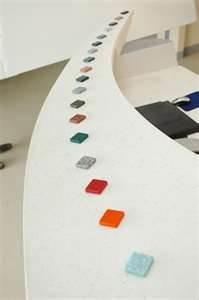
However, acrylic isn’t without its Achilles’ heel. Its primary vulnerability lies in its susceptibility to heat and scratches. While it can withstand moderate temperatures, placing hot pots or pans directly onto an acrylic surface can cause permanent damage, such as scorching or warping. The use of trivets and hot pads is absolutely essential to preserve its pristine condition. Similarly, while durable, acrylic can be scratched by sharp objects or abrasive cleaning tools. While minor scratches can often be buffed out with specialized repair kits or by a professional, deeper gouges can be more challenging and costly to fix. This means that while it’s a fantastic material for many applications, it demands a certain level of care and attention to prevent premature wear and tear.
The fabrication process for acrylic, while offering great design freedom, can also be more specialized and, consequently, more expensive upfront compared to some other materials. Achieving those seamless, thermoformed designs requires skilled craftsmanship and specialized equipment. This is not typically a DIY-friendly material for complex installations. When it comes to repair, while minor issues can often be addressed, significant damage might necessitate professional intervention, adding to the long-term cost of ownership. Understanding these trade-offs is crucial. Acrylic offers unparalleled design flexibility and a hygienic, seamless aesthetic, but it requires a proactive approach to heat and scratch management.
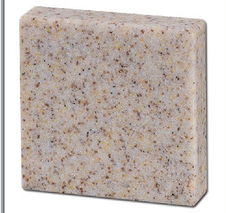
Transitioning now to solid surface, this material presents a different but equally compelling set of characteristics. Solid surface is also a composite material, typically made from acrylic polymers, natural minerals (like bauxite ore), and pigments. This composition creates a dense, homogeneous material that is non-porous, just like acrylic. This shared non-porosity is a significant benefit, offering the same advantages in terms of stain resistance and hygienic properties. The absence of pores means that spills, from coffee to red wine, won’t seep into the material, preventing permanent stains and discouraging the growth of bacteria and mold. This makes it an excellent choice for kitchens, bathrooms, healthcare facilities, and any environment where cleanliness is a top priority.
One of the defining features of solid surface is its repairability. While it can be scratched or damaged, most imperfections can be sanded out, much like wood. Minor scratches can be buffed away with fine-grit sandpaper, and deeper gouges can be filled and then sanded smooth, restoring the surface to its original condition. This makes solid surface a remarkably forgiving material over its lifespan, offering a level of resilience that can be very appealing for busy households or commercial spaces. The ability to “refresh” the surface through sanding means that a well-maintained solid surface countertop can look like new for many years, potentially offering a greater long-term value proposition.
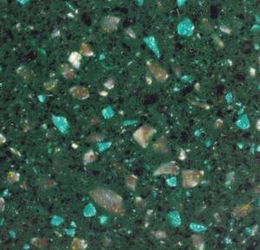
The aesthetic versatility of solid surface is also noteworthy. It comes in a vast array of colors, patterns, and textures, mimicking the look of natural stone, wood, or offering entirely unique contemporary designs. While it can be thermoformed like acrylic, its capabilities in this regard are generally less extreme. It can achieve gentle curves and integrated sinks, but the highly complex, almost fluid shapes possible with pure acrylic are less common with solid surface. However, the seamless integration of sinks and backsplashes is still a significant advantage, contributing to that clean, modern look and simplifying cleaning routines. The visible seams, while not entirely absent like with pure acrylic, are often very subtle and can be further minimized through expert fabrication and installation.
Solid surface is also known for its durability and impact resistance. It’s less prone to chipping than some natural stones and can withstand a reasonable amount of daily wear and tear. While it’s not impervious to heat damage – hot pans should still be avoided – it generally has a higher heat tolerance than pure acrylic. This offers a bit more peace of mind for those who might occasionally forget to use a trivet. The installation process for solid surface is also generally more straightforward than highly complex acrylic designs, and it is often more cost-effective than high-end natural stones. This blend of performance, aesthetics, and relatively manageable cost makes it a very popular choice for a wide range of projects.
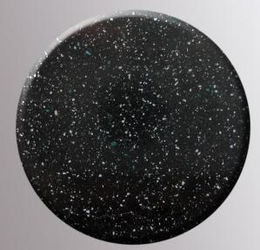
However, solid surface, particularly the more affordable composite versions, can sometimes exhibit a slightly less “premium” feel compared to pure acrylic or natural stone. While the range of finishes is extensive, some may find that certain patterns can look less authentic or have a more “plastic-like” appearance. The repair process, while effective, does require a certain level of skill and willingness to engage in maintenance. If left unattended, scratches and minor damage can accumulate, detracting from the overall appearance. Furthermore, while heat resistant, it’s not heatproof. Prolonged exposure to high temperatures can still cause damage, so vigilance is still recommended.
Comparing the two, acrylic shines in its extreme design flexibility, seamlessness, and often more vibrant aesthetic potential, particularly when considering translucency for lighting. Solid surface, on the other hand, excels in its superior repairability, generally better heat resistance than pure acrylic, and a very broad spectrum of aesthetic options at a potentially more accessible price point for many. Both offer the crucial benefits of being non-porous, hygienic, and stain-resistant, making them strong contenders for any kitchen or bathroom renovation where these qualities are paramount. The choice between them ultimately hinges on prioritizing specific attributes: unparalleled design freedom versus robust repairability and a wider accessible aesthetic range.
Continuing our deep dive into the compelling world of acrylic and solid surface materials, we delve deeper into the practical considerations that often guide our design decisions. Beyond the initial appeal of aesthetics and inherent properties, factors like cost, maintenance routines, and long-term performance play a pivotal role. Understanding these elements will empower you to make a choice that not only looks stunning but also aligns with your lifestyle and budget.
Let’s first revisit the economic landscape. The initial cost of acrylic and solid surface can vary significantly based on brand, color, pattern, and complexity of fabrication. Generally speaking, pure acrylic, especially for complex thermoformed designs or those with unique translucent qualities, tends to be at the higher end of the spectrum. This is a reflection of the specialized manufacturing processes and the higher quality raw materials often used to achieve its superior moldability and aesthetic depth. The labor costs associated with intricate acrylic installations, requiring skilled artisans and precise techniques, can also contribute to a higher overall investment. However, when considering the seamless integration of sinks and the near-invisibility of seams, the cost might be justified for those seeking a truly bespoke, high-end finish. For simpler acrylic installations, the price can become more competitive, but it’s essential to get detailed quotes that account for all aspects of fabrication and fitting.
Solid surface materials, while also offering a range of price points, often present a more accessible entry into the world of premium countertop materials. More budget-friendly solid surface options can be found, particularly those with simpler patterns and less intricate veining, making them a popular choice for renovations where cost is a significant factor. The fabrication and installation of solid surface are generally less specialized than complex acrylic work, which can translate to lower labor costs. However, it’s important to note that the higher-end solid surface collections, those that closely mimic natural stone or offer unique, complex patterns, can approach or even exceed the cost of some acrylic options. Therefore, a direct comparison often requires looking at specific product lines and the scope of your project. When evaluating cost, it’s also prudent to consider the “total cost of ownership.” While the upfront price is important, so are the costs associated with maintenance, repair, and potential replacement over time.
Maintenance is a crucial aspect to consider, and here both acrylic and solid surface offer significant advantages over more porous materials like natural stone. As both are non-porous, they resist stains and bacterial growth, which greatly simplifies daily cleaning. For routine cleaning, a soft cloth with mild soap and water is typically sufficient for both. Avoid abrasive cleaners, steel wool, or harsh chemicals, as these can dull the finish or even damage the material. For acrylic, particular care must be taken with heat. The consistent use of trivets and hot pads is non-negotiable. If accidental heat damage occurs, professional repair is often the best course of action, though minor scorch marks might be addressable with specific acrylic polishing compounds.
For solid surface, the beauty lies in its repairability. Minor scratches can be addressed by homeowners with a bit of effort and the right supplies (fine-grit sandpaper and a polishing compound). For more significant damage, professional refinishing is available, which can effectively erase years of wear and tear, making the surface look new again. This inherent repairability can be a major deciding factor for individuals or families who lead busy lives and might be more prone to accidental nicks and scratches. However, it’s also worth noting that while repairable, repeated aggressive sanding can eventually wear down the material. So, while forgiving, it’s not indestructible. Both materials require a commitment to gentle care to maintain their optimal appearance.
Durability and longevity are often intertwined with maintenance and cost. Both acrylic and solid surface are generally considered durable materials. Acrylic’s primary weakness is its susceptibility to heat and scratches, which, if not managed, can lead to premature signs of wear. However, when properly cared for, an acrylic surface can maintain its beauty for many years. Its seamless construction also means there are no grout lines to crack or stain, contributing to its long-term visual appeal. Solid surface, with its repairability, has the potential for an exceptionally long lifespan. The ability to essentially “reset” the surface through sanding means that minor damage doesn’t have to be a permanent eyesore. For high-traffic commercial applications, this repairability can be a significant advantage, reducing the need for costly replacements.
When considering fabrication and installation, both materials demand professional expertise, though the complexity can vary. Acrylic’s thermoforming capabilities open up a world of design possibilities, from integrated sinks that are virtually invisible to curved countertops and intricate decorative elements. This level of customization requires specialized tools and techniques, including precise cutting, routing, sanding, and the use of specialized adhesives that create invisible seams. Solid surface fabrication is also a skilled craft, but typically less complex than advanced acrylic work. While it can be cut, shaped, and joined to create seamless looks, the extreme curves and complex molding possible with acrylic are less common or more challenging with solid surface. The quality of fabrication and installation for both materials is paramount to achieving a beautiful and durable end result. Poorly executed seams or improper finishing can significantly detract from the material’s aesthetic appeal and compromise its integrity.
Let’s think about specific applications. In a high-end residential kitchen where a seamless, minimalist aesthetic is paramount and the homeowner is meticulous about using trivets, pure acrylic can be an outstanding choice. The ability to integrate a sink without any visible seams, combined with a striking color or translucent effect, can create a show-stopping centerpiece. For a family bathroom that sees daily use, or a commercial washroom where hygiene and ease of cleaning are critical, solid surface offers a robust and forgiving solution. Its repairability can be a real lifesaver in these environments. In a busy restaurant or café, where durability and ease of maintenance are key, solid surface might be the more practical choice due to its resilience and repair capabilities.
Ultimately, the decision between acrylic and solid surface is a nuanced one, a balancing act between aspirations and practicalities. Acrylic offers a level of design freedom and seamless integration that is truly exceptional, ideal for those who prioritize a bespoke, visually striking finish and are committed to careful heat and scratch management. Solid surface, on the other hand, provides a highly versatile, hygienic, and remarkably repairable option that offers broad aesthetic appeal and a more forgiving nature for everyday use. Both materials represent significant upgrades over traditional surfaces, offering a blend of beauty, functionality, and hygienic properties. By carefully weighing their respective strengths and weaknesses against your specific needs, lifestyle, and budget, you can confidently select the material that will not only elevate your space but also stand the test of time.









