
In the ever-evolving landscape of interior design and material innovation, countertops and surfacing materials often take center stage. They are the workhorses of our kitchens, the serene canvases of our bathrooms, and the functional surfaces in countless commercial spaces. Among the many contenders vying for a spot in our homes, two materials consistently rise to the forefront: acrylic and solid surface. While they might appear similar at first glance, a closer examination reveals a world of difference in their composition, performance, and ultimately, their suitability for various applications. This isn’t just about picking a pretty color; it’s about understanding the very essence of what makes these materials tick, and how their unique characteristics can either elevate or detract from your design aspirations.

Let’s begin by unraveling the enigma that is acrylic. Often seen as a more modern and versatile option, acrylic surfaces are typically composed of polymethyl methacrylate (PMMA), a type of thermoplastic polymer. This synthetic material lends itself to a remarkable range of possibilities. One of its most significant advantages lies in its inherent non-porosity. This is a game-changer, especially in kitchens and bathrooms, where hygiene is paramount. Unlike natural stone that can harbor bacteria and stains, acrylic presents a seamless, impenetrable barrier. Spills, be it red wine, coffee, or a rogue turmeric incident, tend to bead up on the surface, making cleanup a breeze. This ease of maintenance is a significant draw for busy households and high-traffic commercial environments alike. Think about it: no more frantic scrubbing or the constant worry of permanent discoloration. A simple wipe-down with a mild detergent and water is often all that’s needed to restore its pristine appearance.
Beyond its hygienic qualities, acrylic boasts an impressive aesthetic flexibility. It can be molded and shaped into virtually any form, allowing for seamless integration of sinks and backsplashes, creating a truly monolithic and flowing design. This means no unsightly seams or grout lines to trap dirt and moisture. The possibilities for curves, intricate designs, and even embedded decorative elements are practically limitless. Furthermore, acrylic can be fabricated in an extensive palette of colors, from bold and vibrant hues to subtle pastels and realistic stone imitations. This allows designers and homeowners to achieve a highly customized look that perfectly complements their existing decor or envisioned style. Want a countertop that mimics the swirling patterns of marble but with the practicality of acrylic? It’s entirely achievable. The ability to thermoform acrylic also opens doors to unique lighting solutions, where translucent varieties can be backlit to create a captivating ambiance.
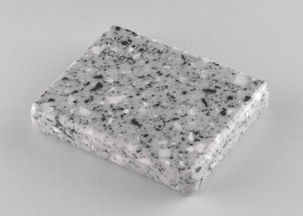
However, like any material, acrylic is not without its Achilles’ heel. Its primary vulnerability lies in its susceptibility to scratches and heat. While durable for everyday use, sharp objects or abrasive cleaning tools can mar its surface, leaving behind unsightly marks. This necessitates a degree of care and mindfulness during use. For instance, always using a cutting board is non-negotiable if you want to preserve its pristine finish. Similarly, placing hot pots and pans directly onto an acrylic surface is a recipe for disaster. While some manufacturers offer heat-resistant acrylics, it’s generally advisable to always use trivets or hot pads to protect against thermal shock. This need for careful handling can be a deterrent for those who prefer a more carefree approach to their countertops. The repair process for scratches, while possible, can also be more involved than one might initially assume, often requiring professional intervention or specialized polishing kits to restore its original luster.
Another consideration is the environmental impact. While acrylic can be recycled, its production is petrochemical-based, which raises questions about its sustainability compared to more natural or recycled materials. The manufacturing process itself can also be energy-intensive. For eco-conscious consumers, this is a factor that might tip the scales in favor of alternative options. Finally, while acrylic can be a cost-effective choice for certain applications, high-end custom designs and intricate fabrication can drive up the price, making it a more significant investment than initially anticipated. It’s a material that rewards careful planning and a commitment to its upkeep, offering unparalleled design freedom in return.
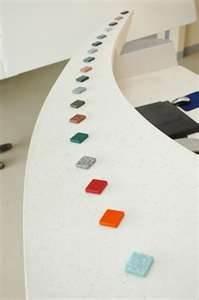
Transitioning from the realm of synthetics, let’s delve into the world of solid surface, a material that has carved out a significant niche in the design industry. Solid surface is a composite material, typically made from a blend of acrylic or polyester resins, mineral fillers (like bauxite), and pigments. This unique composition imbues it with a distinct set of characteristics that set it apart from its acrylic counterpart, offering a compelling alternative for those seeking durability, a natural feel, and a degree of repairability.
One of the most celebrated attributes of solid surface is its inherent durability and resilience. While acrylic is susceptible to scratches, solid surface generally offers a superior resistance to impact and abrasion. The mineral fillers within its composition contribute to a denser, harder surface that can withstand the rigors of daily use with greater fortitude. This makes it an excellent choice for high-traffic areas like kitchen countertops, bar tops, and reception desks where wear and tear are a constant concern. Furthermore, like acrylic, solid surface is non-porous. This means it actively repels liquids, preventing stains from setting in and inhibiting the growth of mold and bacteria. This hygienic quality is a major selling point, particularly for commercial kitchens, healthcare facilities, and any environment where cleanliness is non-negotiable. The seamless integration of sinks and backsplashes is also a hallmark of solid surface, offering the same sleek, uninterrupted aesthetic as acrylic, and contributing to its overall ease of maintenance.
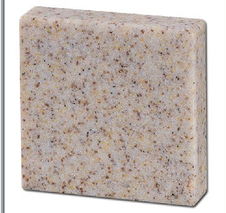
The repairability of solid surface is another significant advantage that often differentiates it from acrylic. While deep scratches or chips can occur, they are often less of a permanent blemish. Minor scratches can typically be buffed out with a fine-grit sandpaper or a specialized abrasive pad, a task that can often be managed by a DIY enthusiast. For more significant damage, professional repair is still an option, and the results can often be quite remarkable, restoring the surface to its former glory without leaving visible patches. This inherent repairability adds a layer of long-term value and peace of mind, knowing that minor accidents don’t necessarily spell disaster for your investment.
Aesthetically, solid surface offers a broad spectrum of choices, though perhaps not with the same boundless creative freedom as acrylic. It comes in a wide array of colors, patterns, and textures, including many that convincingly mimic the look of natural stone like granite or marble. This allows for a sophisticated and high-end appearance without the associated costs and maintenance demands of natural stone. The ability to thermoform solid surface also allows for the creation of curved edges and unique shapes, though perhaps with slightly less fluidity than acrylic. The overall look and feel of solid surface is often described as warmer and more substantial than acrylic, contributing to a sense of quality and comfort in a space.
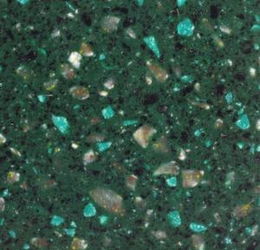
However, it’s important to acknowledge the limitations of solid surface. While more resistant to scratches than acrylic, it is not entirely immune. Very sharp objects or abrasive cleaners can still leave their mark, and while repairable, repeated damage can eventually wear down the surface. Heat resistance is also a concern. Similar to acrylic, placing hot cookware directly on solid surface can lead to discoloration or even cracking. Therefore, the use of trivets and hot pads remains a crucial aspect of its care and longevity. While often more affordable than natural stone, solid surface can be more expensive than some laminate or basic acrylic options, especially for more complex designs or premium finishes. The installation process also typically requires skilled professionals, adding to the overall cost. Finally, while its components can be recycled, the manufacturing process involves resins and chemicals, which, like acrylic, may be a consideration for those prioritizing the most environmentally sustainable options.
In conclusion, the choice between acrylic and solid surface hinges on a careful evaluation of your priorities. If unparalleled design flexibility, seamless integration, and a highly hygienic, easy-to-clean surface are paramount, and you are prepared for a more cautious approach to heat and sharp objects, acrylic might be your ideal candidate. If, however, you prioritize superior scratch resistance, greater durability for high-traffic areas, and the added peace of mind that comes with inherent repairability, solid surface presents a compelling and robust solution. Both materials offer a modern, sophisticated alternative to traditional surfacing options, and understanding their distinct strengths and weaknesses is the key to unlocking the full potential of your next design project.









