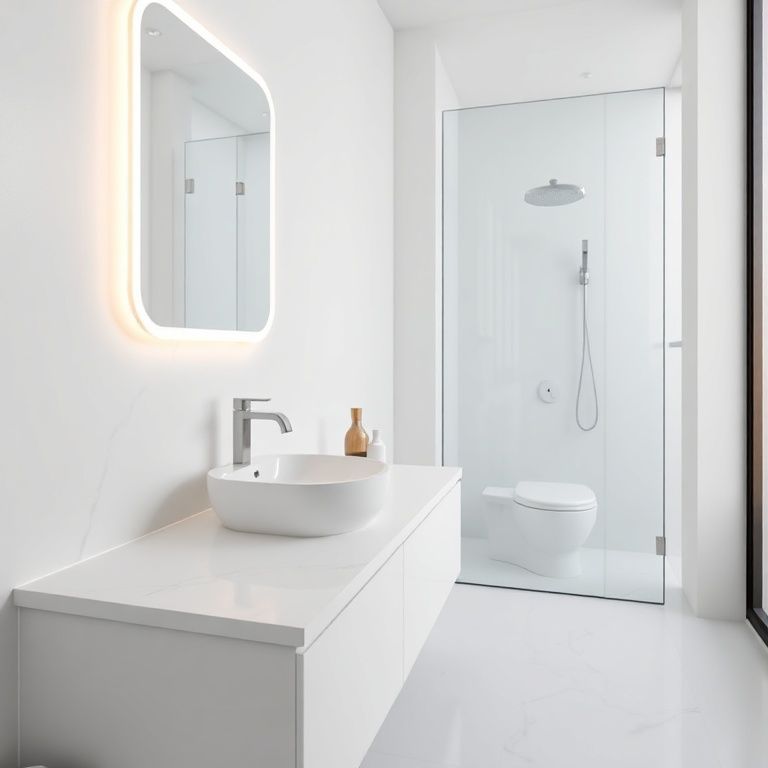
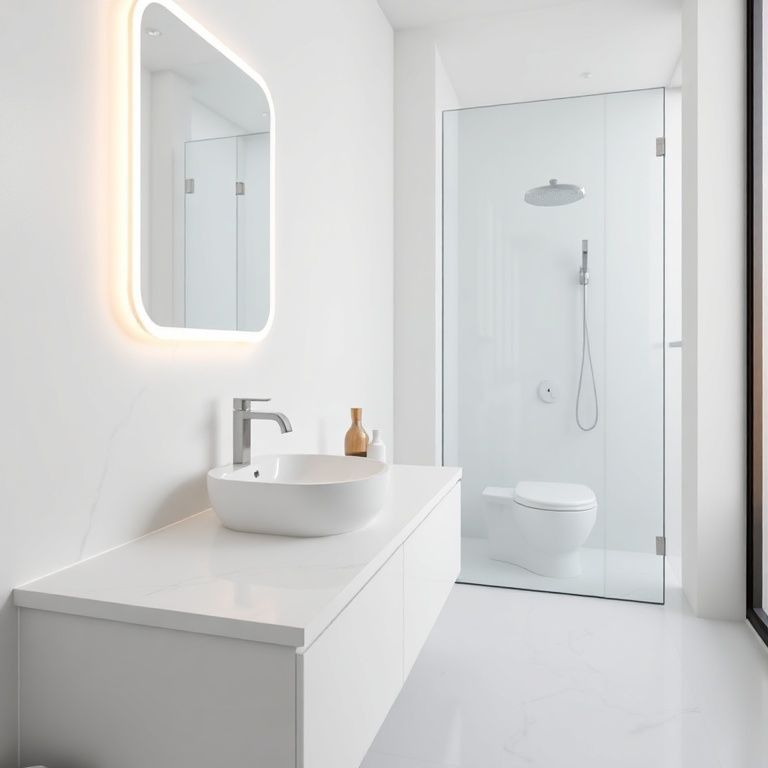
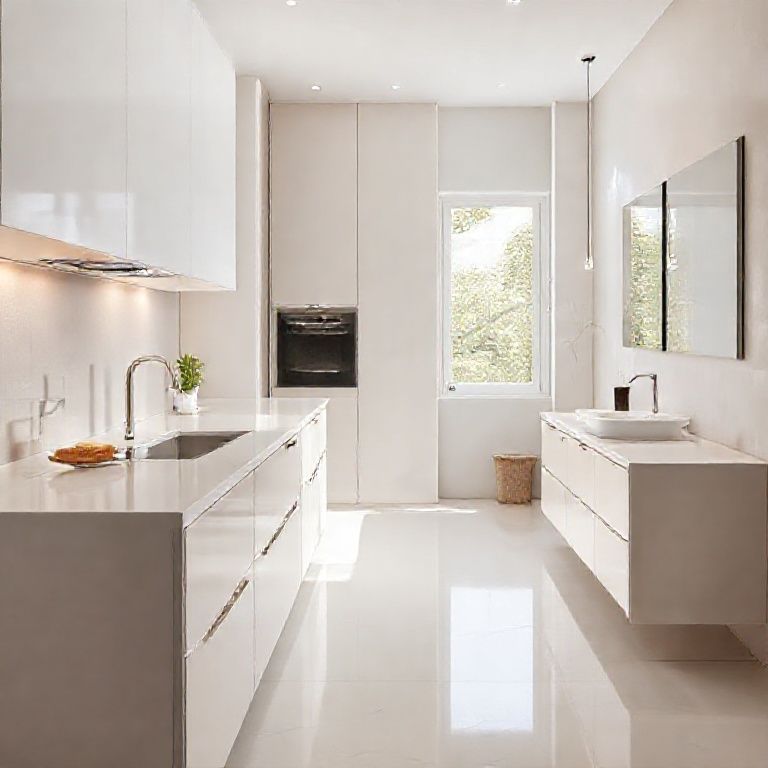
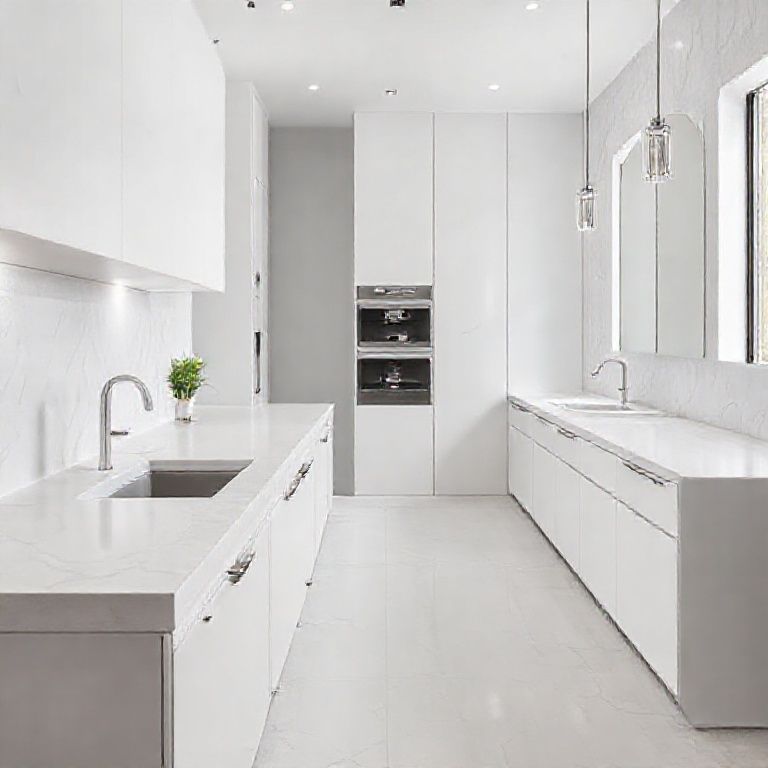
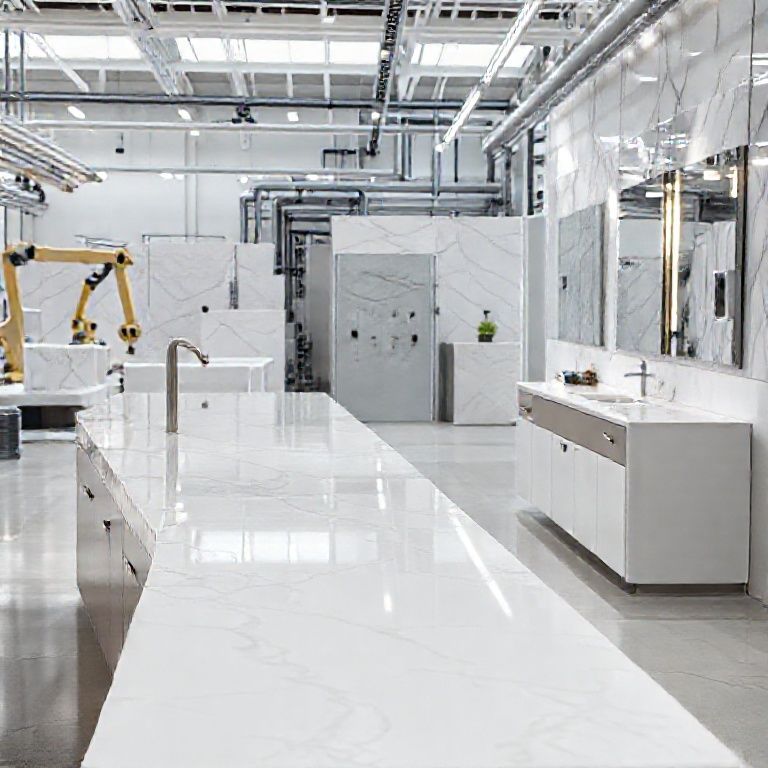
The Advantages of Artificial Stone Countertops
Advantages of Artificial Stone Countertops
When it comes to modern kitchen and bathroom design, artificial stone countertops are becoming increasingly popular. They offer a blend of durability, aesthetics, and practicality that traditional materials often cannot match. Here, we delve into the myriad advantages of artificial stone countertops, exploring why they are a preferred choice for many homeowners and designers alike.
1. Durability and Strength
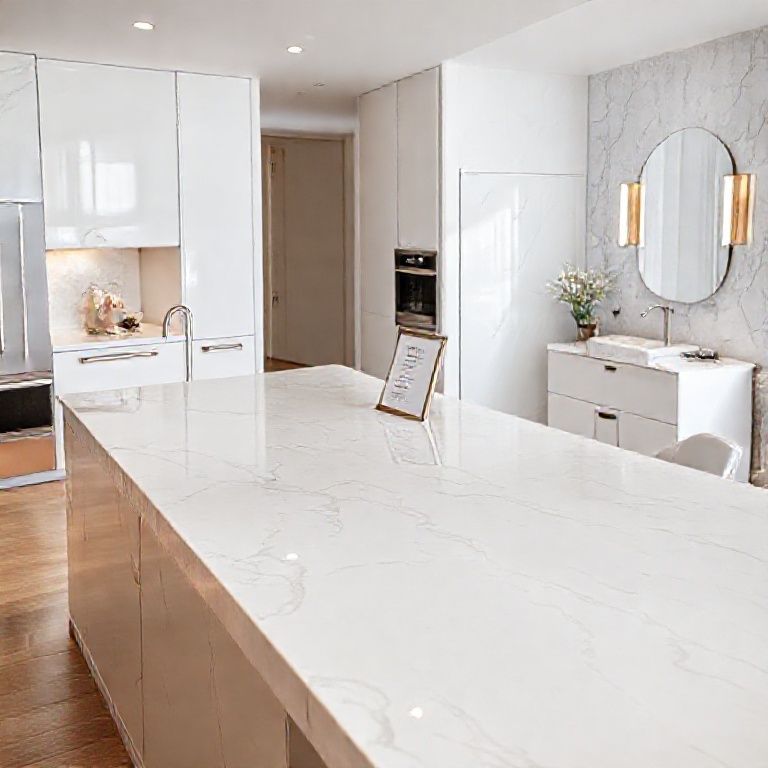
Artificial stone countertops are known for their exceptional durability. Composed of a combination of minerals, resins, and stone dust, these countertops are incredibly strong and resistant to scratches, chips, and dents. Unlike natural stone, which can be prone to these issues, artificial stone maintains its integrity even in high-traffic areas. This makes it an ideal choice for families with children or those who entertain frequently.
2. Unmatched Aesthetic Appeal
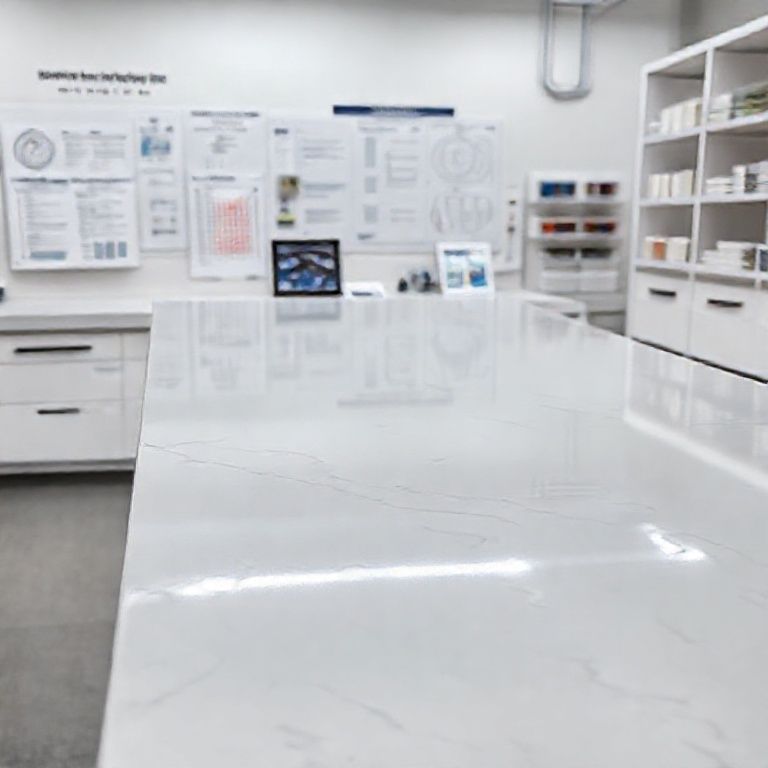
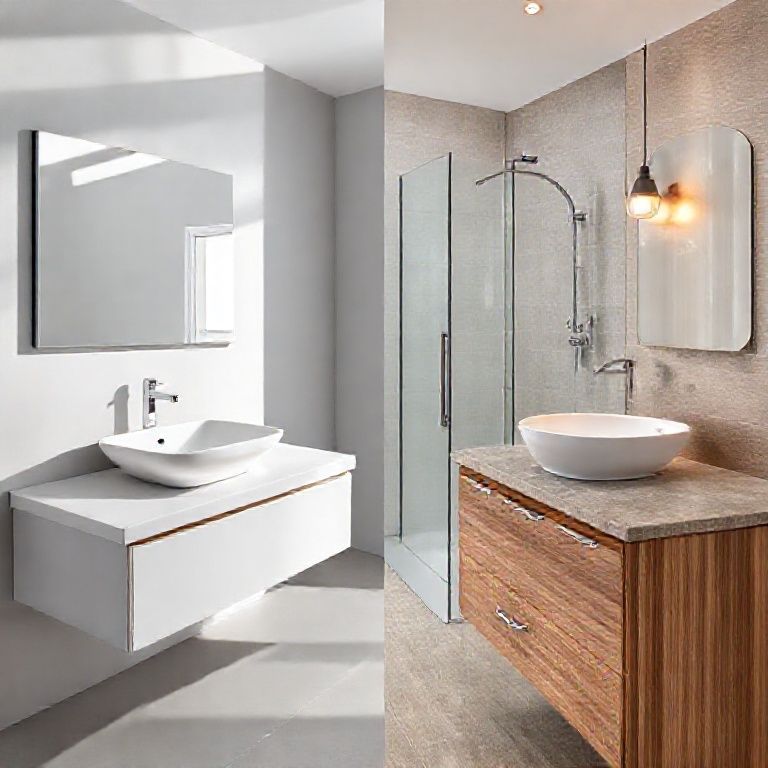
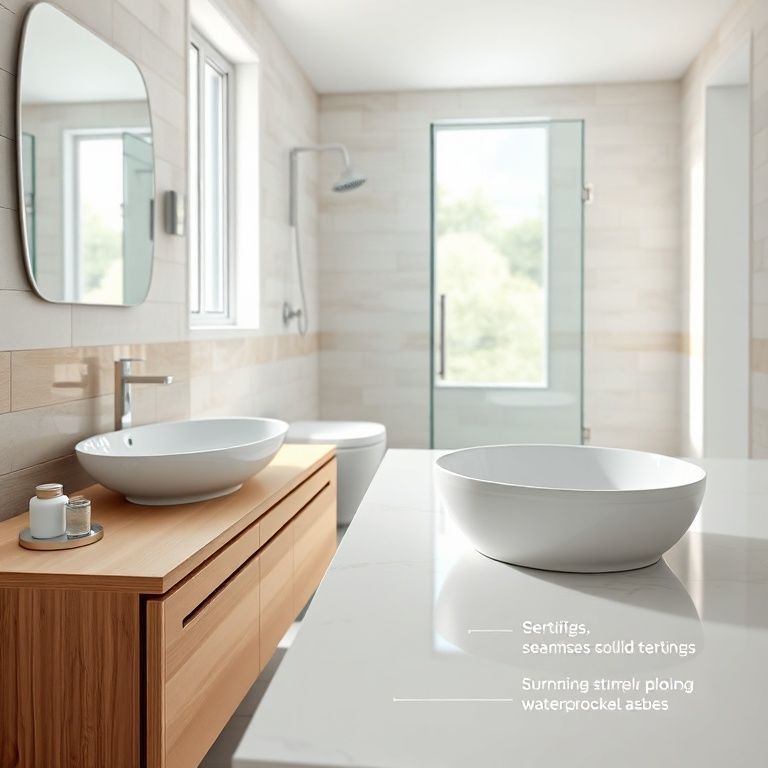
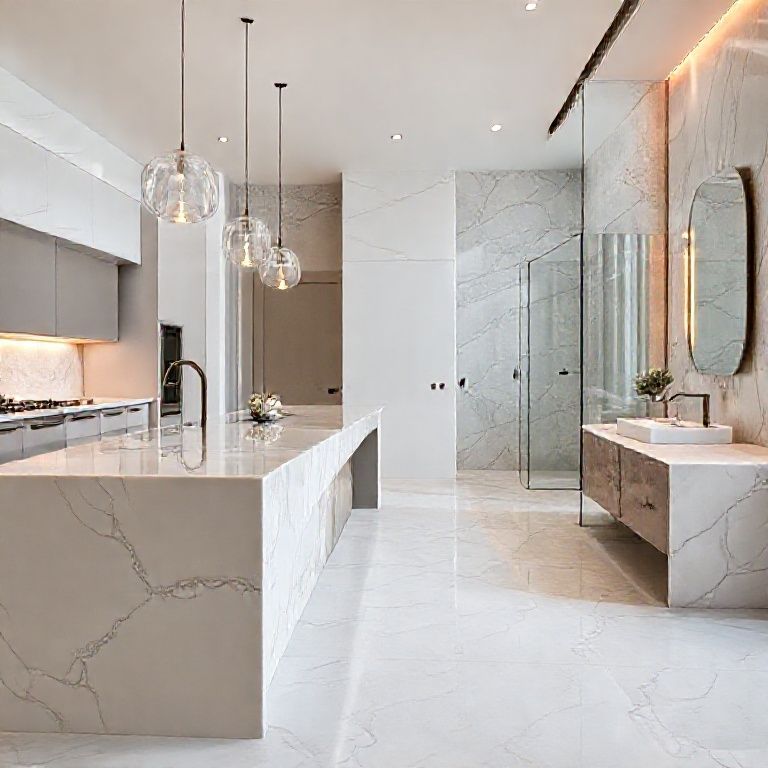
Artificial stone countertops come in an array of colors, patterns, and textures that mimic the look of natural stone. From traditional marble to exotic exotics like onyx and quartz, artificial stone can be customized to suit any design preference. The uniformity of artificial stone also means that you can achieve a flawless, seamless look without the need for multiple pieces to fit together. This versatility allows for creative freedom, letting designers and homeowners create stunning, cohesive looks with minimal effort.
3. Water Resistance and Easy Maintenance
One of the standout features of artificial stone is its water resistance. Unlike wood or certain types of natural stone, artificial stone does not absorb water, making it easy to clean and maintain. Daily spills and stains can be wiped away effortlessly with a simple damp cloth. This feature is particularly advantageous in kitchens and bathrooms where moisture and spills are common.
4. Low Maintenance
Artificial stone countertops require very little maintenance compared to other materials. There’s no need for sealing or regular upkeep. The surface is resistant to most household cleaners, making it safe to use any cleaning product without fear of damaging the surface. This low maintenance requirement translates to significant savings on cleaning supplies and time.
5. Affordable Option
While artificial stone may have a higher initial cost compared to some other materials, it is often more affordable than natural stone in the long run. The durability and low maintenance requirements mean that artificial stone can last for many years, reducing the need for frequent replacements. Additionally, the availability of a wide range of designs at different price points makes it accessible to a broad audience.
6. Eco-Friendly Choices
Many artificial stone brands are committed to sustainability. They use eco-friendly resins and recycled materials, reducing the environmental impact of their production processes. This makes artificial stone an appealing option for those who are environmentally conscious and want to make a responsible choice for their home renovation.
7. Versatile Applications
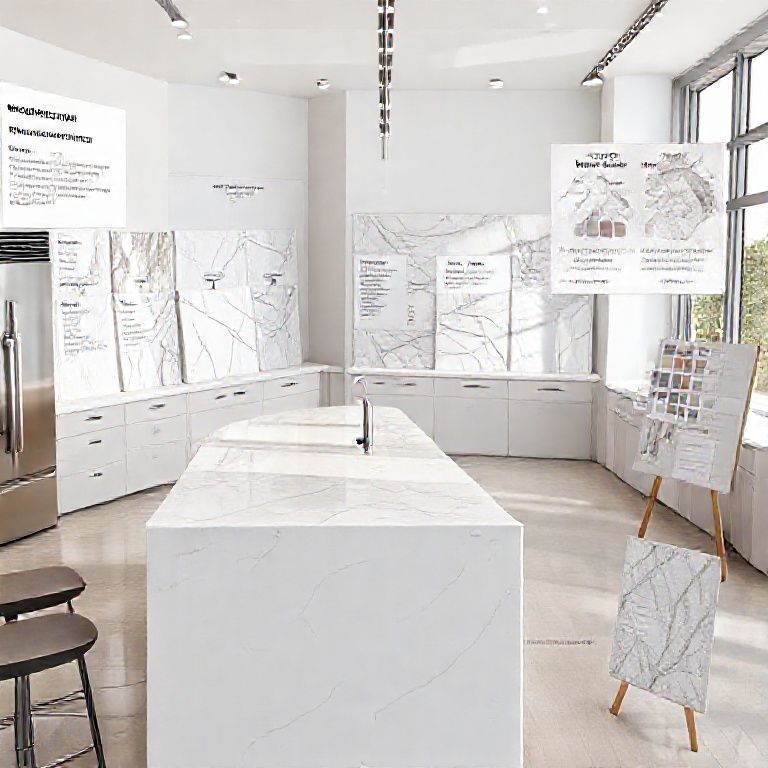
Artificial stone countertops are incredibly versatile and can be used in various settings beyond traditional kitchen and bathroom spaces. They can be used in commercial kitchens, bars, restaurants, and even outdoor settings like patios and outdoor kitchens. This versatility allows for creative and functional design solutions across different environments.
Conclusion
In conclusion, artificial stone countertops offer a host of benefits that make them an excellent choice for both residential and commercial projects. Their durability, aesthetic versatility, ease of maintenance, affordability, and eco-friendly options make them a compelling alternative to traditional materials. Whether you’re looking to upgrade your kitchen, bathroom, or even create a unique design feature in another space, artificial stone countertops provide a practical, stylish, and long-lasting solution.
The Disadvantages of Artificial Stone Countertops
Disadvantages of Artificial Stone Countertops
While artificial stone countertops have numerous advantages, it’s important to also consider their potential drawbacks before making a decision. Understanding the cons can help you weigh the pros and cons effectively and make an informed choice for your renovation project. Here, we explore the potential disadvantages of artificial stone countertops.
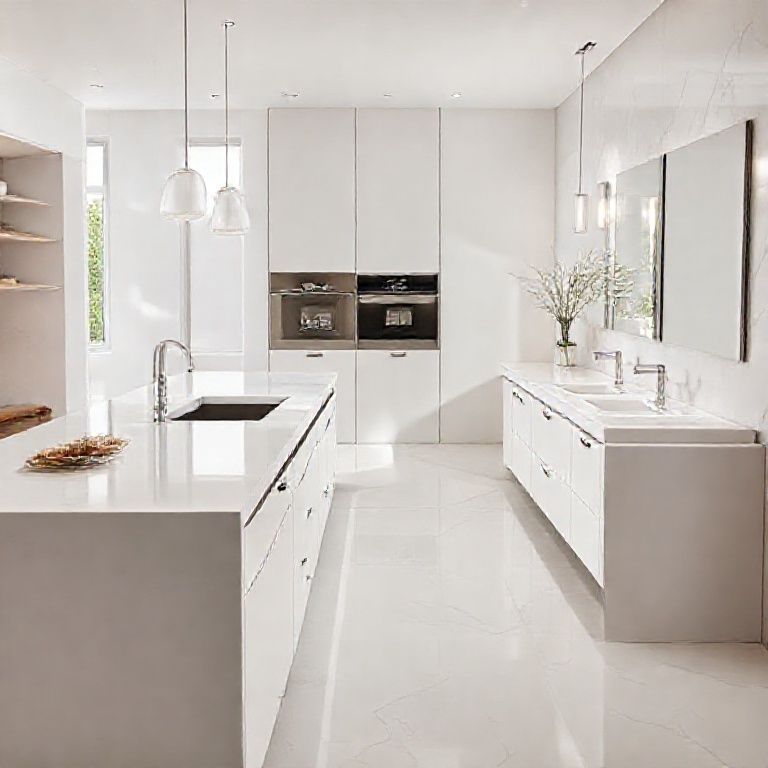
1. Higher Initial Cost
One of the most significant disadvantages of artificial stone countertops is their initial cost. While they may be more affordable in the long run due to their durability and low maintenance, the upfront price can be higher compared to some other materials. This is especially noticeable when compared to basic composite materials like Formica or laminate. The premium price reflects the quality and longevity of artificial stone, but it might be a barrier for some homeowners.
2. Limited Customization
Although artificial stone offers a wide range of colors and patterns, the customization options are somewhat limited compared to natural stone. The designs are often pre-determined by the manufacturer, and while they can be mixed and matched, the level of customization is not as extensive as with natural stone, which can be sourced and cut to specific sizes and shapes.
3. Potential for Surface Damage
While artificial stone is highly durable, it is not indestructible. Extreme impacts or sharp objects can cause surface damage, such as scratches or chips. While these can often be repaired, the potential for damage exists. This is less likely than with natural stone but can still be a concern in high-traffic areas or where heavy items are frequently placed on the countertop.
4. Heating Sensitivity
Artificial stone countertops are generally not recommended for use in areas where heat is a significant concern. High temperatures can cause the surface to discolor or warp, particularly if the heat source is placed directly on the countertop. This makes them less suitable for cooktops or other heat-generating surfaces compared to certain types of natural stone or specialized heat-resistant materials.
5. Limited Thermal Conductivity
Artificial stone has a low thermal conductivity, meaning it does not conduct heat well. While this can be a benefit in preventing burns, it can also mean that hot items left on the surface for extended periods can lead to uneven heating of the countertop. This can be a consideration in areas where hot pots and pans are commonly used.
6. Installation Challenges
Installing artificial stone countertops can be more complex compared to some other materials. While they are generally easier to install than natural stone, the process often requires professional installation to ensure a proper fit and finish. This can add to the overall cost and may not be feasible for DIY projects.
7. Environmental Concerns
While many artificial stone brands are moving towards more eco-friendly practices, the manufacturing process still involves the use of resins and other chemicals. Some of these materials can release volatile organic compounds (VOCs) during production and curing. Although advancements in the industry are reducing these emissions, it remains a concern for environmentally-conscious consumers.
Conclusion
While artificial stone countertops offer many benefits, it’s crucial to be aware of their potential disadvantages. The higher initial cost, limited customization, potential for surface damage, heating sensitivity, low thermal conductivity, installation challenges, and some environmental concerns are factors to consider. However, by carefully weighing these cons against the advantages, you can make a well-informed decision that aligns with your budget, design preferences, and functional needs. Artificial stone countertops remain a popular and practical choice for many, offering a blend of style, durability, and ease of maintenance that continues to attract homeowners and designers alike.