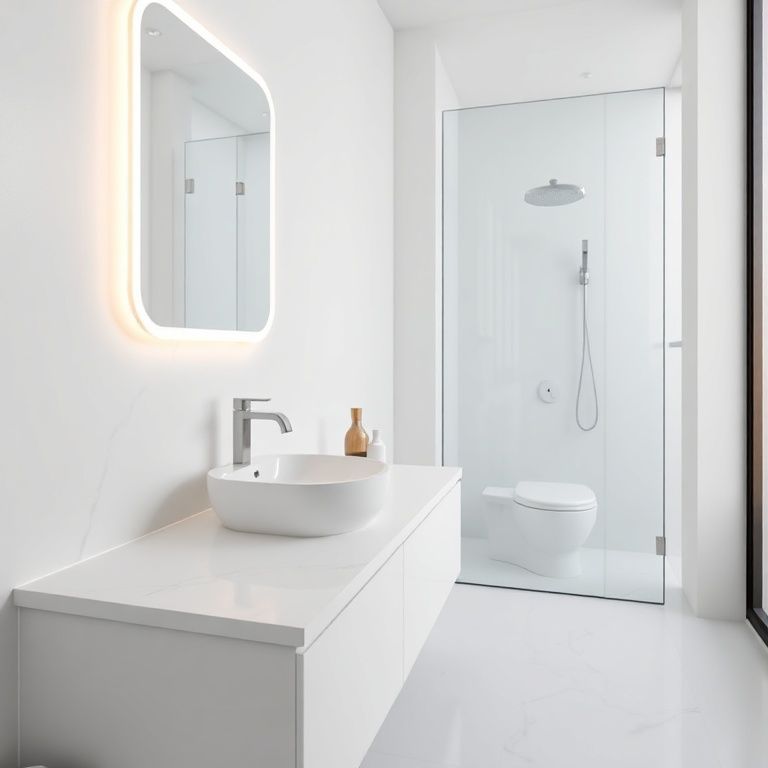
Content:
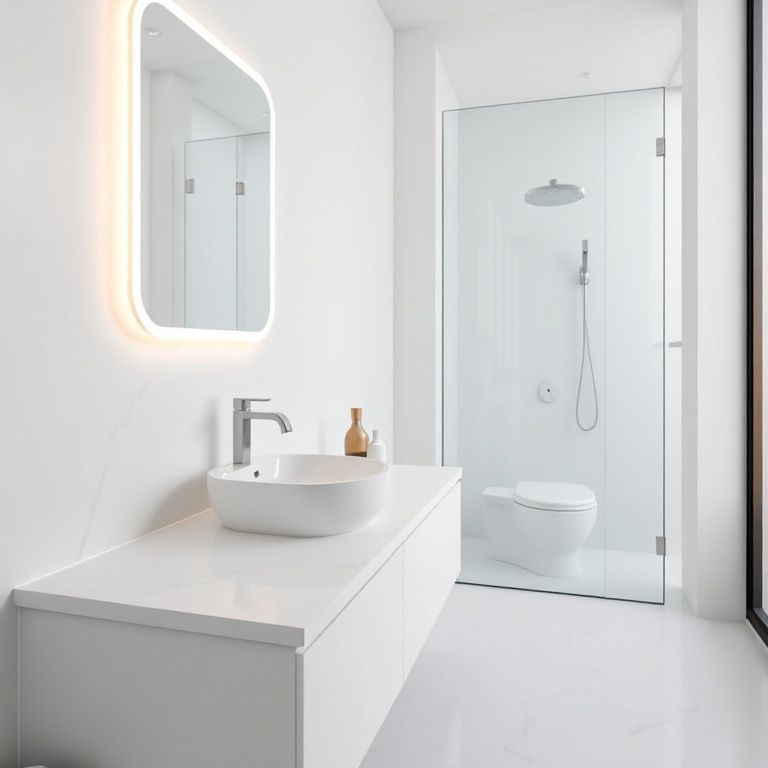
When it comes to selecting the perfect countertop for your kitchen or bathroom, artificial stone has emerged as a top contender. This modern material offers a blend of durability, aesthetic appeal, and ease of maintenance that traditional materials often can’t match. Here are the key advantages of artificial stone countertops:
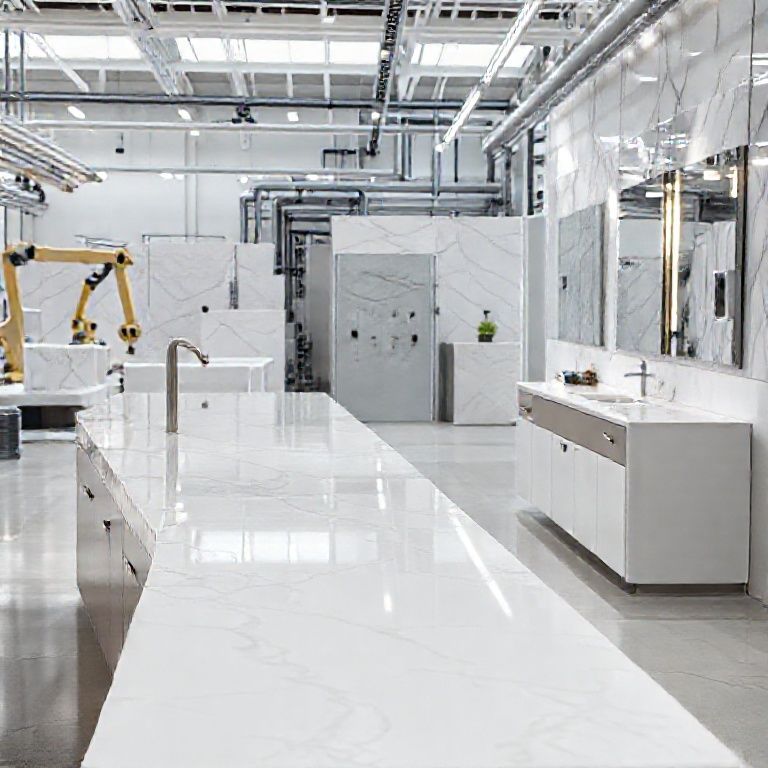
1. Exceptional Durability
Artificial stone, also known as cultured stone, is renowned for its durability. This material is a composite of natural stone and resin, which makes it significantly stronger than natural stone. The hardness of artificial stone means it is highly resistant to scratches, chips, and cracks. This makes it an excellent choice for high-traffic areas where durability is paramount.
2. A Wide Range of Designs and Colors
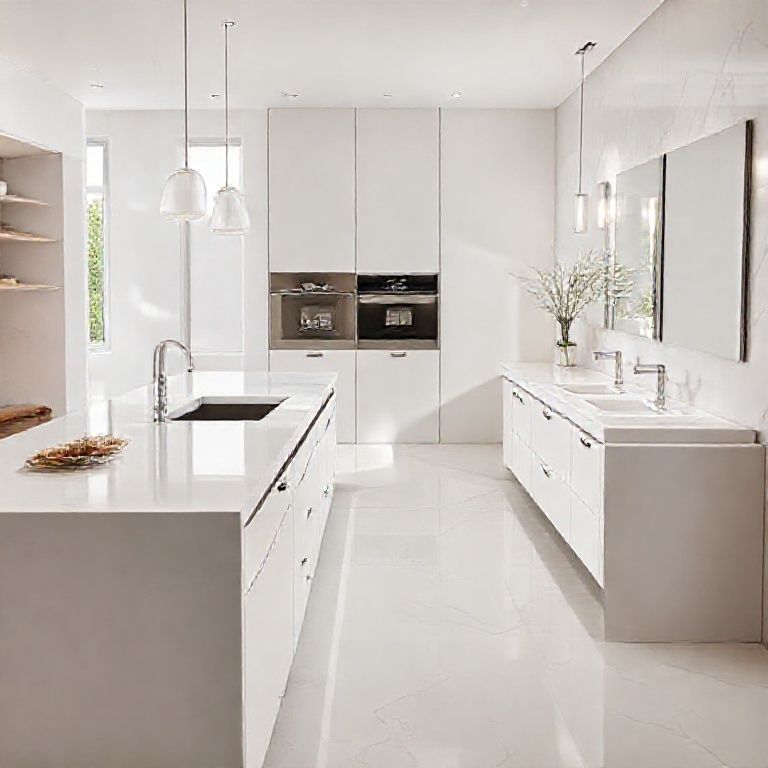
One of the most compelling advantages of artificial stone countertops is the vast array of design and color options available. Manufacturers can mold and color artificial stone in virtually any way imaginable. This allows for a truly customized look that can match or even exceed the aesthetic possibilities of natural stone. Whether you prefer sleek, modern designs or more traditional looks, artificial stone can be tailored to fit your specific needs.
3. Ease of Maintenance
Artificial stone countertops are generally low-maintenance. Unlike natural stone, which requires sealing to protect against stains, artificial stone does not need regular sealing. This makes cleaning easier and less time-consuming. All you need to do is wipe them down with a damp cloth and a mild cleaner to keep them looking pristine.
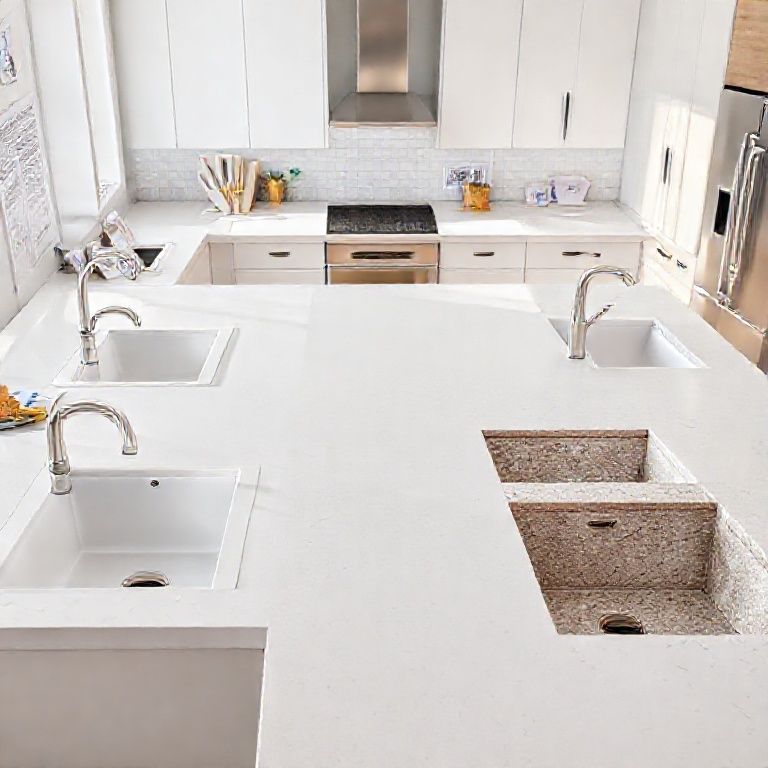
4. Cost-Effectiveness
Another significant advantage of artificial stone countertops is their cost. While high-quality natural stone can be quite expensive, artificial stone offers a more affordable alternative without compromising on quality or appearance. The reduced cost of artificial stone makes it an accessible option for many homeowners.
5. Environmental Considerations
Artificial stone is also an eco-friendly choice. The manufacturing process is less resource-intensive compared to natural stone quarrying, and the use of resin in the composite material means that less natural stone is required. This reduces the environmental impact associated with stone extraction.
6. Weight and Installation
Artificial stone is much lighter than natural stone, making it easier to handle during installation. This lightweight nature also means that it can be installed without the need for extensive reinforcement, simplifying the installation process and reducing overall costs.
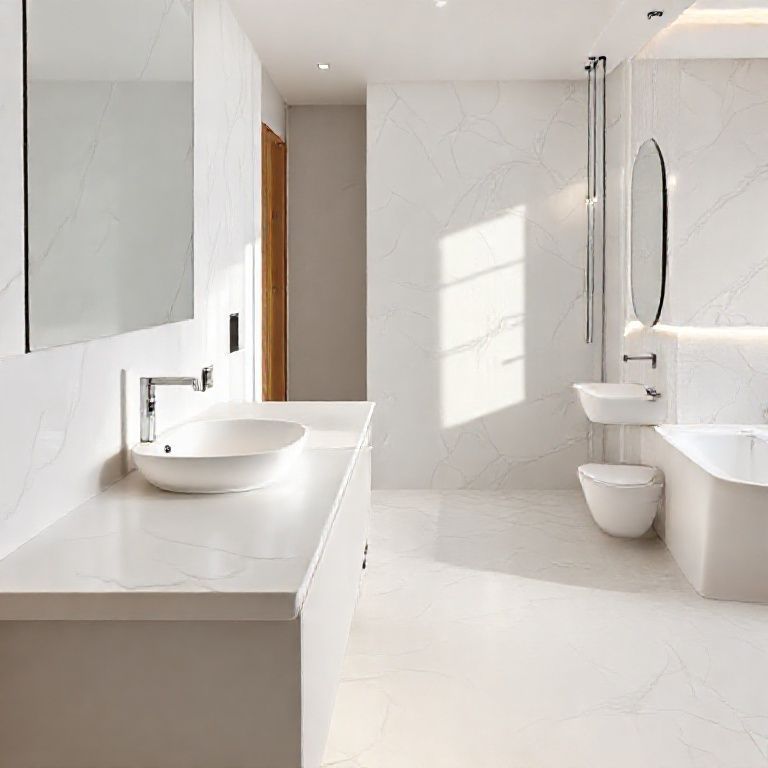
7. Heat Resistance
Artificial stone countertops are highly heat-resistant, making them suitable for areas around stovetops and other heat sources. The material can withstand temperatures that would damage other types of countertops, ensuring longevity and safety.
8. Versatility
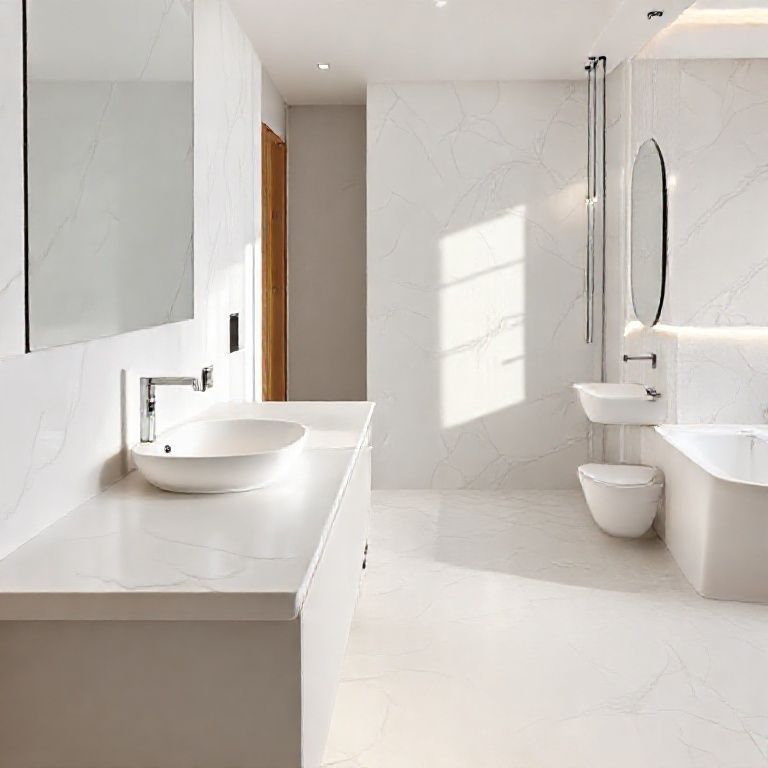
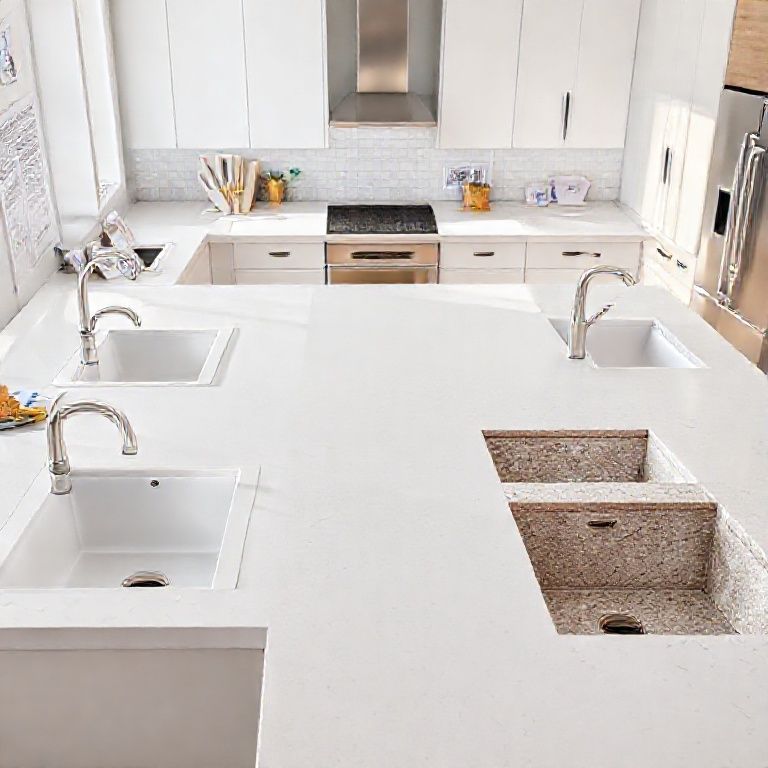
Artificial stone can be used in a variety of applications beyond just kitchen and bathroom countertops. It can be molded into sinks, sinks, and even bathroom vanities. Its versatility allows for creative and functional designs that can enhance any space.
In summary, the advantages of artificial stone countertops are numerous and compelling. From their unmatched durability and aesthetic flexibility to their ease of maintenance and cost-effectiveness, artificial stone offers a compelling alternative to traditional materials. Whether you’re looking to modernize your kitchen or upgrade your bathroom, artificial stone is an excellent choice that provides both style and practicality.
Content:
While artificial stone countertops offer numerous advantages, it’s important to consider their potential drawbacks as well. These disadvantages might influence your decision if you are evaluating whether artificial stone is the best choice for your kitchen or bathroom. Here are the key disadvantages to consider:
1. Aesthetic Limitations
Although artificial stone offers a wide range of designs and colors, there are still limitations in terms of mimicking the natural beauty of real stone. While artificial stone can be molded to create a variety of patterns, it can never fully replicate the unique texture and natural beauty of natural stone. For those who prefer the organic look of natural stone, artificial stone might not meet their aesthetic expectations.
2. Potential for Surface Damage
Despite being durable, artificial stone is not indestructible. While it is resistant to scratches and chips, it can still suffer from surface damage. Impacts from heavy objects, sharp tools, or even the weight of hot pots and pans can cause dents or scratches. This makes it important to handle artificial stone with care to avoid damaging the surface.
3. Warping Under Extreme Conditions
Artificial stone is generally heat-resistant, but it is not impervious to extreme conditions. Prolonged exposure to very high temperatures can cause the material to warp or deform. This is particularly important to consider for those who use their countertops for activities like cooking where high heat is a frequent occurrence.
4. Cost of Repairs
Although artificial stone is durable, it is not invulnerable. If the surface does get damaged, repairs can be costly and complex. Unlike natural stone, which can often be resurfaced or repaired with relative ease, artificial stone might require professional intervention to restore its appearance. This can add to the overall cost of maintaining the countertop.
5. Smell and Health Concerns
When artificial stone is first installed, it can sometimes emit a slight odor due to the resin used in its composition. This odor is generally minimal and dissipates over time, but it is something to be aware of, especially for those with sensitivities to strong smells. Additionally, some people may be concerned about the potential release of chemicals from the resin over time, though manufacturers typically use non-toxic materials.
6. Installation Complexity
While artificial stone is lighter than natural stone, making it easier to handle, the installation process can still be complex. Proper installation requires professional expertise to ensure the countertop is securely attached and properly sealed. Inadequate installation can lead to issues such as water seepage or instability, which can compromise the longevity and appearance of the countertop.
7. Limited Customization
Although artificial stone offers a wide range of designs and colors, the customization options are still somewhat limited compared to natural stone. Natural stone has a unique and natural look that can’t be replicated exactly by artificial stone. If you desire a truly one-of-a-kind design, natural stone might be the better choice.
8. Potential for Fading
Artificial stone is generally resistant to staining and discoloration, but it is not immune. Over time, prolonged exposure to certain chemicals or harsh cleaning agents can cause the surface to fade or lose its color. Regular maintenance and proper cleaning are essential to preserve the appearance of the countertop.
In conclusion, while artificial stone countertops offer many advantages, it’s crucial to consider their potential drawbacks. Aesthetic limitations, the possibility of surface damage, warping under extreme conditions, and the cost of repairs are all factors that can influence your decision. Additionally, concerns about smell, installation complexity, limited customization, and potential fading should not be overlooked. By understanding both the pros and cons, you can make a well-informed choice that best suits your needs and preferences.