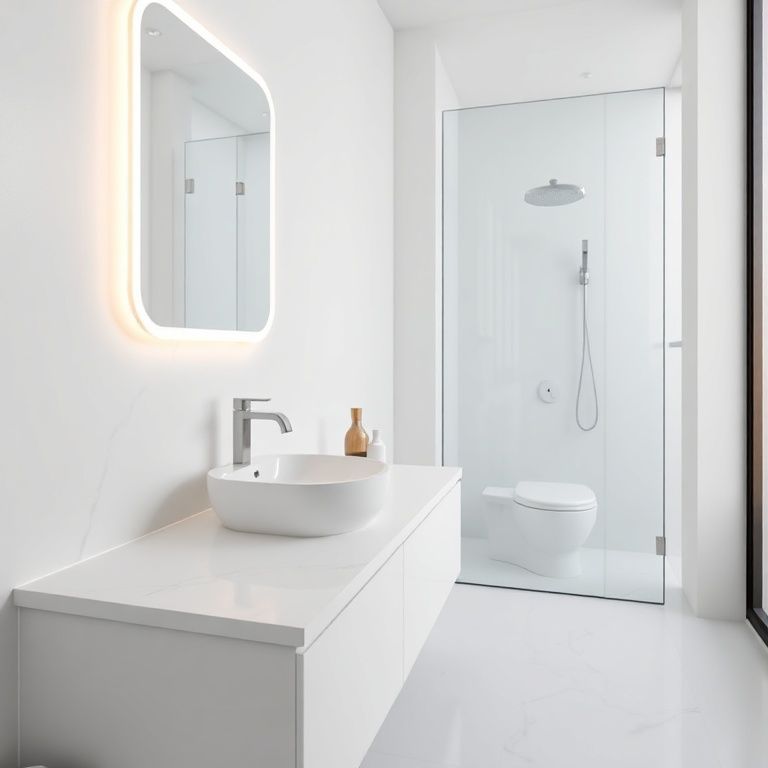
The Advantages of Quartz Countertops
When it comes to modern kitchen and bathroom design, quartz countertops have emerged as a popular choice among homeowners and designers alike. Their combination of beauty, durability, and practicality has made them a go-to option for many. Let’s dive into the numerous advantages that quartz countertops offer:
1. Unmatched Durability and Strength
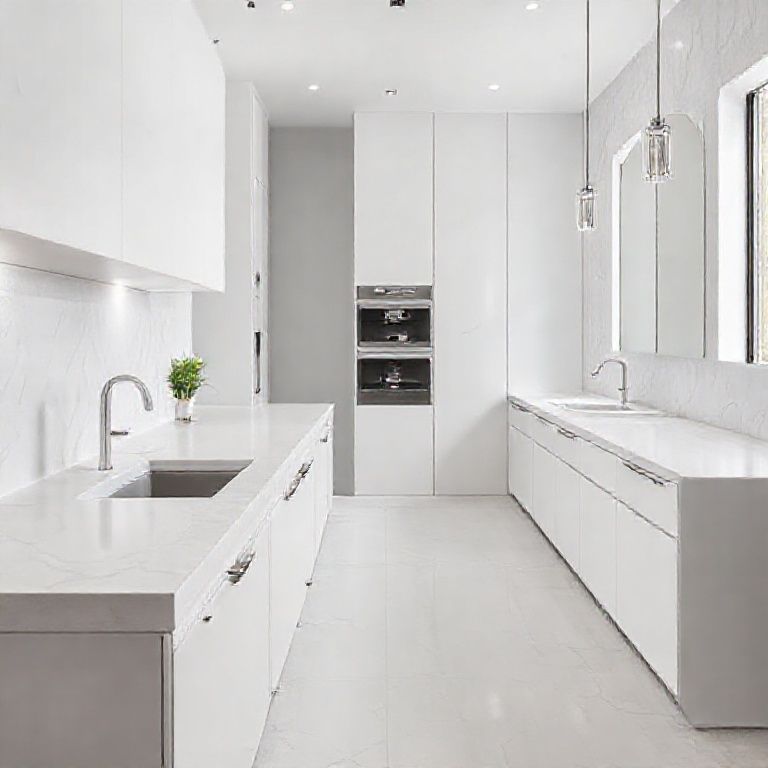
One of the most significant advantages of quartz countertops is their exceptional durability. Quartz is a naturally occurring material, and when combined with other materials to form quartz countertops, it results in a product that is incredibly hard and resistant to scratches, dents, and impacts. This makes it a superior choice for high-traffic areas like kitchens where durability is paramount.
2. Stain and Scratch Resistance
Quartz countertops are highly resistant to stains and scratches, making them a practical choice for busy households. Unlike granite, which can be prone to staining, quartz maintains its pristine appearance even when exposed to everyday spills and spills from cooking. This resistance extends to scratches from knives and other sharp objects, ensuring that the countertop will look as good as new for years to come.
3. Easy to Maintain
Maintenance of quartz countertops is a breeze compared to many other types of countertops. They only require a simple wipe down with a mild soap and water solution to keep them looking fresh. Unlike other materials that may require special cleaners or frequent maintenance, quartz can handle the daily wear and tear of kitchen use with minimal effort. This low-maintenance feature is a huge benefit for those who prefer a hassle-free kitchen environment.
4. Wide Range of Colors and Designs
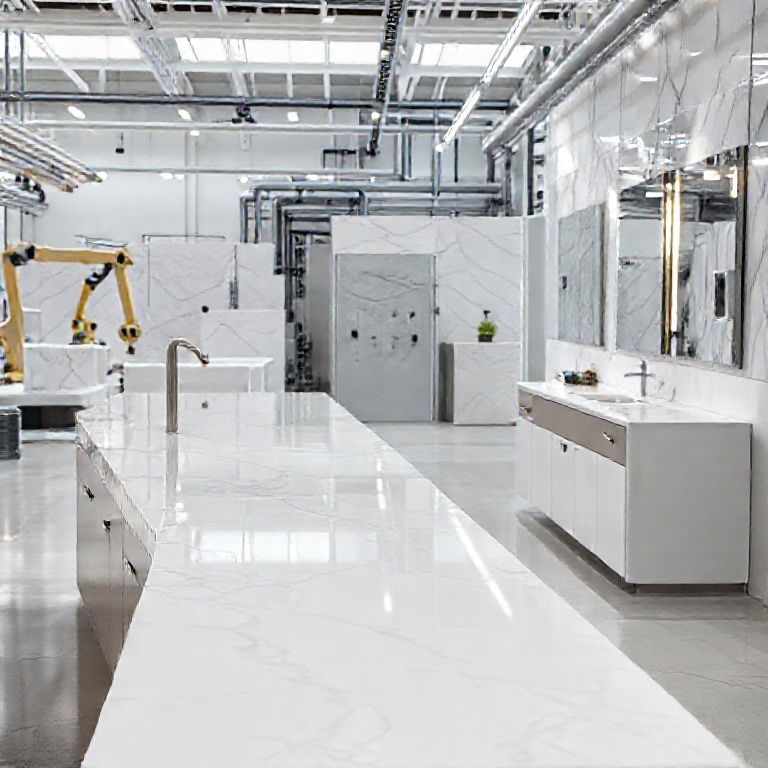
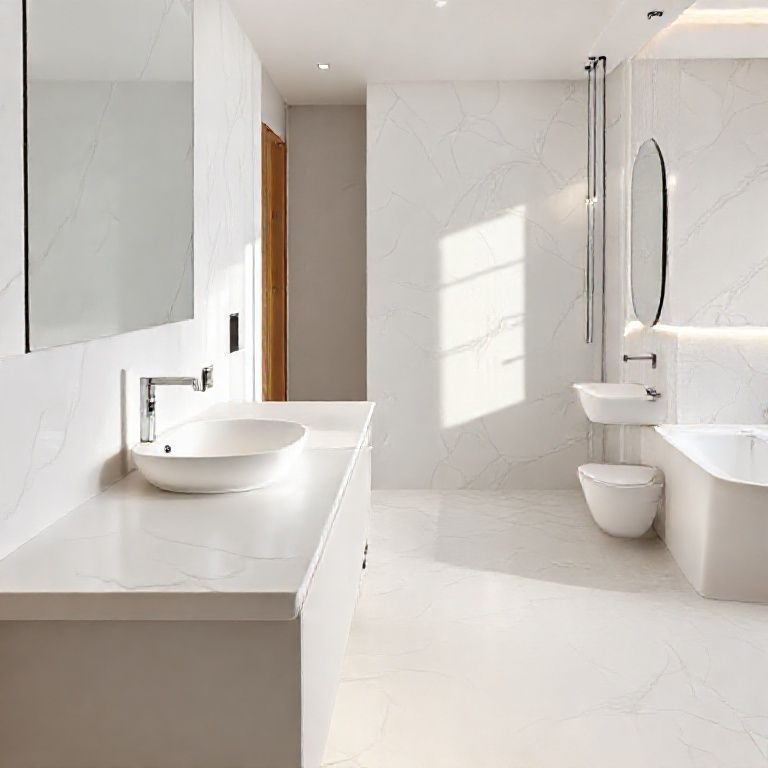
Quartz countertops come in an extensive variety of colors, patterns, and designs, allowing homeowners to match their aesthetic preferences precisely. The manufacturers can create unique designs by mixing different colors and patterns, giving the illusion of a custom-made piece. Whether you prefer a sleek, modern look or a more traditional style, quartz offers a versatile solution to fit any design vision.
5. Antimicrobial Properties
Quartz countertops have natural antimicrobial properties, which help to keep bacteria and other microorganisms at bay. This is particularly beneficial in a kitchen setting where cleanliness is paramount. The surface of quartz is not porous, meaning it doesn’t harbor bacteria like some other types of countertops might. This feature ensures that your kitchen remains a safer and healthier environment.
6. Affordable Compared to Natural Stone
While quartz is a man-made product, it often provides a cost-effective alternative to natural stone countertops such as granite or marble. High-quality quartz countertops can be priced more competitively while still offering the durability and beauty of natural stone. This affordability makes them an attractive option for those looking to upgrade their kitchen or bathroom without breaking the bank.
7. Sustainable Choice
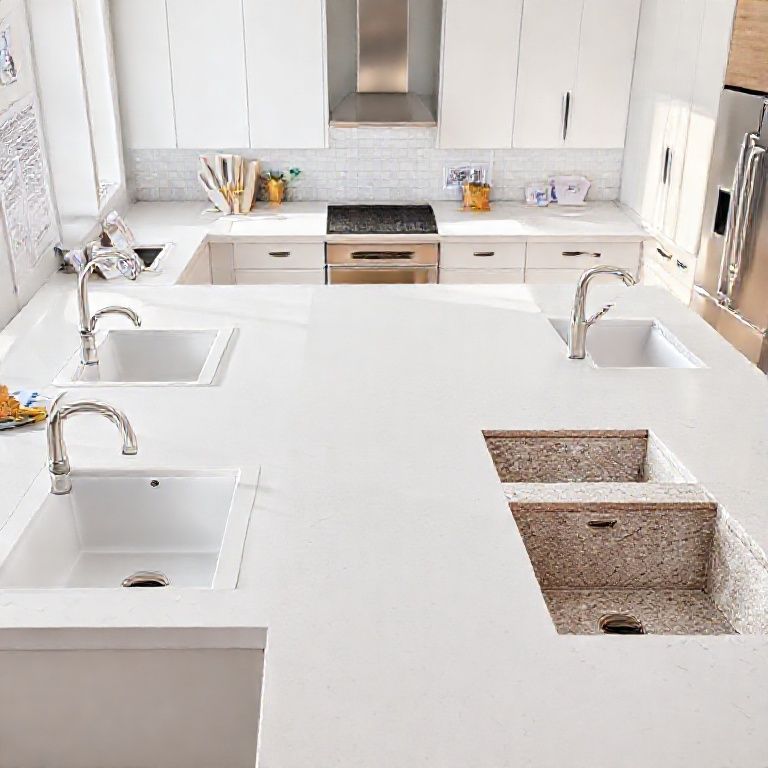
Quartz countertops are also an eco-friendly choice. Since they are made from a combination of quartz sand and other materials, they do not require the extensive quarrying and transportation processes associated with natural stone. This makes quartz a more sustainable option, reducing the environmental impact of countertop manufacturing.
8. Installation Flexibility
Quartz countertops can be installed over various base materials, including plywood, cement board, and even concrete. This flexibility makes them suitable for a range of remodeling projects, from new constructions to renovations. The installation process is relatively straightforward, often requiring only basic tools and skills, which can be a great advantage for DIY enthusiasts.
In summary, quartz countertops offer a combination of durability, aesthetic versatility, and ease of maintenance, making them a top choice for many homeowners. Their resistance to stains and scratches, coupled with their antimicrobial properties and cost-effectiveness, further enhance their appeal. Whether you are a designer looking for the perfect material or a homeowner seeking a practical upgrade, quartz countertops present a compelling option worth considering.
The Disadvantages of Quartz Countertops
While quartz countertops offer numerous advantages, it’s essential to consider the potential drawbacks before making a decision. Understanding both the positives and negatives will help you determine if quartz is the right choice for your home. Here’s a detailed look at the disadvantages of quartz countertops:
1. Heat Sensitivity
One of the primary concerns with quartz countertops is their sensitivity to extreme heat. While quartz is highly resistant to everyday spills and scratches, it can be damaged by extremely hot items such as pots, pans, or even hot beverages left on the surface for extended periods. When exposed to high temperatures, quartz can develop hot spots or even cracks, which can mar the appearance of the countertop.
To mitigate this issue, it’s recommended to use trivets or hot pads when placing hot items on the countertop and to avoid leaving hot items on the surface for extended periods. This precaution ensures that the beauty and integrity of the quartz countertop are maintained.
2. Cost of Repairs
Although quartz countertops are durable and low-maintenance, repairing damage can be more expensive compared to other materials. Unlike some other countertops, quartz is not easily repaired in the same way. If a scratch or crack does occur, the only real solution is often to replace the entire countertop or a significant portion of it. This can be a costly endeavor, especially if the damage is extensive.
3. Weight and Installation Challenges
Quartz countertops are heavier than some other countertop materials, which can pose installation challenges. The weight of the material means that careful planning and the use of proper tools and techniques are essential to ensure a smooth installation process. It may require professional installation to avoid any potential issues with the weight and to ensure that the countertop is securely attached to the cabinet or base.
Additionally, the installation process for quartz countertops might be more complex than for some other materials, particularly if the countertop is installed over a concrete base. This added complexity can sometimes result in higher installation costs.
4. Limited Customization
While quartz offers a wide range of colors and patterns, the customization options are somewhat limited compared to natural stone. Natural stone countertops can offer a unique, one-of-a-kind look because they are entirely natural. Quartz, on the other hand, is manufactured and, while it can mimic natural stone, it lacks the individuality and uniqueness that natural stone can provide.
For those seeking a truly unique and bespoke look, natural stone might be the better option despite its higher cost and maintenance requirements.
5. Potential for Surface Damage
Although quartz is highly resistant to stains and scratches, it is not entirely impervious to all forms of surface damage. Over time, the surface of quartz countertops can develop minor scratches or etchings, particularly if abrasive cleaners or tools are used. While these scratches are often not as noticeable as those on other materials, they can still be a concern for some homeowners.
To maintain the pristine appearance of the countertop, it’s important to use gentle cleaning products and avoid abrasive scrubbing pads or tools. Regular maintenance can help to minimize the appearance of minor surface imperfections.
6. Environmental Concerns
While quartz countertops are generally considered more sustainable than natural stone due to the reduced need for quarrying, there are still environmental concerns associated with their production. The manufacturing process for quartz countertops involves the use of various chemicals and energy-intensive processes, which can contribute to environmental pollution.
Additionally, the transportation of quartz countertops from manufacturing facilities to installation sites can also have a carbon footprint. While these concerns are relatively minor compared to natural stone, it’s something to consider for environmentally conscious consumers.
7. Limited Lifespan Compared to Some Alternatives
While quartz countertops are highly durable, their lifespan might not match that of the very best natural stone options. Natural stone materials like granite or marble are renowned for their longevity and resistance to wear and tear over centuries. While quartz offers impressive durability, it is still a man-made product and may not last as long as natural stone, especially if subjected to extreme conditions.
Conclusion
In conclusion, quartz countertops present a compelling blend of advantages and disadvantages. Their durability, ease of maintenance, and wide range of design options make them an excellent choice for many homeowners. However, considerations such as heat sensitivity, the cost and complexity of repairs, and potential environmental impacts should not be overlooked.
By weighing these pros and cons, you can make a well-informed decision that aligns with your specific needs and preferences. Whether you opt for quartz or another material, understanding the full spectrum of benefits and drawbacks will help you achieve the perfect balance between style and practicality in your home.
Understanding both the advantages and disadvantages of quartz countertops allows you to make an informed choice that will best suit your lifestyle and design goals. Whether you are looking to enhance the aesthetics of your kitchen or create a more sustainable and low-maintenance living space, quartz offers a range of benefits that make it a worthy consideration.