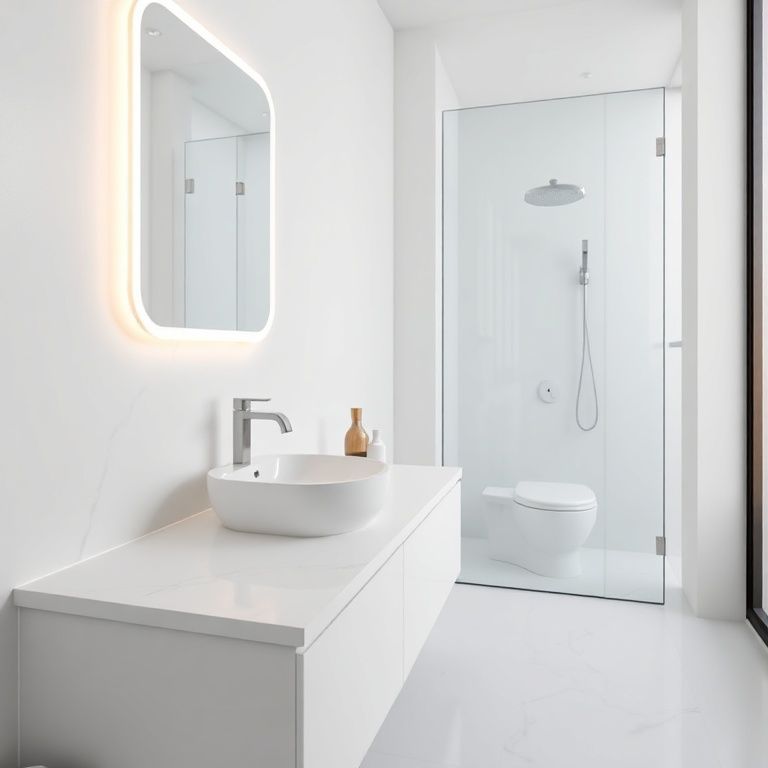
The Advantages of Quartz Countertops
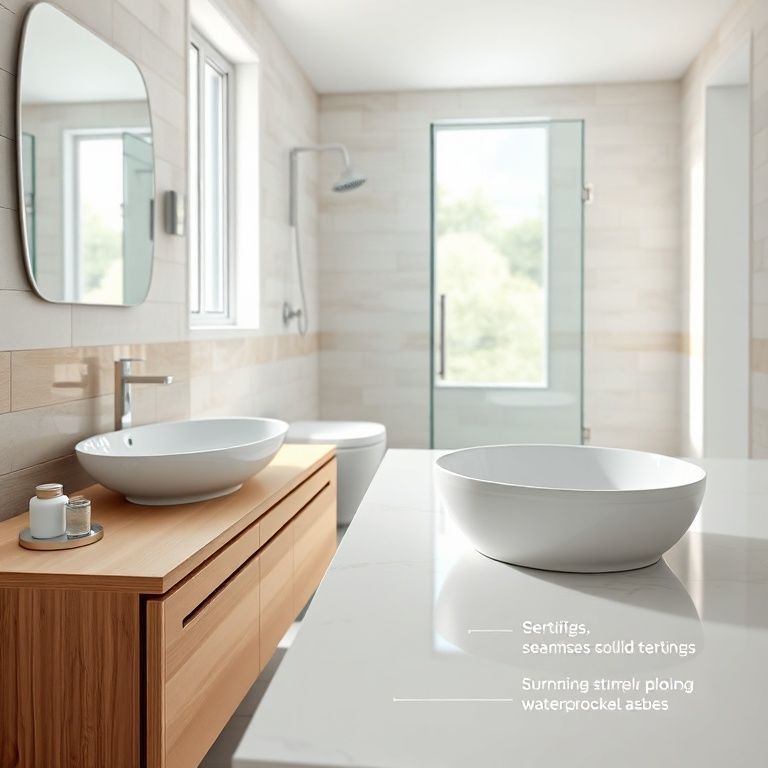
Quartz countertops have become a popular choice for modern kitchens and bathrooms due to their impressive range of benefits. These synthetic stone surfaces are crafted from 94% pure quartz and other natural minerals, offering a stunning aesthetic that rivals traditional natural stone while providing enhanced functionality. Here are some of the major advantages of quartz countertops:
1. Unmatched Durability
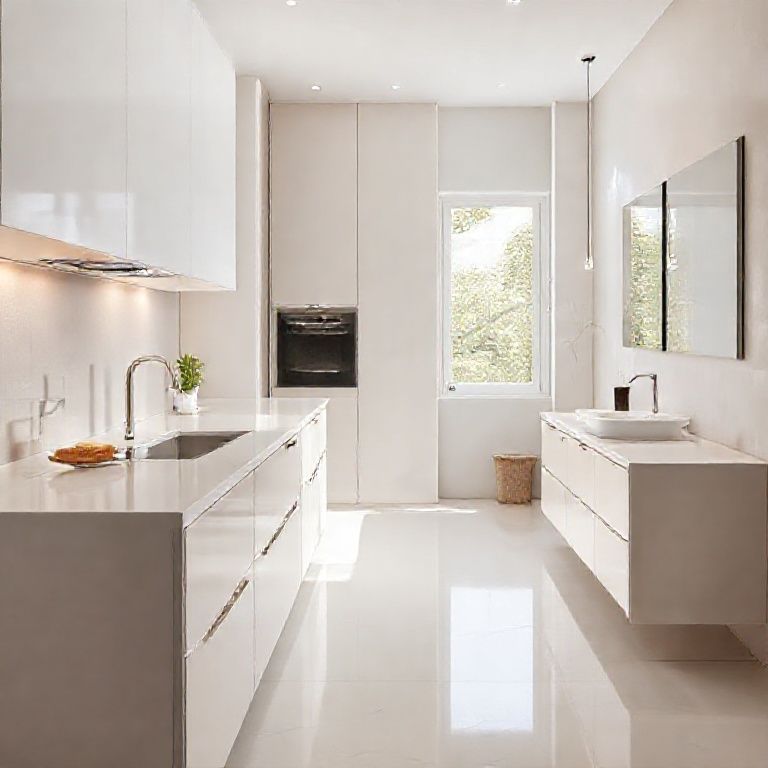
One of the most significant benefits of quartz countertops is their durability. Quartz is an incredibly hard material, ranking 7 on the Mohs scale of hardness, which means it is highly resistant to scratches, dents, and impact. Unlike granite and marble, quartz does not absorb liquids, which makes it extremely resistant to stains and spills. This feature ensures that quartz countertops require minimal maintenance, as cleaning is as simple as wiping them down with a damp cloth and a mild detergent.
2. Versatile Aesthetic Options
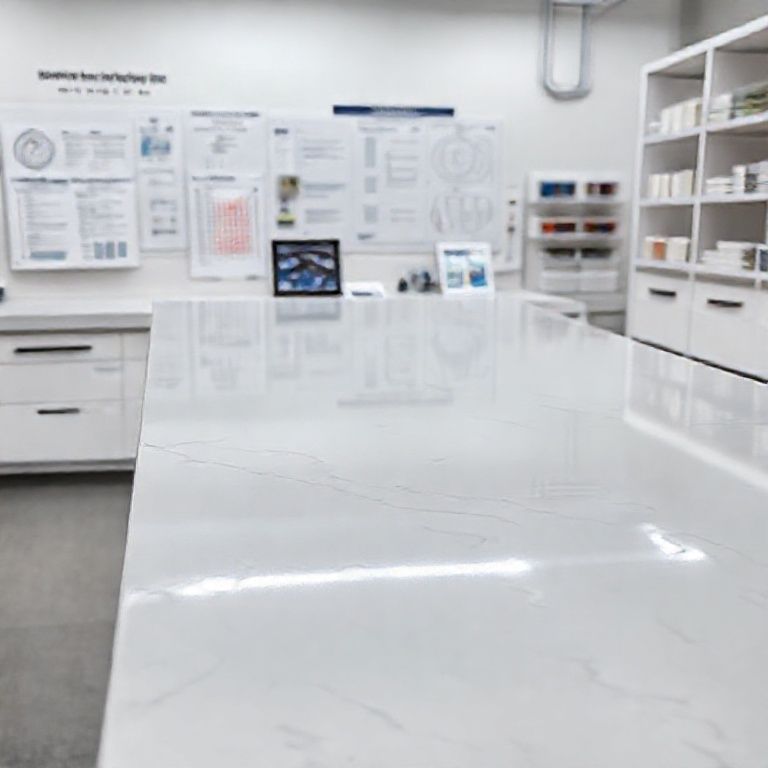
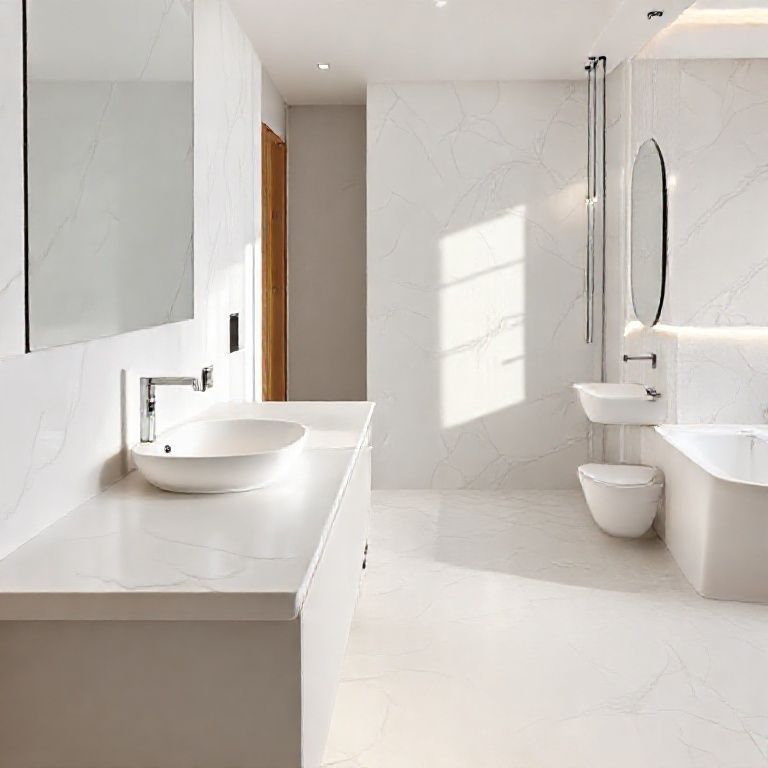
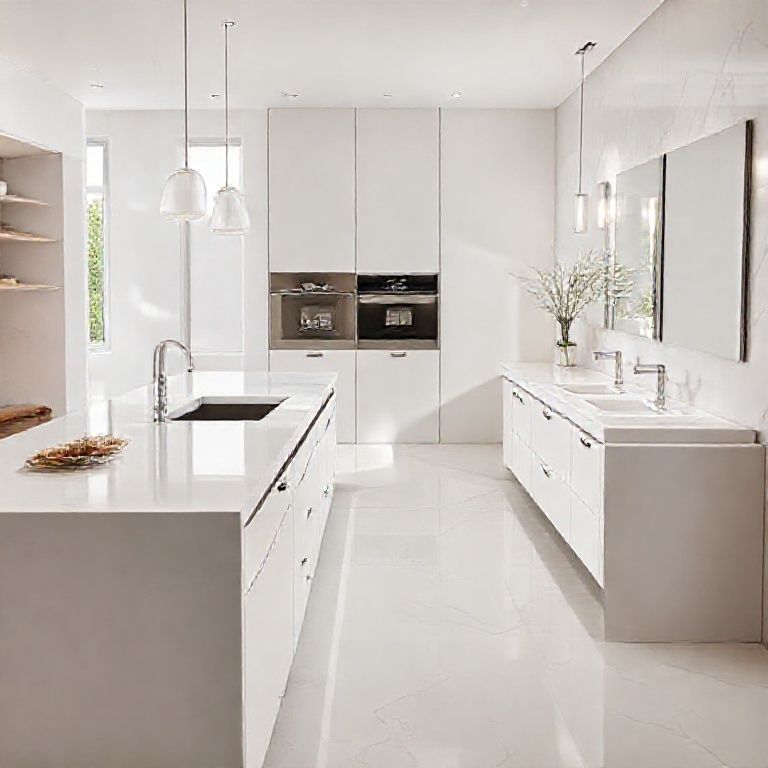
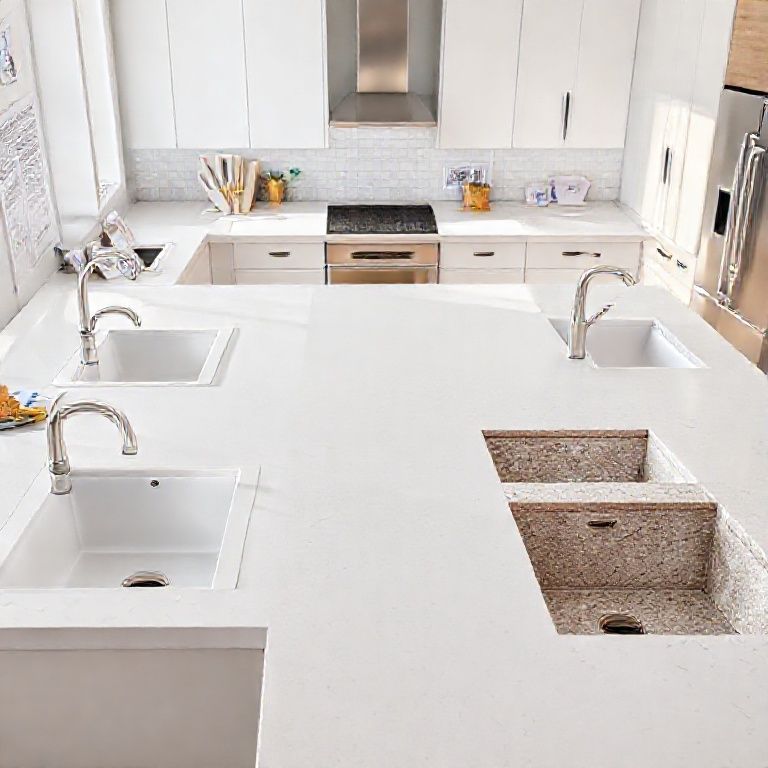
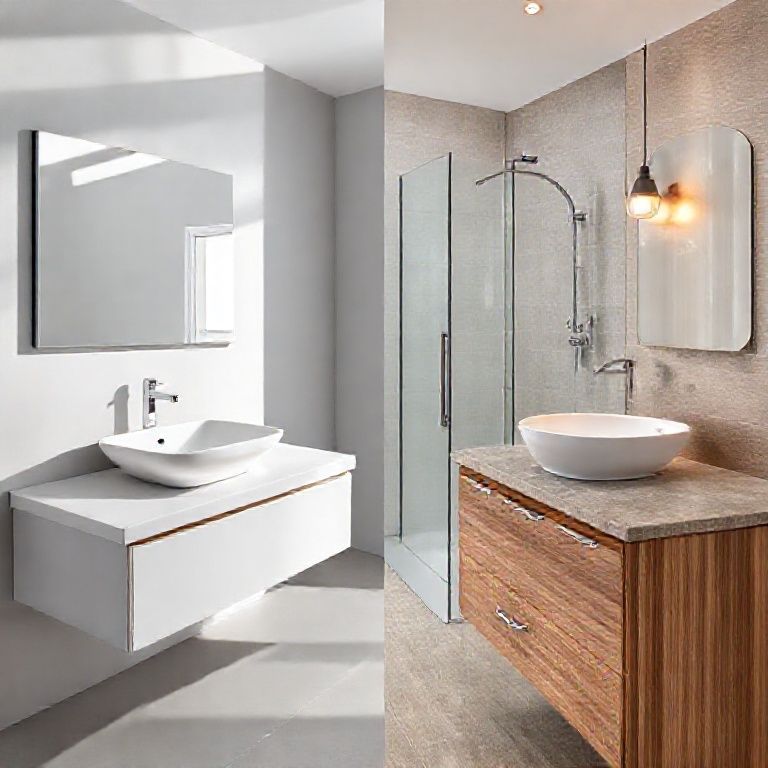
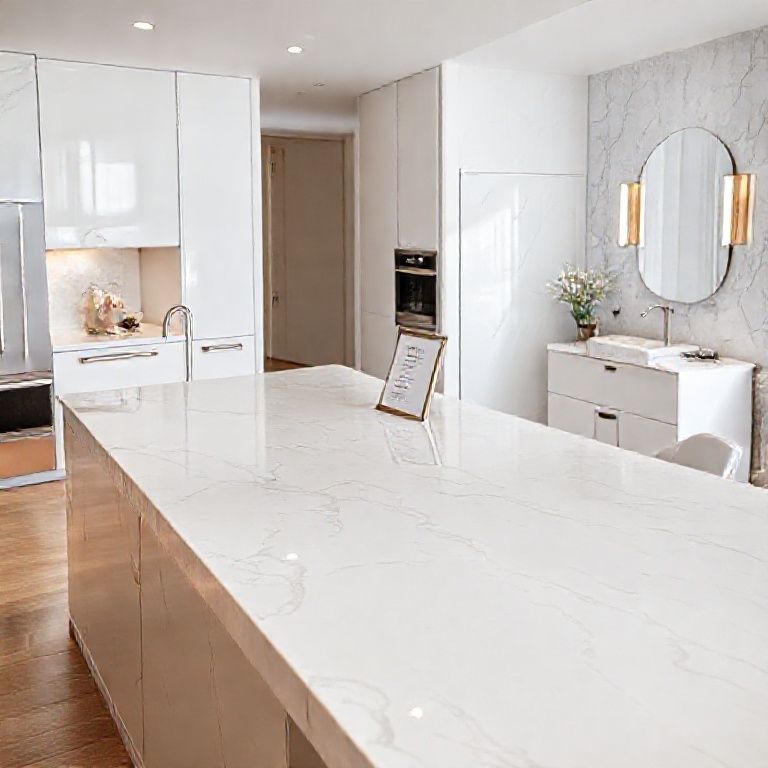
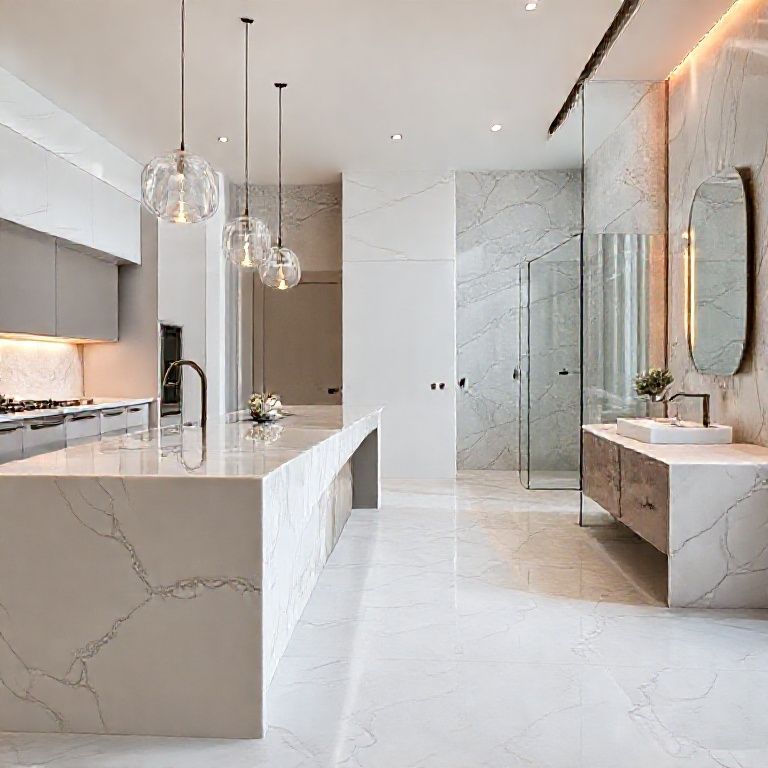
Quartz countertops offer a vast array of colors, patterns, and finishes. Manufacturers use advanced technology to create quartz in a multitude of designs, from classic marble veining to contemporary geometric patterns. This versatility allows homeowners to select a quartz countertop that matches or even exceeds the visual appeal of natural stone options, all while maintaining the practicality of a more durable material.
3. Low Maintenance
Quartz is one of the easiest types of countertops to maintain. Because it does not absorb liquids, it is not prone to staining. Spills can be wiped up easily without leaving a trace. Moreover, because quartz does not react with acidic substances, it is safe to use with a wide range of kitchen utensils and cleaning products. Unlike natural stone, quartz does not require sealing, which means there is no risk of developing cloudy spots or requiring frequent resealing.
4. Antimicrobial Properties
Quartz countertops have inherent antimicrobial properties. The material used to create quartz is naturally resistant to bacteria, mold, and mildew, which makes them ideal for kitchen and bathroom environments where hygiene is a concern. This feature reduces the need for additional treatments or cleaning products, further simplifying maintenance.
5. Cost-Effectiveness
While the initial cost of quartz countertops can be higher than some synthetic alternatives, they often provide better value for money over time. The durability and low maintenance requirements mean that quartz countertops can last for decades with minimal upkeep, reducing the need for costly repairs or replacements. Additionally, their visual appeal can increase the resale value of a home.
6. Eco-Friendly
Quartz countertops are an environmentally friendly option. The production process uses less water and energy compared to natural stone extraction, and the material is recyclable. Additionally, quartz countertops do not require additional treatments or sealants that might contain harmful chemicals, making them a more sustainable choice.
7. Easy Installation
Installing quartz countertops is straightforward. The material is relatively lightweight and can be cut using standard tools, making it accessible for professional installers. Quartz countertops are available in various thicknesses and can be installed over existing surfaces without significant demolition.
8. Enhanced Safety
Quartz countertops are not only durable but also provide a safer surface. The material is non-porous and does not harbor harmful bacteria, making it safer for families with young children and pets. The hard surface also does not scratch easily, which means it is less likely to become a tripping hazard compared to softer natural stone options.
9. Versatility in Design
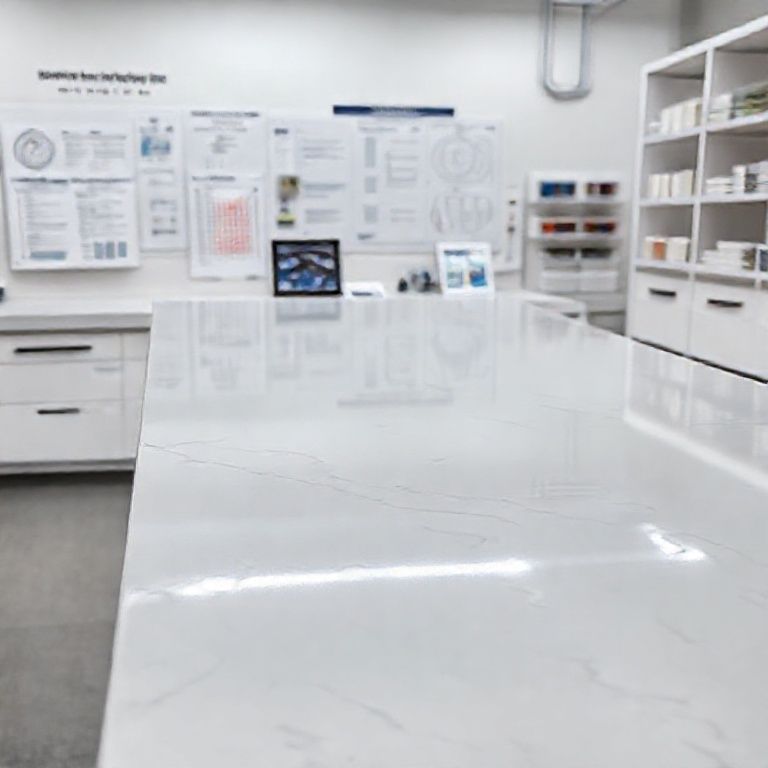
Quartz countertops can be used in various settings beyond just kitchens and bathrooms. They are popular in commercial kitchens, offices, and even outdoor spaces like patios and decks. Their versatility in design and functionality makes them an excellent choice for diverse applications.
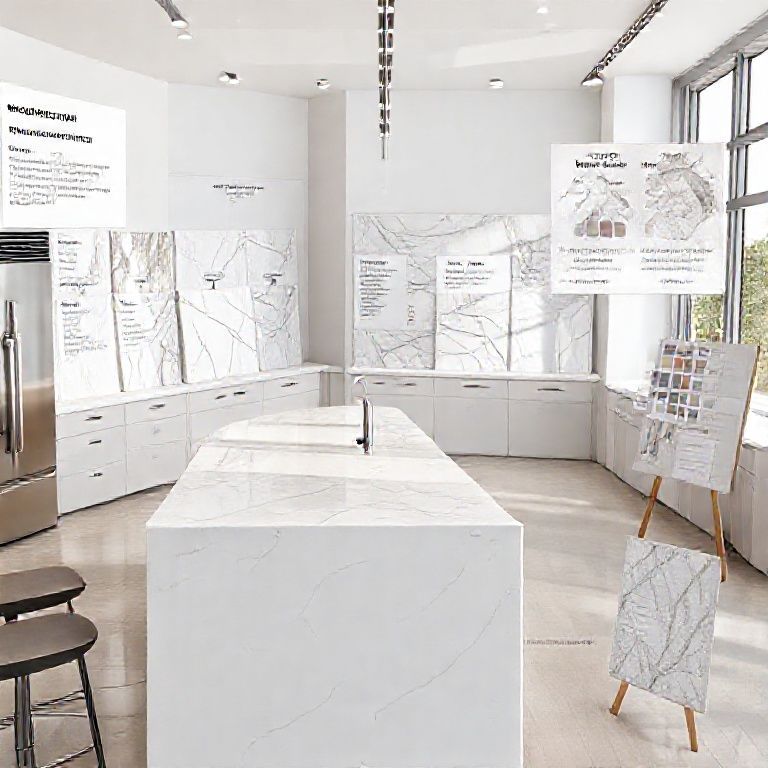
In conclusion, quartz countertops offer an impressive range of benefits that make them a highly attractive option for both residential and commercial spaces. From their unmatched durability and low maintenance to their versatile aesthetic options and cost-effectiveness, quartz provides a practical and stylish solution for modern design needs.
The Disadvantages of Quartz Countertops
While quartz countertops boast numerous advantages, they are not without their drawbacks. Understanding these potential downsides can help you make a more informed decision about whether quartz is the right choice for your space. Here are some of the primary disadvantages of quartz countertops:
1. Higher Initial Cost
One of the most significant drawbacks of quartz countertops is their higher initial cost compared to some other materials. Although quartz countertops offer long-term savings due to their durability and low maintenance, the upfront expense can be a barrier for some homeowners. The price can vary depending on the design, color, and thickness of the countertop, but it generally falls into a higher price range than alternatives like laminate or composite materials.
2. Cutting and Installation Challenges
While quartz is relatively easy to install due to its lightweight and manageable thickness, cutting the material can present challenges. Quartz requires specialized tools like diamond blades to cut accurately, and the process can be noisy and require a bit of expertise. This can make DIY installation more difficult and may necessitate hiring a professional, which can add to the overall cost.
3. Heat Sensitivity
Although quartz is highly resistant to scratches and stains, it is not as heat-resistant as some might believe. Prolonged exposure to high heat can cause quartz countertops to discolor or develop a white or cloudy appearance. While short bursts of high heat (like from a pan or hot coffee pot) are generally fine, continuous heat can be an issue. Therefore, it’s important to use heat-resistant pads or trivets when placing hot items on the surface.
4. Limited Availability of Customization
While quartz countertops offer a wide range of designs and patterns, the customization options are somewhat limited compared to other materials like granite or natural stone. While manufacturers have made significant strides in creating unique patterns and colors, the range of truly custom designs is still more limited. This might be a consideration for those looking for highly bespoke designs.
5. Weight and Handling
Despite being lightweight compared to natural stone, quartz countertops can still be heavy to handle, especially when working with large sheets. This can make installation more labor-intensive and may require additional support during transport and installation. Proper handling techniques should always be employed to avoid injury or damage.
6. Environmental Concerns
Although quartz is generally considered an eco-friendly option, the mining and processing of quartz can have environmental impacts. The extraction of raw materials and the energy-intensive processes required to create quartz countertops can contribute to environmental degradation if not managed sustainably. It’s important to consider the entire lifecycle of the product, including production, transportation, and disposal.
7. Potential for Damage with Extreme Heat
Although quartz is highly resistant to scratches and stains, it is not completely impervious to damage from extreme heat. Prolonged exposure to very high temperatures can cause the surface to crack or develop a white, cloudy appearance. While this is less common than discoloration, it’s an important consideration for those who frequently use their countertops for cooking or other high-heat activities.
8. Limited Color and Pattern Variations
While quartz countertops offer a wide range of colors and patterns, the variety is still somewhat limited compared to natural stone. The ability to create custom designs is available but is often more costly and less flexible than with natural stone. For those seeking highly unique and bespoke designs, quartz may not offer the same level of customization.
9. Initial Settling
New quartz countertops may require some time to settle and stabilize after installation. This means that there might be minor adjustments needed to ensure that the countertop is perfectly flat and level. While this is typically a minor issue, it can add a bit of complexity to the installation process.
10. Aesthetic Limitations
While quartz countertops offer a broad spectrum of colors and patterns, they might not appeal to everyone’s taste. Some may find that the modern, industrial aesthetic of quartz does not fit with their traditional or vintage home decor. It’s essential to consider the overall design style of your home before making a decision.
In conclusion, while quartz countertops offer many compelling benefits, it is essential to weigh these against their potential disadvantages. Understanding the higher initial cost, challenges with cutting and installation, heat sensitivity, and other factors can help you make a more informed decision about whether quartz is the right choice for your space. By carefully considering both the advantages and disadvantages, you can determine if the long-term benefits of quartz countertops justify the upfront investment and installation challenges.