Synthetic Marble: Unveiling Its Advantages
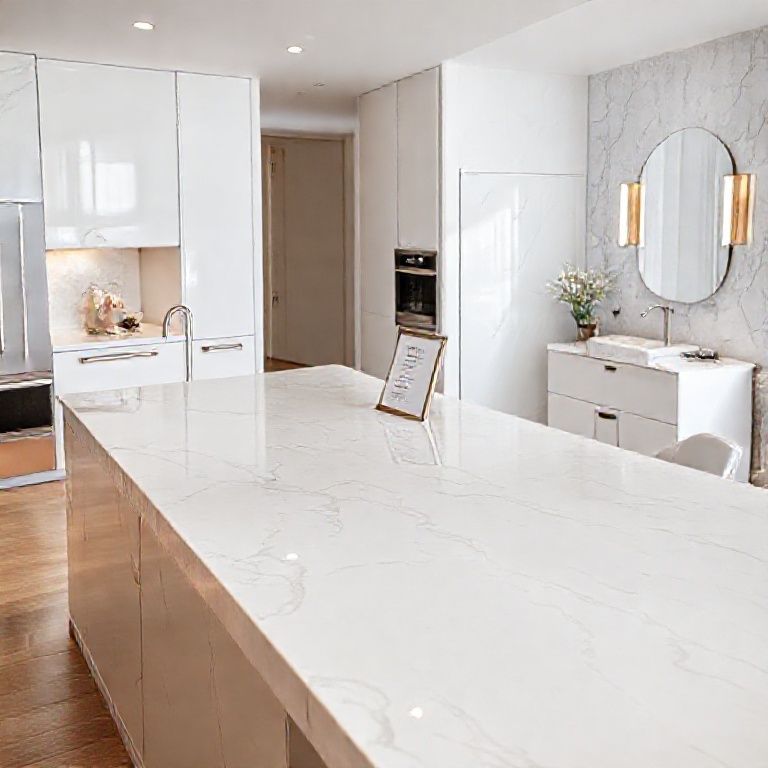
Synthetic marble, also known as artificial stone, has revolutionized the world of interior design and architecture. This material is a marvel of modern engineering, blending the aesthetic appeal of traditional marble with the practicality of contemporary materials. As we explore the advantages of synthetic marble, we’ll uncover why it’s becoming a preferred choice for both commercial and residential projects.
1. Durability and Strength
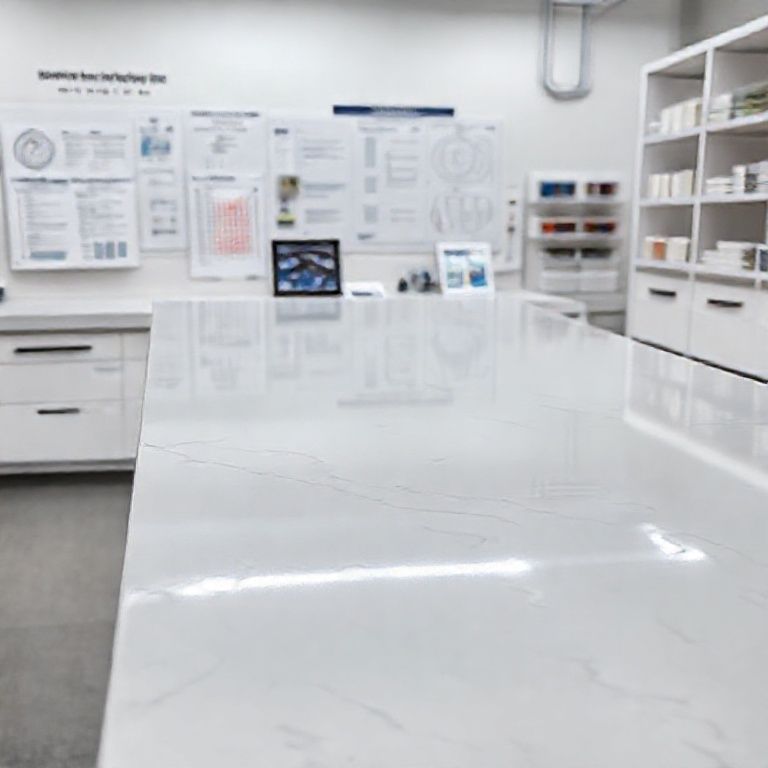
One of the most significant advantages of synthetic marble is its exceptional durability. Unlike natural marble, which is prone to scratches, chips, and staining, synthetic marble is engineered to withstand the test of time. This material is composed of a mixture of quartz, resins, and pigments, giving it a superior strength that can endure heavy foot traffic and daily wear and tear. This makes synthetic marble an ideal choice for high-traffic areas such as commercial kitchens, offices, and public spaces.
2. Design Flexibility
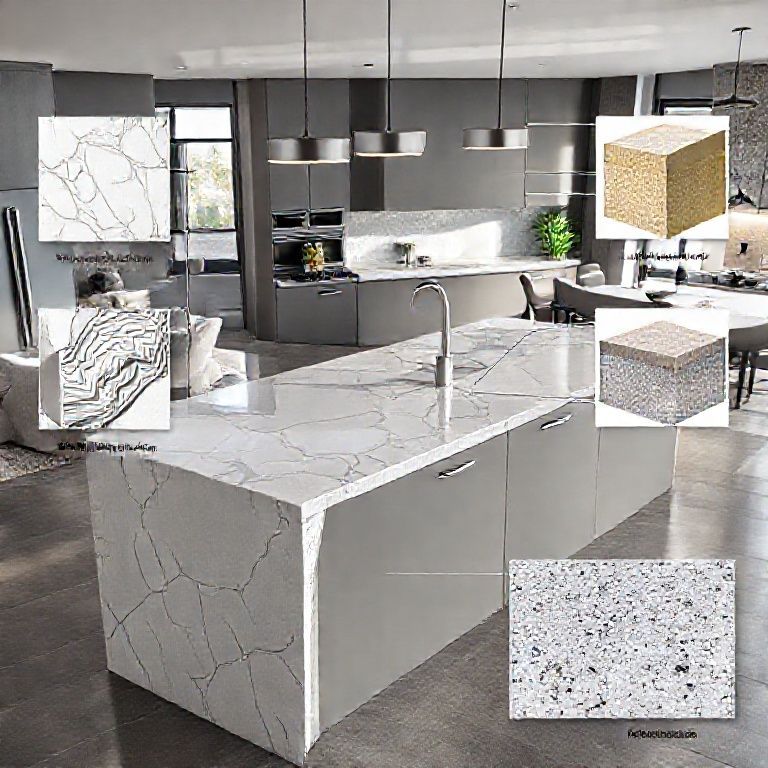
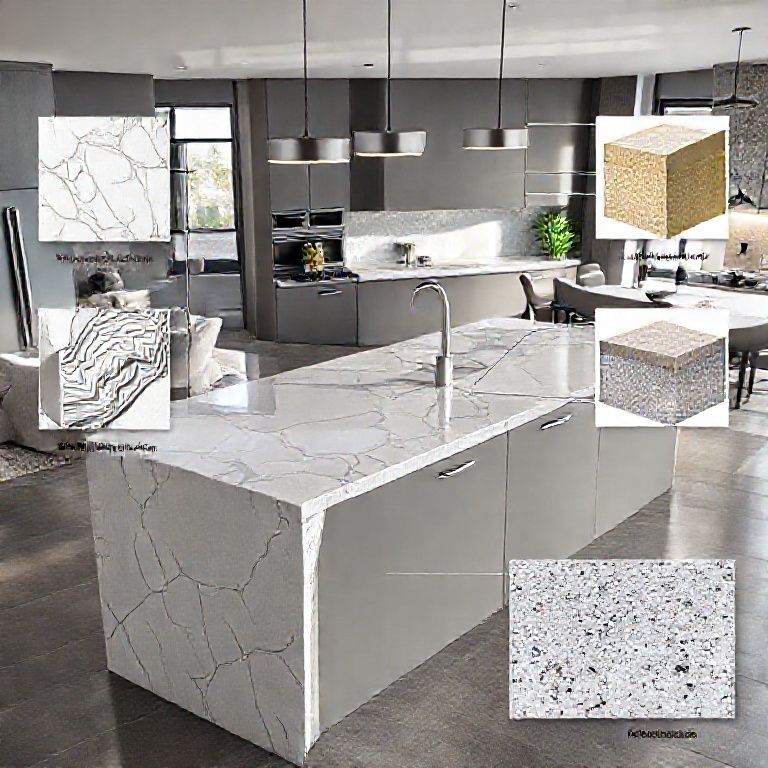
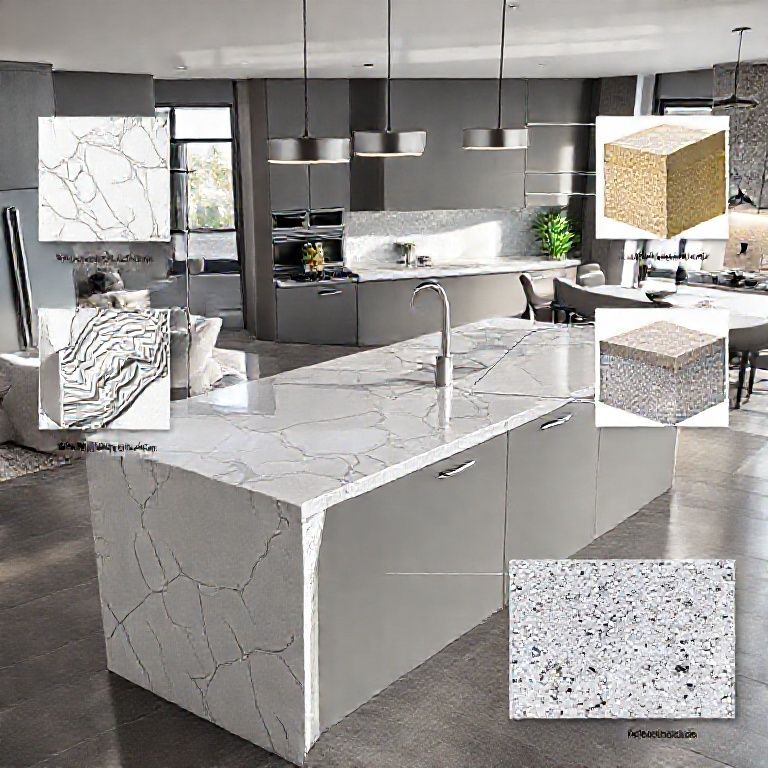
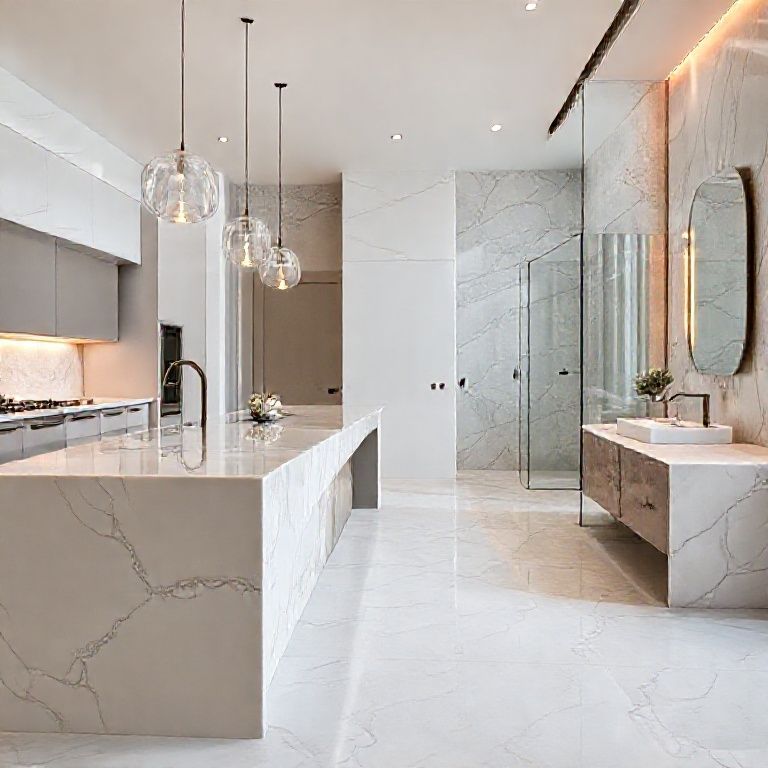
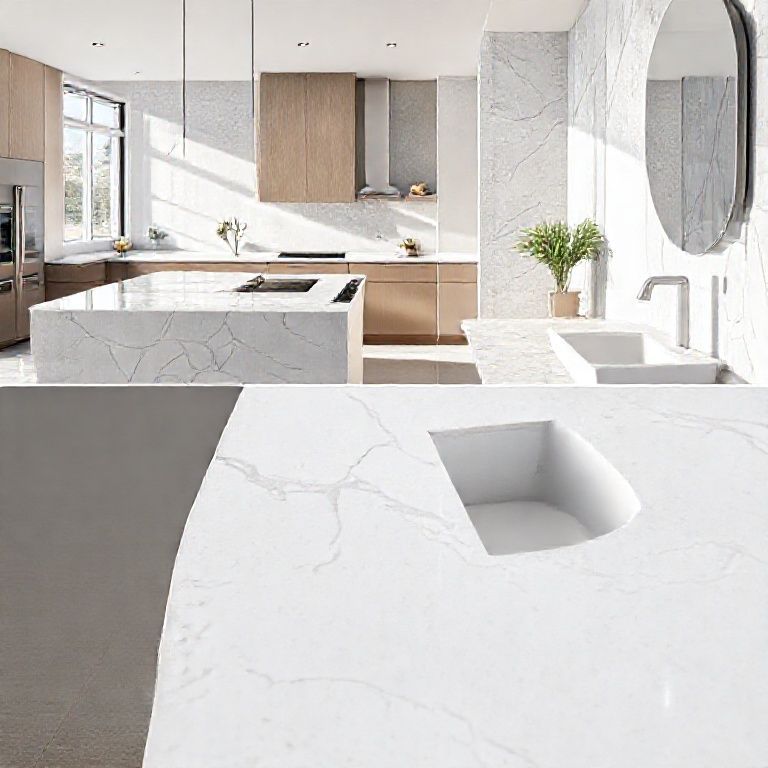
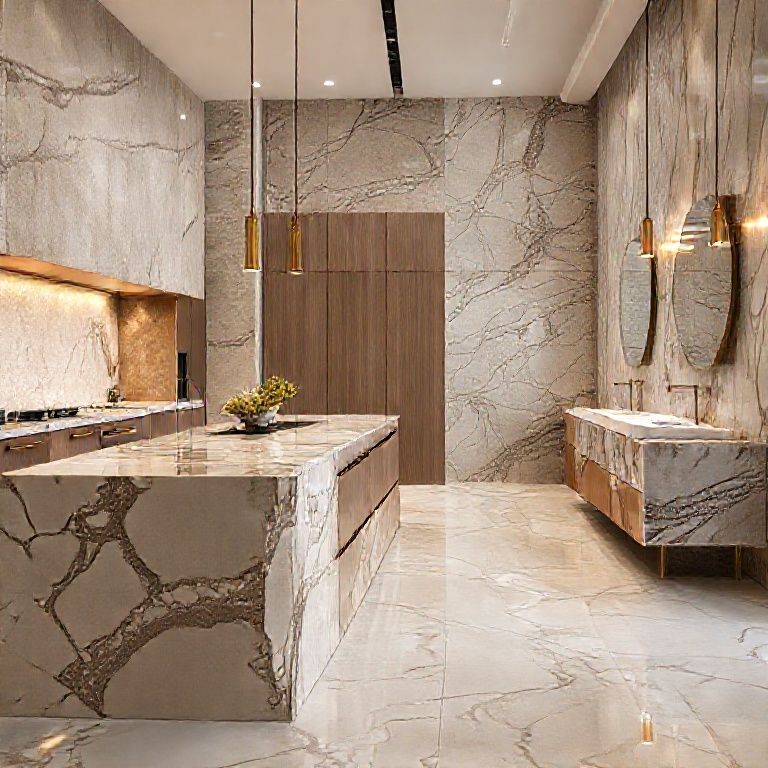
The beauty of synthetic marble lies in its design flexibility. Manufacturers can customize the color, texture, and pattern to match specific design requirements. Whether you want a traditional marble look or a unique, bespoke design, synthetic marble can be crafted to fit your vision. This versatility allows architects and designers to push the boundaries of creativity, resulting in stunning and innovative designs that were once impossible with natural materials.
3. Cost-Effectiveness
Another compelling advantage of synthetic marble is its cost-effectiveness. The production process of synthetic marble is more economical than that of natural marble, which involves mining and transportation costs. This means that synthetic marble can often be offered at a lower price point, making it accessible to a broader range of consumers. Additionally, the longevity and low maintenance requirements of synthetic marble contribute to its cost-effectiveness over time.
4. Sustainability
In an era where environmental concerns are paramount, synthetic marble stands out for its sustainability. Unlike natural marble, which requires extensive mining operations that can lead to ecological damage, synthetic marble can be produced with minimal environmental impact. Many manufacturers use recycled materials and eco-friendly resins to create synthetic marble, reducing waste and promoting sustainable practices. This makes synthetic marble an environmentally conscious choice for those looking to reduce their carbon footprint.
5. Easy to Install
Synthetic marble is designed for ease of installation, which is a significant advantage for both professionals and DIY enthusiasts. Unlike natural stone, which requires skilled labor and specialized tools for cutting and installation, synthetic marble slabs can be easily cut with a standard tile cutter and installed with basic tools. This ease of installation not only saves time and labor costs but also allows for quick repairs and replacements.
6. Low Maintenance
Maintaining synthetic marble is as simple as wiping it clean with a damp cloth. This material is resistant to most household and industrial chemicals, making it an ideal choice for areas where spills and stains are common. Unlike natural marble, which requires regular sealing to prevent staining and etching, synthetic marble maintains its pristine appearance with minimal effort. This low maintenance requirement makes synthetic marble an excellent choice for busy households and commercial spaces.
Synthetic Marble: Examining Its Disadvantages
While synthetic marble boasts numerous advantages, it’s essential to consider its disadvantages to make a well-rounded decision. In this second part, we’ll delve into the potential drawbacks of synthetic marble, helping you understand its limitations and decide if it’s the right choice for your needs.
1. Aesthetic Limitations
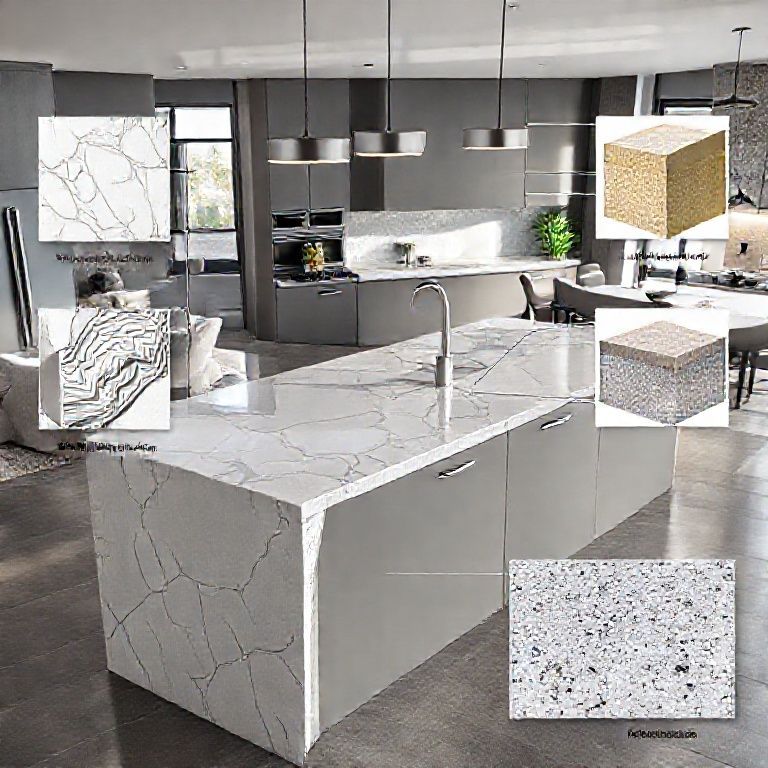
Despite its versatility, synthetic marble has some aesthetic limitations compared to natural marble. While it can mimic the appearance of natural marble closely, there are subtle differences that can be noticeable upon close inspection. These differences include variations in veining, color gradients, and surface texture. For projects where a highly authentic natural marble look is paramount, synthetic marble may not fully meet expectations.
2. Thermal Conductivity
Synthetic marble conducts heat more than natural marble, which can be a disadvantage in certain applications. For instance, if you plan to use synthetic marble for countertops that will be frequently exposed to hot pots or pans, the material can become uncomfortably hot to the touch. This thermal conductivity may not be an issue for all users, but it’s something to consider if heat resistance is a priority.
3. Potential for Surface Damage
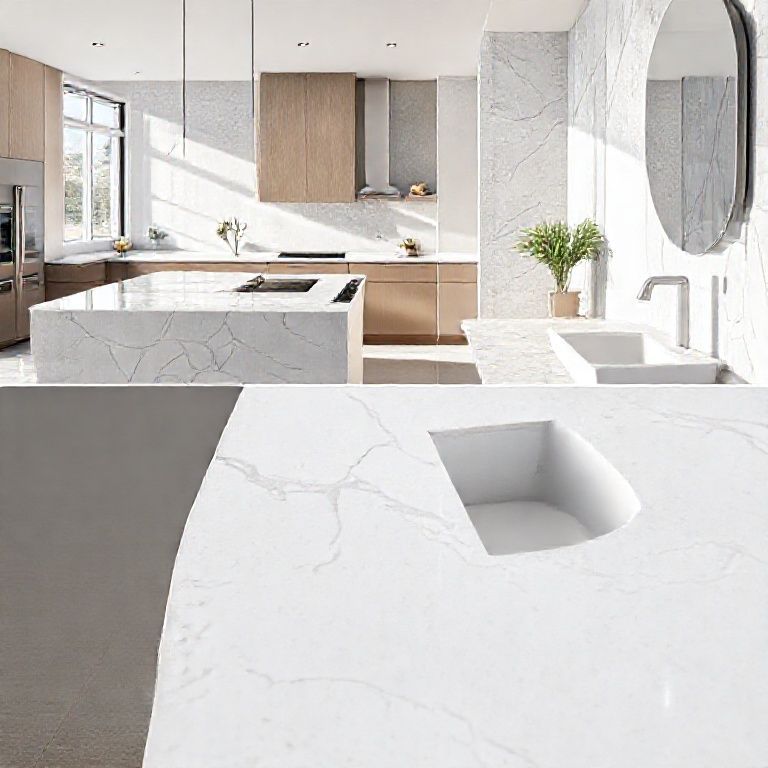
Although synthetic marble is generally durable, it can still suffer from surface damage. Scratches and chips can occur if the material is not handled or maintained properly. While these damages are less common than with natural stone, they can be more noticeable due to the material’s polished surface. Regular maintenance and proper use can mitigate this issue, but it’s a factor to keep in mind.
4. Allergenic Concerns
Some individuals may have concerns about the resins and pigments used in synthetic marble. Although these materials are generally safe, there have been reports of allergic reactions in sensitive individuals. It’s essential to choose high-quality synthetic marble that uses non-toxic and hypoallergenic materials to minimize this risk. Consulting with a healthcare provider if you have allergies or respiratory issues can provide additional peace of mind.
5. Environmental Impact of Production
While synthetic marble is more sustainable than natural marble in terms of mining and transportation, its production process still has environmental implications. The manufacturing of synthetic marble involves the use of resins and other chemicals, which can contribute to pollution if not managed properly. However, many manufacturers are working to improve the sustainability of their production processes by using eco-friendly materials and reducing waste.
6. Limited Availability of Colors and Patterns
While synthetic marble offers impressive design flexibility, the range of available colors and patterns is still limited compared to natural marble. Although manufacturers can create custom designs, the variety of pre-made options may not match the extensive palette available for natural marble. This limitation might be a concern for projects requiring a wide range of color and pattern choices.
7. Potential for Long-Term Durability Issues
Although synthetic marble is engineered to be durable, there are still concerns regarding its long-term durability. While it is resistant to many forms of damage, prolonged exposure to extreme conditions such as high heat or intense chemical exposure can degrade the material over time. It’s important to select high-quality synthetic marble and follow proper maintenance guidelines to ensure its longevity.
In conclusion, synthetic marble offers a compelling combination of aesthetic appeal, durability, and cost-effectiveness, making it an attractive option for a wide range of applications. However, it’s equally important to consider its limitations and potential drawbacks to make an informed decision. By weighing the advantages and disadvantages, you can determine whether synthetic marble is the right choice for your specific needs and preferences. Whether for residential or commercial projects, synthetic marble provides a versatile and sustainable alternative to traditional natural marble.