
The Advantages of Engineered Marble
Engineered marble, often referred to as artificial or composite marble, has revolutionized the world of interior design and construction. This modern material boasts an array of benefits that make it an attractive option for a variety of applications. Let’s explore some of the key advantages that engineered marble offers.
1. Durability and Longevity
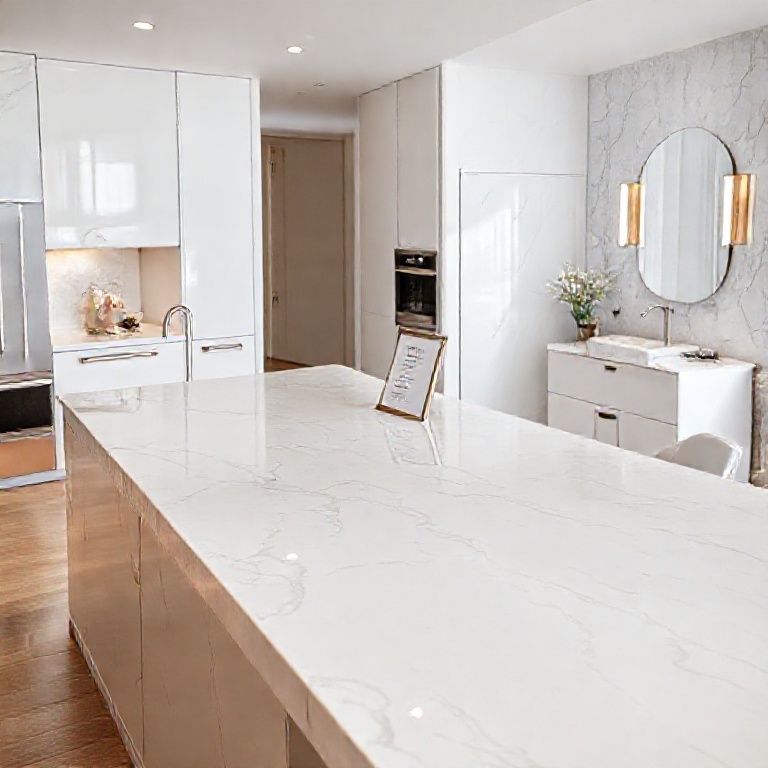
One of the most significant advantages of engineered marble is its exceptional durability. Unlike natural stone, which can be susceptible to cracks, chips, and weathering, engineered marble is made from a composite of natural stone powder and resin. This combination creates a material that is far more resistant to scratches and impact. As a result, engineered marble surfaces can last for decades with minimal maintenance, providing homeowners and businesses with a long-lasting solution for countertops, flooring, and other decorative surfaces.
2. Customization and Design Flexibility
Engineered marble offers unparalleled design flexibility. Manufacturers can create a wide range of colors, patterns, and finishes, allowing for bespoke solutions tailored to specific design needs. This versatility means that you can mimic the appearance of any natural stone, from traditional marble to exotic patterns, without the limitations of natural stone availability. Whether you’re aiming for a classic look or a contemporary aesthetic, engineered marble provides the freedom to bring your vision to life.
3. Water Resistance
Water resistance is another critical advantage of engineered marble. Natural stone, especially marble, can absorb water and stains over time, leading to unsightly spots and potential damage. In contrast, engineered marble has a sealed surface that prevents water penetration. This makes it an ideal choice for high-traffic areas such as kitchens and bathrooms where moisture is a common challenge.
4. Cost-Effectiveness
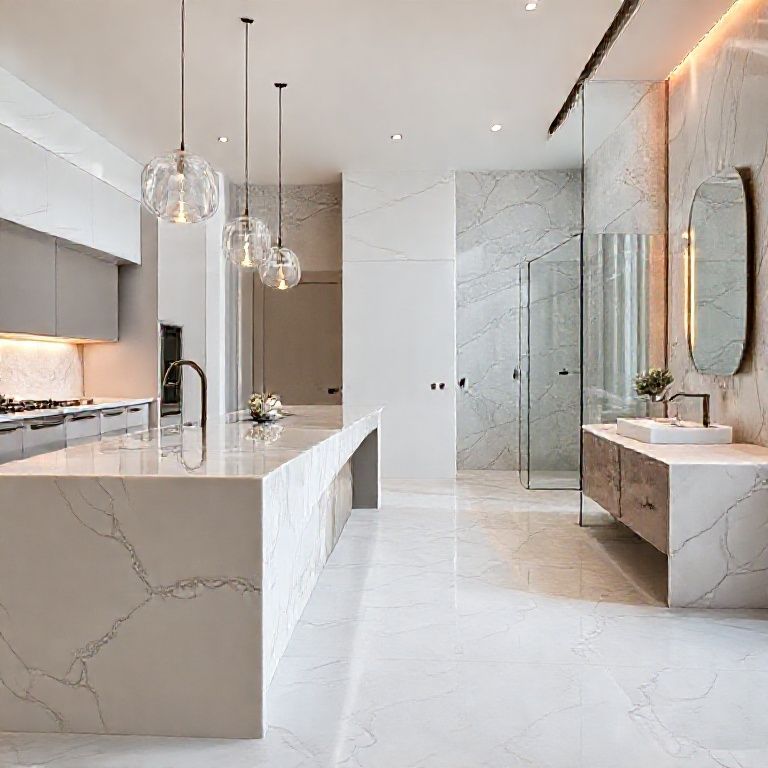
The cost-effectiveness of engineered marble is a major selling point. While natural stone can be expensive, the production of engineered marble involves less labor-intensive processes and lower material costs. This translates to more affordable pricing without compromising on quality or appearance. For both residential and commercial projects, engineered marble offers a cost-effective alternative that delivers stunning results.
5. Ease of Installation and Maintenance
Engineered marble is relatively easy to install, which can save time and labor costs for builders and contractors. Unlike natural stone, which often requires precise cutting and fitting, engineered marble slabs can be cut to size with standard tools, making the installation process more straightforward. Additionally, the sealed surface of engineered marble means that it is easier to clean and maintain, reducing the need for specialized cleaning products and services.
6. Environmentally Friendly Production
The production of engineered marble can be more environmentally friendly compared to natural stone extraction. The manufacturing process involves less environmental disruption as it doesn’t require the extensive quarrying and transportation associated with natural stone. Additionally, the use of recycled stone powder in engineered marble production further reduces environmental impact, making it a more sustainable choice for eco-conscious consumers.
7. Versatility in Applications
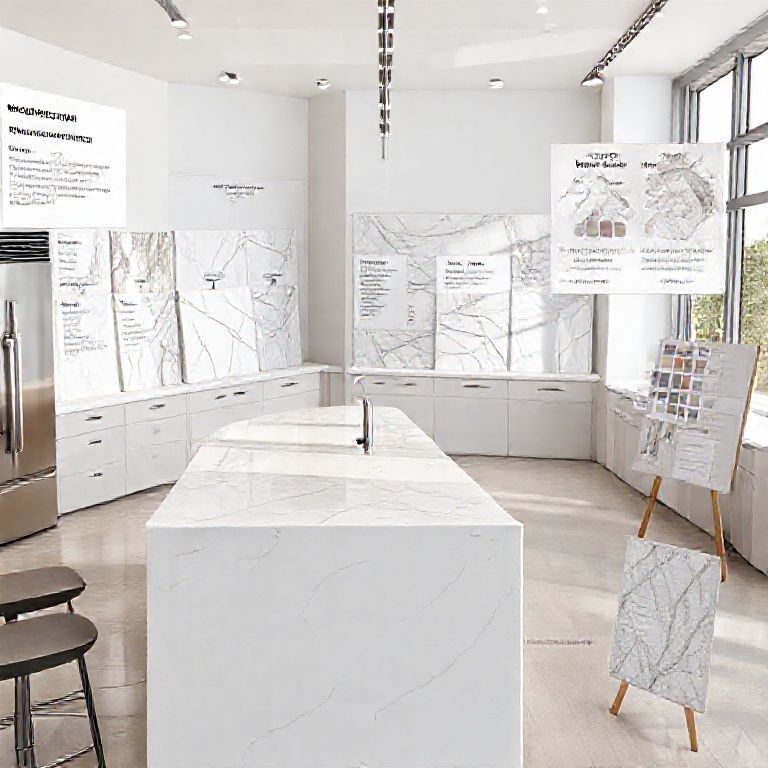
Engineered marble’s versatility makes it suitable for a wide range of applications. From countertops and backsplashes to flooring and decorative elements, engineered marble can be used in various settings. Its ability to mimic natural stone while offering superior durability and water resistance makes it an excellent choice for both residential and commercial projects.
In conclusion, engineered marble stands out as a highly advantageous material for numerous reasons. Its durability, customization options, water resistance, cost-effectiveness, ease of installation and maintenance, environmental benefits, and versatility make it an appealing choice for a wide array of applications. As we continue to explore the unique features and characteristics of engineered marble, it becomes clear that it is a modern material that combines aesthetics with practicality in a way that traditional natural stone often cannot.
The Disadvantages and Unique Features of Engineered Marble
While engineered marble offers many advantages, it also has some drawbacks that potential users should consider. Additionally, it possesses unique features that distinguish it from natural stone. Understanding both the pros and cons will help you make an informed decision about whether engineered marble is the right choice for your needs.
1. Initial Cost vs. Long-Term Savings
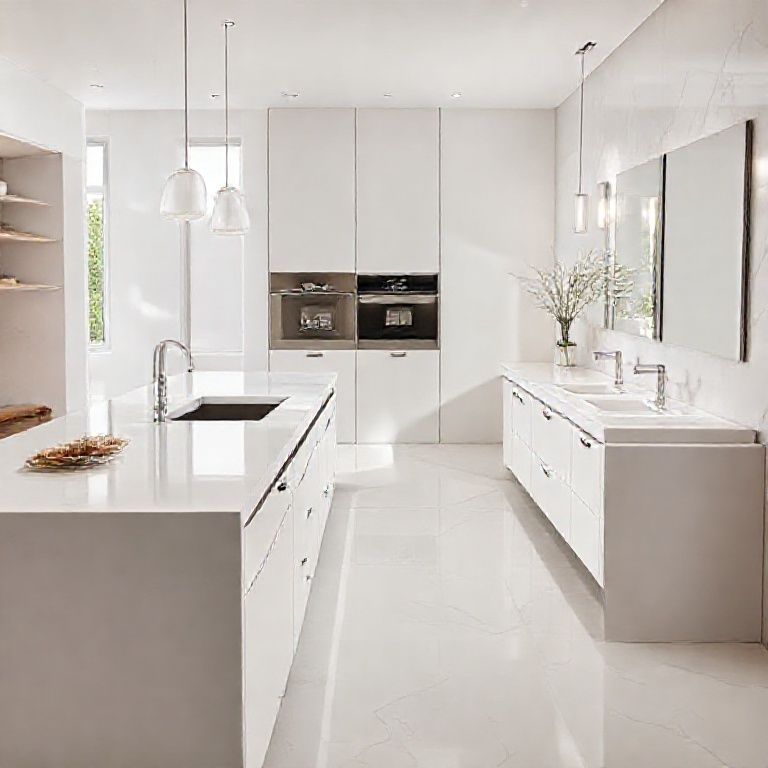
While engineered marble is often more cost-effective in the long run due to its durability and low maintenance, it can have a higher initial cost compared to some other materials. The premium price reflects the quality and advanced manufacturing techniques used to create engineered marble. However, when you factor in the reduced need for repairs and replacements over time, the initial investment becomes more justified.
2. Warranty Considerations
Engineered marble typically comes with a manufacturer’s warranty that guarantees its durability and performance. This warranty can provide peace of mind, knowing that the product is backed by a reputable company. However, the length and specifics of the warranty can vary, and it’s essential to review the terms carefully. In some cases, the warranty may not cover certain types of damage or wear, so understanding what is and isn’t covered is crucial.
3. Heat Resistance
One of the notable drawbacks of engineered marble is its limited resistance to high temperatures. While engineered marble is durable, it can be damaged by excessive heat, such as from a hot pan left on a countertop or a candle left burning. This limitation is a significant consideration for kitchens and other areas where heat is a frequent concern. In contrast, natural stone like marble has excellent heat resistance, making it a better choice for high-heat areas.
4. Aesthetic Limitations
Despite its customization options, engineered marble still has some aesthetic limitations compared to natural stone. While it can mimic the appearance of natural stone, there are subtle differences that can be noticeable under close inspection. For instance, natural stone has a unique, organic look that is difficult to replicate perfectly. If the natural look and feel of stone are paramount to your design vision, you may find that engineered marble doesn’t fully meet your expectations.
5. Environmental Impact of Manufacturing
Although engineered marble can be more environmentally friendly in terms of extraction and transportation, the manufacturing process itself can have environmental implications. The production of resins and other materials used in engineered marble can involve chemical processes that may release pollutants. Additionally, the disposal of engineered marble at the end of its life cycle can be less straightforward compared to natural stone, which can often be recycled or repurposed.
6. Surface Imperfections
Engineered marble can sometimes exhibit surface imperfections, such as slight unevenness or inconsistencies in color and texture. These imperfections are typically minor and can often be polished or sanded out, but they may be noticeable in high-quality applications. In contrast, natural stone provides a uniform and flawless surface that can be a significant advantage for certain design preferences.
Unique Features of Engineered Marble
1. Custom Color and Patterns
One of the unique features of engineered marble is the ability to create custom colors and patterns. Manufacturers can mix resins and stone powders to achieve specific hues and designs that are not possible with natural stone. This feature allows for truly unique and personalized designs, which can add a distinctive touch to any space.
2. Thickness and Weight
Engineered marble can be manufactured in various thicknesses, offering flexibility in design and installation. Unlike natural stone slabs, which can be heavy and difficult to handle, engineered marble slabs are generally lighter, making them easier to cut and install. This characteristic is particularly advantageous for large-scale projects where handling and installation can be challenging.
3. Thermal Resistance
While engineered marble has limited resistance to high temperatures, it performs well in terms of thermal resistance compared to many other materials. The resin-based matrix provides a stable and heat-resistant surface, making it suitable for many residential and commercial applications where moderate heat is present.
4. Ease of Repair
One of the standout features of engineered marble is its ease of repair. Unlike natural stone, which can be difficult to repair once damaged, engineered marble can often be resurfaced or repaired with relative ease. Small scratches or chips can typically be sanded out and polished, restoring the surface to its original condition. This feature can save time and money in maintenance and prolong the life of the material.
5. Hygienic Surface
The sealed surface of engineered marble makes it highly hygienic. This feature is particularly beneficial in areas where cleanliness is paramount, such as kitchens and bathrooms. The sealed surface prevents bacteria and mold growth, ensuring a healthier environment and easier cleaning.
In conclusion, while engineered marble has several disadvantages that potential users should consider, it also possesses unique features that make it an attractive option for many applications. The ability to create custom colors and patterns, its lightweight nature, thermal resistance, ease of repair, and hygienic surface are just a few of the unique benefits that distinguish engineered marble from traditional natural stone. By weighing both the advantages and disadvantages, you can make an informed decision that aligns with your specific design and functional requirements.

