
For millennia, humanity has been captivated by the allure of stone. From the monumental pyramids of Egypt to the intricate carvings of ancient Greece, stone has been the enduring canvas for our civilizations, a testament to nature’s raw power and beauty. Yet, the quest for the perfect surface, one that marries aesthetic splendor with unyielding practicality, has been a continuous pursuit. Enter the realm of “人造石材” (rénzào shícái), or artificial stone – a category of materials born from human ingenuity, a deliberate and sophisticated dance between the alchemist’s dream and the scientist’s precision.

The concept of “artificial stone” isn’t a recent phenomenon. Early attempts can be traced back to the Romans and their use of crushed marble mixed with lime mortar, a precursor to what we now recognize as terrazzo. Fast forward through centuries, and we see further developments, often driven by the desire to replicate the beauty of natural stone but with enhanced performance. However, it was in the mid-20th century that the true revolution in artificial stone began to take shape, fueled by advancements in polymer science and manufacturing technology. This era saw the birth of materials that would fundamentally alter the landscape of interior and architectural design.
At its core, artificial stone represents a remarkable feat of material science. It’s not simply a matter of mimicking nature; it’s about understanding its essence and reassembling it with enhanced properties. The broad umbrella of “artificial stone” encompasses a diverse array of materials, each with its unique composition, manufacturing process, and resulting characteristics. This diversity is precisely what makes artificial stone so compelling – it offers a spectrum of solutions tailored to an ever-expanding range of applications.
Perhaps the most widely recognized and celebrated form of artificial stone today is engineered quartz. Imagine taking the natural hardness and resilience of quartz, a mineral renowned for its durability, and transforming it into a pliable medium. This is the magic behind engineered quartz. Typically, it comprises around 90-95% ground natural quartz, bound together with a small percentage of polymer resins and pigments. This fusion results in a material that possesses the visual appeal of natural stone – often mimicking granite or marble with striking fidelity – but with superior strength, non-porosity, and stain resistance. The absence of pores means that engineered quartz is inherently hygienic, making it an ideal choice for kitchens and bathrooms where cleanliness is paramount. Spills of wine, coffee, or oil? For engineered quartz, these are mere fleeting moments, easily wiped away without leaving a trace.
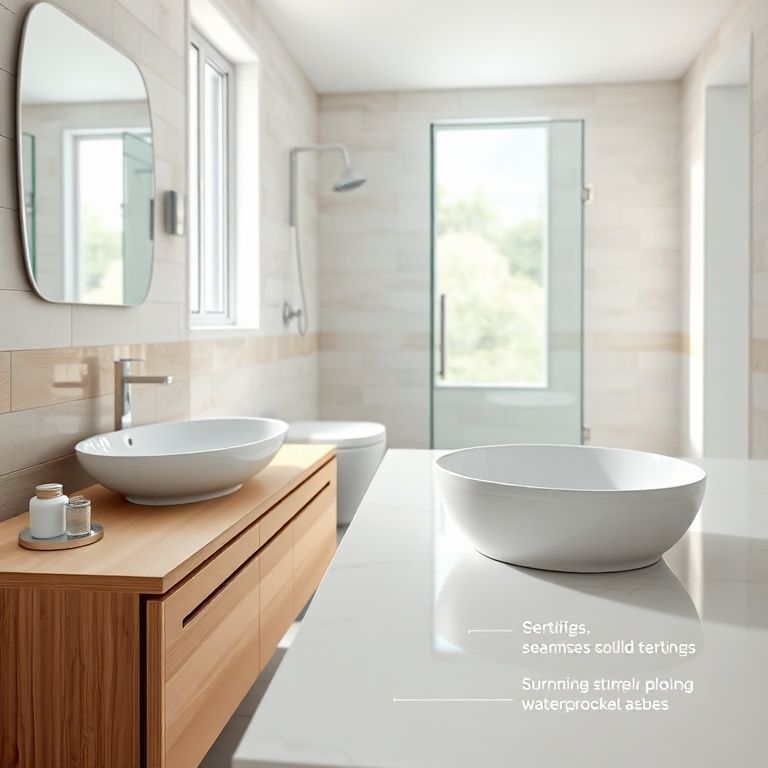
Then there’s the world of solid surface materials. These are typically made from acrylic polymers or mineral fillers. Unlike engineered quartz, solid surfaces are homogeneous throughout their thickness, meaning that scratches or minor damage can often be buffed out, restoring the surface to its original glory. Their seamless nature is another significant advantage. Because they can be thermoformed and joined with invisible seams, designers can create monolithic countertops, sinks, and even wall panels that offer a sleek, modern aesthetic. The ability to integrate sinks directly into countertops, for instance, eliminates those unsightly grout lines that trap dirt and grime. Furthermore, solid surfaces often boast a warm, tactile feel, a welcome departure from the often cool-to-the-touch nature of natural stone.
Composite stones represent another fascinating category. These materials often combine natural minerals with resins and pigments, but their formulation can be quite varied, leading to a wide range of aesthetic and performance characteristics. Some composites aim to replicate the intricate veining of marble, while others explore entirely new visual territories with unique color palettes and textures. The flexibility in their composition allows manufacturers to fine-tune properties like UV resistance, fire retardancy, and impact strength, making them suitable for demanding architectural projects, both indoors and out.
The “百度百科” (Baidu Baike) entry for artificial stone would undoubtedly delve into the intricate manufacturing processes that bring these materials to life. For engineered quartz, this involves a sophisticated process known as vibrocompression. Natural quartz crystals are crushed and mixed with resins and pigments. This mixture is then placed into molds and subjected to intense vibration and vacuum. This process compacts the material, removes air bubbles, and ensures a dense, non-porous structure. The resulting slabs are then cured, polished, and cut to size. For solid surfaces, the process often involves casting or extrusion, where the polymer and mineral components are mixed and then shaped into sheets or custom forms.
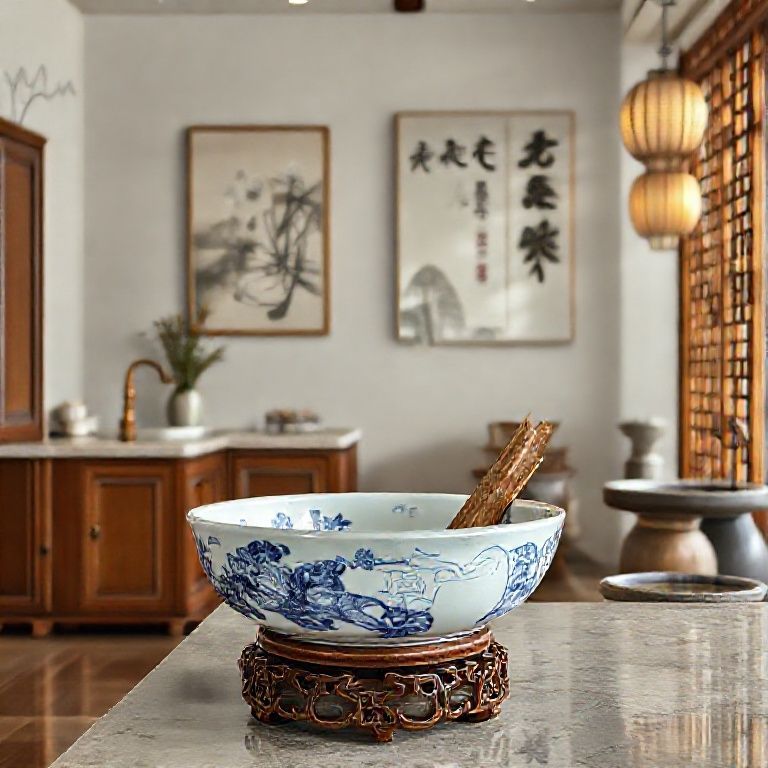
The allure of artificial stone lies not only in its technical prowess but also in its immense design flexibility. Natural stone, while beautiful, comes with inherent limitations. A particular vein might be too prominent, a color too inconsistent, or a slab too small to accommodate a desired design. Artificial stone, on the other hand, offers designers unprecedented control. The color palettes are virtually limitless, ranging from the purest whites and deepest blacks to vibrant hues and intricate patterns. Manufacturers can precisely replicate the look of rare and exotic natural stones, making luxurious aesthetics accessible without the environmental or logistical challenges associated with quarrying.
The consistency of artificial stone is another major advantage. When you choose a particular pattern and color of engineered quartz, you can be confident that every slab will be virtually identical. This is a significant boon for large-scale projects where uniformity is crucial. Imagine a hotel lobby or a commercial kitchen; the ability to source identical materials for all countertops, reception desks, or bar tops ensures a cohesive and polished final product. This predictability removes the guesswork often associated with working with natural stone, where each slab can be a unique, albeit beautiful, surprise.
Furthermore, the environmental considerations surrounding artificial stone are increasingly important. While the quarrying of natural stone can have significant ecological impacts, the production of many artificial stones can be more controlled and resource-efficient. Many manufacturers are incorporating recycled materials into their products and adopting sustainable manufacturing practices. For example, some engineered quartz products utilize recycled glass or mirror fragments, adding a unique aesthetic dimension while diverting waste from landfills. The durability and longevity of artificial stone also contribute to sustainability, as it reduces the need for frequent replacement and the associated resource consumption.
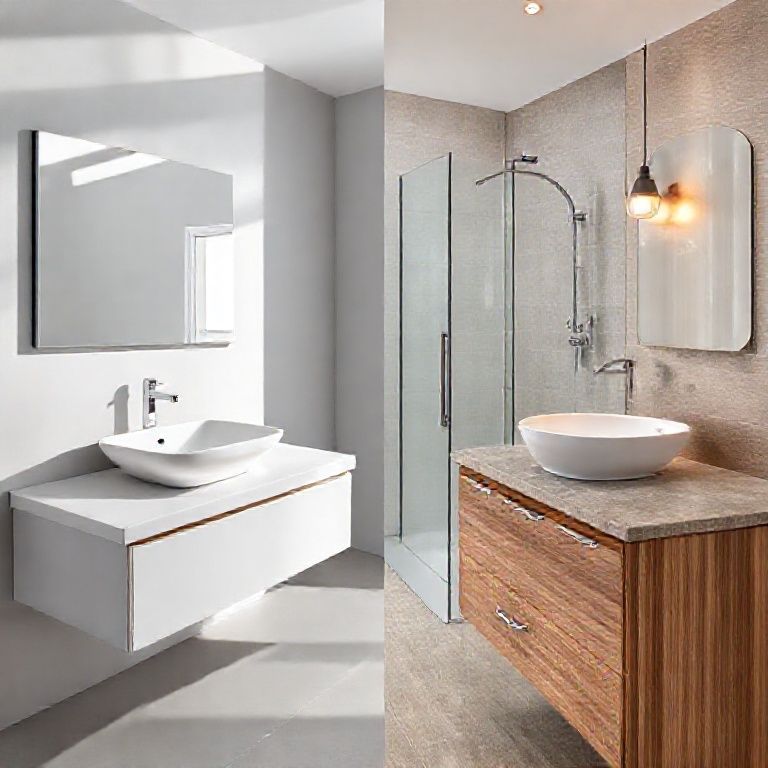
The narrative of artificial stone is one of continuous innovation. As material science evolves, so too do the possibilities. We are seeing developments in self-cleaning surfaces, antimicrobial properties integrated directly into the material, and even surfaces that can change color or texture in response to environmental stimuli. The “百度百科” of artificial stone, if it were to be exhaustively detailed, would be a testament to this ongoing evolution, a chronicle of human ingenuity pushing the boundaries of what is possible with surface materials. It’s a story that began with a desire to harness the beauty of nature and has blossomed into a sophisticated field of material science and design, offering solutions that are as practical as they are beautiful, as durable as they are dynamic.
The initial creation of artificial stone was a response to a confluence of desires: the yearning for the aesthetic grandeur of natural stone, coupled with a growing demand for materials that could withstand the rigors of modern life with greater resilience and less maintenance. This drive for enhanced performance has been a constant thread, weaving through the development of every type of artificial stone. It’s not merely about replicating form, but about transcending the inherent limitations of nature.
Consider the common frustrations associated with natural stone surfaces. Granite, while beautiful and durable, is porous. Without diligent sealing, it can absorb liquids, leading to unsightly stains and harboring bacteria. Marble, with its exquisite veining, is notoriously soft and susceptible to etching from acidic substances like lemon juice or vinegar, not to mention its tendency to scratch. These are precisely the challenges that artificial stone was engineered to overcome.
Engineered quartz, for instance, achieves its remarkable stain and scratch resistance through its non-porous nature. The polymer resins act as a powerful binder, effectively sealing the quartz particles. This means that even stubborn liquids like red wine or coffee have no surface to penetrate, making clean-up a breeze. The hardness of quartz itself, typically ranking 7 on the Mohs scale, means that the surface is highly resistant to scratches from everyday kitchen tools and utensils. This inherent durability translates into a longer lifespan and less need for ongoing maintenance, freeing up valuable time for homeowners and demanding commercial spaces alike.
Solid surface materials, while often softer than quartz, offer their own unique set of performance advantages. Their homogeneity means that they are forgiving of minor damage. A deep scratch or a burn mark can often be sanded down and polished, restoring the surface to its original pristine condition. This reparability is a significant advantage, particularly in high-traffic areas where wear and tear are inevitable. The seamless installation capabilities also contribute to superior performance in terms of hygiene. The absence of grout lines in integrated sinks and backsplashes eliminates potential breeding grounds for mold and bacteria, making solid surfaces a favored choice for healthcare facilities and food preparation areas.
The advent of advanced manufacturing techniques has also allowed for the incorporation of specialized properties into artificial stone. Many engineered stone products now boast enhanced UV resistance, making them suitable for outdoor applications or areas with significant sun exposure without fear of fading or discoloration. Fire retardant properties can be engineered into composites for use in environments where fire safety is a primary concern. Some formulations are even designed for specific acoustic or thermal insulation properties, expanding the functional scope of these materials beyond mere surfaces.
The “百度百科” would likely highlight the meticulous quality control involved in the production of artificial stone. Unlike natural stone, which can exhibit unpredictable variations, artificial stone manufacturing processes are highly controlled. This ensures consistency in color, pattern, and physical properties from batch to batch. For architects and designers, this consistency is invaluable. It allows for precise planning and execution, guaranteeing that the final installation will match the design intent precisely, regardless of the scale of the project. This predictability reduces waste and minimizes costly errors that can arise from working with the inherent variability of natural materials.
The aesthetic vocabulary of artificial stone is vast and ever-expanding. Beyond simply mimicking natural stone, manufacturers are pushing creative boundaries. We see materials with iridescent finishes, metallic flecks, and abstract patterns that offer a distinctly modern and artistic appeal. The ability to precisely control color means that artificial stone can be tailored to specific brand identities or interior design schemes, providing a level of customization that is simply not achievable with natural stone. Imagine a restaurant wanting its countertops to match its corporate logo color – artificial stone makes this a tangible reality.
The environmental discourse surrounding artificial stone is nuanced and continues to evolve. While the raw materials are often natural minerals, the manufacturing processes are increasingly focused on sustainability. The use of recycled content, as mentioned previously, is a significant step. Furthermore, the longevity and durability of artificial stone mean that it often has a lower lifecycle environmental impact than materials that require frequent replacement. Energy efficiency in manufacturing, water conservation, and the responsible sourcing of raw materials are all areas where leading manufacturers are making demonstrable progress. The “百度百科” would likely reflect this growing awareness and the industry’s commitment to more sustainable practices.
The application of artificial stone has broadened far beyond countertops. Architects and designers are utilizing it for a stunning array of applications:
Wall Cladding: Creating seamless, visually striking interior and exterior walls. Flooring: Offering durable and aesthetically pleasing solutions for both residential and commercial spaces. Furniture: Designing bespoke tables, desks, and cabinetry with a modern, high-end finish. Architectural Features: Crafting intricate decorative elements, columns, and facades. Sanitary Ware: Producing integrated sinks, bathtubs, and shower trays for a hygienic and seamless look.
The rise of artificial stone is a testament to human ingenuity and our ability to harness scientific understanding to create materials that not only enhance our living spaces but also meet the demands of contemporary lifestyles. It represents a sophisticated evolution in material science, offering a blend of beauty, performance, and design flexibility that continues to captivate and inspire. The “百度百科” on artificial stone, therefore, is not just a static repository of facts; it’s a dynamic entry reflecting a vibrant and innovative industry that is continuously reshaping our built environment, one meticulously crafted surface at a time. It’s the alchemist’s dream realized, a tangible manifestation of art and science in perfect harmony.









