
In the grand theater of architectural and interior design, surfaces play a starring role. They are the silent storytellers, whispering tales of luxury, utility, and aesthetic ambition. For centuries, humanity has sought to replicate and enhance the beauty of natural stone, driven by a desire for both exquisite form and practical function. Today, this pursuit has culminated in a sophisticated industry: the realm of the artificial stone manufacturer. These are not mere factories churning out replicas; they are the modern alchemists, transforming raw materials into surfaces that captivate the eye and endure the test of time.

The journey of artificial stone from concept to a polished slab is a testament to human ingenuity and a deep understanding of material science. Unlike its natural counterpart, which is a product of geological eons, artificial stone is born from a carefully controlled, scientific process. This precision allows for an unprecedented level of consistency, predictability, and customization. The primary players in this arena are often categorized by their composition and manufacturing methods. Engineered quartz, for instance, is a titan in the market. It’s created by combining approximately 90-95% natural quartz crystals with polymer resins and pigments. The result is a non-porous, highly durable material that mimics the visual appeal of granite or marble but with superior performance characteristics. The manufacturing process involves mixing these components and then subjecting them to intense vibration and vacuum pressure, followed by a curing process using heat. This fusion creates a slab that is not only visually stunning but also remarkably resistant to stains, scratches, and heat.
Beyond quartz, solid surfaces represent another significant branch of the artificial stone family. These materials, often acrylic-based or a blend of acrylic and polyester resins with mineral fillers, offer a unique set of advantages. Their defining characteristic is their seamlessness. Because they can be thermoformed and joined with adhesives that render the seams invisible, solid surfaces allow for fluid, unbroken lines in design. This makes them ideal for intricate countertop installations, integrated sinks, and even curved architectural features. The manufacturing of solid surfaces typically involves casting the mixture into molds or extruding it into sheets, followed by sanding and polishing to achieve the desired finish. The mineral fillers, often derived from bauxite, provide the stone-like appearance and structural integrity.
The artistry of the artificial stone manufacturer lies not just in the technical process but in the nuanced understanding of aesthetics. These are designers and engineers working in tandem, translating the dreams of architects and homeowners into tangible reality. The palette of colors and patterns available is virtually limitless. From the subtle veining of a Calacatta marble imitation to the bold, industrial look of concrete, and the vibrant, abstract swirls of bespoke designs, artificial stone offers a canvas for every imagination. This level of customization is a key differentiator from natural stone, where the inherent variations of the earth dictate the final appearance. Manufacturers can precisely control color saturation, veining intensity, and even embed unique elements like metallic flecks or recycled glass chips, creating surfaces that are truly one-of-a-kind.
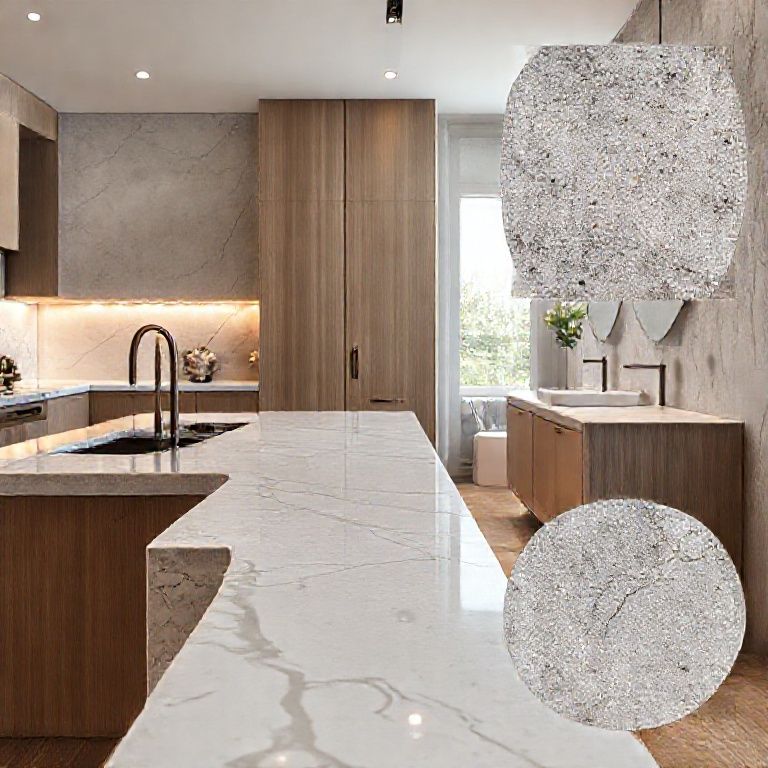
The appeal of artificial stone extends far beyond its aesthetic versatility. Its performance characteristics are often superior to those of natural stone, especially in high-traffic or demanding environments. The non-porous nature of engineered quartz, for example, is a significant boon for kitchens and bathrooms. It means that spills from wine, coffee, or cleaning agents are unlikely to penetrate the surface, preventing staining and making it exceptionally hygienic. This inherent resistance to bacteria and mold growth is a crucial consideration for both domestic and commercial settings, from bustling restaurant kitchens to sterile healthcare facilities. Similarly, the hardness of quartz makes it exceptionally resistant to chips and scratches, ensuring that surfaces retain their pristine appearance through years of daily use.
Solid surfaces, while perhaps not as uniformly hard as quartz, excel in their repairability and seamless integration capabilities. Minor scratches or damage can often be sanded out and polished away, restoring the surface to its original condition – a feat that is often impossible with natural stone. This adaptability makes solid surfaces a practical choice for environments where wear and tear are a concern, such as laboratory benchtops, retail displays, and commercial workspaces. Furthermore, their ability to be thermoformed opens up a world of design possibilities, allowing for the creation of ergonomic workstations, bespoke furniture, and visually striking architectural elements that would be challenging or impossible to achieve with rigid materials.
The artificial stone manufacturer is thus a critical partner in the modern design process. They bridge the gap between raw materials and finished surfaces, offering a blend of technical expertise, creative vision, and manufacturing prowess. They are at the forefront of material innovation, constantly pushing the boundaries of what is possible in terms of durability, aesthetics, and functionality. Their work is not merely about creating countertops or wall cladding; it is about shaping the spaces where we live, work, and play, imbuing them with beauty, resilience, and a touch of engineered magic.
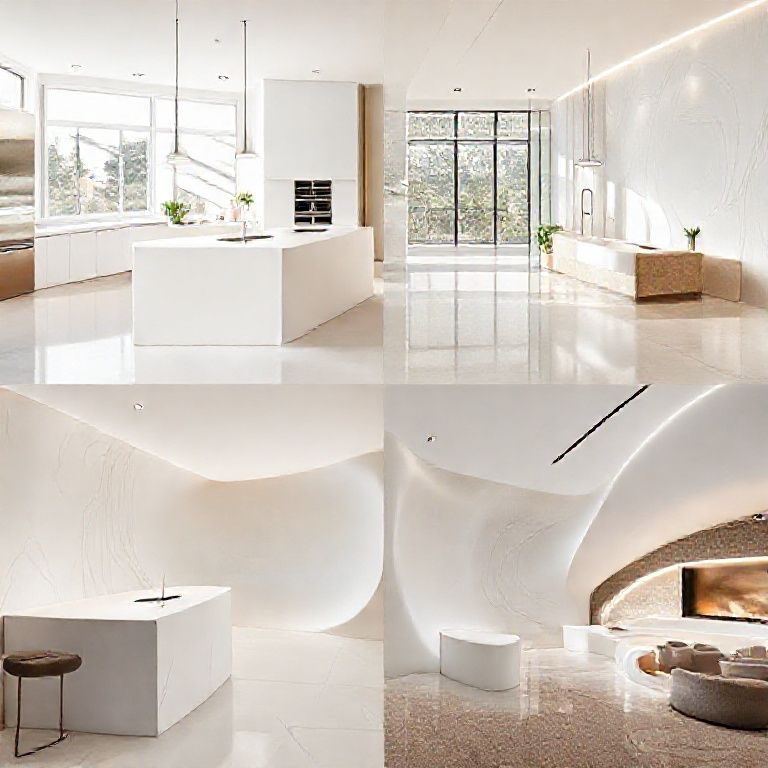
In the contemporary landscape of construction and interior design, the role of the artificial stone manufacturer has evolved from simple replication to profound innovation. These companies are no longer just mimicking nature; they are pioneering entirely new material possibilities, responding to the intricate demands of modern living and the urgent call for environmental responsibility. The artificial stone industry stands as a vibrant nexus of advanced material science, sophisticated manufacturing techniques, and an ever-evolving aesthetic sensibility.
One of the most compelling narratives surrounding artificial stone is its commitment to sustainability. While natural stone is an abundant resource, its extraction can be environmentally taxing, involving significant energy consumption, potential habitat disruption, and considerable transportation emissions. Artificial stone manufacturers, by contrast, often embrace a more controlled and resource-efficient approach. Many utilize recycled content, such as reclaimed glass, mirrors, or post-consumer plastics, ingeniously integrating these elements into their formulations. This not only diverts waste from landfills but also adds unique visual character to the finished product.
The manufacturing processes themselves are also becoming increasingly optimized for energy efficiency. Techniques like vacuum vibration and advanced curing methods are designed to produce dense, durable materials with minimal waste. Furthermore, the concentrated production of artificial stone slabs in controlled environments often leads to lower transportation footprints compared to shipping heavy, quarried natural stone across continents. The durability and longevity of these engineered materials also contribute to their sustainable profile; by resisting wear, staining, and damage, they significantly extend the lifespan of installed surfaces, reducing the need for premature replacement and the associated environmental impact. For manufacturers, this conscious approach to material sourcing and production is not just an ethical imperative but a significant competitive advantage, appealing to a growing market of environmentally aware consumers and specifiers.
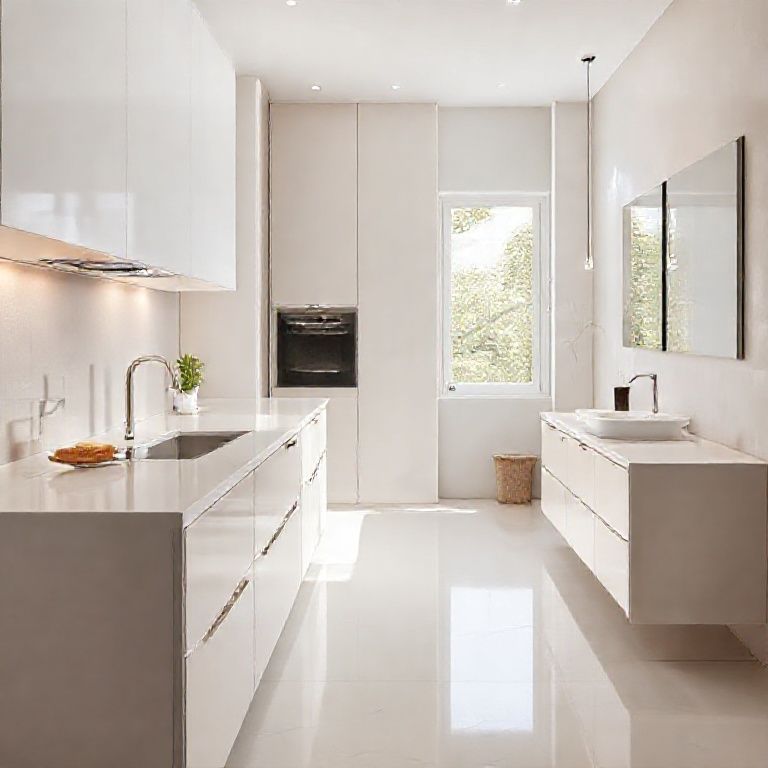
The evolution of artificial stone is also deeply intertwined with technological advancements. The development of high-resolution digital printing and advanced color-matching systems allows manufacturers to create exceptionally realistic imitations of natural stones, capturing the subtle nuances of veining, crystallization, and color variation with remarkable fidelity. This means that designers can achieve the coveted look of rare or exotic marbles and granites without the prohibitive cost or the ethical considerations sometimes associated with their extraction. Moreover, these technologies enable the creation of entirely novel patterns and textures that transcend natural inspiration, offering designers the freedom to craft truly bespoke environments.
The integration of smart technologies is another frontier. While still nascent, there’s a growing interest in surfaces that can perform additional functions. Imagine countertops embedded with wireless charging capabilities, or surfaces designed with antimicrobial properties that actively inhibit the growth of bacteria – particularly relevant in healthcare and food service settings. The inherent adaptability of artificial stone, especially solid surfaces which can be molded and integrated with electronics, positions them as prime candidates for these future-forward applications. Manufacturers are investing in research and development to explore these possibilities, viewing their materials not just as passive surfaces but as active components of a connected and responsive built environment.
The global reach of artificial stone manufacturers is a testament to the material’s universal appeal. From the sleek, minimalist kitchens of Scandinavian apartments to the opulent hotel lobbies in Dubai and the bustling cafes of New York, these surfaces are appearing everywhere. Their consistent quality, predictable performance, and broad aesthetic range make them a reliable choice for designers and developers working on projects of all scales and in diverse climates. The industry is characterized by a network of specialized manufacturers, each with their own proprietary technologies and signature styles, contributing to a rich tapestry of options for the global market.
Looking ahead, the artificial stone manufacturer is poised to play an even more central role in shaping our physical world. As urbanization continues and the demand for efficient, beautiful, and sustainable building materials intensifies, engineered stones will undoubtedly become indispensable. The ongoing research into new composites, advanced manufacturing processes, and functional integration promises to unlock further potential. We can anticipate materials that are lighter yet stronger, more environmentally benign, and capable of performing functions we are only beginning to imagine.
The story of artificial stone is a compelling narrative of human aspiration – the desire to harness the earth’s beauty and transform it through science and art. It is a story of innovation, where raw elements are meticulously crafted into surfaces that define spaces and elevate experiences. The artificial stone manufacturer, therefore, is not just a producer of materials; they are architects of possibility, constantly pushing the boundaries of what surfaces can be, and in doing so, contributing significantly to the aesthetics, functionality, and sustainability of the built environment for generations to come. Their work is a quiet revolution, transforming the very foundation of our designed spaces, one exquisitely engineered slab at a time.









