
The allure of stone is timeless. For millennia, humans have drawn inspiration from the earth’s geological artistry, incorporating its raw beauty into shelters, temples, and monuments. Yet, the extraction of natural stone, while historically significant, often comes with environmental costs and limitations in terms of consistency and design flexibility. Enter the realm of artificial stone, a testament to human ingenuity and a sophisticated answer to these challenges. At the heart of this revolution are the “人造石 厂家” – the artificial stone manufacturers – who are master alchemists, transforming raw materials into surfaces that rival, and in many ways, surpass their natural counterparts.

The term “artificial stone” itself is a broad umbrella, encompassing a diverse range of composite materials engineered for specific aesthetic and performance characteristics. These are not mere imitations; they are meticulously crafted substances born from a deep understanding of material science and a keen eye for design. Among the most prevalent and celebrated are engineered quartz surfaces. These are not quarried slabs, but rather a precisely controlled fusion of natural quartz crystals (typically around 90-95%), polymer resins, and pigments. The manufacturing process is a marvel of modern engineering. Raw quartz, crushed into fine particles, is mixed with these binders and colorants. This mixture is then subjected to intense vibration and vacuum to eliminate any air pockets, creating a dense, non-porous slab. The final stage involves curing under high heat and pressure, resulting in a material that is exceptionally hard, durable, and resistant to stains, scratches, and heat. The beauty of this process lies in its predictability and control. Unlike natural stone, where variations in veining, color, and mineral inclusions are inherent and often unpredictable, engineered quartz can be produced with stunning consistency. Manufacturers can replicate the most sought-after patterns of marble and granite, or create entirely new and unique aesthetics – from deep, uniform colors to intricate, artistic swirls and flecks. This level of customization is a game-changer for designers and architects.
Beyond engineered quartz, another significant category is solid surface material. Often composed of acrylic polymers and alumina trihydrate (derived from bauxite ore), solid surfaces offer a different set of advantages. Their primary distinction lies in their inherent ability to be thermoformed, meaning they can be heated and molded into virtually any shape – curves, seamless sinks, intricate inlays – opening up a universe of design possibilities. Furthermore, solid surfaces are non-porous and repairable; minor scratches or damage can often be buffed out or seamlessly repaired, extending their lifespan and maintaining their pristine appearance. This makes them ideal for high-traffic areas like hospitals, laboratories, and, of course, kitchens and bathrooms.
Then there are composite stones, which can encompass a wider variety of binders and aggregates. Some might use polyester resins with crushed marble or granite, while others might incorporate recycled glass or other industrial byproducts, leaning into the growing demand for sustainable building materials. The “人造石 厂家” are at the forefront of this innovation, constantly experimenting with new formulations and production techniques to create materials that not only meet stringent performance requirements but also align with environmental consciousness. The manufacturing of these materials is a precise dance of science and art. It begins with the careful selection and processing of raw ingredients – ensuring purity, appropriate particle size, and consistent quality. Sophisticated mixing equipment ensures a homogenous blend, crucial for uniform color and structural integrity. The application of pressure and heat during curing is meticulously controlled, dictating the final density, strength, and appearance of the stone. Quality control is paramount at every step, from raw material inspection to the final polishing of the slabs, guaranteeing that each piece meets the exacting standards expected by the market. The role of the “人造石 厂家” is not just about production; it’s about innovation, research and development, and a deep commitment to delivering materials that enhance living and working spaces. They are the silent partners in countless beautiful kitchens, elegant bathrooms, and striking architectural facades, breathing life into designs with their engineered creations.
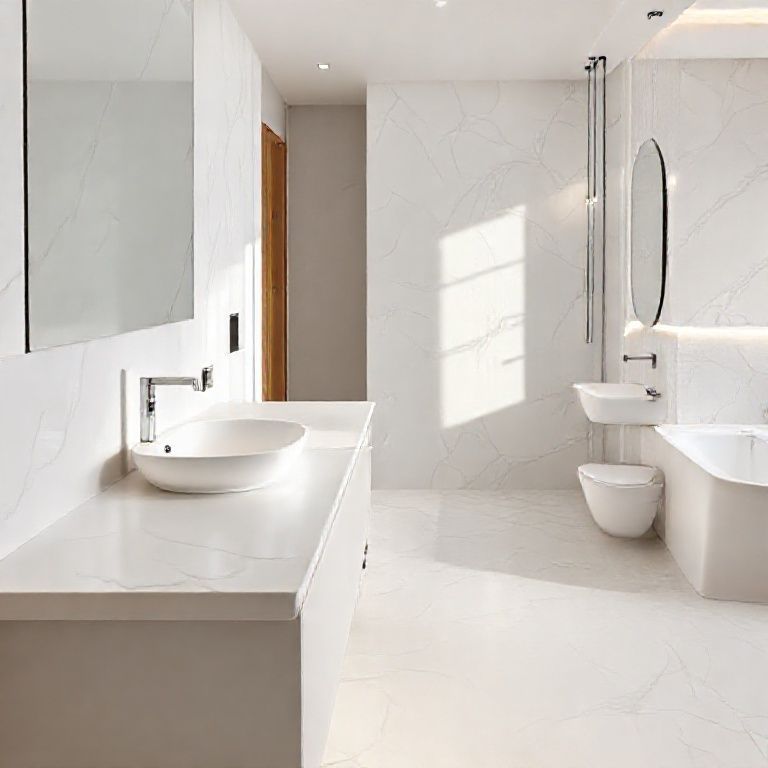
The impact of “人造石 厂家” on the world of interior design and architecture cannot be overstated. They have democratized access to luxurious-looking surfaces, making them available at a more accessible price point than many rare natural stones. More importantly, they have liberated designers from the constraints of what nature provides, offering a palette of possibilities that cater to every conceivable aesthetic. Consider the kitchen, often hailed as the heart of the home. Here, artificial stone has become the material of choice for countertops, backsplashes, and even integrated sinks. The non-porous nature of engineered quartz and solid surfaces makes them exceptionally hygienic, resisting the absorption of food particles and liquids that can harbor bacteria. This is a significant advantage over natural stone like granite or marble, which often require regular sealing to maintain their stain resistance. The ease of cleaning and maintenance means that busy households can enjoy a beautiful, pristine kitchen without the constant worry of spills and etching.
In bathrooms, the versatility of artificial stone shines. From seamless vanity tops that eliminate grout lines where mold and mildew can accumulate, to elegant shower surrounds and even freestanding bathtubs, the ability to create large, monolithic surfaces with minimal joints offers a sleek, modern, and hygienic solution. The non-porous quality is particularly beneficial in wet environments, preventing water damage and the proliferation of mold. Furthermore, the aesthetic possibilities are endless. A designer can opt for a crisp, pure white solid surface for a minimalist spa-like retreat, or choose a deep, veined quartz that mimics the dramatic beauty of Calacatta marble for a touch of timeless opulence. The consistency of the material ensures that the chosen pattern will be exactly as envisioned, from the vanity top to the shower niche.
Beyond residential applications, artificial stone is making significant inroads into commercial and architectural projects. Its durability, low maintenance, and diverse aesthetic options make it an attractive choice for high-traffic areas such as hotel lobbies, corporate offices, retail spaces, and healthcare facilities. Facade cladding systems utilizing engineered stone offer a sophisticated and weather-resistant exterior finish, providing a sleek, modern look that can stand up to the elements. The ability to produce large format slabs means fewer seams and a more monolithic appearance, enhancing the building’s visual appeal. The growing emphasis on sustainability in construction has also seen “人造石 厂家” innovate with recycled content. Many manufacturers now offer collections that incorporate reclaimed glass, recycled porcelain, or other post-consumer and post-industrial materials. This not only diverts waste from landfills but also adds a unique visual texture and a compelling story to the material, appealing to environmentally conscious clients and developers.
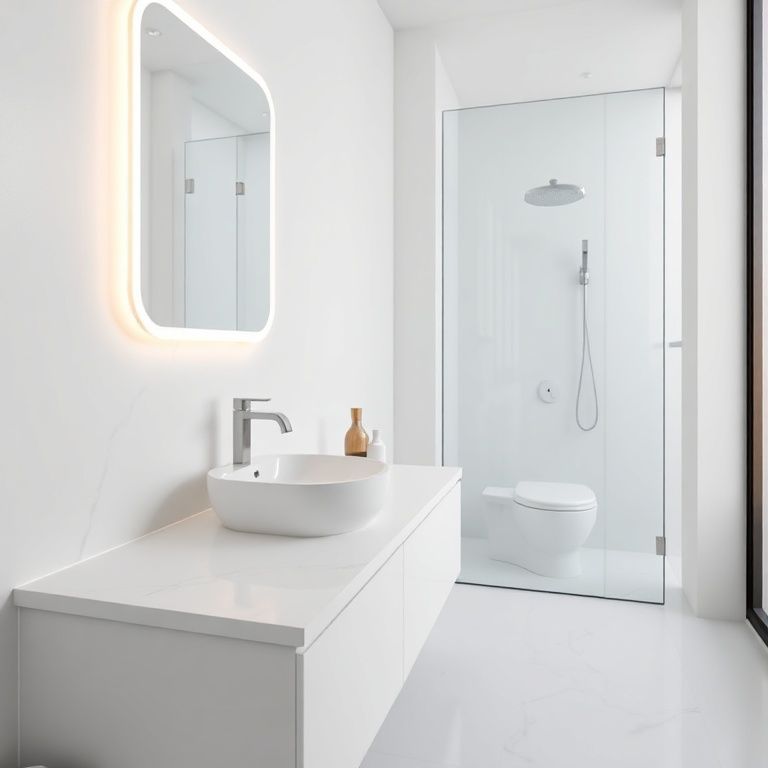
The process of selecting artificial stone is a collaborative journey. The “人造石 厂家” often work closely with designers, architects, fabricators, and end-users to ensure the right material is chosen for the specific application. This involves understanding the performance requirements – such as heat resistance, stain resistance, UV stability (for outdoor applications), and structural integrity – alongside the aesthetic goals. Samples are provided, allowing clients to see and feel the material, and to visualize how it will integrate with other design elements. The fabrication process itself is also a testament to the material’s properties. Advanced cutting, routing, and polishing techniques are employed to shape the slabs into the final product. For solid surfaces, thermoforming allows for the creation of truly unique and complex shapes that would be impossible with natural stone. The installation is typically handled by skilled fabricators who ensure seamless integration and a flawless finish. The ongoing relationship between the “人造石 厂家” and their partners is crucial for continued innovation and for ensuring that the market has access to the most advanced and aesthetically pleasing surfacing solutions. They are not just producing materials; they are enabling dreams, shaping environments, and contributing to a more beautiful, functional, and sustainable world, one engineered slab at a time.









