
The gleam of a meticulously crafted countertop, the seamless expanse of a shower wall, the striking elegance of a reception desk – these are the everyday encounters we have with engineered stone, a material that has quietly revolutionized our built environments. Yet, beyond its ubiquitous presence, lies a fascinating narrative of human ingenuity, a testament to our ability to harness the power of nature and transform it through scientific precision. The term “人造石配方揭秘” (Rénzào shí pèifāng jiēmì), which translates to “Revealing the Formula of Artificial Stone,” hints at the intricate dance of chemistry and artistry that defines this remarkable material. It’s not merely a substitute for natural stone; it’s a sophisticated composite, engineered for performance, durability, and aesthetic versatility that often surpasses its natural counterparts.

At its core, engineered stone, most commonly known in the form of quartz surfaces, is a triumph of material science. Imagine taking the raw, elemental beauty of quartz, a mineral prized for its hardness and brilliance, and elevating it. This is precisely what happens. The primary ingredient, typically comprising 90-95% of the final product, is natural quartz aggregate. This aggregate is meticulously selected, crushed, and screened to achieve a consistent particle size distribution. This uniformity is crucial; it dictates the texture and overall appearance of the finished slab, ensuring predictability and quality control in a way that simply isn’t possible with naturally occurring veining and mineral inclusions.
But quartz alone, in its raw, granular form, doesn’t possess the cohesive strength or the desired surface characteristics. This is where the “recipe” truly begins to reveal its secrets. A carefully measured blend of polymer resins, primarily polyester or epoxy resins, acts as the binder. These resins are the alchemical agents that hold the quartz particles together, creating a solid, monolithic slab. The choice of resin is critical, influencing not just the structural integrity but also the material’s resistance to staining, heat, and impact. Modern manufacturing processes often employ vacuum vibration technology. This isn’t just about mixing; it’s about creating an environment where the resin can permeate every void between the quartz granules, eliminating air pockets and ensuring a dense, non-porous surface. This vacuum process is a cornerstone of quality, directly impacting the material’s durability and its ability to resist absorption of liquids – a key advantage over many natural stones.
The visual allure of engineered stone, however, is not solely dependent on the inherent qualities of quartz and resin. Color and pattern are introduced through a sophisticated palette of pigments and additives. This is where the artistry truly comes into play, allowing designers and manufacturers to mimic the natural beauty of marble, granite, and other stones, or to create entirely novel aesthetics. Think of the subtle grey veining that gracefully flows across a white quartz surface, or the deep, rich tones punctuated by metallic flecks. These effects are achieved by carefully introducing mineral-based pigments and sometimes other composite materials during the mixing phase. The precise control over these additions allows for an unparalleled range of design possibilities, from understated elegance to bold, contemporary statements.
Furthermore, the creation of engineered stone involves a high-temperature curing process. Once the mixture is poured into molds and compacted, it undergoes a thermal treatment. This process hardens the resin, creating a permanent bond with the quartz aggregate and locking in the pigments and additives. The result is a slab that is not only structurally sound but also boasts a consistent color and pattern throughout its entire thickness. This contrasts sharply with natural stones, where surface treatments or sealants might be applied to enhance appearance or protection. The inherent properties of engineered stone mean that its beauty is not just skin-deep; it’s integral to its very being.
The manufacturing process itself is a marvel of industrial precision. Large slabs, often measuring several meters in length and width, are produced in a continuous or batch process. After curing, these slabs are then subjected to a series of finishing steps. This typically involves polishing to achieve the desired level of sheen, from a matte, natural look to a high-gloss, mirror-like finish. Specialized cutting and shaping equipment are then used to transform these raw slabs into the precise dimensions required for countertops, backsplashes, tiles, and a myriad of other applications. The ability to precisely cut and fabricate engineered stone with laser-like accuracy is another significant advantage, allowing for intricate edge profiles and seamless installations that are often challenging with natural stone. The result of this carefully orchestrated process is a material that is not only beautiful and durable but also remarkably versatile, ready to adorn kitchens, bathrooms, commercial spaces, and virtually any surface requiring a touch of enduring elegance and robust performance.
The “recipe” for engineered stone, as we’ve begun to uncover, is far more than a simple list of ingredients. It’s a meticulously controlled symphony of material science, engineering, and design that allows us to achieve remarkable feats of surface creation. The profound impact of this material extends beyond its composition, influencing how we design our living and working spaces, offering a blend of practicality and aesthetic appeal that resonates deeply in contemporary architecture and interior design. The initial revelation of its formula opens the door to understanding its extensive applications and the inherent advantages it offers.
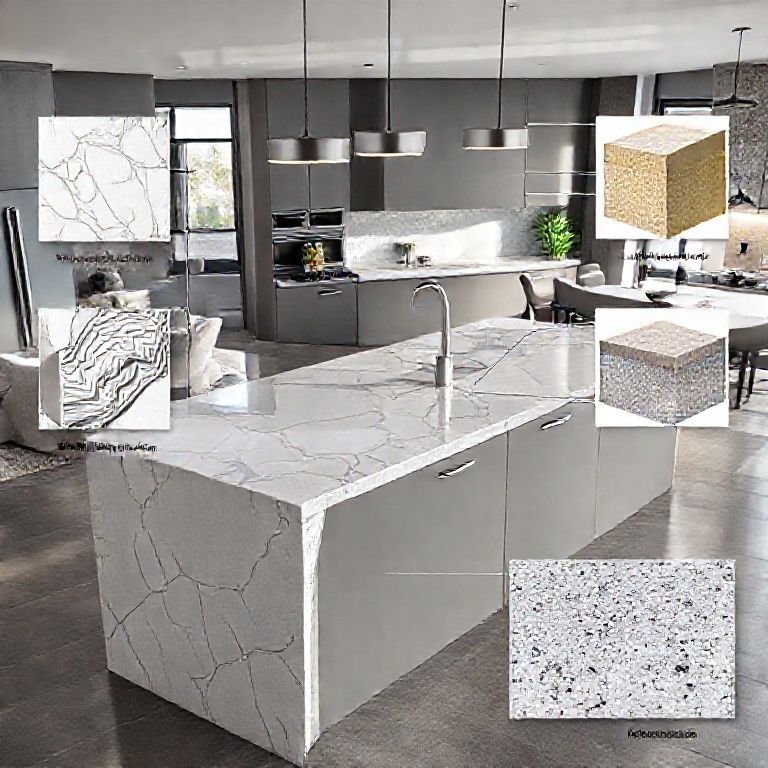
One of the most celebrated attributes of engineered stone, particularly quartz surfaces, is its exceptional durability and low maintenance. The non-porous nature, a direct result of the vacuum compaction and resin binding process, means that liquids, oils, and common household spills have virtually no way to penetrate the surface. This makes it inherently resistant to staining from coffee, wine, and everyday kitchen accidents. Unlike natural stones like marble or granite, which often require regular sealing to prevent staining and etching, engineered stone maintains its pristine appearance with minimal effort. A simple wipe-down with soap and water is usually all that’s needed to keep it looking as good as new, a significant selling point for busy households and high-traffic commercial environments.
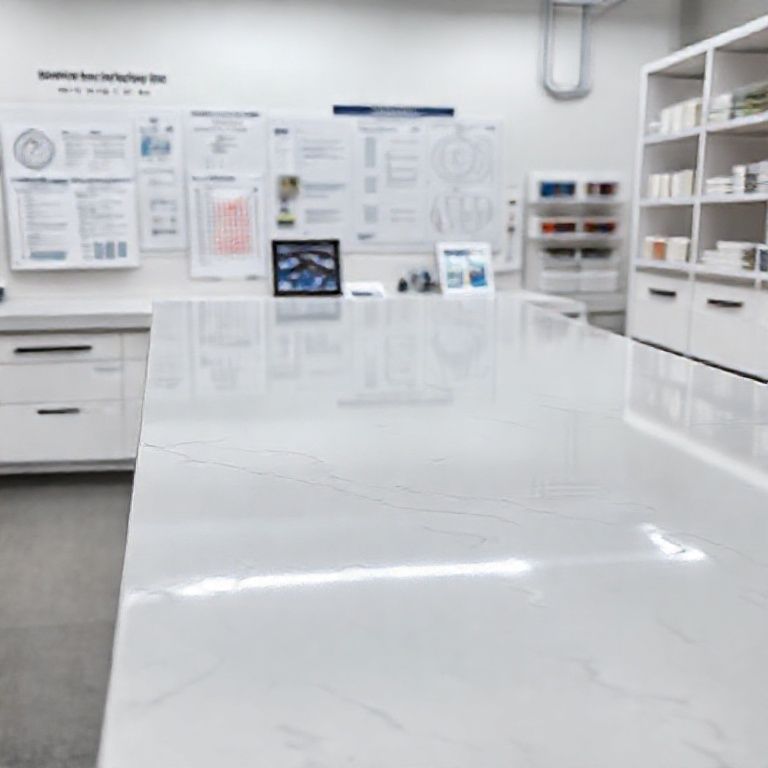
Furthermore, the hardness of the quartz aggregate, second only to diamond on the Mohs scale, translates into remarkable resistance to scratching and chipping. While no surface is entirely impervious to damage, engineered stone stands up exceptionally well to the rigors of daily use. This resilience makes it an ideal choice for kitchen countertops, where knives, pots, and pans are frequently in contact with the surface. Similarly, in commercial settings like restaurants, hospitals, or laboratories, where hygiene and durability are paramount, engineered stone’s resistance to both stains and physical wear makes it an indispensable material.
The aesthetic versatility unlocked by the “recipe” is another cornerstone of its widespread adoption. While natural stones offer unique, often unpredictable beauty, engineered stone provides a level of consistency and control that allows designers to achieve specific looks with absolute confidence. The ability to precisely replicate patterns, veining, and colors means that architects and interior designers can specify materials for large-scale projects with the assurance that every slab will match. This is particularly valuable when creating cohesive design schemes across multiple installations or when sourcing replacement pieces years down the line. The spectrum of available finishes is also vast, ranging from subtle, earthy tones to vibrant, bold colors, and from realistic marble imitations to unique, abstract designs incorporating metallic flakes or glass fragments. This adaptability allows engineered stone to seamlessly integrate into virtually any design style, from minimalist modern to classic traditional.
Beyond the aesthetic and performance benefits, the manufacturing process of engineered stone also offers opportunities for improved sustainability. While the production does involve energy consumption and the use of resins, advancements in manufacturing techniques are continually striving for greater environmental responsibility. Manufacturers are increasingly exploring the use of recycled materials, such as post-consumer glass or mirror fragments, within the quartz aggregate. The precise control over the production process also minimizes waste compared to the quarrying and processing of natural stone, which can be a more resource-intensive endeavor with a greater environmental footprint. Moreover, the longevity and low maintenance requirements of engineered stone contribute to its sustainability profile. A product that lasts for decades and requires minimal chemical cleaning is inherently a more environmentally sound choice over its lifespan.
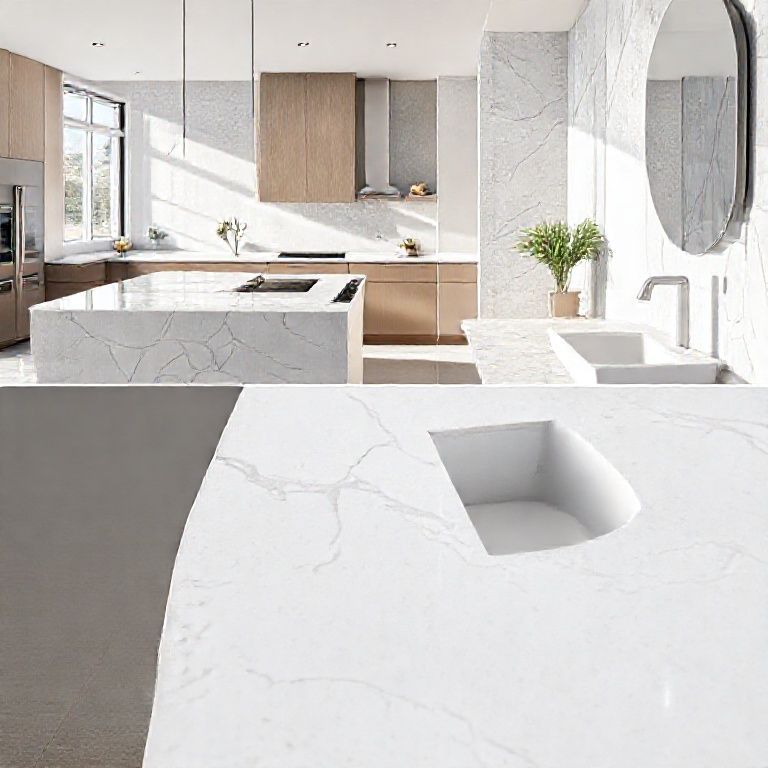
The applications of engineered stone have expanded far beyond the kitchen and bathroom. Its inherent strength, beauty, and hygienic properties have made it a popular choice for a wide range of commercial and architectural uses. You’ll find it gracing the facades of buildings, creating elegant flooring in public spaces, forming seamless reception desks in corporate offices, and even being utilized in healthcare settings for its superior sanitation qualities. The ability to fabricate large, seamless panels allows for striking architectural statements, minimizing grout lines and creating a sense of fluid continuity.
In conclusion, the “人造石配方揭秘” is not just about understanding the constituent parts of engineered stone; it’s about appreciating the sophisticated interplay of science, technology, and artistry that brings it to life. It represents a modern approach to material creation, where we leverage our understanding of natural elements and chemical processes to craft surfaces that are not only beautiful but also exceptionally functional and enduring. As design trends continue to evolve and our demand for high-performance, aesthetically pleasing materials grows, engineered stone, with its endlessly adaptable “recipe,” is poised to remain a cornerstone of innovative design for years to come. Its journey from raw components to stunning finished surfaces is a compelling chapter in the ongoing story of human innovation.









