
The gleaming surfaces of modern interiors often owe their sophisticated charm to a material that masterfully blends form and function: artificial acrylic stone. More commonly known as solid surface or sometimes by brand names that have become synonymous with the category, this engineered material has revolutionized design possibilities, offering a canvas that is both stunningly versatile and remarkably practical. But beyond its aesthetic prowess, a significant factor influencing its adoption is the question of “人造亚克力石价格” – the price of artificial acrylic stone. This inquiry is at the heart of many design decisions, balancing the desire for a premium look with budget considerations.

What exactly is artificial acrylic stone? At its core, it’s a composite material, typically made from acrylic polymer and alumina trihydrate (ATH), a derivative of bauxite ore. These are combined with pigments to achieve an astonishing range of colors and patterns, from subtle marbling that mimics natural stone to bold, solid hues and even translucent options. The manufacturing process involves casting this mixture into sheets or shapes, resulting in a non-porous, homogeneous material that offers a unique set of advantages.
One of the most compelling aspects of artificial acrylic stone is its unparalleled design flexibility. Unlike natural stone, which is bound by the whims of geological formation, acrylic stone can be molded, shaped, and thermoformed. This means countertops can seamlessly integrate sinks, creating a fluid, hygienic surface with no grout lines or caulking to trap dirt and bacteria. Curves and complex shapes that would be prohibitively expensive or impossible with granite or marble are readily achievable, allowing designers to push creative boundaries. The material can also be cut, routed, and inlaid, opening up a world of intricate designs, logos, and decorative elements. This adaptability makes it a favorite for custom projects and high-end commercial applications where unique aesthetics are paramount.
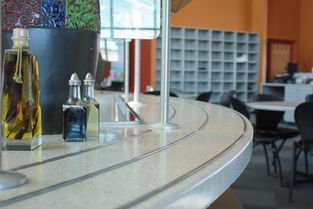
The aesthetic appeal is another strong suit. The absence of pores means it doesn’t absorb liquids, preventing staining from wine, coffee, or other common culprits. This inherent stain resistance, coupled with its non-porous nature, also makes it exceptionally hygienic. In environments where cleanliness is critical – kitchens, bathrooms, healthcare facilities, and food service areas – this is a major advantage. Furthermore, acrylic stone offers a consistent color and pattern throughout its thickness, a stark contrast to many natural stones where veins and color variations can be unpredictable. This consistency simplifies fabrication and ensures that the finished product looks exactly as intended, even if a piece needs to be replaced or extended later.
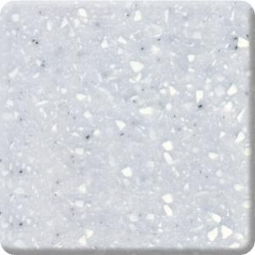
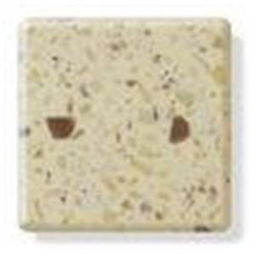
The price of artificial acrylic stone is a complex equation influenced by several factors. Firstly, the complexity of the color and pattern plays a role. Basic solid colors or simple, uniform patterns are generally the most affordable. These are often achieved with less intricate pigment mixtures and manufacturing processes. On the other hand, intricate veining, realistic marble or granite imitations, and custom color matching will command a higher price. The manufacturing process for these more sophisticated designs requires more precise pigment ratios and potentially longer curing times, adding to the cost.
Secondly, the thickness of the material is a significant determinant. Acrylic stone is typically available in standard thicknesses, such as 12mm (approximately 1/2 inch) and 20mm (approximately 3/4 inch). Thicker slabs naturally require more raw material and a more robust manufacturing process, leading to a higher per-square-foot cost. However, it’s worth noting that even thicker acrylic stone often remains competitive with, or even cheaper than, some premium natural stone options.
Thirdly, the brand name and manufacturer can influence pricing. Established brands with a reputation for quality and innovation may charge a premium for their products, reflecting their research and development, marketing efforts, and the perceived value of their name. Similarly, specialized manufacturers who offer unique finishes or advanced properties might price their materials accordingly. However, the market is also populated by numerous reputable manufacturers offering excellent quality at more accessible price points, ensuring that artificial acrylic stone is not an exclusive luxury.
The fabrication and installation costs are also crucial components of the overall “人造亚克力石价格.” Because acrylic stone is relatively easy to work with compared to materials like granite or quartz, the fabrication process can be more streamlined. It can be cut with standard woodworking tools, and its lighter weight compared to natural stone often simplifies transportation and installation, potentially reducing labor costs. However, intricate designs, complex edge profiles, or the integration of custom sinks will naturally increase fabrication and installation expenses. It’s important to get detailed quotes that break down these elements.
Considering its extensive benefits – the design freedom, hygienic properties, seamless integration, and wide range of aesthetic options – artificial acrylic stone offers a compelling value proposition. When “人造亚克力石价格” is weighed against its performance and versatility, it often emerges as a highly cost-effective solution, particularly for projects demanding both beauty and durability without the prohibitive expense or limitations of traditional materials. The subsequent section will delve deeper into specific applications, maintenance, and how to navigate the pricing landscape to make an informed decision.
Continuing our exploration of artificial acrylic stone and its “人造亚克力石价格,” we now turn our attention to the tangible applications and practical considerations that solidify its position as a preferred material in modern design. From residential kitchens and bathrooms to bustling commercial spaces, the adaptability and aesthetic appeal of acrylic stone shine through, making it a go-to choice for those seeking both beauty and functionality.
In residential settings, artificial acrylic stone has become a darling of homeowners and interior designers alike. The kitchen, often considered the heart of the home, benefits immensely from acrylic stone countertops. The non-porous surface is a dream for busy families, resisting spills from everyday cooking and entertaining. Imagine preparing a vibrant tomato sauce or enjoying a glass of red wine without the constant worry of stains. Furthermore, the ability to seamlessly integrate sinks means a sleek, easy-to-clean workspace that looks as good as it performs. This is particularly appealing in minimalist or contemporary kitchen designs where clean lines and uncluttered surfaces are paramount. The “人造亚克力石价格” for a kitchen countertop might seem like a significant investment, but when considering its longevity, low maintenance, and the aesthetic upgrade it provides, it represents excellent value. A well-chosen acrylic stone countertop can elevate the entire kitchen, increasing the home’s appeal and potentially its resale value.
Bathrooms are another prime area where acrylic stone excels. Vanity tops crafted from this material offer a sophisticated look and are inherently resistant to water, soap scum, and cosmetic stains. Similar to kitchens, integrated sinks in bathrooms provide a seamless, hygienic surface that is easy to wipe down. This is a boon for maintaining a pristine and spa-like atmosphere. The variety of colors and patterns available allows for a perfect match with any bathroom decor, from tranquil, spa-inspired retreats to bold, contemporary powder rooms. The “人造亚克力石价格” in this context often proves to be more accessible than comparable natural stone options, delivering a high-end feel without breaking the bank.
Beyond the home, the commercial sector has embraced artificial acrylic stone for its durability, hygiene, and design flexibility. In restaurants and cafes, countertops, bar tops, and serving areas benefit from the material’s resistance to stains and ease of cleaning, crucial for high-traffic environments. The ability to incorporate branding through custom inlays or logos adds a unique touch, enhancing the establishment’s identity. In retail spaces, display surfaces and checkout counters made from acrylic stone can provide a sleek, modern aesthetic that complements product displays. The material’s ability to be repaired – scratches or minor damage can often be buffed out – is another significant advantage in demanding commercial settings, minimizing downtime and costly replacements. The “人造亚克力石价格” in commercial projects is carefully weighed against these operational benefits, often proving to be a more economical choice in the long run due to its resilience and ease of maintenance.
Hospitals, laboratories, and other healthcare facilities are also ideal environments for acrylic stone. Its non-porous nature is paramount in preventing the spread of bacteria and pathogens, making it a hygienic and safe choice for operating rooms, patient rooms, and laboratory benchtops. The ability to withstand cleaning chemicals without degradation further adds to its suitability for these critical applications. While the “人造亚克力石价格” for such specialized installations might be at the higher end due to specific certification requirements or custom configurations, the inherent hygienic properties and durability often justify the investment.
When considering the “人造亚克力石价格,” it’s vital to factor in the entire lifecycle cost. Unlike some materials that require regular sealing or specialized cleaning products, acrylic stone is relatively low maintenance. A simple soap and water solution is usually sufficient for daily cleaning. For tougher stains, non-abrasive cleaners can be used. While abrasive pads or harsh chemicals should be avoided to prevent dulling the surface, the overall ease of care significantly reduces ongoing costs and effort. Furthermore, its repairability means that minor damage can often be fixed by a professional, restoring the surface to its original condition, which is a significant advantage over materials like laminate that cannot be repaired.
The pricing of artificial acrylic stone can vary widely, but understanding the key factors helps in making an informed decision. Generally, prices can range from around $30-$40 per square foot for basic colors and thinner profiles, up to $100-$150 per square foot or more for premium patterns, thicker slabs, and specialized finishes from high-end brands. These figures typically include the material cost but not fabrication and installation, which can add another $40-$100+ per square foot depending on the complexity. It is always advisable to obtain multiple quotes from reputable fabricators and installers. Ensure that the quotes clearly outline the material specifications (brand, color, thickness), edge profiles, sink cutouts, and any other customization.
In conclusion, artificial acrylic stone offers a captivating blend of aesthetic beauty, remarkable functionality, and accessible “人造亚克力石价格.” Its versatility allows it to adapt to virtually any design vision, from the subtle elegance of a residential kitchen to the demanding environment of a commercial laboratory. By understanding the factors that influence its cost – color complexity, thickness, brand, and fabrication – consumers and designers can navigate the market effectively. The material’s low maintenance, hygienic properties, and repairability contribute to a favorable long-term value, making it not just a material choice, but a smart investment in durability, beauty, and peace of mind.









