The Allure and Affordability of Engineered Marble Price Lists
Unveiling the Magic of Engineered Marble
In the realm of modern home and commercial design, few materials evoke the same sense of luxury, durability, and timeless elegance as engineered marble. This sophisticated stone alternative has revolutionized the way we think about surface materials, offering a blend of natural beauty and practical functionality that traditional marble often cannot match. In this first part of our exploration into “Engineered Marble Price Lists,” we will delve into the captivating features, benefits, and diverse applications of engineered marble, setting the stage for understanding its value and affordability.
The Beauty of Engineered Marble
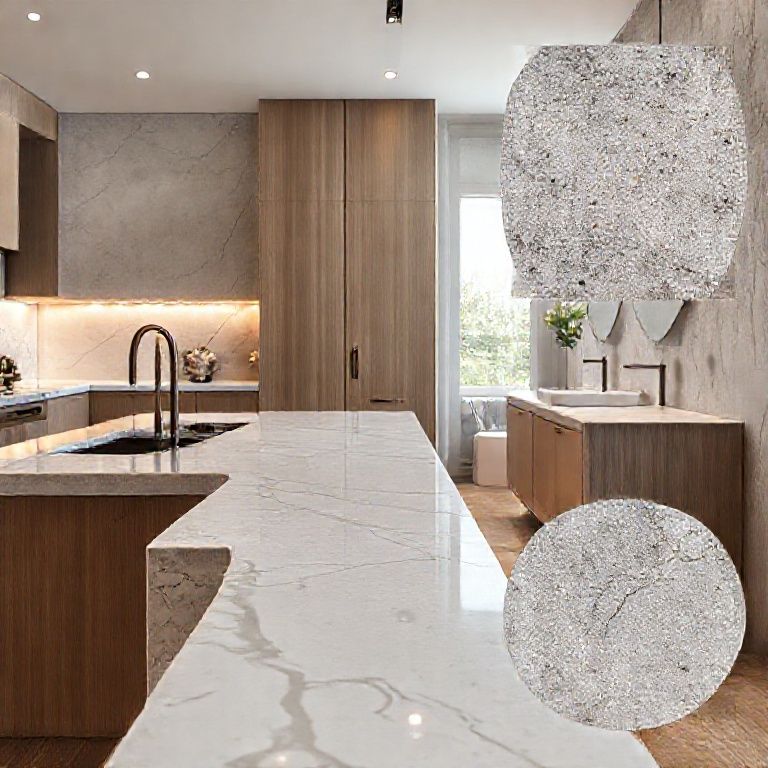
Engineered marble, also known as synthetic or composite marble, is created by combining natural stone (usually limestone, marble, or slate) with resins to form a material that boasts the aesthetic appeal of natural marble without the associated drawbacks. This means that engineered marble can achieve the intricate veining and unique coloration found in natural marble, all while offering the advantages of a more durable and easier-to-maintain product.
One of the most striking features of engineered marble is its ability to mimic the intricate patterns and rich colors of natural marble. This allows designers and homeowners to enjoy the stunning visual appeal of marble without worrying about the issues that plague natural stone, such as staining, chipping, and cracking. Engineered marble is also impervious to heat and water, making it an ideal choice for high-traffic areas like kitchens and bathrooms.
Durability and Maintenance
While the aesthetic appeal of engineered marble is undeniable, its practical benefits cannot be overlooked. One of the primary advantages of engineered marble is its exceptional durability. Engineered marble slabs are less likely to scratch, chip, or crack compared to natural marble, which means they can withstand the rigors of daily use with minimal maintenance. This durability translates to a longer lifespan for your countertops, flooring, and other surfaces, reducing the need for costly repairs or replacements.
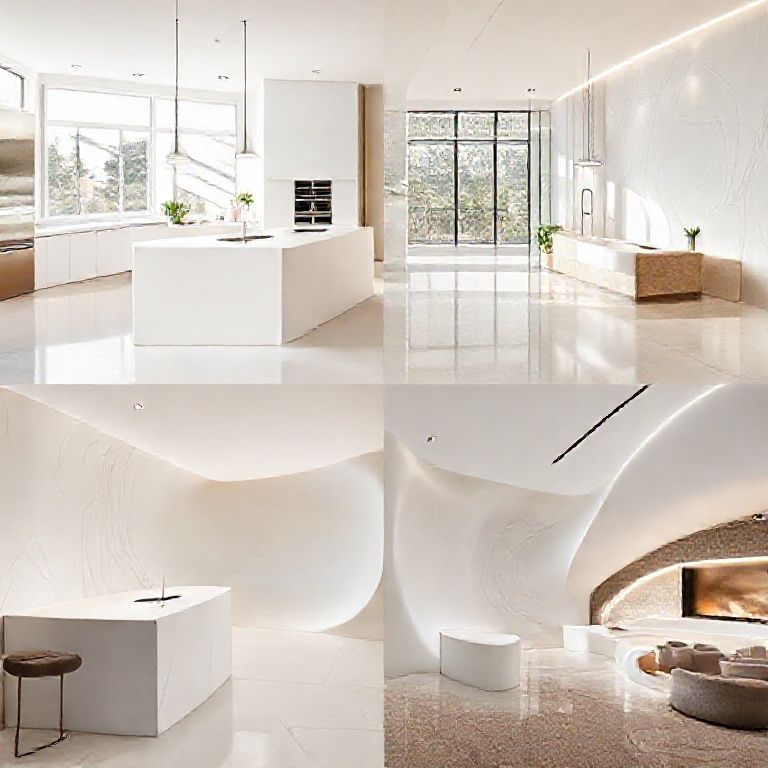
Additionally, engineered marble is highly resistant to stains and water, making it an excellent choice for areas where spills and moisture are common. Unlike natural marble, which can be damaged by acidic substances such as wine, coffee, and even some cleaning products, engineered marble maintains its pristine appearance with minimal effort. Simply wipe it down with a damp cloth and mild soap, and it’s ready to shine once more.
Versatility in Design
Engineered marble’s versatility extends beyond its durability and low maintenance requirements. This material can be customized to suit virtually any design vision. Whether you’re looking for a traditional look with classic marble veining or a modern aesthetic with unique patterns and colors, engineered marble can be tailored to meet your specific needs.
From sleek countertops and stylish backsplashes to elegant flooring and eye-catching wall cladding, engineered marble offers endless possibilities for interior and exterior design. Its versatility makes it a popular choice for both residential and commercial projects, providing a luxurious finish that enhances the overall ambiance of any space.
Affordability and Value
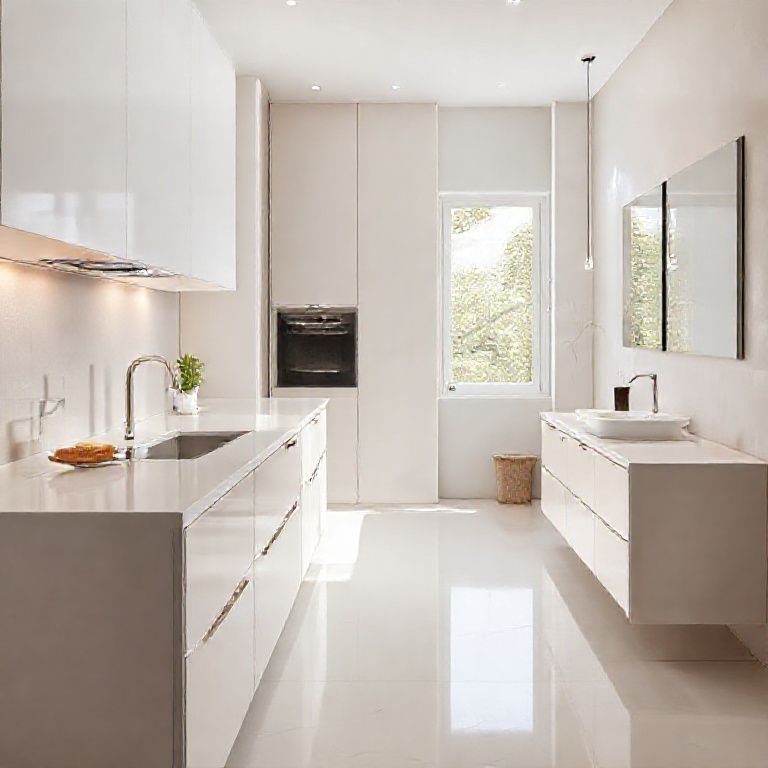
One of the most compelling reasons to consider engineered marble is its affordability. While natural marble can be prohibitively expensive due to its finite availability and the costs associated with quarrying and transportation, engineered marble offers a cost-effective alternative that delivers similar visual appeal at a fraction of the price.
The price of engineered marble can vary depending on the specific type, design, and thickness of the material. However, it generally provides a more budget-friendly option without compromising on quality or aesthetics. This makes engineered marble an attractive choice for homeowners and businesses looking to achieve a high-end look without breaking the bank.
Conclusion to Part 1
In conclusion, engineered marble stands as a testament to the fusion of beauty and practicality in modern design. Its ability to replicate the stunning visual appeal of natural marble, coupled with its superior durability and low maintenance requirements, makes it a highly desirable option for a wide range of applications. As we move on to the next part of our exploration into “Engineered Marble Price Lists,” we will delve deeper into the specific cost considerations and factors that influence the pricing of this luxurious material, ensuring you have all the information you need to make an informed decision for your next renovation project.
Navigating the Costs and Value of Engineered Marble
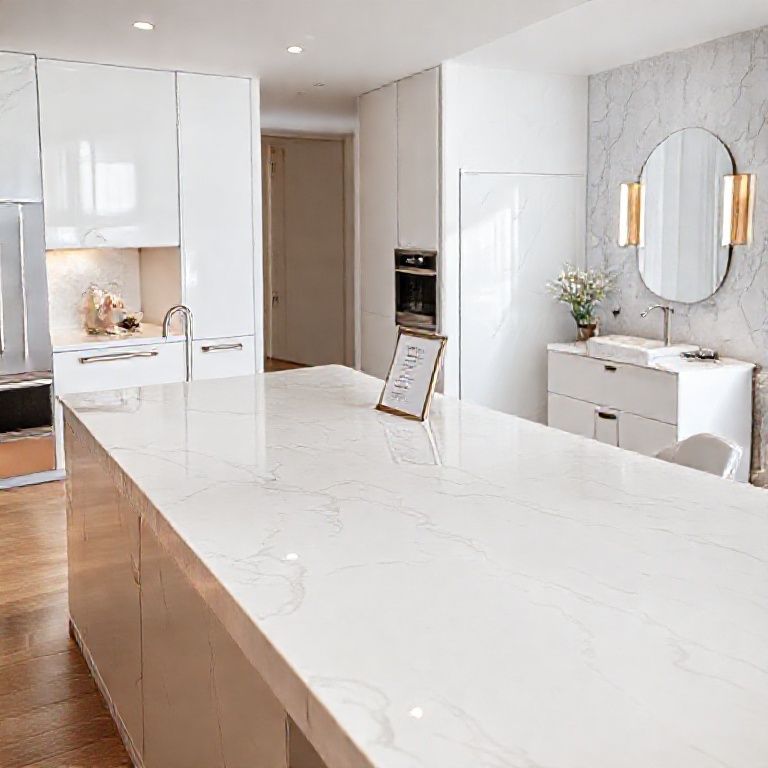
Having explored the enchanting world of engineered marble and its myriad benefits, we now turn our attention to the practical aspects of incorporating this luxurious material into your home or commercial space. In this second part of our discussion on “Engineered Marble Price Lists,” we will delve into the various factors that influence the cost of engineered marble, providing a detailed understanding of what to expect when budgeting for this exquisite material.
Understanding Engineered Marble Pricing
When it comes to the cost of engineered marble, several factors come into play. Understanding these elements will help you navigate the price lists and make informed decisions about where and how to use this beautiful material. Here are the key factors that influence engineered marble pricing:
Material Composition
The primary components of engineered marble include natural stone (such as limestone, marble, or slate) and resins. The type and quality of these materials can significantly impact the overall cost. High-quality resins and premium natural stone will result in a more expensive final product. Custom blends and unique combinations can also drive up the price.
Design and Patterns
Engineered marble offers a wide range of designs and patterns, from traditional marble veining to modern and abstract designs. Custom designs, intricate patterns, and unique color combinations can increase the cost. However, many manufacturers offer a variety of pre-designed options that provide stunning visual appeal at more affordable prices.
Thickness and Size
The thickness and size of engineered marble slabs can affect pricing. Thicker slabs generally offer greater durability and stability, but they may also come at a higher cost. Similarly, larger slabs or custom sizes may require additional production time and resources, which can influence the overall price.
Surface Finish
The surface finish of engineered marble can also impact its cost. Options such as honed, polished, and textured finishes each have different production requirements and aesthetic outcomes. While a polished surface provides a glossy, high-end look, a honed or textured finish may be more cost-effective and suitable for certain applications.
Installation Costs
While the price of the engineered marble itself is an important consideration, it’s also crucial to factor in the costs associated with installation. Professional installation ensures proper placement and longevity of the material, but it can add to the overall expense. Labor costs will vary depending on the complexity of the project and the expertise required.
Creating a Comprehensive Price List
To help you navigate the world of engineered marble pricing, it’s useful to create a comprehensive price list that includes all the key elements mentioned above. Here’s a sample breakdown of what such a list might include:
Base Material Costs Standard Natural Stone Blends: $20-$35 per square foot Premium Natural Stone Blends: $35-$60 per square foot Design and Pattern Costs Standard Patterns: $25-$45 per square foot Custom Designs: $45-$80 per square foot Thickness and Size Costs Standard Thickness (1/2 inch): $20-$35 per square foot Thicker Thickness (3/4 inch): $30-$50 per square foot Custom Sizes: Additional $10-$20 per square foot Finishing Costs Honed Finish: $20-$30 per square foot Polished Finish: $30-$50 per square foot Textured Finish: $25-$40 per square foot Installation Costs Basic Installation: $10-$20 per square foot Complex Installation (e.g., intricate designs, large surfaces): $20-$40 per square foot
Maximizing Value with Engineered Marble
While engineered marble offers a luxurious appearance at a more accessible price point, there are several strategies you can employ to maximize its value in your project:
Strategic Placement
Use engineered marble in areas where its durability and low maintenance are most appreciated. High-traffic areas such as countertops, backsplashes, and entryways benefit greatly from the resilience of engineered marble.
Custom Combinations
Explore the possibility of combining engineered marble with other materials to create a unique and cost-effective design. For example, using engineered marble for the countertop and a complementary material for the backsplash can create a stunning visual effect without exceeding your budget.
Sample Testing
Before committing to large quantities, request samples of different engineered marble options. Testing samples in your space can help you determine the best color, pattern, and finish for your specific needs, ensuring you make the most of your investment.
Professional Installation
While DIY installation might seem tempting, professional installation often yields the best results. Investing in professional labor can ensure proper placement and longevity, ultimately providing greater value for your money.
Conclusion to Part 2
工程大理石的优势
耐用性和耐用性:工程大理石的耐用性远超传统大理石,它不会轻易受到水、酸、酒精等液体的腐蚀,因此适用于需要经常清洁和抗污的场所,如厨房和浴室。
重量轻:相比天然大理石,工程大理石的重量更轻,这使得在安装过程中不需要复杂的固定结构,节省了施工成本和时间。
高度定制化:工程大理石允许设计师和建筑商定制颜色、纹理和厚度,这使其能够完全满足各种设计需求。
如何制定工程大理石的价格表
制定工程大理石的价格表时,需要考虑以下几个关键因素:
材料成本:这是最基本的成本,涵盖了天然石材和树脂的价格。高质量的材料会显著增加价格。
设计复杂度:定制设计和独特的纹理会增加材料和生产成本。简单的图案相对便宜。
厚度:较厚的工程大理石板块会比较薄的板块更贵,因为制造过程中需要更多的材料和时间。
表面处理:不同的表面处理(如抛光、磨砂、钢化等)也会影响价格。
运输和安装费用:这包括材料运输到现场,以及专业安装费用。
工程大理石的典型价格区间
根据以上因素,工程大理石的价格大致在每平方英尺(约每平方米)30美元至80美元之间。这只是一个大致范围,具体价格还会根据地区、材料质量、设计复杂度等因素有所变化。
应用案例
厨房台面:由于厨房环境潮湿且常有液体溅洒,工程大理石成为一种非常实用的选择。其耐水、耐污的特性使其成为厨房台面的热门材料。
浴室台面和柜子:浴室也是潮湿的环境,工程大理石的防水性和易于清洁的特性使其成为浴室台面和柜子的理想材料。
地板和墙面:虽然工程大理石更常用于台面,但它也可以用于地板和墙面,特别是在需要高耐用性和易于清洁的场所。
市场趋势
随着现代建筑和室内设计的不断创新,工程大理石市场在全球范围内持续增长。越来越多的设计师和建筑商开始认识到其高性价比和定制化能力,从而在各种项目中使用工程大理石。
总结
工程大理石以其耐用性、轻量化、易于维护以及高度定制化的特点,成为现代建筑和室内设计中的热门选择。通过了解其成本结构和市场趋势,可以更好地在项目中合理应用这一材料,既满足设计需求,又控制成本。