
The gleam of marble has long been a symbol of opulence and timeless elegance. From the grand halls of ancient palaces to the bespoke kitchens of modern homes, its lustrous surface and intricate veining have captivated imaginations for centuries. Yet, the pursuit of this natural beauty often comes with a hefty price tag, both financially and environmentally. Enter artificial marble, a fascinating contender that promises to replicate the aesthetic appeal of its natural counterpart while offering a host of practical benefits. But what exactly is this engineered marvel, and does it truly stand up to the test of time and style? Let’s embark on a journey to unravel the allure and anomaly of artificial marble, exploring its advantages in meticulous detail.

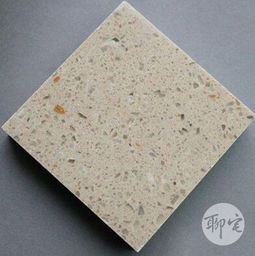
One of the most compelling arguments for choosing artificial marble lies in its remarkable consistency and predictability. Unlike natural stone, which is a product of geological processes spanning millennia, artificial marble is meticulously manufactured. This means that the color, pattern, and veining are controlled precisely during the production phase. For designers and homeowners alike, this translates into a stress-free selection process. You can confidently choose a slab knowing that its appearance will be exactly as you expect, eliminating the gamble often associated with selecting natural marble. No more squinting at different slabs, hoping to find a perfect match, or worrying about unexpected inclusions or color variations that can disrupt an otherwise meticulously planned design. This uniformity is a boon for large-scale projects or when precise color matching is critical, ensuring a cohesive and harmonious finish every time.
Beyond its predictable beauty, artificial marble boasts superior durability and resilience. Natural marble, while beautiful, is notoriously porous and susceptible to staining, etching, and chipping. Acids, oils, and even everyday spills can leave their mark, requiring constant vigilance and specialized cleaning routines. Artificial marble, on the other hand, is typically engineered with a non-porous composition, making it significantly more resistant to stains. This means that red wine spills, coffee drips, or splatters from your culinary adventures are far less likely to become permanent fixtures on your countertops. Furthermore, its hardness often surpasses that of natural marble, offering greater resistance to scratches and impact. This inherent toughness makes it an ideal choice for high-traffic areas in kitchens and bathrooms, where durability is paramount. Imagine a kitchen island that can withstand the daily rigors of meal preparation without the constant fear of damage – that’s the promise of artificial marble.
The ease of maintenance is another significant advantage that makes artificial marble a highly attractive option. Its non-porous surface means that it doesn’t require the regular sealing that natural marble demands. Sealing is a crucial but often overlooked step in natural marble care, and if not done diligently, it can lead to increased susceptibility to stains and bacterial growth. With artificial marble, you can say goodbye to the repetitive and sometimes messy task of resealing. A simple wipe-down with a damp cloth and a mild detergent is usually all that’s needed to keep it looking pristine. This low-maintenance aspect is a lifesaver for busy households or individuals who simply don’t have the time or inclination for elaborate cleaning rituals. It offers the luxury of marble without the demanding upkeep, allowing you to enjoy the aesthetic without the associated chores.
Cost-effectiveness is a powerful driver for many homeowners considering material choices, and artificial marble often presents a more budget-friendly alternative to high-end natural marbles. While the initial investment can still be significant, it generally falls below the price point of rare or exotic natural stones. This accessibility allows a broader range of people to achieve the sophisticated look of marble without breaking the bank. Moreover, when you factor in the reduced need for specialized cleaning products, sealants, and the potential costs associated with repairing damage from stains or etching that are common with natural marble, the long-term savings of artificial marble become even more pronounced. It offers a smart investment in both aesthetics and practicality, providing a high-end feel at a more attainable price.
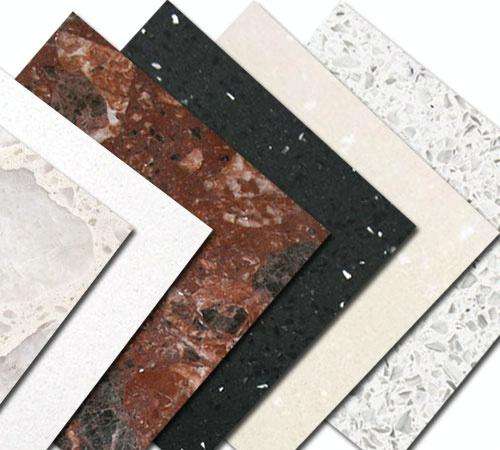
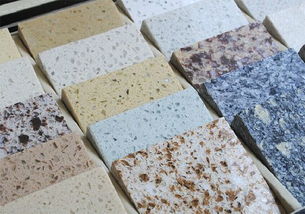
The versatility in design and application offered by artificial marble is truly remarkable. Because it is manufactured, it can be produced in an extensive array of colors, patterns, and finishes. From solid, vibrant hues to intricate marbled effects that mimic the most sought-after natural stones, the design possibilities are virtually limitless. This adaptability means that artificial marble can seamlessly integrate into any interior design style, whether you’re aiming for a minimalist modern aesthetic, a classic traditional look, or something entirely unique. It can be fabricated into various shapes and sizes, allowing for custom designs in countertops, backsplashes, wall cladding, flooring, and even decorative elements. This flexibility empowers designers and homeowners to realize their creative visions without being constrained by the natural limitations of quarried stone.
Furthermore, the environmental considerations surrounding artificial marble are often more favorable than those of natural stone extraction. The quarrying of natural marble can have a significant environmental impact, involving extensive land disruption, water usage, and energy consumption for extraction and transportation. While the manufacturing of artificial marble does require energy and resources, it can often be done with more controlled processes and potentially with recycled content. Some manufacturers are also developing more sustainable production methods, further enhancing its eco-friendly profile. For those seeking to make more conscious choices for their homes, artificial marble can present a compelling case for a more responsible material selection, especially when considering its durability, which translates to a longer lifespan and less frequent replacement.
In conclusion, the advantages of artificial marble are numerous and compelling. Its consistent beauty, enhanced durability, effortless maintenance, cost-effectiveness, design versatility, and often more favorable environmental impact make it a leading contender in the material selection process. It offers a tangible solution for those who desire the timeless elegance of marble without the inherent challenges. As we continue to explore the world of engineered materials, artificial marble stands out as a testament to innovation, providing a practical and aesthetically pleasing option that meets the demands of modern living.
While the advantages of artificial marble are undeniably compelling, a balanced perspective requires an exploration of its potential drawbacks. Like any material, it’s not without its imperfections, and understanding these nuances is crucial for making an informed decision. Let’s delve into the less radiant aspects of artificial marble, examining the areas where its performance might fall short of expectations or present unique challenges.
One of the primary concerns often raised about artificial marble is its susceptibility to heat damage. Unlike natural stone, which can generally withstand higher temperatures, many types of engineered quartz (a popular form of artificial marble) can be damaged by direct contact with hot pots and pans. The resins used in the manufacturing process can scorch, discolor, or even crack when exposed to extreme heat. This means that using trivets or hot pads is not just a recommendation but a necessity for maintaining the pristine surface of artificial marble countertops. While some newer formulations are being developed with improved heat resistance, it remains a significant consideration, particularly for avid home cooks who frequently place hot cookware directly on their surfaces. This vulnerability can lead to unsightly marks or even permanent damage, necessitating costly repairs or replacements.
Another potential drawback is the risk of scratching and chipping under certain conditions. While often marketed as being harder than natural marble, artificial marble can still be scratched by very sharp objects or abrasive materials. The resins in its composition, while contributing to its strength, can also be more prone to showing visible scratches than some natural stones. Furthermore, while it’s resistant to impact, sharp, heavy blows in specific spots, especially at edges or corners, can lead to chipping. This means that care must still be taken during use, and while it’s more forgiving than some softer natural stones, it’s not entirely impervious to physical damage. Regular cleaning with non-abrasive cloths and avoiding dragging heavy or sharp objects across the surface are important preventative measures.
The limitations in repairability for certain types of damage can also be a concern. While minor scratches might be buffed out, deeper chips or significant heat damage can be very difficult, if not impossible, to repair seamlessly. Natural marble, with its inherent variations, can sometimes mask repairs more effectively. Artificial marble, with its uniform patterns and colors, can make repairs stand out more conspicuously. In cases of severe damage, the entire slab or section might need to be replaced, which can be a costly and disruptive process. This is a stark contrast to some other countertop materials that might allow for more localized and invisible repairs.
While artificial marble is generally cost-effective compared to high-end natural marbles, its initial cost can still be a barrier for some consumers. The price can vary significantly depending on the brand, the complexity of the design, and the specific type of artificial marble. Some premium engineered stones can rival or even exceed the cost of certain natural marbles. For budget-conscious individuals or those undertaking a more modest renovation, the price point of artificial marble might still be prohibitive, pushing them towards more economical alternatives like laminate or solid surface materials. It’s important to compare prices across different brands and types to find a solution that fits the budget.
The use of resins and chemical compounds in the manufacturing of artificial marble raises questions about its environmental impact and potential health concerns. While efforts are being made to use more sustainable resins and manufacturing processes, the production of engineered stone often involves petrochemicals. The off-gassing of volatile organic compounds (VOCs) from these materials can be a concern, particularly in the initial stages after installation, although reputable manufacturers adhere to strict standards to minimize this. For individuals with chemical sensitivities or a strong preference for natural, unadulterated materials, this aspect might be a deterrent. Thorough research into the manufacturer’s practices and certifications is advisable.
Lastly, the aesthetic appeal can sometimes be perceived as less authentic by purists. While artificial marble has made incredible strides in replicating the look of natural stone, some connoisseurs can detect the subtle differences. The absolute uniformity and the sometimes overly perfect patterns can lack the unique, organic character that makes natural marble so coveted. For those who cherish the individual story and inherent imperfections of natural materials, artificial marble might feel somewhat manufactured or less alive. This is largely a subjective point, but it’s a consideration for those who prioritize the “natural” aspect above all else.
In summary, while artificial marble offers a dazzling array of benefits in terms of consistency, durability, and ease of maintenance, it’s essential to acknowledge its limitations. Its vulnerability to heat, potential for scratching, repair complexities, initial cost, chemical composition, and subjective aesthetic differences are all factors that warrant careful consideration. By understanding both the allure and the anomaly, homeowners and designers can make a truly informed choice, ensuring that their chosen material not only enhances their space but also aligns with their practical needs and long-term expectations.









