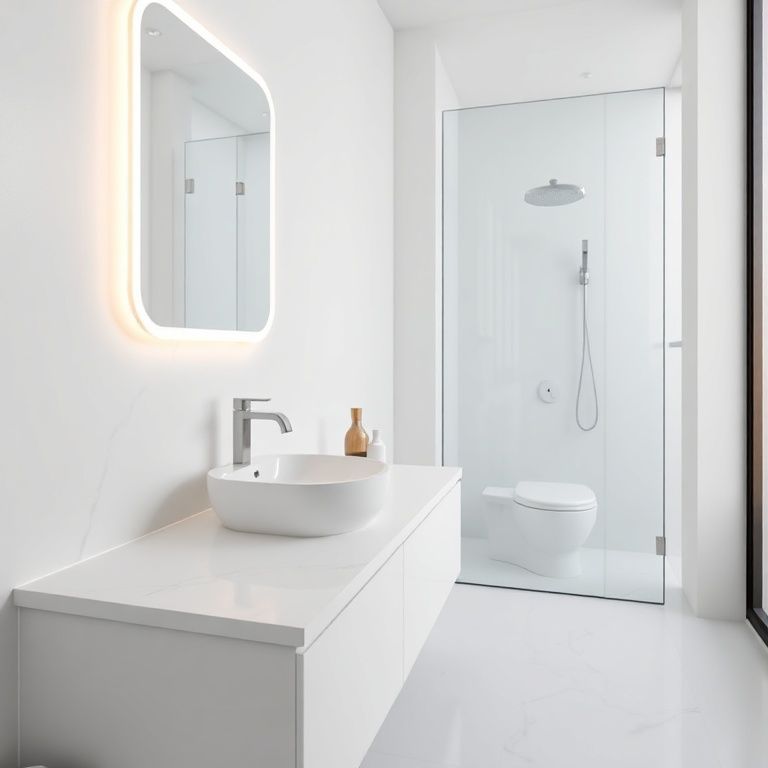
The Allure and Authenticity of Eco-Stone Compared to Marble
In the dynamic realm of interior design, the quest for the perfect balance between beauty and sustainability has led many to reconsider traditional materials like marble. Eco-Stone emerges as a compelling alternative that marries both aesthetics and eco-conscious choices. This first part delves into the defining characteristics, environmental impact, and design versatility of Eco-Stone compared to its more established counterpart, marble.
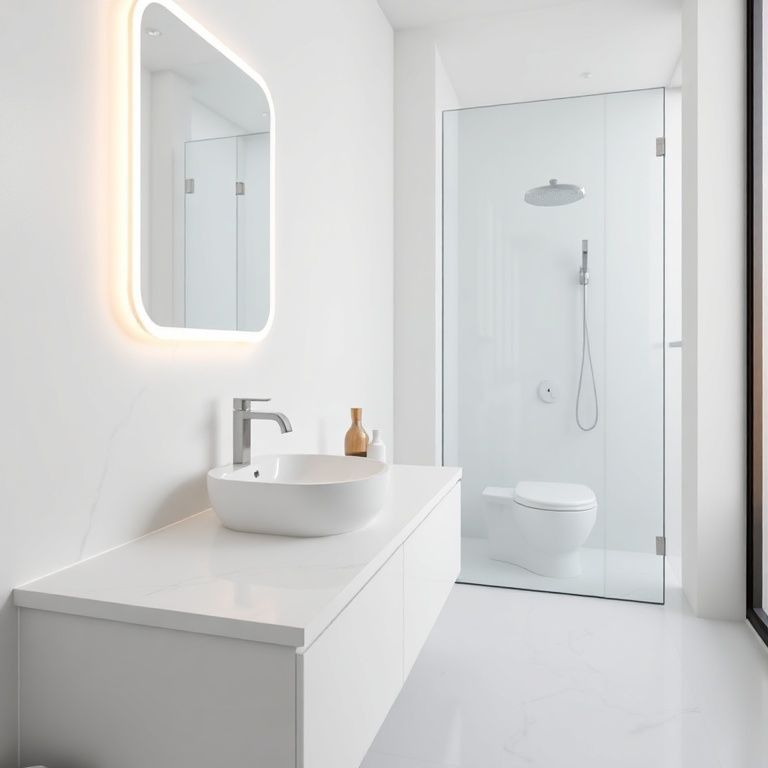
What is Eco-Stone?
Eco-Stone, also known as artificial stone, is a composite material crafted from natural minerals and recycled waste. It’s engineered to mimic the look and feel of traditional stone while offering several advantages. The manufacturing process involves mixing natural stone powders with water, binding agents, and sometimes recycled materials, creating a stone-like product that’s durable, versatile, and significantly more sustainable.
Aesthetic Appeal and Design Versatility
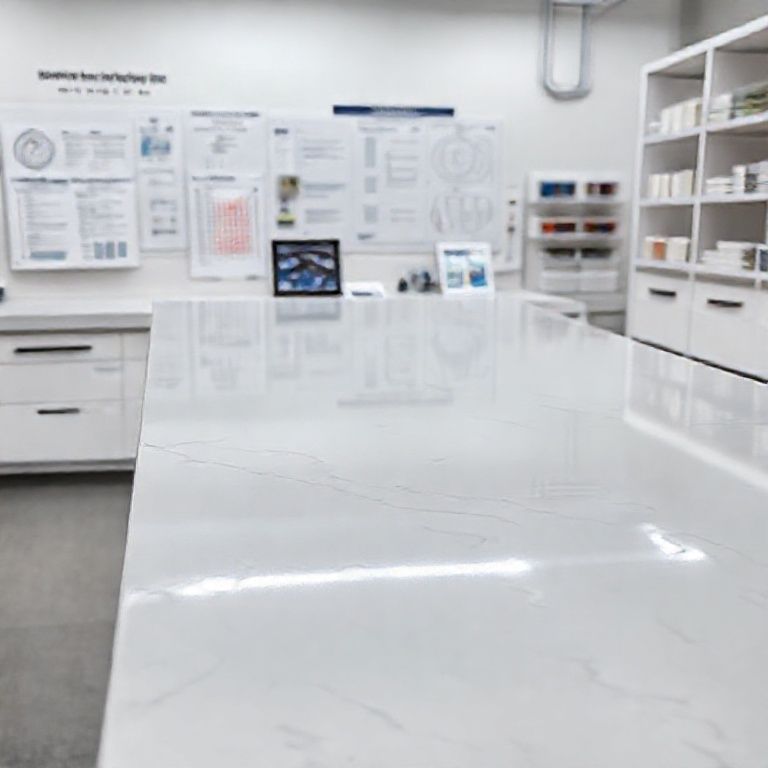
Eco-Stone boasts an impressive array of colors and textures that can rival the most exquisite marble. This flexibility allows designers and homeowners to create unique, custom designs that cater to their specific aesthetic preferences. Whether you desire the classic elegance of a marble look or a more contemporary, abstract pattern, Eco-Stone can be tailored to meet these needs.
One of the standout features of Eco-Stone is its resistance to staining, chipping, and fading. Unlike marble, which can be prone to scratches and stains, Eco-Stone provides a long-lasting, low-maintenance surface that maintains its beauty over time. This makes it an ideal choice for high-traffic areas and spaces where aesthetics are paramount.
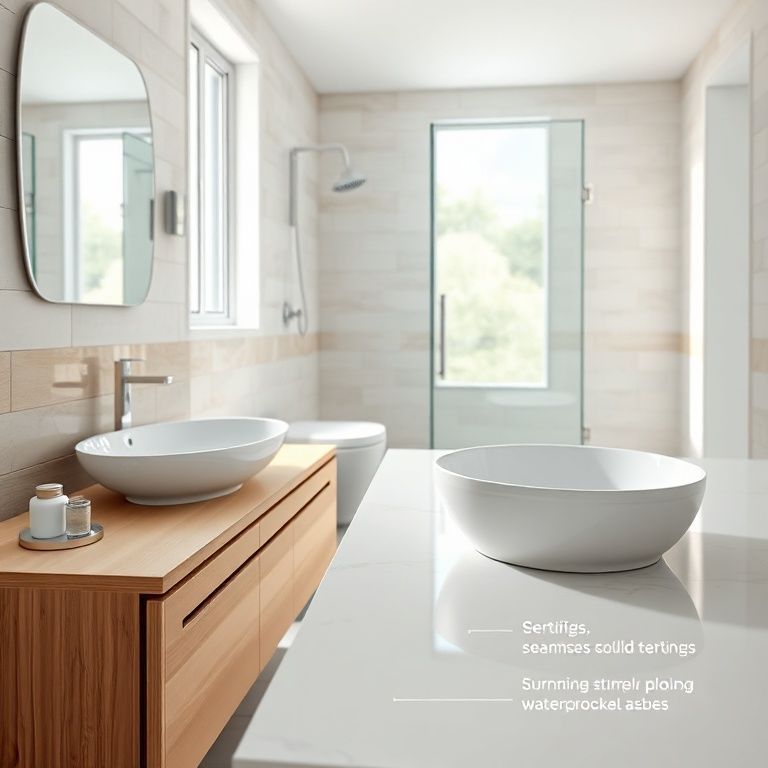
Sustainability: The Eco-Stone Advantage
The environmental footprint of Eco-Stone is considerably smaller than that of traditional marble. Marble extraction is a resource-intensive process that often results in significant environmental degradation. Quarrying marble can lead to habitat destruction, water pollution, and the emission of greenhouse gases. In contrast, Eco-Stone’s production involves the use of recycled materials, reducing the need for new raw materials and minimizing waste.
Furthermore, Eco-Stone production consumes less energy than marble quarrying and processing. The use of recycled content in Eco-Stone’s composition further reduces its overall environmental impact, making it a more sustainable choice for eco-conscious consumers.
Durability and Maintenance
Durability is a hallmark of both Eco-Stone and marble, but Eco-Stone holds a distinct advantage in certain aspects. While marble is known for its timeless beauty, it can be susceptible to scratches, stains, and even microbial growth if not properly cared for. Eco-Stone, on the other hand, is designed to be highly durable and low-maintenance. It withstands high temperatures and is resistant to most household cleaners, making it easier to maintain and ideal for areas where ease of cleaning is a priority.
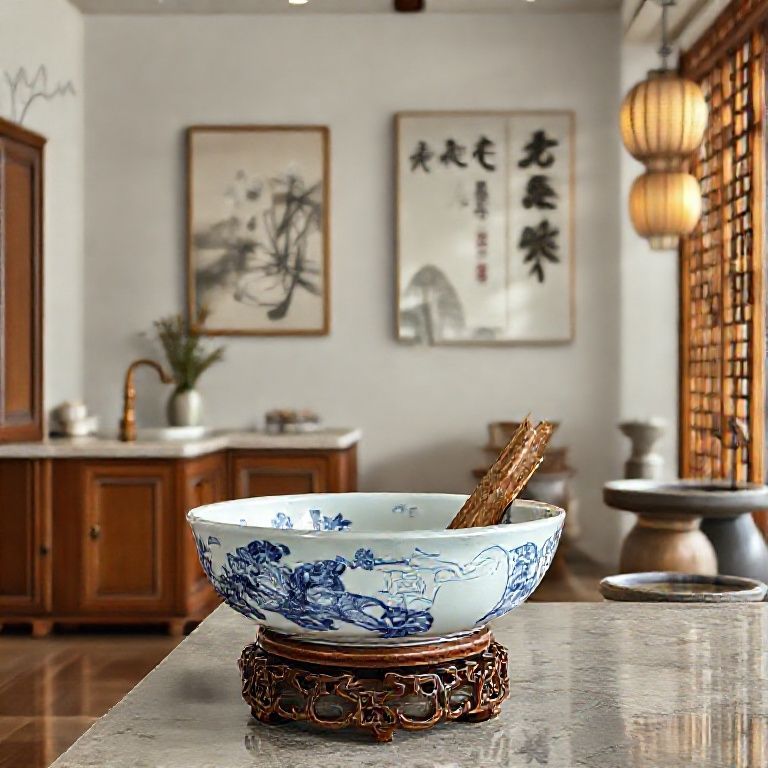
Marble: Tradition and Timeless Elegance
Marble, a natural stone with a rich history, has been used for centuries in architecture and interior design. Its unique veining and color variations make it a highly sought-after material for creating luxurious, elegant spaces. Marble’s timeless appeal is undeniable, and its use in high-end projects continues to be a symbol of sophistication and refinement.
Comparison: Eco-Stone vs. Marble
Cost
Marble generally commands a higher price point due to its natural origin and the labor-intensive process involved in its extraction and cutting. Eco-Stone, being an artificial product, is typically more affordable, offering similar aesthetics at a lower cost.
Sustainability
As mentioned earlier, Eco-Stone’s production process is significantly more sustainable. It utilizes recycled materials, consumes less energy, and has a lower environmental impact compared to marble. This makes Eco-Stone an appealing choice for those who prioritize sustainability without compromising on quality.
Aesthetic Flexibility
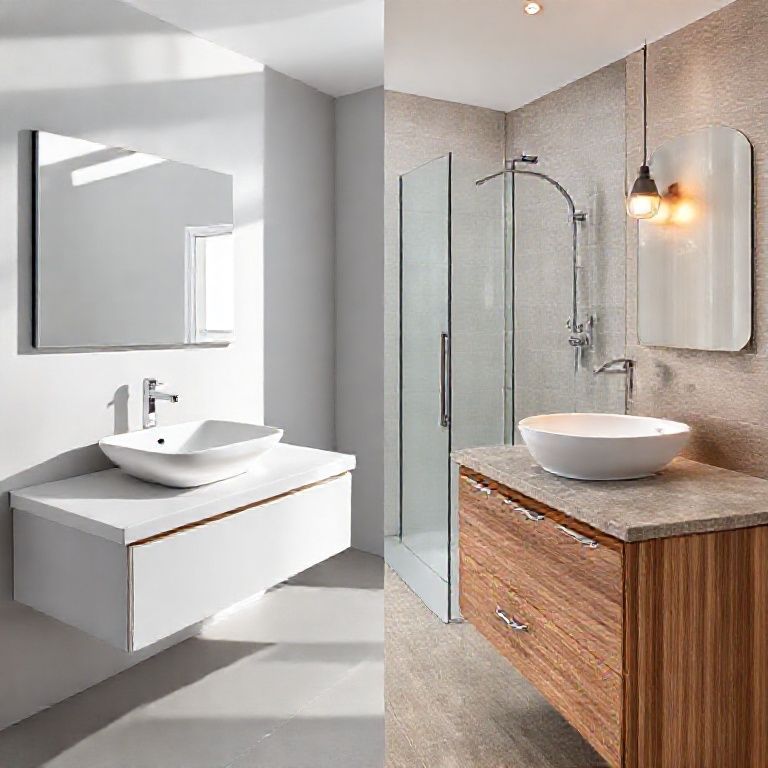
Both Eco-Stone and marble offer a wide range of color and texture options. However, Eco-Stone’s flexibility in design is often more pronounced due to its customizable nature. Designers can create bespoke patterns and finishes that are not easily achievable with natural marble.
Conclusion
Eco-Stone offers a compelling alternative to traditional marble, blending the timeless elegance of natural stone with the benefits of sustainability and versatility. While marble remains a symbol of luxury and tradition, Eco-Stone provides a modern, eco-friendly option that doesn’t compromise on beauty or durability. In the next part, we will further explore the practical applications, installation, and maintenance of Eco-Stone and marble in various interior design settings.
The Allure and Authenticity of Eco-Stone Compared to Marble (Continued)
Building on the foundational comparison between Eco-Stone and marble, this second part delves deeper into their practical applications, installation processes, and maintenance considerations. We’ll explore how these two materials can be effectively utilized in various interior design contexts to enhance both aesthetics and sustainability.
Practical Applications in Interior Design
Kitchens and Bathrooms
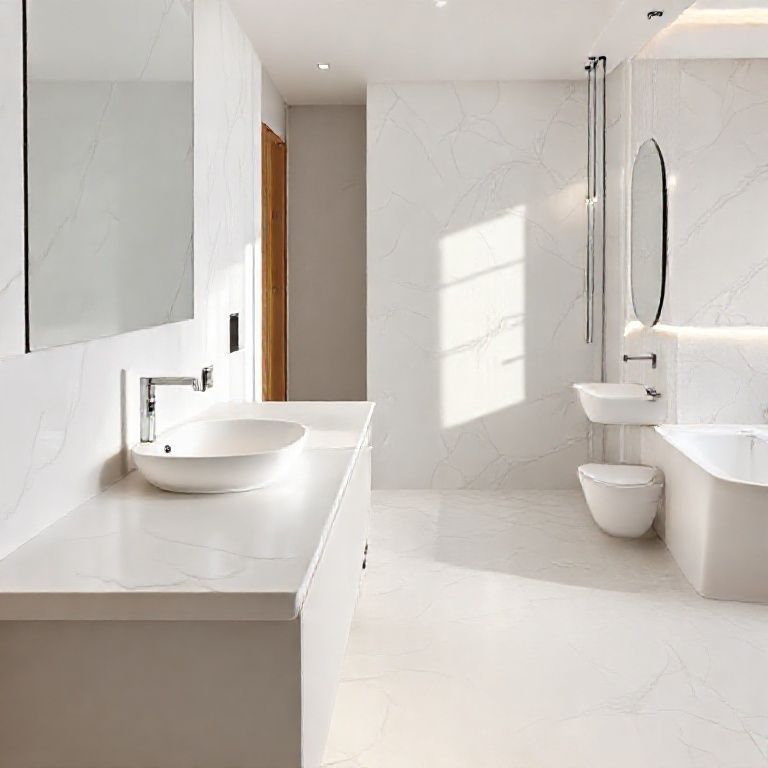
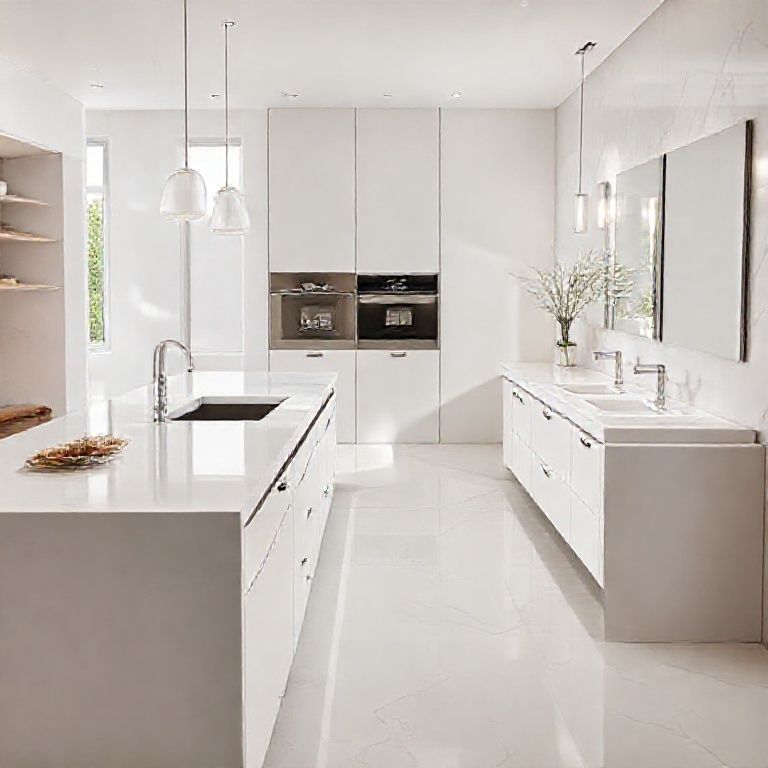
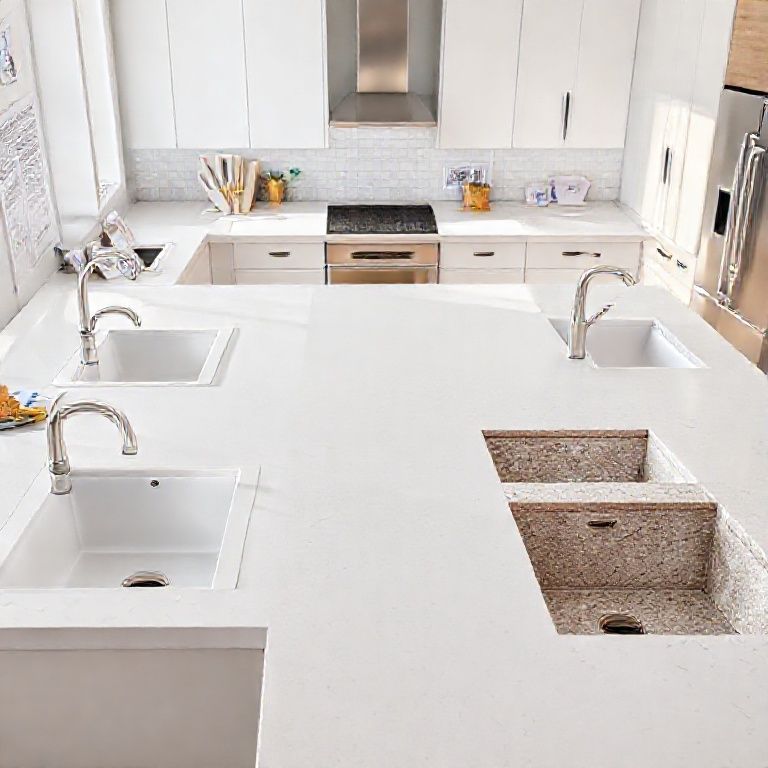
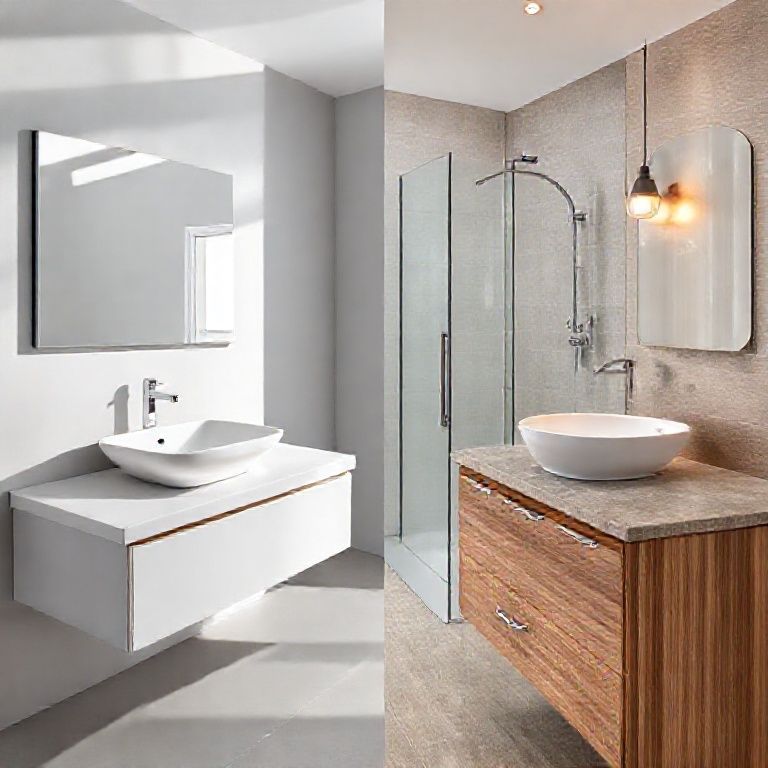
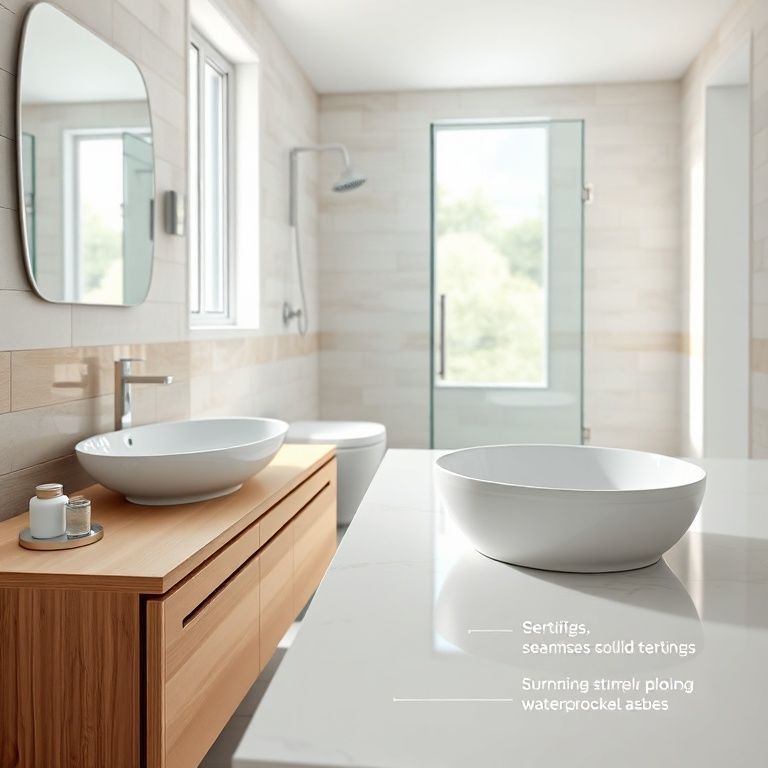
Both Eco-Stone and marble are popular choices for kitchens and bathrooms due to their durability and aesthetic appeal. Eco-Stone’s resistance to stains and easy maintenance make it an excellent choice for countertops, backsplashes, and even bathroom vanities. Its versatility allows designers to create seamless, custom designs that blend with other materials in the space.
Marble, with its classic beauty, is often used for countertops and backsplashes in high-end kitchens and bathrooms. Its unique veining and color variations provide a luxurious touch. However, marble’s susceptibility to stains and scratches necessitates more careful maintenance and higher costs for professional cleaning.
Flooring
When it comes to flooring, both Eco-Stone and marble offer stunning visual options. Eco-Stone’s durability and low-maintenance nature make it ideal for both residential and commercial flooring. Its ability to mimic various stone textures allows for versatile design possibilities.
Marble flooring is known for its elegance and timeless appeal. However, it requires regular sealing and maintenance to prevent staining and scratches. The cost of installation and upkeep can be higher compared to Eco-Stone, making it less practical for areas with high foot traffic.
Wall Cladding and Accent Walls
Eco-Stone and marble both excel in creating striking wall cladding and accent walls. Eco-Stone’s customizable nature allows designers to create unique, intricate patterns and finishes that can serve as focal points in a room. Its durability ensures that these accents will maintain their beauty over time.
Marble’s natural beauty makes it a popular choice for accent walls. The unique veining and color variations provide a luxurious touch that can elevate any space. However, marble’s susceptibility to staining and scratches means it may not be the best choice for high-traffic areas.
Installation Process
Eco-Stone
Installing Eco-Stone is a relatively straightforward process that can be completed by professionals with minimal training. The material is available in various forms, including tiles, slabs, and custom shapes, making it versatile for different applications. The installation process involves cleaning the surface, applying adhesive, and placing the Eco-Stone pieces. The material is then left to cure, and any excess adhesive is trimmed.
Eco-Stone’s resistance to moisture and temperature makes it suitable for both indoor and outdoor installations. It can be used in areas where high durability is required, such as kitchens and bathrooms.
Marble
Installing marble requires more expertise due to its delicate nature. Marble tiles and slabs must be cut to fit the space, which involves precise measurements and cutting techniques. The installation process typically involves using a specialized adhesive designed for marble, followed by careful placement and alignment.
Marble’s sensitivity to temperature changes and staining means it requires careful handling and professional installation. The finished surface often needs additional treatments, such as sealing, to protect it from stains and scratches.
Maintenance Considerations
Eco-Stone
One of the significant advantages of Eco-Stone is its low maintenance requirements. Unlike marble, Eco-Stone does not require sealing or regular cleaning with specialized products. It can be cleaned with standard household cleaners and mild detergents, making it an ideal choice for busy households and commercial spaces.
Eco-Stone’s resistance to stains, chips, and fading ensures that it maintains its appearance over time. Regular cleaning and minor repairs are typically all that’s needed to keep it looking pristine.
Marble
Maintaining marble requires more effort and expense. Regular cleaning with pH-neutral cleaners is essential to prevent staining and damage. Marble surfaces often need to be sealed periodically to provide a protective barrier against stains and scratches.
Professional cleaning services may be required to ensure the marble remains in top condition. The cost of maintenance can add up over time, making it a less practical choice for some homeowners and businesses.
Conclusion
In conclusion, both Eco-Stone and marble offer unique advantages and disadvantages when it comes to practical applications, installation, and maintenance. Eco-Stone’s versatility, durability, and low maintenance make it an appealing choice for those who prioritize sustainability and ease of care. Marble, with its timeless elegance and natural beauty, remains a symbol of luxury and tradition.
The choice between Eco-Stone and marble ultimately depends on your specific needs, budget, and design preferences. For those looking to create a sustainable, low-maintenance space with stunning aesthetics, EcoStone, Eco-Stone, and Marble: Final Thoughts and Design Inspiration
Eco-Stone vs. Marble: The Ultimate Decision
When it comes to choosing between Eco-Stone and marble for your interior design project, it’s essential to weigh both the aesthetic and practical aspects. Here’s a more detailed breakdown to help you make an informed decision:
Aesthetic Considerations
Eco-Stone
Customization: Eco-Stone’s flexibility allows for a wide range of colors, textures, and patterns. Designers can create unique designs that cater to specific tastes and styles. Durability: Its resistance to staining, chipping, and fading means Eco-Stone maintains its appearance over time, making it ideal for high-traffic areas. Versatility: Eco-Stone can be used in various applications, from countertops and flooring to wall cladding and accent pieces.
Marble
Natural Beauty: Marble’s unique veining and color variations offer a timeless elegance that can elevate any space. Luxury: The natural origin of marble gives it a luxurious feel, making it a popular choice for high-end projects. Design Flexibility: Marble’s aesthetic appeal can be enhanced with different finishes and cuts, allowing for diverse design possibilities.
Practical Considerations
Eco-Stone
Sustainability: Eco-Stone’s production involves the use of recycled materials and consumes less energy, making it a more sustainable option. Cost-Effectiveness: Generally more affordable than marble, making it a practical choice for budget-conscious projects. Low Maintenance: Easy to clean and maintain, Eco-Stone requires minimal effort to keep looking pristine.
Marble
Durability: While marble is durable, it requires regular maintenance to prevent staining and scratches. Cost: The cost of marble can be higher due to its natural origin and the labor-intensive process involved in its extraction and cutting. Environmental Impact: The environmental footprint of marble is significant, as quarrying and processing can lead to habitat destruction and water pollution.
Design Inspiration
Eco-Stone
Modern and Minimalist: Eco-Stone’s versatility makes it ideal for modern and minimalist designs. Its customizable nature allows for sleek, clean lines and monochromatic palettes. Eco-Friendly Spaces: For projects focused on sustainability, Eco-Stone’s eco-friendly production process aligns perfectly with green design goals. Custom Designs: Designers can create bespoke patterns and finishes that cater to unique design visions, making Eco-Stone perfect for custom projects.
Marble
Classic and Timeless: Marble’s natural beauty is perfect for classic, timeless designs. Its unique veining and color variations provide a luxurious touch that can enhance any space. Luxury Projects: For high-end projects where luxury and tradition are paramount, marble’s natural origin and timeless elegance make it the ideal choice. Artistic Expressions: Marble’s aesthetic appeal can be enhanced with various finishes and cuts, allowing for artistic expressions that showcase its natural beauty.
Final Thoughts
Choosing between Eco-Stone and marble ultimately depends on your specific needs, budget, and design preferences. Here are some final tips to guide your decision:
Sustainability: If sustainability is a top priority, Eco-Stone’s eco-friendly production process and low environmental impact make it the more sustainable choice. Budget: For budget-conscious projects, Eco-Stone’s cost-effectiveness can provide similar aesthetics at a lower price point. Design Style: If you prefer a modern, minimalist, or eco-friendly design style, Eco-Stone’s versatility and customizable nature make it an excellent choice. For classic, luxurious, and timeless designs, marble’s natural beauty and elegance are unmatched. Maintenance: Consider the maintenance requirements of each material. Eco-Stone’s low maintenance makes it ideal for busy households and commercial spaces, while marble’s regular cleaning and sealing needs may require more effort and expense.
By carefully weighing these factors, you can make a well-informed decision that aligns with your design vision and practical needs. Whether you choose the innovative, sustainable Eco-Stone or the luxurious, timeless marble, both materials offer unique advantages that can enhance your interior design projects.
In conclusion, Eco-Stone and marble each have their own set of advantages that cater to different design needs and preferences. Eco-Stone’s flexibility, sustainability, and low maintenance make it an appealing choice for modern, eco-friendly designs. Meanwhile, marble’s natural beauty, luxury, and timeless elegance make it perfect for classic and high-end projects. By understanding the unique qualities and considerations of each material, you can make an informed decision that best suits your specific requirements and design aspirations.