The Allure and Cost of Artificial Marble: What to Expect for Your Next Project
Artificial marble has emerged as a stunning alternative to natural marble, offering a plethora of benefits that make it an increasingly popular choice for homeowners and designers alike. This material has captivated the market due to its remarkable durability, aesthetic appeal, and cost-effectiveness.
What is Artificial Marble?
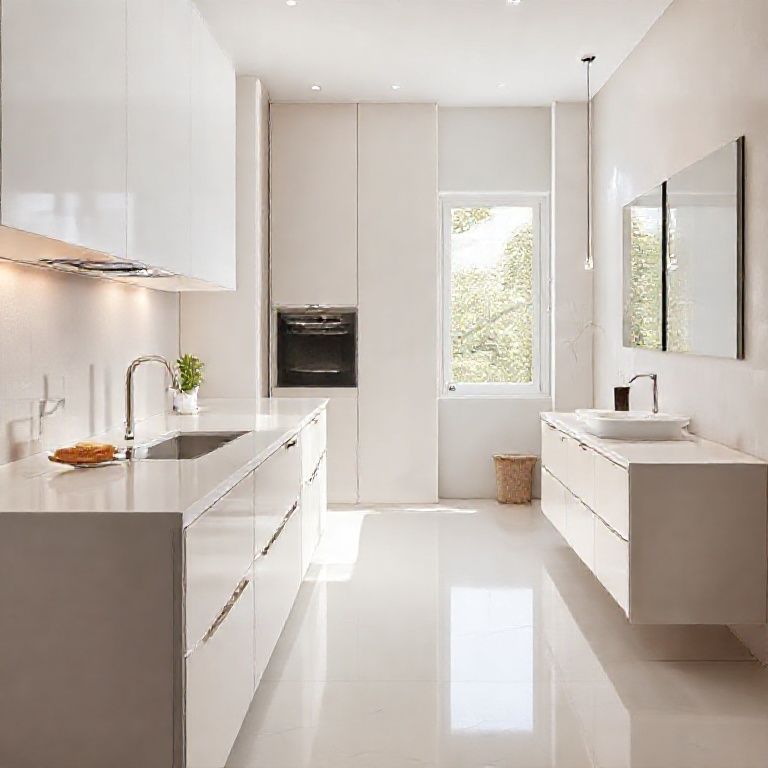
Artificial marble, often referred to as engineered stone, is a composite material that mimics the appearance of natural marble while providing superior durability and resistance to wear and tear. Unlike traditional marble, which is a natural stone prone to scratches, chips, and discoloration, artificial marble is crafted from a blend of minerals, resins, and pigments. This combination results in a product that is not only visually stunning but also highly resilient.
The Aesthetic Appeal
One of the primary reasons for the growing popularity of artificial marble is its aesthetic versatility. Available in an array of colors and patterns, artificial marble can replicate the look of traditional marble or offer entirely unique designs. It provides an opportunity to achieve the luxurious appearance of marble at a fraction of the cost. Whether you’re looking to enhance the elegance of your kitchen countertops, bathroom vanities, or even your outdoor spaces, artificial marble offers endless design possibilities.
Benefits of Artificial Marble
Durability: Artificial marble is far more durable than natural marble. It doesn’t scratch easily, resists stains, and is less prone to fading. This makes it an excellent choice for high-traffic areas where durability is paramount.
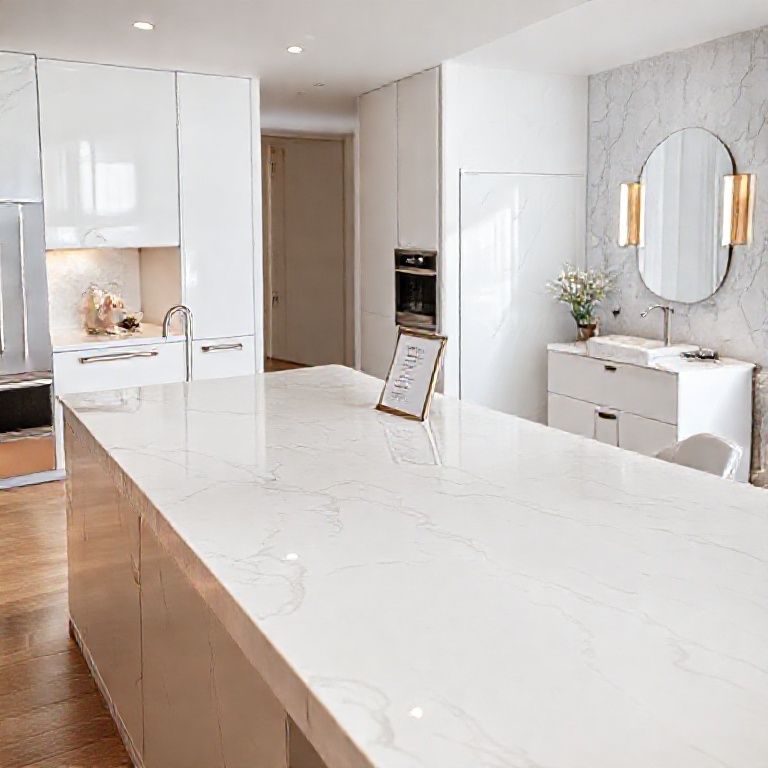
Cost-Effective: One of the most significant advantages of artificial marble is its affordability. While the initial cost of installation might be higher than some other materials, the long-term savings on maintenance and replacement make it a wise investment.
Easy Maintenance: Unlike natural stone, artificial marble is easy to clean. A simple wipe with a damp cloth and mild soap is often sufficient to keep it looking pristine.
Customization: Artificial marble can be designed to mimic almost any natural stone, offering a wide range of design options. It’s also possible to create custom patterns and colors to match your specific design vision.
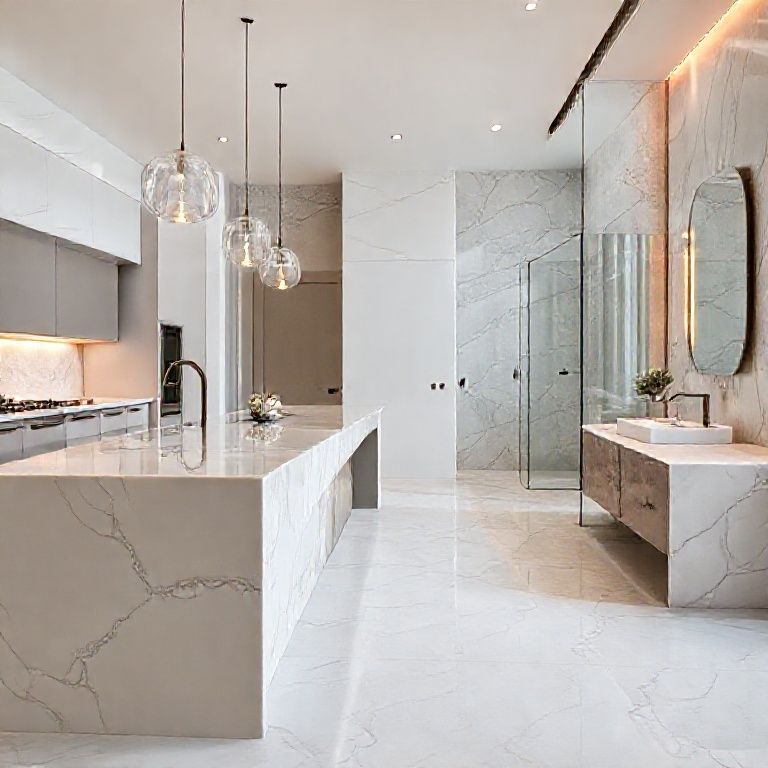
The Cost Factor: Artificial Marble Price Per Square Meter
When considering the cost of artificial marble, it’s important to understand that prices can vary widely based on several factors. These include the quality of the material, the complexity of the design, and the reputation of the manufacturer.
Quality and Material: High-quality artificial marble typically uses premium resins and pigments, which can significantly impact the price. Brands that invest in advanced manufacturing techniques and high-grade materials will naturally have higher price points.
Design Complexity: Custom designs and intricate patterns can drive up the cost. The more detailed the design, the more labor-intensive the production process becomes.
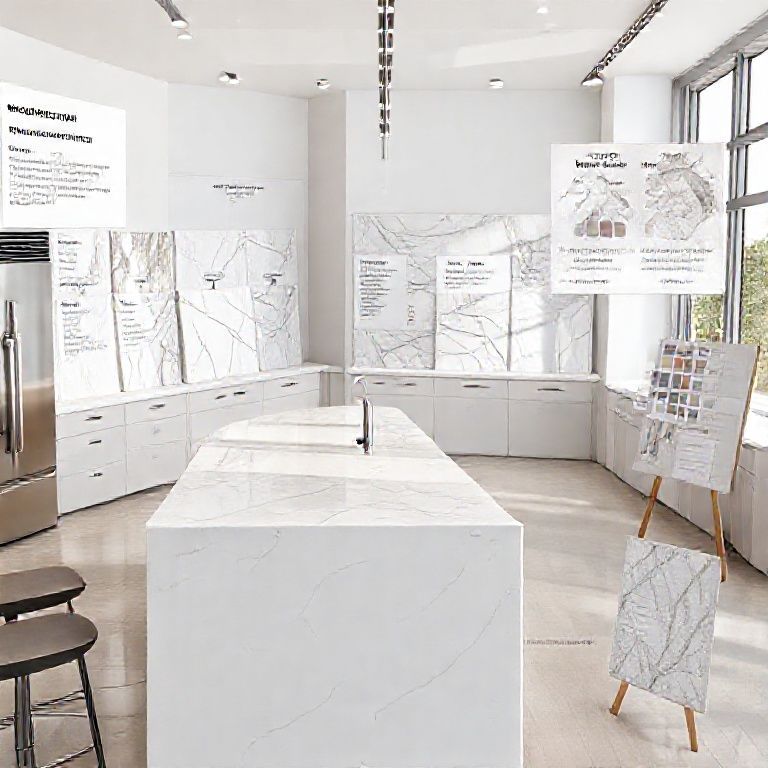
Brand Reputation: Established brands with a strong reputation for quality and innovation tend to charge more. This is reflective of their expertise and the assurance of long-lasting, high-quality products.
Installation Costs: The cost of installation can also affect the overall expense. Professional installation ensures that the material is used correctly, maximizing its lifespan and aesthetic appeal.
Typical Price Range
While it’s difficult to pinpoint an exact price for artificial marble per square meter, a general range can provide a useful guideline. Typically, artificial marble costs between $30 to $80 per square meter, depending on the aforementioned factors. High-end custom designs or premium materials can push this price upward, sometimes exceeding $100 per square meter.
Making an Informed Decision
When it comes to deciding whether artificial marble is the right choice for your project, several considerations should guide your decision:
Budget: Assess your budget carefully. While artificial marble is more affordable than natural marble, it’s still important to balance cost with the features and benefits you desire.
Durability Needs: If your space requires a highly durable material that can withstand daily wear and tear, artificial marble is an excellent choice.
Design Preferences: Consider the design elements you want to incorporate. Artificial marble’s flexibility allows for a wide range of styles, from sleek modern to classic elegance.
Maintenance: Think about how much time and effort you’re willing to put into maintenance. Artificial marble’s low-maintenance nature can be a significant advantage.
Long-Term Value: Evaluate the long-term benefits. While the initial investment might be higher, the reduced need for repairs and replacements can lead to substantial savings over time.
In the next part of our exploration, we will dive deeper into specific applications of artificial marble, compare it with other materials, and provide more detailed insights into its cost-effectiveness and value proposition.
The Allure and Cost of Artificial Marble: What to Expect for Your Next Project
In the previous part, we explored the aesthetics, benefits, and general pricing considerations of artificial marble. Now, we will delve deeper into specific applications, compare artificial marble with other materials, and provide detailed insights into its cost-effectiveness and long-term value.
Specific Applications of Artificial Marble
Artificial marble’s versatility makes it suitable for a wide range of applications. Here are some of the most common uses:
Countertops: One of the most popular uses of artificial marble is for kitchen and bathroom countertops. Its durability, resistance to stains, and ease of cleaning make it an ideal choice for these high-traffic areas.
Vanities and Sinks: The sleek, modern look of artificial marble is perfect for bathroom vanities and sinks. It’s also easy to clean and maintain, ensuring that it stays looking new for years to come.
Backsplashes: Artificial marble can be used for kitchen backsplashes, offering a stylish and durable option that can withstand the rigors of daily cooking.
Flooring: While less common, artificial marble can be used for flooring in both indoor and outdoor spaces. Its durability and resistance to stains make it an excellent choice for areas that require a high-quality, low-maintenance flooring option.
Facades and Cladding: For exterior applications, artificial marble can be used for building facades and cladding. Its resistance to weather elements makes it a durable choice for outdoor structures.
Furniture: Artificial marble is also used in the creation of furniture pieces such as tables, bar counters, and cabinets. Its versatility allows for a wide range of design possibilities.
Comparing Artificial Marble to Other Materials
When considering materials for your next project, it’s essential to compare artificial marble with other options. Here’s a breakdown of how artificial marble stacks up against some of the most common alternatives:
Natural Marble: Pros: Natural marble offers a timeless elegance and a unique, natural beauty. Cons: It’s prone to scratches, chips, and discoloration. It requires regular maintenance and sealing. Cost: Natural marble can be significantly more expensive than artificial marble, especially for high-quality varieties. Granite: Pros: Granite is highly durable and resistant to scratches and stains. Cons: Like natural marble, it requires regular maintenance and sealing to prevent damage. It’s also more expensive than artificial marble. Cost: Typically ranges from $40 to $100 per square meter, depending on the type and quality. Quartz: Pros: Quartz is highly durable and resistant to stains, scratches, and heat. Cons: It’s more rigid and less flexible than artificial marble, which can make installation more challenging. Cost: Generally falls between $20 to $60 per square meter. Wood: Pros: Wood offers a warm, natural aesthetic. Cons: It’s prone to scratches, stains, and warping. It requires regular maintenance and sealing. Cost: Costs can vary widely based on the type of wood and the quality of the finish.
Cost-Effectiveness and Long-Term Value
One of the most compelling reasons to choose artificial marble is its cost-effectiveness and long-term value. Here’s how it stands up to the competition:
Durability: Artificial marble’s durability means fewer repairs and replacements over time. This translates to long-term savings on maintenance and costs.
Maintenance: The low-maintenance nature of artificial marble reduces the need for frequent cleaning and sealing. This not only saves time but also reduces the risk of damage from spills and stains.
Design Flexibility: Artificial marble’s versatility allows for a wide range of design possibilities. Whether you want to mimic natural marble or create a unique, custom design, artificial marble offers endless options.
Investment Protection: Given its durability and resistance to wear and tear, artificial marble provides excellent protection for your investment. It retains its appearance and value over time, ensuring that it remains a stylish and functional choice for years to come当然,我们可以进一步探讨关于人造大理石(人造石)的更多细节,包括其具体的优点、缺点、安装和维护等方面。
人造大理石的优点
耐用性: 由于人造大理石具有极高的耐磨性和耐刮擦性,它在高流量和高使用频率的环境下仍能保持良好的外观和功能。
抗污性: 由于其密度高且没有天然石的细小缝隙,人造大理石不容易沾染污渍,只需用湿布轻轻擦拭即可保持光亮如新。
多样性: 人造大理石可以模仿多种天然石材的外观,甚至可以设计出一些天然石材无法实现的独特纹理和颜色。
成本效益: 相对于天然大理石,人造大理石的成本更低,因此在预算有限的项目中,仍能获得高质量的外观效果。
人造大理石的缺点
热敏性: 虽然人造大理石比天然石耐热,但在极端高温下仍有可能会受损,因此在设计和使用时需要注意避免高温直接接触。
安装复杂性: 相比天然石材,人造大理石的安装可能需要专业设备和技术,尤其是在对表面精度和平整度要求较高的情况下。
环保问题: 尽管许多人造大理石材料经过严格的环保测试,但一些低质量产品可能会释放有害化学物质,因此选择环保认证的产品尤为重要。
安装和维护
安装: 准备工作: 确保表面平整、干燥,并根据人造大理石的规格进行适当的预处理。 胶粘剂: 选择适合人造大理石的高强度胶粘剂,确保粘结坚固。 切割: 使用合适的切割工具进行精准切割,以确保合适的尺寸和形状。 维护: 清洁: 使用中性清洁剂和柔软的布轻轻擦拭,避免使用酸性或强碱性清洁剂。
修复: 如果出现划痕或小损伤,可以使用专门的修复剂进行修复,但严重损坏可能需要专业人员处理。
如何选择人造大理石
品牌和认证: 选择有良好声誉和环保认证的品牌,以确保产品质量和安全。
预算: 根据预算选择适合的价位,平衡美观和性价比。
使用环境: 根据使用环境的特性(如高温、高湿度等)选择合适的材质和处理方法。
结论
人造大理石是一种现代化、实用且美观的建材,其优越的性能使其在各类室内和室外设计中广受欢迎。在选择和使用人造大理石时,综合考虑其优点、缺点以及适用性,可以让你在预算和效果之间找到最佳的平衡点。