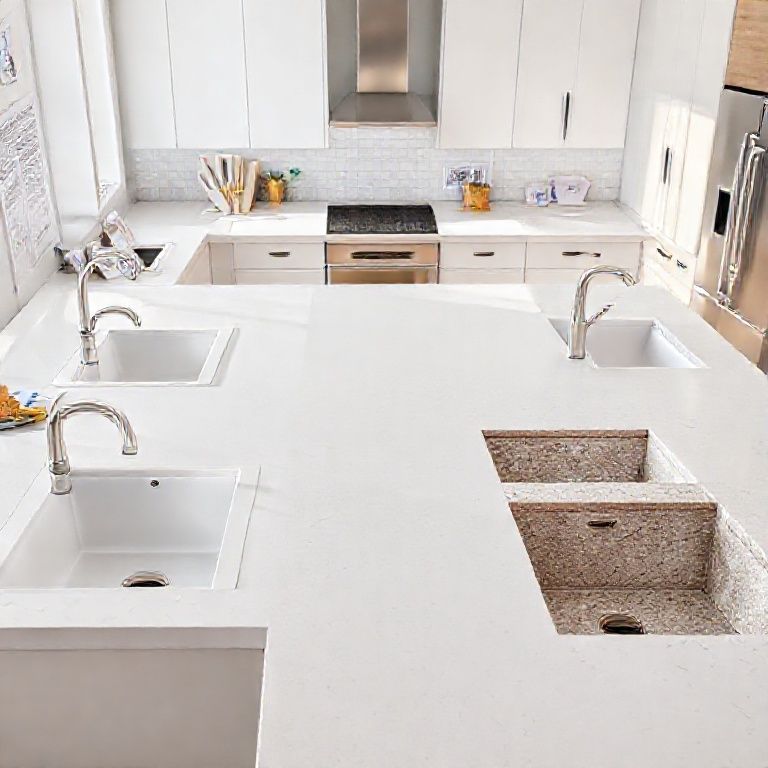
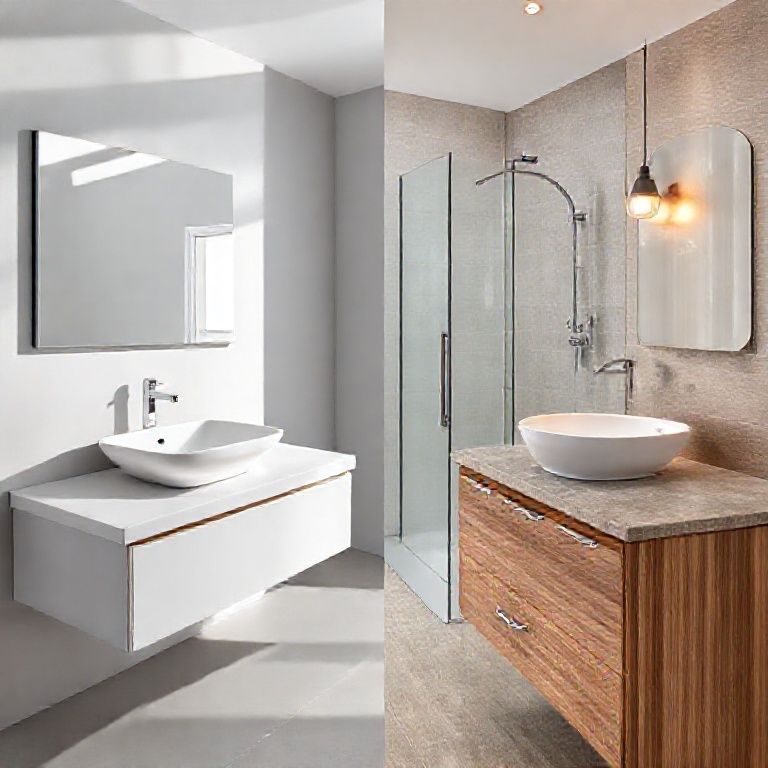
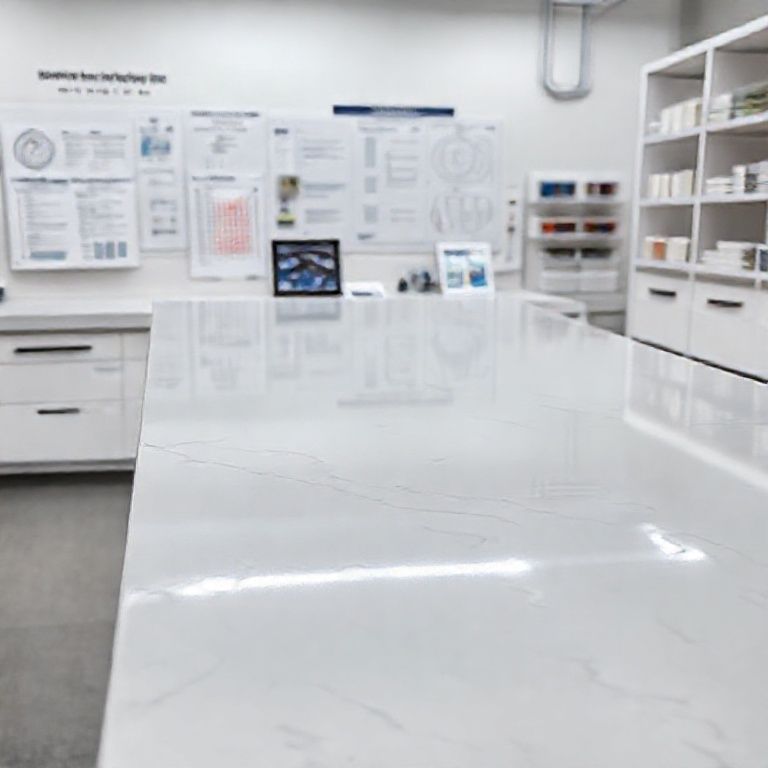
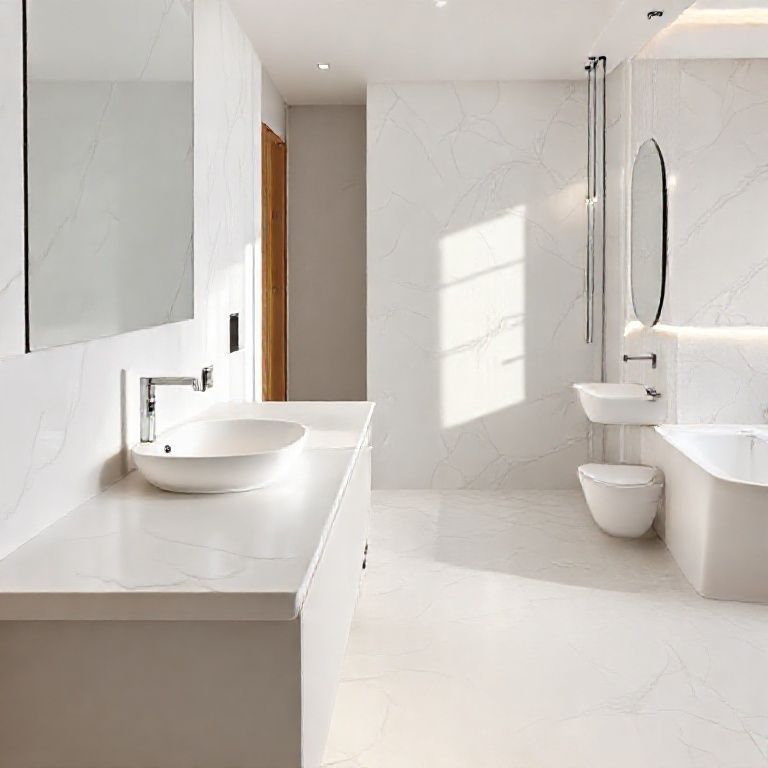
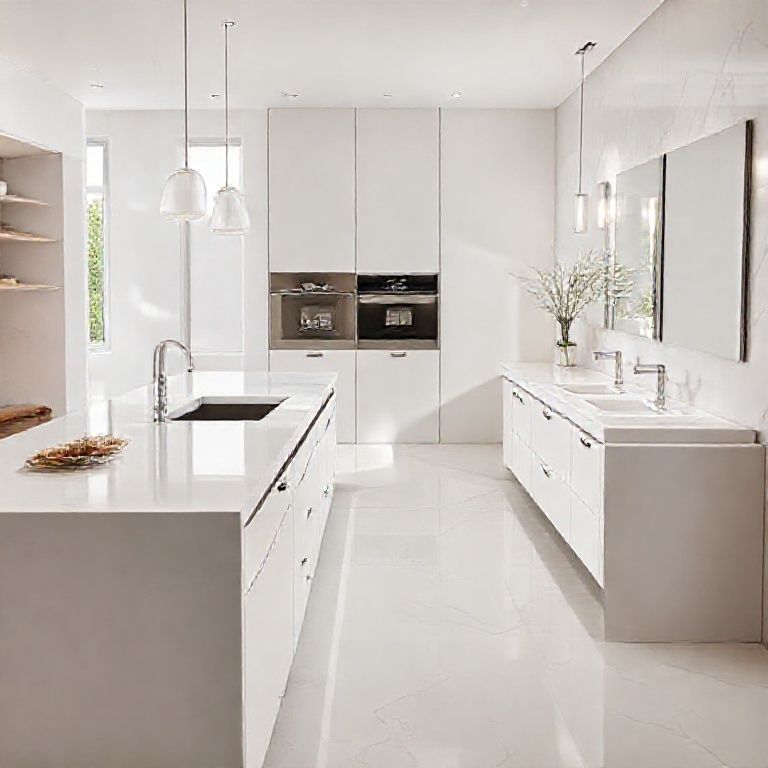
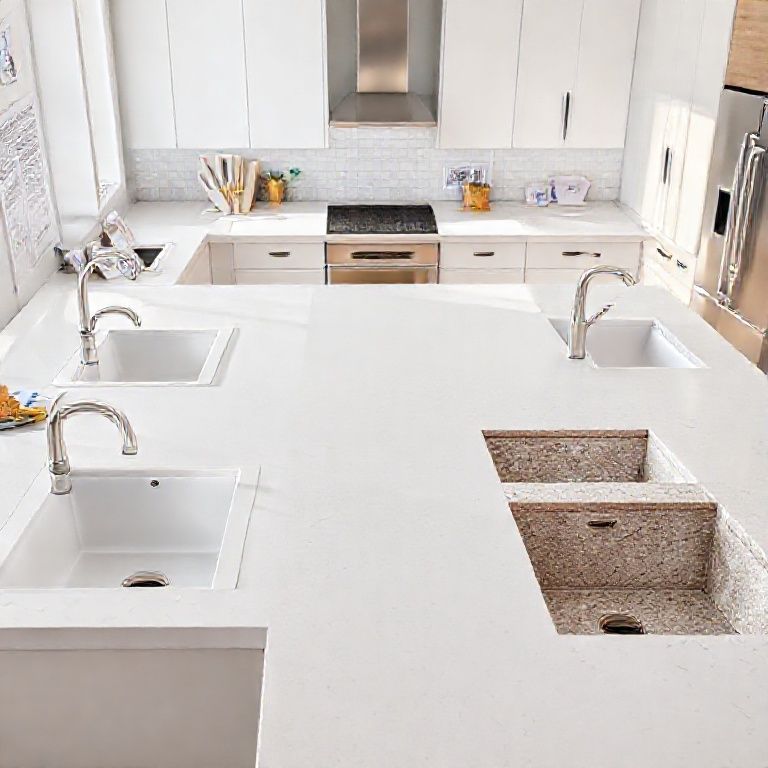
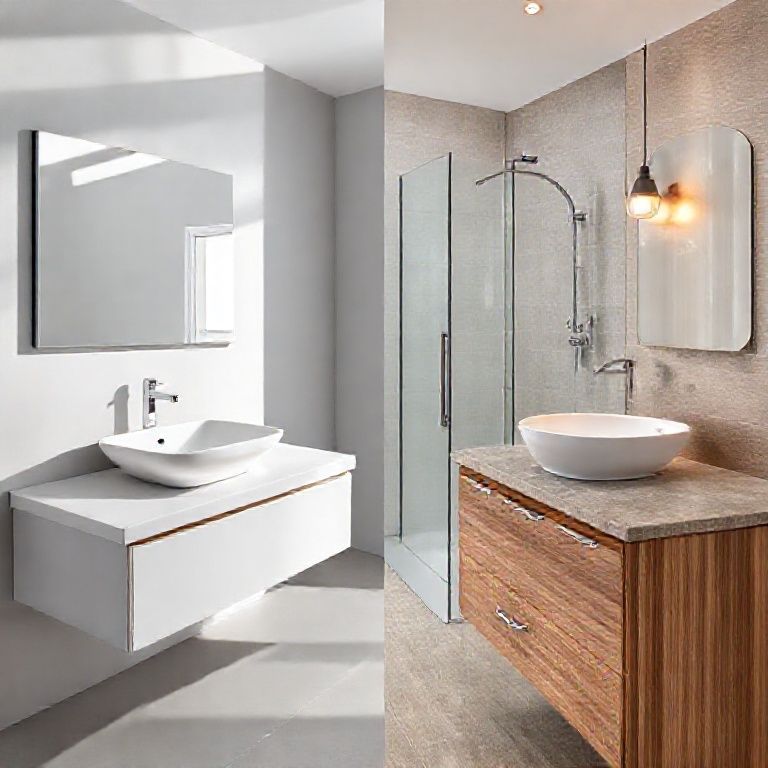
Dive deep into the captivating world of kitchen and bathroom countertops with our comprehensive comparison of artificial stone and quartz. Discover their unique features, benefits, and the nuanced differences that make each an exceptional choice for modern home design.
artificial stone, quartz countertops, kitchen countertops, bathroom countertops, durable countertops, countertop materials, home design, countertop comparison, synthetic stone, quartz stone
In the realm of home design, countertops are the unsung heroes of kitchens and bathrooms. They are the canvases where daily culinary activities unfold and where aesthetics meet functionality. Among the myriad choices available, two standout materials often at the forefront of design conversations are artificial stone and quartz. Despite their similarities, these materials have distinct characteristics that cater to different preferences and needs. Let’s embark on a journey to understand the allure and distinctions between these two remarkable materials.
The Rise of Artificial Stone
Artificial stone, also known as cultured stone, is a composite material created by combining natural stone powder with a resin binder. This combination results in a product that mimics the look and feel of natural stone while offering enhanced durability and flexibility. The process involves mixing the stone powder with a polymer resin, which is then cast into molds to achieve the desired shape and design.
Advantages of Artificial Stone
Versatility and Design Freedom: Artificial stone offers a high degree of flexibility in terms of design. It can be crafted in various colors, patterns, and finishes, allowing designers to create bespoke pieces that match any aesthetic vision. Whether you prefer the rustic charm of marble or the sleek appearance of granite, artificial stone can be customized to fit your unique style.
Durability: While artificial stone is not as tough as quartz, it is remarkably durable. It is highly resistant to scratches, stains, and thermal shock, making it suitable for both kitchen and bathroom use. Its resilience ensures longevity and reduces the need for frequent maintenance.
Affordability: One of the most compelling advantages of artificial stone is its cost-effectiveness. Compared to natural stone, it is significantly more affordable, making it an attractive option for those looking to enhance their home without breaking the bank.
The Quintessence of Quartz
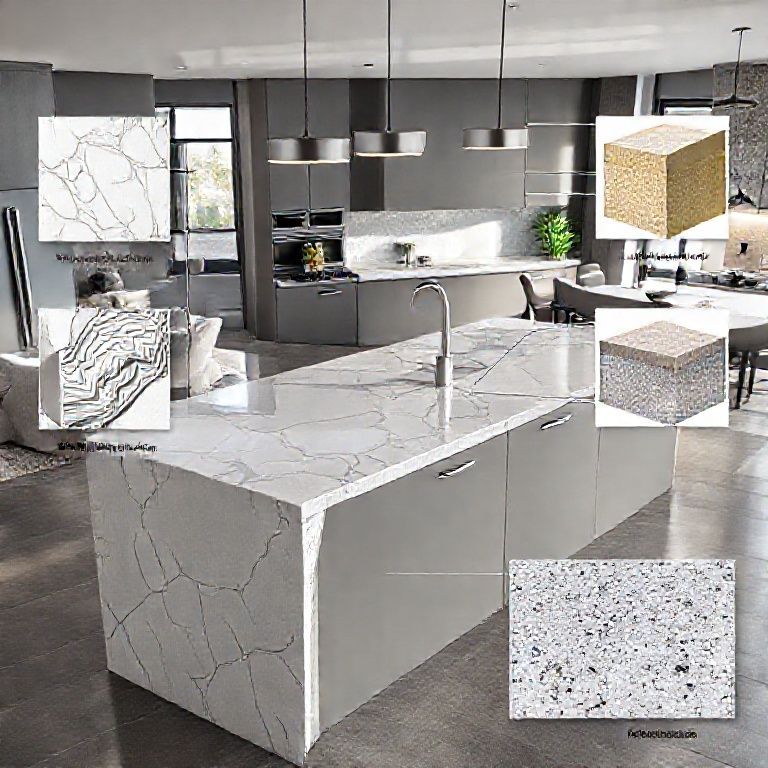
Quartz countertops, on the other hand, are a product of cutting-edge technology. Manufactured through a high-pressure, high-temperature process, quartz is composed of 93% natural quartz crystal, along with a resin binder. This composition results in a material that is incredibly hard, scratch-resistant, and virtually indestructible.
Advantages of Quartz
Unmatched Durability: Quartz is renowned for its extraordinary durability. It boasts a Mohs hardness rating of 7, making it one of the hardest materials available. This means that quartz countertops can withstand heavy use and are highly resistant to scratches, stains, cuts, and thermal damage.
Low Maintenance: One of the most significant benefits of quartz is its low maintenance requirements. Unlike natural stone, quartz does not need sealing to prevent staining. It is also impervious to bacteria and mold, ensuring a clean and hygienic surface that is easy to clean and maintain.
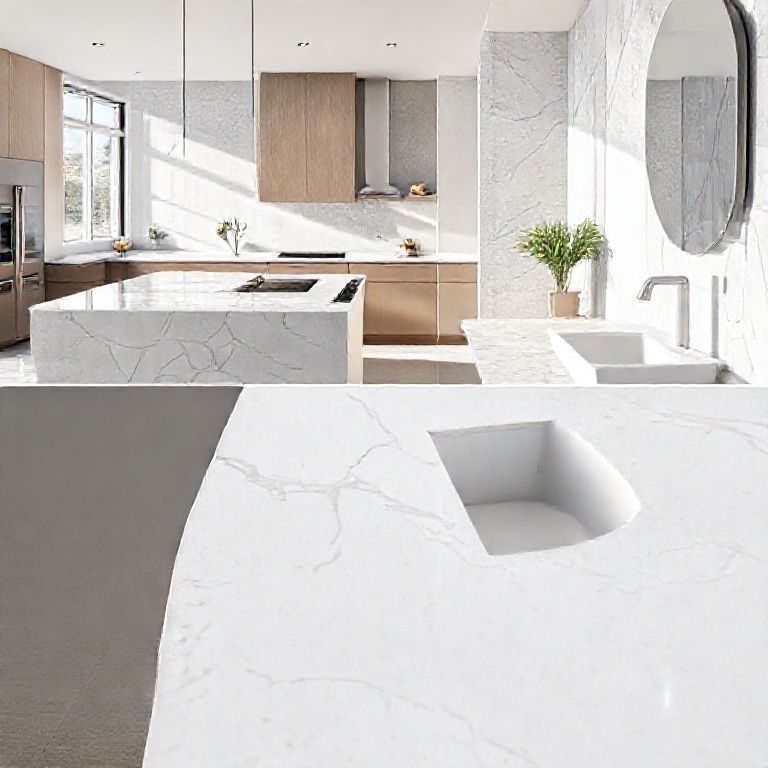
Sophisticated Aesthetics: Quartz offers a sleek, modern look that can elevate the design of any kitchen or bathroom. Available in a vast array of colors and patterns, quartz provides designers with an unparalleled level of design freedom. From traditional to contemporary styles, quartz can seamlessly blend with any décor.
Key Differences
While both artificial stone and quartz share the common goal of providing a durable, stylish countertop, their differences lie in their composition, durability, and maintenance requirements. Here are some key distinctions:
Material Composition: Artificial stone is a composite material made from stone powder and resin, whereas quartz is composed almost entirely of natural quartz crystals.
Durability: Although both materials are durable, quartz surpasses artificial stone in terms of hardness and resistance to scratches and stains. Quartz’s Mohs hardness rating of 7 makes it far more resilient than the slightly softer artificial stone.
Maintenance: Artificial stone requires periodic sealing to maintain its appearance and resist stains, while quartz requires minimal maintenance. Its antimicrobial properties mean it does not harbor bacteria, making it easier to keep clean.
The Design Perspective
When it comes to design, both materials offer a plethora of possibilities. Artificial stone is particularly favored for its versatility, allowing for intricate designs and a wide range of color options. It can mimic the appearance of various natural stones, offering a cost-effective alternative for those who desire the look of luxury without the price tag.
Quartz, on the other hand, is celebrated for its sleek, modern aesthetic. Its uniformity and ability to replicate a vast array of colors and patterns make it a popular choice for contemporary and minimalist designs. Quartz’s ability to be cut and shaped in any way makes it a favorite among designers looking to create innovative and eye-catching pieces.
Installation and Longevity
Both artificial stone and quartz are relatively easy to install, thanks to their flat, uniform surfaces. However, quartz’s superior hardness and resistance to damage make it less prone to wear and tear over time. While artificial stone can last for many years with proper care, quartz offers an even longer lifespan due to its exceptional durability.
Conclusion
In conclusion, the choice between artificial stone and quartz countertops comes down to personal preference, budget, and specific needs. Artificial stone offers a versatile, affordable, and customizable option, perfect for those looking to achieve a natural stone look without the high cost. Quartz, with its unparalleled durability and low maintenance requirements, is ideal for those seeking a luxurious, long-lasting, and easy-to-maintain countertop.
As you navigate the world of kitchen and bathroom design, consider the unique benefits of each material to make an informed decision that best suits your home and lifestyle.
The Aesthetic Appeal
One of the most compelling aspects of both artificial stone and quartz countertops is their aesthetic appeal. Both materials offer an array of color options and patterns that can complement any home décor style. Whether you prefer the rustic elegance of a marble-like artificial stone or the sleek, modern look of quartz, these materials can enhance the beauty and functionality of your kitchen or bathroom.
Artificial Stone’s Design Versatility
Artificial stone’s ability to mimic the appearance of various natural stones makes it an excellent choice for those who want to incorporate a luxurious look into their home without the high cost. It can be designed to resemble marble, granite, and even exotic stones, providing a wide range of visual options. The flexibility in design allows for the creation of custom pieces that can fit seamlessly into any décor.
Quartz’s Modern and Versatile Look
Quartz, with its ability to be manufactured in a vast array of colors and patterns, offers a modern and versatile look that is perfect for contemporary designs. Its uniformity and the ability to achieve intricate patterns make it a popular choice for both minimalist and elaborate designs. Quartz can easily adapt to a wide range of styles, from rustic to ultra-modern, making it a versatile option for any home.
Installation and Convenience
Both artificial stone and quartz countertops are relatively easy to install due to their flat, uniform surfaces. Installation typically involves cutting the countertop to size, attaching it to the cabinet, and sealing the edges. While both materials are straightforward to install, quartz’s superior hardness and resistance to damage make it less prone to wear and tear over time.
Durability and Maintenance
When it comes to durability, quartz clearly stands out. Its Mohs hardness rating of 7 makes it one of the hardest materials available, ensuring that it can withstand heavy use and resist scratches, stains, cuts, and thermal damage. This superior durability means that quartz countertops require minimal maintenance. They do not need sealing to prevent staining and are resistant to bacteria and mold, making them easier to clean and maintain.
Artificial stone, while durable, is slightly softer than quartz and thus more susceptible to scratches and stains. However, with proper care and periodic sealing, artificial stone can still provide a long-lasting and beautiful countertop.
Cost Considerations
Cost is often a significant factor when choosing between artificial stone and quartz. Artificial stone is generally more affordable than quartz, making it an attractive option for those looking to enhance their home’s appearance without a significant investment. The cost of artificial stone can vary depending on the design and customization, but it typically offers a cost-effective alternative to natural stone.
Quartz, on the other hand, tends to be more expensive due to its high-quality composition and manufacturing process. However, its durability and low maintenance requirements can make it a worthwhile investment for those who value longevity和长期性能
尽管在初始成本上,人造石和石英石有明显的区别,但在长期性能和耐用性方面,它们也有一些显著的区别。
人造石的持久性
人造石因其结合了天然石粉和树脂的特点,具有相对较好的耐用性。它的耐磨性和耐热性能使其成为厨房和浴室的热门选择。由于人造石的树脂成分,它在长期使用中可能会出现一些磨损和色泽变化。定期的保养,如定期密封和清洁,可以延长其使用寿命。
石英石的卓越耐久性
石英石的卓越之处在于其极高的耐用性和耐刮擦性。由于其93%的天然石英晶体成分,石英石具有极高的硬度和耐磨性。这意味着它在日常使用中不容易受到划伤、划痕和污渍的影响。石英石的耐热性能非常优越,能够承受高温而不变形,这对于厨房环境尤为重要。
石英石的耐用性和低维护需求使其成为长期使用的理想选择。
环境和健康方面的考虑
在选择厨房和浴室台面材料时,环境和健康因素也是需要考虑的重要因素。
人造石的环保性
人造石在制造过程中使用的树脂和其他化学成分可能会释放出低浓度的有害物质,尽管这些物质通常在制造过程中进行了处理以减少其对环境和健康的影响。由于其化学成分,人造石在使用过程中可能会释放出少量的VOC(挥发性有机化合物),这对于室内空气质量有一定影响。
石英石的健康优势
石英石由天然石英晶体制成,因此其环保性更高。它不含有害化学成分,对室内空气质量的影响更小。石英石的天然成分不仅使其在环境方面更加友好,而且对健康也更加安全。它的无毒特性使其成为对家庭成员,尤其是儿童和宠物更安全的选择。
最终选择
最终选择人造石还是石英石取决于个人需求、预算和个人偏好。如果你追求高耐用性、低维护和现代美观,石英石无疑是一个非常出色的选择。而如果你更看重成本效益和设计灵活性,人造石也是一个不错的选择。
无论选择哪种材料,都应该确保其来自可靠的供应商,并在安装前仔细阅读和遵循制造商的维护和保养指南。这将确保你的台面材料能够长期保持其最佳状态,为你的家庭带来美观和功能性的完美结合。