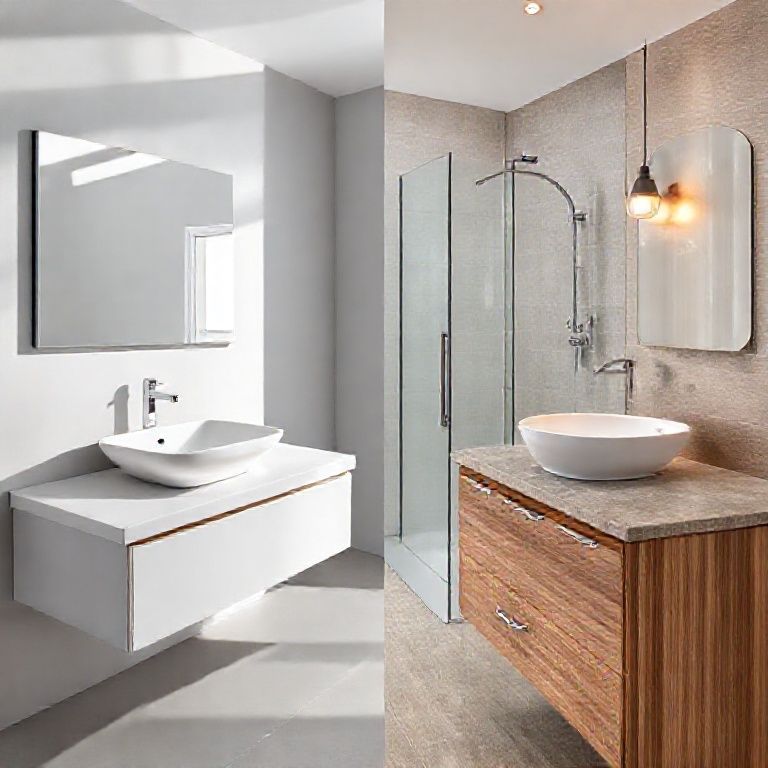
The Allure and Durability of Granite Slabs vs. Quartz
When it comes to selecting the perfect material for your kitchen or bathroom countertop, two of the most popular options are granite slabs and quartz. Both materials boast a stunning aesthetic appeal and impressive durability, but they each bring unique qualities that make them stand out. Let’s explore these aspects in greater detail to understand their allure and durability.
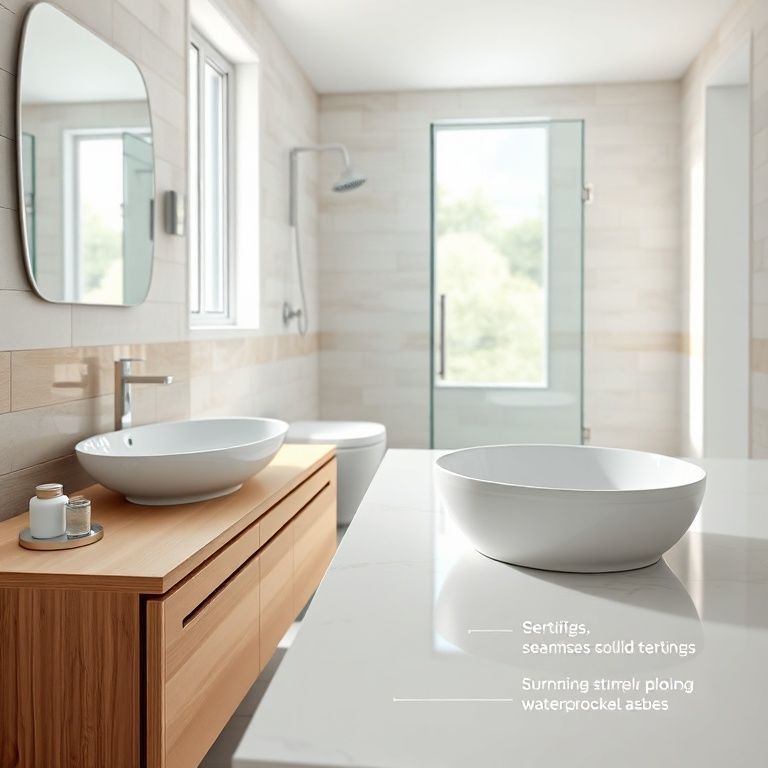
Granite Slabs: Timeless Elegance and Natural Beauty
Granite is a naturally occurring igneous rock that has been used for centuries in various construction and design applications. This timeless elegance stems from its rich variety of colors and patterns, which are unique to each slab. Here’s a deeper look at why granite slabs are an attractive choice:
Natural Patterns and Colors: Granite’s appeal lies in its natural beauty. Each slab is a work of art with unique patterns and colors that cannot be replicated. This individuality makes granite a favorite among those who appreciate the authenticity of natural materials.
Durability: Granite is renowned for its durability. It is a very hard stone, making it resistant to scratches, cuts, and impact. This hardness means that granite can withstand the rigors of daily kitchen use without showing significant wear or damage.
Heat Resistance: One of granite’s standout features is its excellent heat resistance. Unlike some other countertop materials, granite can handle the heat from cooking appliances without warping or cracking. This makes it ideal for high-traffic kitchen areas.
Affordability: While granite can be a bit pricier than some other materials, it often provides excellent value for money due to its long lifespan and low maintenance requirements.
Quartz Countertops: Modern Elegance and Unmatched Versatility
Quartz, on the other hand, is a man-made composite material made from 93% natural quartz, which is combined with other materials like acrylic, silica, and dyes to create a robust and beautiful surface. Here’s why quartz countertops are gaining popularity:
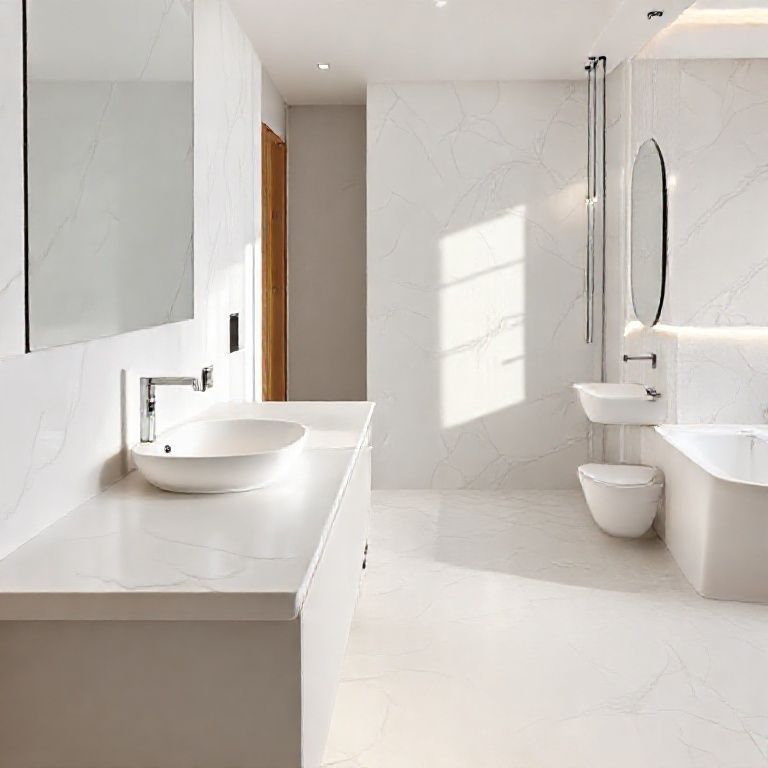
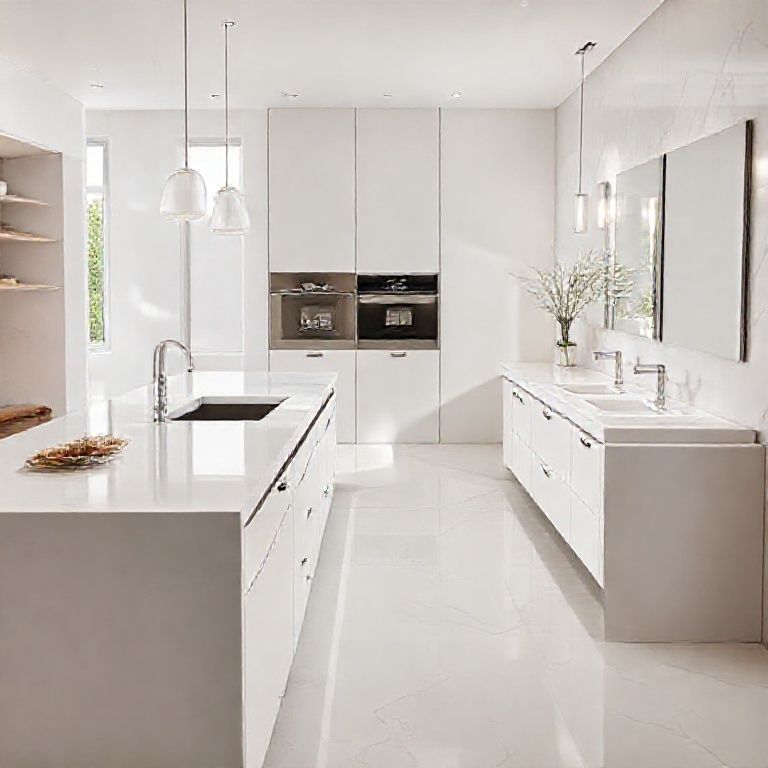
Unmatched Versatility: Quartz offers a virtually limitless range of colors and patterns. Designers can create a wide array of designs that can mimic the look of granite, marble, and even wood. This versatility allows for endless creative possibilities in kitchen and bathroom design.
Superior Durability: Quartz is incredibly durable. The material is 100% solid surface, meaning it is not porous like granite. This non-porous nature makes quartz highly resistant to stains, scratches, and even bleach, making it a great choice for kitchens where spills and stains are common.
Heat Resistance: Similar to granite, quartz is also highly heat-resistant. It can withstand the high temperatures from cooking without warping, cracking, or fading, ensuring a long-lasting and pristine appearance.
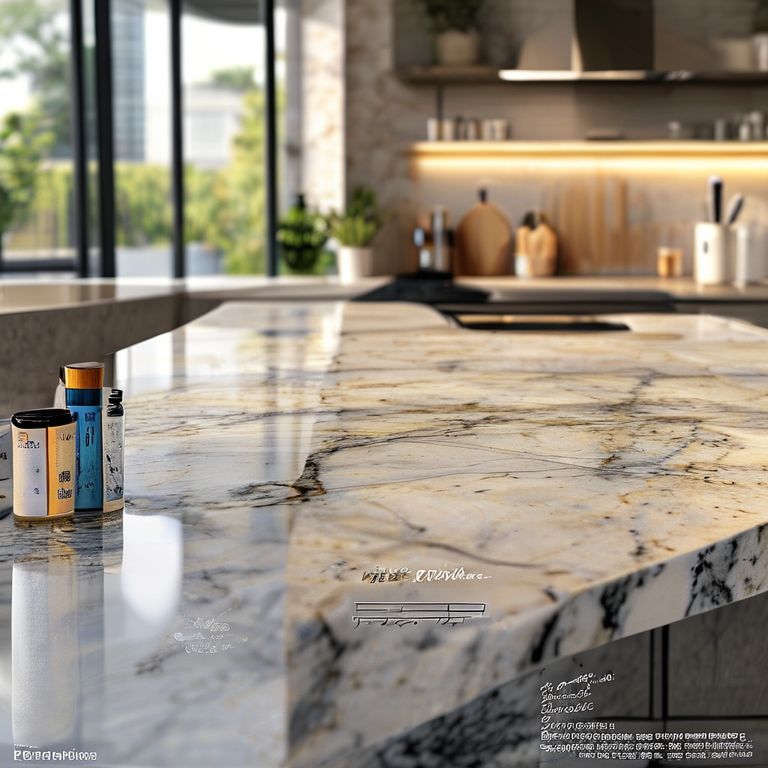
Ease of Installation: One of the significant advantages of quartz is its ease of installation. Unlike natural stone, quartz does not require sealing or additional treatments to maintain its integrity. This simplicity means that installation can often be completed more quickly and with less hassle.
Low Maintenance: Quartz countertops require minimal maintenance. A simple wipe-down with a mild detergent and water is usually sufficient to keep them looking pristine. This low maintenance aspect makes quartz an ideal choice for busy households and commercial spaces.
Conclusion: Both granite slabs and quartz countertops bring their own unique allure to any space. Granite offers timeless elegance with its natural beauty and durability, while quartz provides modern versatility and low maintenance. Understanding these differences can help you make an informed decision that aligns with your design preferences and lifestyle needs.
Maintenance, Design Versatility, and Cost Considerations
Having explored the allure and durability of granite slabs and quartz countertops, it’s time to delve deeper into their maintenance requirements, design versatility, and cost considerations. These factors are crucial for making an informed decision that best suits your specific needs and preferences.
Maintenance: Ease of Care
When it comes to maintenance, both granite and quartz have distinct characteristics that influence how they are cared for and maintained.
Granite Slabs: Granite is a beautiful natural stone that requires some level of care to maintain its pristine appearance. Here’s what you need to know about maintaining granite:
Sealing: Granite countertops need to be sealed periodically to protect them from stains and spills. The frequency of sealing depends on the level of use and the type of granite. Typically, it is recommended to reseal granite every 1-3 years. The sealing process involves applying a protective coating that helps to repel stains and moisture.
Cleaning: Regular cleaning is essential to keep granite looking its best. Use a mild detergent and water to clean granite surfaces. Avoid using abrasive cleaners or steel wool, as these can scratch the surface. For tougher stains, consider using a granite-specific cleaner.
Avoiding Acidic Substances: Acidic foods and beverages can cause discoloration on granite. It’s best to avoid placing acidic items directly on the countertop and to use cutting boards to prepare such foods.
Quartz Countertops: Quartz, being a man-made composite material, has a low maintenance profile that makes it a favorite among homeowners and designers. Here’s what you need to know about maintaining quartz:
No Sealing Required: Unlike granite, quartz does not require sealing. Its non-porous nature means it is inherently resistant to stains, making it easy to clean and maintain.
Cleaning: Cleaning quartz countertops is straightforward. Use a mild detergent and water to wipe the surface. For tougher stains, a specialized quartz cleaner can be used. Avoid using abrasive cleaners or sponges, as these can scratch the surface.
Scratch Resistance: While quartz is resistant to scratches, it is not entirely impervious. Using cutting boards and coasters can help prevent scratches and keep your countertops looking pristine.
Design Versatility: Creative Possibilities
Both granite and quartz offer a wide range of design possibilities, but they each cater to different styles and preferences.
Granite Slabs: Granite’s natural patterns and colors provide a unique and authentic aesthetic that is hard to replicate. This natural beauty allows for a wide range of design styles, from rustic and farmhouse to modern and sleek. Here are some design highlights:
Custom Colors and Patterns: Each granite slab is unique, offering a wide range of colors and patterns. This natural variation allows for custom designs that can be tailored to fit any aesthetic.
Timeless Appeal: Granite’s timeless elegance makes it a popular choice for kitchens and bathrooms that aim for a classic or traditional look.
Durable Surface: The durability of granite makes it suitable for both high-traffic areas and spaces that require a long-lasting surface.
Quartz Countertops: Quartz’s versatility lies in its ability to mimic a wide range of materials and designs. Here are some design highlights:
Mimicking Other Materials: Quartz can be designed to mimic the look of granite, marble, and even wood. This versatility allows for a wide range of design styles, from rustic to modern.
Custom Colors and Patterns: Quartz’s ability to be mixed with various colors and patterns means that designers can create custom designs that are not possible with natural stone.
Lightweight and Easy to Install: Quartz is a lightweight material that is easy to install, making it an excellent choice for both new builds and renovations.
Cost Considerations: Value and Investment
When it comes to cost, both granite and quartz have their own price ranges and considerations. Here’s a closer look at the cost factors associated with each material:
Granite Slabs: Granite is typically more expensive than quartz due to its natural origin and the labor-intensive process of cutting and polishing each slab. However, its durability and timeless appeal often provide excellent value for money.
Pricing Factors: The cost of granite can vary widely based on the type of stone, the complexity of the patterns, and the region where it is sourced. Higher-end granites can be significantly more expensive.
Longevity and Low Maintenance: While the initial cost of granite may be higher, its long lifespan and low maintenance requirements often result in a lower overall cost over time.
Quartz Countertops: Quartz is generally more affordable than granite, making it an attractive option for those looking for a high-quality countertop without a significant upfront investment.
Pricing Factors: The cost of quartz can vary based on the specific composition, the level of customization, and the brand. High-end quartz can still be quite costly, but it is generally more accessible than high-end granite.
Ease of Maintenance: The low maintenance profile of quartz means that homeowners save on cleaning and maintenance costs, making it a cost-effective choice in the long run.
Conclusion: Both granite slabs and quartz countertops offer unique advantages that cater to different design preferences and lifestyle needs. Granite’s natural beauty and timeless elegance provide a unique aesthetic that is hard to replicate, while quartz’s versatility and low maintenance make it a practical and stylish choice. Understanding the maintenance, design versatility, and cost considerations of each material will帮助你做出最适合你的选择。
无论你选择哪一种材料,都能为你的厨房和浴室增添独特的美感和耐用性。
最终选择:个人偏好与需求
在做出最终选择时,考虑以下几点:
美观与设计偏好: 如果你喜欢自然的、独特的外观,并且不介意每块石材都有其独特的花纹和颜色,那么纯天然的花岗岩可能是你的最佳选择。它的天然美感和独特性能为你的空间增添一种原生态的魅力。 如果你更喜欢现代、多样化的设计,并且希望能够模仿各种材料的外观,那么石英石将是你的最佳选择。
它几乎可以复刻任何你喜欢的外观,从大理石到实木纹理。 耐用性与耐用性: 如果你在寻找一种非常耐用且经久耐用的材料,那么花岗岩无疑是一个很好的选择。它的硬度和耐用性使它能够经受日常使用和高温。 如果你在寻找一种耐用且易于维护的材料,石英石同样是一个出色的选择。
它的非多孔性质使其对污渍和划痕具有高度的耐受性。 维护和清洁: 花岗岩需要定期密封,以保持其抗污性和外观,但这通常只需要每1-3年进行一次。密封的过程可能需要专业人员进行,但其长期的美观和耐用性通常是值得的。 石英石不需要密封,并且只需要简单的日常清洁。
它的耐污性和耐用性使其非常适合忙碌的厨房和浴室环境。 预算: 花岗岩通常比石英石更昂贵,但其独特的自然美感和长期的耐用性可能使其在长期来看具有更高的投资回报。 石英石通常更具性价比,特别是对于那些希望在预算内实现高质量外观的人。
结论: 无论你最终选择花岗岩还是石英石,都能为你的厨房和浴室带来美观和耐用性。花岗岩提供了一种独特的自然美感和经典的永恒魅力,而石英石则提供了现代设计的灵活性和低维护的便利。在做出最终决定时,请务必考虑你的个人偏好、设计需求、预算以及长期维护的便利性。