Part 1
The Allure and Distinction of Ecological Stone vs. Marble
In the ever-evolving world of interior design and luxury flooring, the choice between natural stone options has always been a significant decision. Among the most revered materials are marble and ecological stone. Both have their unique allure and distinct characteristics, making them popular choices for high-end projects. However, an increasing number of designers and homeowners are turning to ecological stone as a more sustainable and versatile alternative to traditional marble.

Understanding Ecological Stone
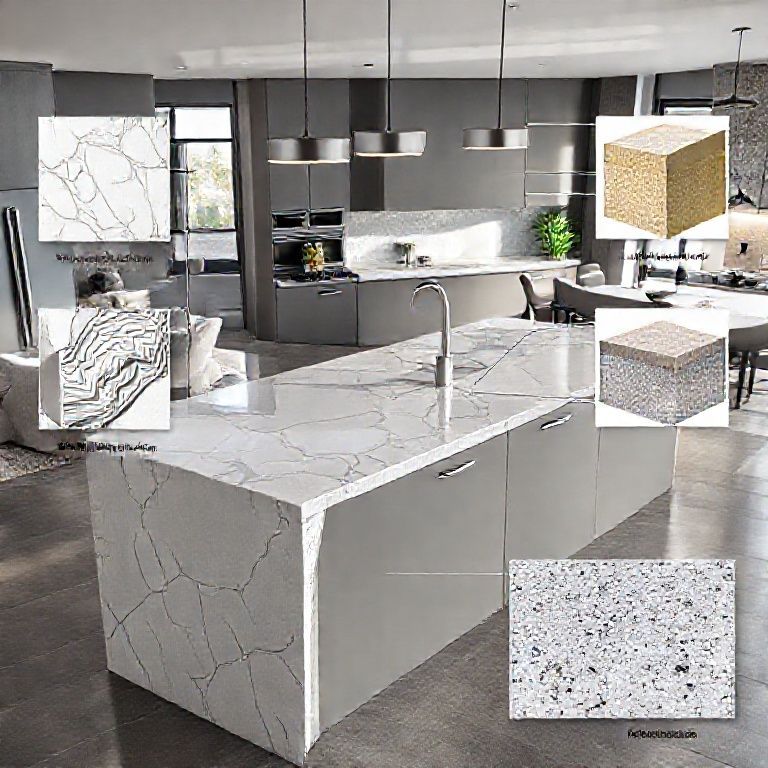
Ecological stone, also known as engineered stone or cultured stone, is a composite material made from natural stone powder and resin. This material is crafted in a lab under controlled conditions, ensuring uniformity and consistency. The process involves mixing the stone powder with a polymer resin, which is then poured into molds and allowed to cure. The result is a solid, durable stone surface that closely mimics the appearance of natural stone.
The Benefits of Ecological Stone
One of the primary reasons ecological stone is gaining popularity is its sustainability. Unlike marble, which is a natural stone that requires significant resources to mine and process, ecological stone uses recycled stone waste and industrial byproducts. This reduces environmental impact and offers a more sustainable option for eco-conscious consumers.
Ecological stone also boasts impressive durability. It is highly resistant to scratches, stains, and chips, making it an excellent choice for high-traffic areas. Additionally, its uniform nature means that it does not have the unique veining and color variations found in natural stone, allowing for a more consistent and predictable appearance.
The Timeless Elegance of Marble
Marble, on the other hand, is a natural stone that has been revered for centuries. Known for its stunning veining and color variations, marble offers a unique and luxurious aesthetic that is hard to replicate. It is formed from limestone that has been subjected to immense pressure and heat over millions of years, resulting in a rich, natural beauty.
Marble’s elegance extends beyond its visual appeal; it also offers a tactile experience that many find irresistible. The smooth, cool surface of marble adds a touch of opulence to any space, whether it’s used for countertops, flooring, or decorative elements.
Maintenance and Longevity
When it comes to maintenance, marble requires more care than ecological stone. It is prone to staining and scratching, which means it needs regular sealing and professional maintenance to maintain its appearance. In contrast, ecological stone is much easier to maintain. Its non-porous surface resists stains and scratches, requiring minimal upkeep to keep it looking pristine.
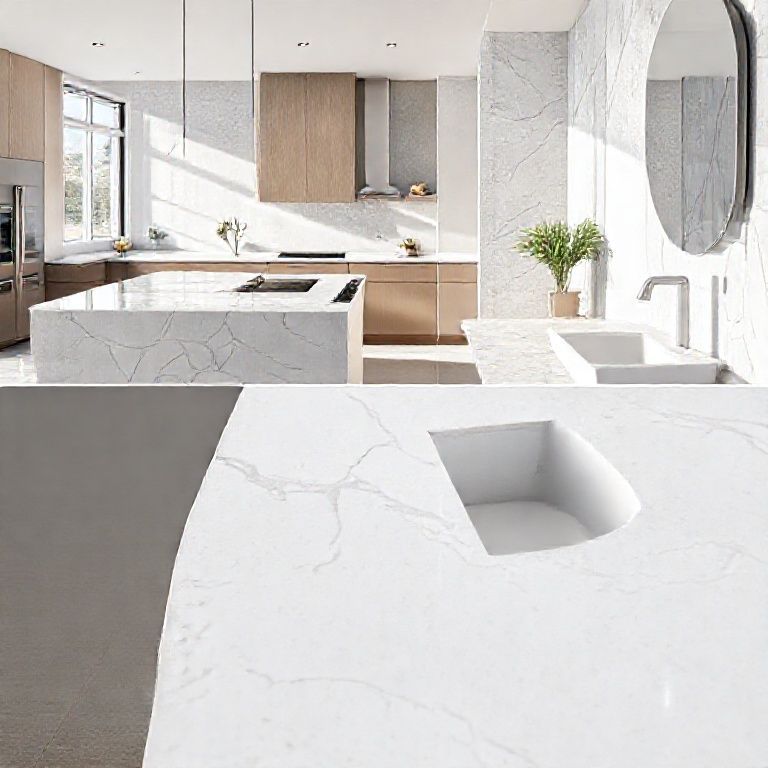
In terms of longevity, marble is a durable material, but it can be susceptible to damage from heavy objects and acidic substances. Ecological stone, with its robust construction, offers greater longevity and resilience, making it an excellent choice for areas that require high durability.
Design Versatility
Ecological stone offers unparalleled versatility in design. Its uniform appearance allows for endless creative possibilities, from replicating the look of natural stone to creating entirely unique designs. It can be cut, shaped, and polished to suit any project’s specific needs, making it a favorite among designers seeking both aesthetic appeal and functional versatility.
Marble, while beautiful, is limited by its natural variations. While this adds character, it can also mean less consistency and predictability in large-scale projects. Designers often have to work within the natural patterns of the stone, which can be a challenge when trying to achieve a cohesive look.
Cost Considerations
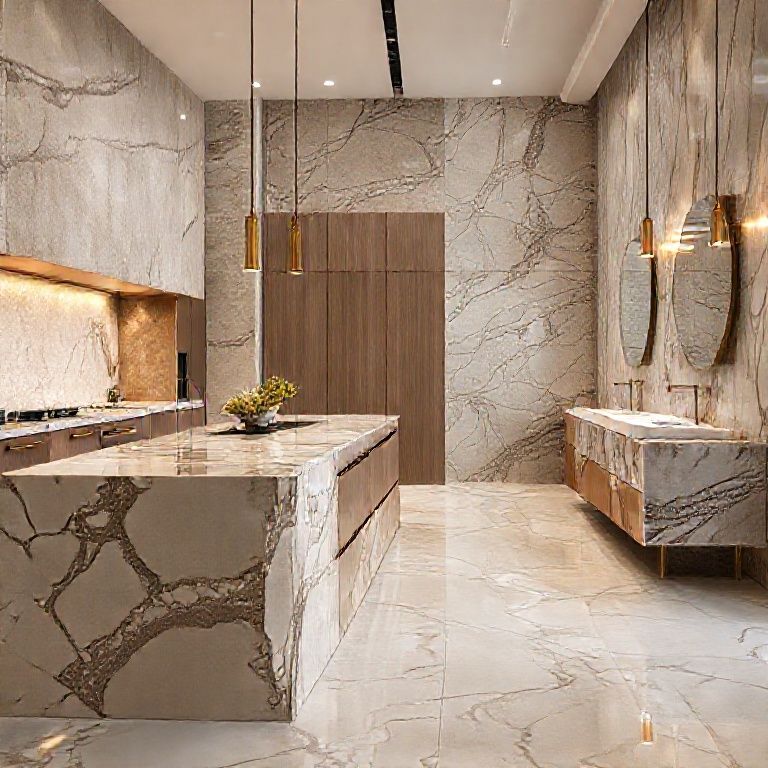
Cost is always a significant factor in material selection. Marble is generally more expensive due to its natural origin and the labor-intensive process required to work with it. Ecological stone, while initially more costly to produce, offers significant long-term savings due to its durability and low maintenance requirements. Over time, the cost-effectiveness of ecological stone becomes evident, especially when considering the additional expenses associated with maintaining marble.
Conclusion
The choice between ecological stone and marble ultimately comes down to personal preference, project requirements, and sustainability considerations. Ecological stone offers a modern, eco-friendly alternative with impressive durability and low maintenance. Marble, with its timeless elegance and unique beauty, continues to be a favorite for those seeking a luxurious, natural aesthetic.
In the next part, we will delve deeper into the specific applications of ecological stone and marble in various design contexts, exploring how each material can enhance the aesthetic and functional aspects of a space.
Part 2
The Allure and Distinction of Ecological Stone vs. Marble
Continuing our exploration into the captivating world of ecological stone and marble, this second part delves deeper into their specific applications in various design contexts. We will examine how each material can enhance the aesthetic and functional aspects of a space, providing valuable insights for homeowners, designers, and architects.
Applications in Interior Design
Ecological Stone
Ecological stone is a versatile material that can be used in numerous interior design applications. Its uniform appearance and consistent color make it ideal for large-scale projects where a cohesive look is essential. Here are some of the primary applications:
Countertops: One of the most popular uses of ecological stone is for countertops. Its durability and resistance to stains make it perfect for kitchens and bathrooms. Available in a wide range of colors and patterns, it can mimic the look of various natural stones, including marble, quartz, and granite.
Flooring: Ecological stone flooring offers a luxurious yet low-maintenance solution. Its hard surface resists scratches and stains, making it suitable for high-traffic areas. Additionally, its uniform look ensures a consistent appearance throughout the space.
Wall Cladding: For walls, ecological stone can be used as cladding to create a striking, modern look. Its versatility allows for various designs and patterns, providing endless creative possibilities.
Decorative Elements: From fireplaces to tabletops, ecological stone can be used in numerous decorative elements. Its ability to replicate the look of natural stone without the maintenance issues makes it a popular choice for designers seeking unique and functional design pieces.
Marble
Marble’s unique veining and color variations make it a standout choice for interior design. Here are some of its primary applications:
Flooring: Marble flooring is a classic choice for its timeless elegance. Its natural beauty and luxurious feel add a touch of opulence to any space. However, its maintenance requirements mean it may not be the best choice for high-traffic areas.
Countertops: Marble countertops are a popular choice for their stunning appearance. They add a sense of grandeur and luxury to kitchens and bathrooms. However, their susceptibility to stains and scratches requires regular sealing and maintenance.
Wall Cladding: Marble can be used as wall cladding to create a dramatic focal point. Its natural beauty and texture add character and elegance to any room. However, its maintenance needs mean it’s best suited for areas with lower traffic.
Decorative Elements: From fountains to statues, marble’s natural beauty makes it ideal for decorative elements. Its unique character adds a touch of luxury and sophistication to any design.
Applications in Architecture
Ecological Stone
Ecological stone’s durability and versatility make it an excellent choice for architectural applications. Here are some of its primary uses:
Facade Cladding: Ecological stone can be used for facade cladding to create a modern, sleek look. Its uniform appearance ensures a consistent aesthetic throughout the building.
Monuments and Sculptures: Due to its ability to replicate the look of natural stone without the maintenance issues, ecological stone is often used for monuments and sculptures. Its durability ensures long-lasting, high-quality installations.
Exterior Walls: For exterior walls, ecological stone offers a durable and low-maintenance solution. Its resistance to weathering makes it suitable for outdoor applications.
Marble
Marble’s timeless elegance and natural beauty make it a classic choice for architectural applications. Here are some of its primary uses:
Facade Cladding: Marble can be used for facade cladding to create a sophisticated, elegant look. Its natural beauty adds character and luxury to any building.
Monuments and Sculptures: Marble’s unique veining and color variations make it ideal for monuments and sculptures. Its natural beauty ensures long-lasting, high-quality installations.
Exterior Walls: For exterior walls, marble’s natural beauty and durability make it a popular choice. However, its maintenance requirements mean it’s best suited for areas with lower traffic.
Sustainability and Environmental Impact
One of the most significant factors driving the popularity of ecological stone is its sustainability. As the world becomes more conscious of environmental impact, the demand for eco-friendly materials is on the rise. Here’s how ecological stone and marble compare in terms of sustainability:
Ecological Stone
Ecological stone is a highly sustainable material. It is made from recycled stone waste and industrial byproducts, significantly reducing the environmental impact associated with mining natural stone. Additionally, its durability and low maintenance requirements mean fewer resources are needed over time, further enhancing its sustainability.
Marble
Marble, being a natural stone, has a more significant environmental impact. Mining and processing marble require significant resources资源和能源,并且对环境有潜在的负面影响。
例如,大理石开采过程中可能会对当地生态系统和水资源造成破坏。运输大理石块需要消耗大量的燃料,增加了碳足迹。
健康和安全考虑
Ecological Stone
生态石在制造过程中使用的聚合物和粘合剂通常是环保型的,减少了有害化学物质的释放。在使用和维护过程中,生态石一般不会释放有害物质,对人体健康和安全较为无害。
Marble
大理石在开采和加工过程中可能会释放微量的放射性物质和其他有害化学物质。大理石粉末在制造和安装过程中可能会对人的呼吸系统造成影响,因此在处理大理石时需要注意安全防护措施。
经济性
Ecological Stone
尽管生态石的初始成本可能高于一些其他材料,但其长期的经济效益显著。由于生态石的耐用性和低维护需求,它能够在多年内减少维护和更换的费用,从而实现总体上的经济节省。
Marble
大理石的初始成本通常较高,但其维护和保养成本也较大。定期的清洁和封闭处理是必要的,以防止磨损和污染。这些额外的维护费用可能会在长期内增加总体成本。
Ecological Stone
生态石虽然是人工合成的材料,但它在现代设计中的应用越来越广泛。通过精确的工艺和技术,生态石能够精确复制大理石、石英石等天然石材的外观,甚至可以创造出独特的设计效果,满足现代建筑和设计的需求。
Marble
大理石因其天然的美丽和历史悠久的使用,具有深厚的文化和艺术价值。它曾被广泛用于古代雕塑、建筑和装饰,如罗马神庙、古希腊雕像等。大理石的独特纹理和色彩使其在艺术和建筑领域占有重要地位。
结论
在选择生态石和大理石时,需要综合考虑项目的具体需求、预算、环境影响、维护要求以及美学偏好。生态石因其可持续性、耐用性和低维护特点在现代建筑和设计中越来越受欢迎,而大理石则因其天然美丽和历史文化价值长期以来一直是高端设计的首选。
无论选择哪种材料,都应在专业人士的指导下进行,以确保选择最适合项目需求和预期的材料。