
In the grand theater of home renovation and design, few elements play as pivotal a role as the countertop. It’s the stage upon which culinary masterpieces are born, the silent witness to morning coffees and late-night conversations. And when it comes to selecting this crucial surface, the allure of “artificial stone” has, in recent years, become utterly irresistible for many. But what exactly is this seemingly ubiquitous material? And is it truly the perfect blend of beauty and brawn that it promises to be? Let’s embark on a journey to unravel the mysteries of artificial stone countertops, exploring their genesis, their dazzling advantages, and the subtle, yet significant, drawbacks that might sway your decision.
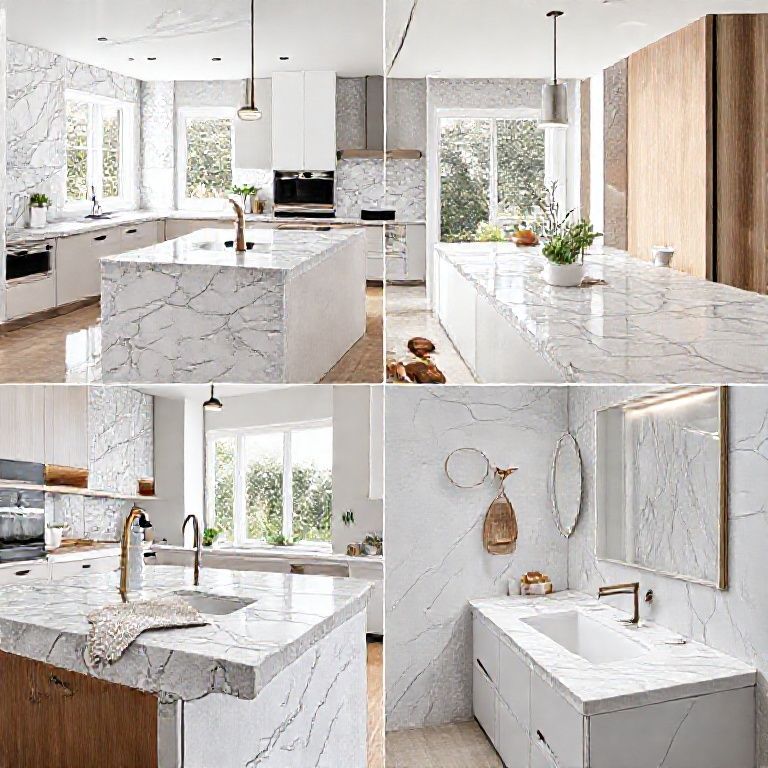
The term “artificial stone” is, in itself, a broad umbrella, encompassing a range of engineered materials designed to mimic the aesthetic appeal of natural stone like granite or marble, while often offering enhanced performance and a more consistent appearance. At its core, artificial stone is a composite material. The most prevalent types you’ll encounter are quartz countertops and solid surface countertops. Quartz countertops, often referred to as engineered stone, are a marvel of modern material science. They are typically composed of around 90-95% ground natural quartz crystals, mixed with about 5-10% polymer resins and pigments. This fusion creates a non-porous, incredibly durable surface that boasts a breathtaking array of colors and patterns, from subtle, veined designs reminiscent of Calacatta marble to bold, uniform hues that stand out in contemporary kitchens. The high quartz content is key to its remarkable hardness and resistance to stains and scratches, making it a true workhorse in busy households.
Solid surface countertops, on the other hand, are a different beast altogether. These are typically made from a blend of acrylic polymers and alumina trihydrate (ATH), a byproduct of bauxite ore. Unlike quartz, solid surface is non-porous and can be formed into seamless surfaces, allowing for integrated sinks and backsplashes that create a smooth, uninterrupted aesthetic. The key advantage here is its repairability; minor scratches or damage can often be sanded out, effectively making the surface look new again. While not as hard as quartz, solid surface offers a warm, tactile feel and is available in a vast spectrum of colors, including translucent options that can be backlit for a dramatic effect.
Now, let’s dive into the radiant advantages that have propelled artificial stone to the forefront of countertop choices. Foremost among these is unparalleled durability. Engineered quartz, in particular, is renowned for its exceptional hardness, second only to diamond. This translates to a surface that is highly resistant to scratching, chipping, and cracking. You can chop vegetables directly on a quartz surface (though a cutting board is always recommended to preserve your knife’s edge!), and it will emerge largely unscathed. This robust nature makes it an ideal choice for kitchens, where heavy pots, pans, and utensils are a daily reality.
Closely linked to durability is stain resistance. The non-porous nature of both quartz and solid surface is a game-changer. Unlike natural stone, which can be susceptible to staining from spills of wine, coffee, or oil, artificial stone presents a formidable barrier. Liquids simply bead up on the surface, making cleanup a breeze. This is a significant benefit for families with young children or anyone who enjoys entertaining, as the worry of accidental spills leaving permanent marks is greatly diminished.
Then there’s the consistency of appearance. Natural stone is a product of geological processes, meaning each slab is unique, with its own variations in color, veining, and pattern. While many adore this individuality, others prefer a more predictable and uniform look. Artificial stone offers just that. Whether you choose a specific quartz pattern or a solid surface color, you can be confident that the slab you select will look precisely the same in your home as it did in the showroom. This consistency can be particularly beneficial when designing for larger spaces or when needing to match existing elements in your décor.
The design flexibility offered by artificial stone is another compelling factor. Manufacturers have become incredibly adept at replicating the most sought-after natural stone looks. You can find quartz that flawlessly mimics the dramatic veining of Carrara marble, the earthy tones of travertine, or the deep, rich hues of granite. Beyond natural stone imitations, the world of artificial stone opens up a universe of colors and finishes that simply don’t exist in nature. From vibrant jewel tones to muted pastels, and from high-gloss polishes to sophisticated matte finishes, the possibilities are virtually endless, allowing you to truly personalize your space and express your unique style.
For solid surfaces, the advantage of seamless installation cannot be overstated. Because the material can be thermoformed and joined with specialized adhesives that render the seams virtually invisible, you can create expansive, flowing countertops. This means no unsightly grout lines or caulking in your backsplash or around your sink. The integrated sink option, where the sink is fabricated from the same material as the countertop and fused seamlessly, creates an exceptionally hygienic and easy-to-clean surface.
Finally, let’s touch upon low maintenance. This is arguably one of the most attractive selling points for busy homeowners. Because artificial stone is non-porous and highly resistant to stains and etching, it requires minimal upkeep. Unlike natural stone, which often needs periodic sealing to maintain its protective qualities, most artificial stone surfaces only require regular cleaning with mild soap and water. This ease of care translates to more time enjoying your home and less time spent on laborious cleaning routines.
However, as with all things in life, artificial stone is not without its limitations. While its advantages are numerous and significant, understanding its potential drawbacks is crucial for making an informed decision that aligns with your lifestyle and expectations. Let’s pivot now to explore the other side of the coin, examining the disadvantages that might give pause to even the most ardent admirer of engineered surfaces.
While the allure of artificial stone countertops is undeniable, a balanced perspective requires us to explore their potential shortcomings. Understanding these limitations is not about dissuading you, but rather about empowering you with the knowledge to make the most informed decision for your unique needs and circumstances.
One of the primary considerations is heat sensitivity. While quartz countertops are remarkably durable, they are not entirely impervious to extreme heat. The polymer resins that bind the quartz crystals can be sensitive to direct contact with very hot pots, pans, or heating elements. Placing a scorching hot pan directly from the stovetop onto a quartz surface, for instance, can lead to thermal shock. This can cause the resin to scorch, discolor, or even crack, creating unsightly marks or damage that are difficult, if not impossible, to repair. While solid surface countertops generally have better heat resistance than quartz, they too can be damaged by excessive heat. Therefore, using trivets and hot pads is not merely a suggestion but a necessity when working with artificial stone, regardless of its type. This requirement for heat protection, while a minor inconvenience for some, can be a significant factor for those who frequently cook and tend to place hot items directly on their countertops.
Another aspect to consider is scratch resistance, not scratch proof. While engineered quartz is incredibly hard and highly resistant to scratching, it is not entirely immune. Aggressive scrubbing with abrasive materials or dragging heavy, rough-bottomed objects across the surface can still leave marks. Similarly, while solid surface is repairable, it is softer than quartz and therefore more prone to developing scratches from everyday use. The key here is to distinguish between “resistant” and “proof.” For quartz, it’s about maintaining its pristine appearance through mindful use; for solid surface, it’s about understanding that minor scratches are inevitable and that repair methods exist to address them.
The cost factor can also be a significant consideration, although this is often a nuanced point. While artificial stone countertops can sometimes be more affordable than high-end natural stones like granite or marble, they are generally more expensive than laminate or some wood options. The price of quartz, in particular, can vary widely depending on the brand, the complexity of the pattern, and the thickness of the slab. Solid surface countertops often fall into a mid-range price point. When comparing artificial stone to natural stone, it’s important to weigh the long-term benefits of durability and low maintenance against the initial investment. Sometimes, the higher upfront cost of engineered materials can be offset by their longevity and reduced need for specialized cleaning or sealing. However, for those on a tight renovation budget, the initial price tag might be a deterrent.
While artificial stone offers a consistent appearance, this can also be perceived as a lack of natural beauty by some enthusiasts. The very uniformity that makes it predictable and easy to design with can also lead to a feeling of being less unique or organic compared to natural stone. True lovers of natural stone often cherish the inherent imperfections, the subtle variations, and the geological story that each slab tells. If you are seeking a surface that embodies the raw, untamed beauty of nature, artificial stone, with its manufactured perfection, might feel somewhat sterile or less soulful.
For solid surface countertops, UV sensitivity can be a concern, particularly for lighter colors. Prolonged exposure to direct sunlight can cause some solid surface materials to yellow or fade over time. This is less of an issue for quartz, but for solid surface, it means that installations in areas with direct, intense sunlight might require careful consideration of color choice or the use of window treatments to mitigate prolonged exposure.
Finally, while artificial stone is generally considered a hygienic choice due to its non-porous nature, it’s worth noting that repairability varies. As mentioned, solid surface can often be sanded and refinished to remove scratches and minor damage. However, quartz, while incredibly hard, is more difficult to repair if significant damage occurs. Deep chips or cracks in quartz typically require professional intervention and may not always be perfectly invisible. The integrated sink options in solid surface, while aesthetically pleasing and hygienic, can also be more challenging and expensive to replace if damaged compared to a separate drop-in or undermount sink.
Now that we’ve thoroughly explored the pros and cons, let’s transition to the practical aspect of maintaining the beauty of your artificial stone countertops: cleaning and care. The good news is that for the most part, this is where artificial stone truly shines, offering a refreshingly low-maintenance ownership experience.
Cleaning Artificial Stone Countertops:
The cornerstone of artificial stone care, for both quartz and solid surface, is regular, gentle cleaning. For everyday spills and general cleaning, a soft cloth or sponge with warm water and a mild dish soap is your best friend. Simply wipe down the surface, then rinse with clean water and dry with a soft, lint-free cloth to prevent water spots.
For tougher, dried-on messes, such as food residue or minor splatters, a non-abrasive, all-purpose cleaner can be used. Spray the cleaner onto the stain, let it sit for a few minutes to loosen the debris, and then wipe it away with a damp cloth. Always ensure you rinse the surface thoroughly afterwards to remove any cleaner residue.
When dealing with particularly stubborn stains, such as those from coffee, tea, or ink, a glass cleaner or a cleaner specifically designed for engineered stone can be effective. Apply the cleaner, let it dwell for a short period, and then wipe clean. For very persistent marks, a putty knife or plastic scraper can be used very carefully at a low angle to gently lift the stain without scratching the surface.
What to Avoid When Cleaning:
To preserve the integrity and beauty of your artificial stone countertops, it is crucial to avoid certain cleaning agents and methods:
Harsh Chemicals: Never use abrasive cleaners, scouring pads, steel wool, or brushes with stiff bristles, as these can scratch the surface. Avoid cleaners containing high levels of bleach, ammonia, or alkaline chemicals, as they can dull the finish or cause discoloration over time. Drain Cleaners and Oven Cleaners: These are extremely harsh chemicals and should never come into contact with your countertops. Excessive Water: While the surfaces are non-porous, leaving standing water for extended periods is never recommended. Always wipe dry after cleaning. Direct Heat: As discussed earlier, always use trivets, hot pads, or heat-resistant mats under hot pots, pans, and dishes. Never place hot items directly on the countertop.
Specific Considerations for Quartz:
While quartz is highly stain-resistant, some strong pigments, like those found in certain food dyes or permanent markers, might require prompt attention. For these, a quartz-specific cleaner or a gentle, non-acetone nail polish remover can be used with caution, followed by a thorough rinse and dry.
Specific Considerations for Solid Surface:
The beauty of solid surface lies in its repairability. Minor scratches can often be buffed out with a fine-grit sandpaper or a specialized solid surface cleaning pad. For deeper scratches or minor damage, professional refinishing might be an option to restore the surface to its original glory.
In conclusion, artificial stone countertops, in their various forms, offer a compelling blend of aesthetic appeal, robust performance, and practical benefits. They provide a canvas for stunning kitchen and bathroom designs, promising durability and ease of maintenance for years to come. By understanding their nuances – both the advantages and the potential drawbacks – and by adhering to simple yet effective cleaning practices, you can ensure that your chosen artificial stone surface remains a source of pride and a functional cornerstone of your home for a long time. Whether you’re drawn to the consistent elegance of quartz or the seamless versatility of solid surface, the world of artificial stone is rich with possibilities, ready to transform your living spaces into havens of style and practicality.









