
The gleaming surfaces of artificial stone have become ubiquitous in modern homes, adorning kitchen countertops, bathroom vanities, and even accent walls. It’s a material that whispers of sophistication and promises a life of low-fuss elegance. But what exactly is this seemingly miraculous substance, and does its allure hold up under scrutiny? Let’s embark on a journey to unravel the story of artificial stone, dissecting its many strengths that have propelled it to the forefront of design choices, and casting a critical eye on the potential pitfalls that might make you pause.

At its heart, artificial stone is a manufactured material, meticulously engineered to mimic the beauty of natural stone like granite or marble, but with a curated set of properties. The most common forms are quartz countertops and solid surface materials. Quartz countertops, for instance, are a powerhouse of durability, composed of approximately 90-95% ground natural quartz crystals, bound together with polymers and pigments. This precise formulation results in a material that is incredibly hard and non-porous. Think about the daily onslaught a kitchen countertop endures: the clatter of pots, the spill of red wine, the aggressive chop of a chef’s knife. Quartz is built to withstand this onslaught with remarkable resilience. Its non-porosity is a game-changer, particularly in the kitchen. Unlike natural stones which can be porous and absorb liquids, leading to staining and harboring bacteria, quartz offers a hygienic surface. This means spills of coffee, olive oil, or tomato sauce are less likely to leave an indelible mark, and the surface is far more resistant to mold and mildew growth. This translates to a more sanitary environment for food preparation and a significant reduction in the worry associated with everyday culinary adventures.
Beyond its sheer toughness, the aesthetic versatility of artificial stone is a major draw. The manufacturing process allows for an astonishing range of colors, patterns, and finishes. Whether you’re dreaming of the classic veining of Calacatta marble, the speckled grandeur of granite, or a sleek, minimalist monochrome, artificial stone can deliver. Manufacturers can precisely control the hue and distribution of pigments, creating consistent patterns that are often difficult, if not impossible, to find in natural stone. This consistency is a blessing for designers and homeowners alike, ensuring that a slab purchased today will match one bought next year, and that the intricate patterns will be precisely as envisioned. This predictability can be invaluable for large projects or when replacing a damaged section. Furthermore, the finishes available extend beyond the traditional polished look. Matte, honed, and textured surfaces are readily achievable, offering a tactile dimension that can elevate the overall design scheme. This adaptability makes artificial stone a chameleon in the world of interior design, capable of fitting seamlessly into a wide array of styles, from ultra-modern to rustic farmhouse.
Maintenance, or rather the lack thereof, is another significant advantage. The non-porous nature of quartz, as mentioned, drastically simplifies cleaning. A simple wipe-down with soap and water is usually all that’s needed to keep it looking pristine. No need for specialized sealants or harsh chemical cleaners that can damage natural stone. This ease of care is a powerful incentive for busy households, offering more time for life and less time spent on demanding upkeep. Solid surface materials, often made from acrylic or polyester resins and mineral fillers, share this low-maintenance appeal. They are also non-porous and can be repaired if scratched or chipped. The seamless integration of solid surface countertops, where seams are virtually invisible, also contributes to their ease of cleaning, eliminating those tiny crevices where grime can accumulate.
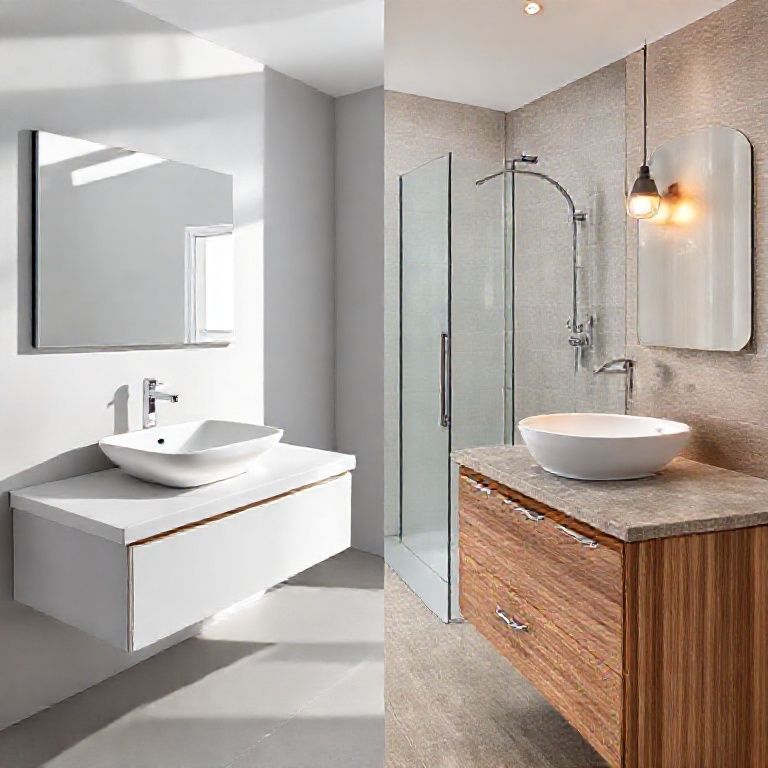
The durability extends to resistance against heat and scratches, though with some caveats that we’ll delve into later. For quartz, the high quartz content makes it resistant to thermal shock – the sudden temperature changes that can crack other materials. While it’s generally recommended to use trivets for very hot pans, accidental placement of a hot pot is less likely to cause catastrophic damage compared to some other countertop materials. Similarly, its hardness makes it highly resistant to scratches. This means you can often chop directly on the surface without causing significant damage, though this is not something to be encouraged for longevity. This robust nature translates into a material that can maintain its good looks for decades, making it a sound long-term investment for many homeowners. The combination of aesthetic appeal, hygienic properties, and ease of maintenance creates a compelling package that has made artificial stone a go-to choice for those seeking a blend of beauty and practicality in their living spaces. It offers a sense of refined living without the constant worry of damaging delicate surfaces, a promise that resonates deeply in the fast-paced modern world.
While the virtues of artificial stone are undeniably attractive, painting a picture of effortless beauty and enduring resilience, it’s crucial to acknowledge that no material is without its drawbacks. To truly understand the value proposition of engineered stone, we must also explore its Achilles’ heel, the potential downsides that might influence your decision. Ignoring these can lead to disappointment and costly regrets down the line.
One of the primary concerns often associated with artificial stone is its performance under extreme heat. While quartz is more heat-resistant than many other materials, it’s not invincible. The resins used as binders in quartz countertops can be sensitive to high temperatures. Placing extremely hot pots or pans directly from the stovetop or oven onto a quartz surface can cause thermal shock, leading to discoloration, scorching, or even cracking. This means that despite its robust nature, using trivets and hot pads remains a necessary precaution. This can be a significant departure from the carefree attitude some might adopt due to its overall durability, requiring a continued vigilance that might not be ideal for everyone. Solid surface materials, while also susceptible to heat damage, can often be repaired by buffing out scorch marks, a point of difference that some may find advantageous.
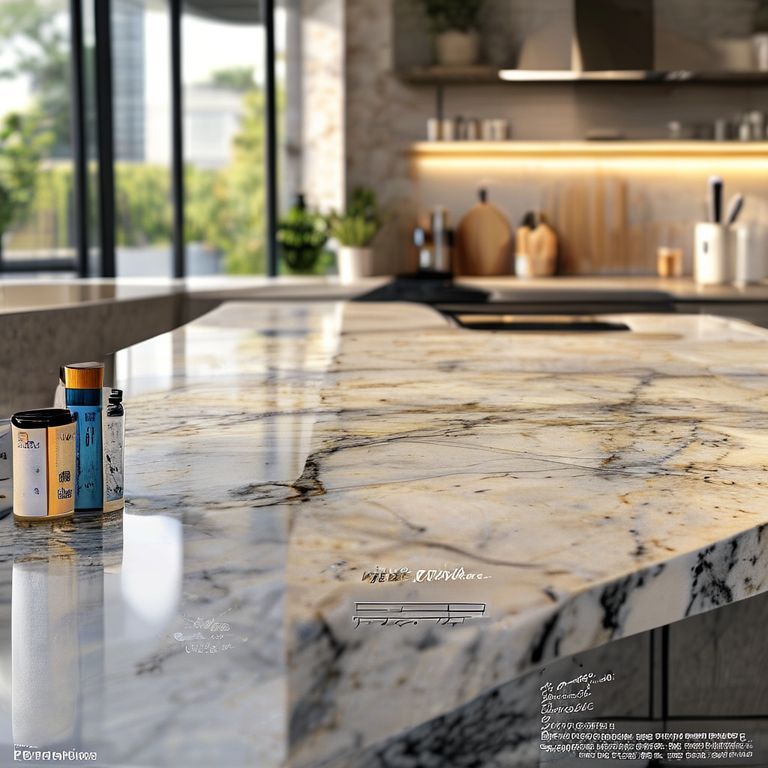
Another aspect to consider is the potential for staining and etching, particularly with certain types of artificial stone or under specific conditions. While quartz is inherently non-porous and highly stain-resistant, aggressive chemicals or prolonged exposure to certain substances can still pose a risk. For example, harsh cleaning agents containing bleach or ammonia, or prolonged contact with highly acidic substances like lemon juice or vinegar left to sit for extended periods, can potentially dull the finish or, in rare cases, affect the resin binders. Similarly, some lighter colored solid surface materials can be prone to staining from dark liquids if not wiped up promptly. While these instances are often preventable with proper care and immediate cleanup, they do represent a departure from the absolute immunity that some might mistakenly attribute to the material.
The aesthetic uniformity, which is a significant advantage in terms of consistency, can also be perceived as a disadvantage by some. Natural stone, with its unique patterns and variations, often carries a sense of individuality and inherent beauty that can be difficult for engineered materials to perfectly replicate. The predictable patterns of artificial stone, while desirable for many, can sometimes lack the organic character and bespoke appeal that draws people to natural materials. For those who value the one-of-a-kind nature of a granite slab or the flowing veins of marble as a true statement piece, the manufactured consistency of artificial stone might feel somewhat impersonal or even generic.
The cost of artificial stone can also be a factor. While it can be more affordable than some premium natural stones, it’s often more expensive than laminate or basic granite options. The price varies significantly based on the brand, the complexity of the design, and the thickness of the slab. When comparing prices, it’s important to consider not just the material cost but also the fabrication and installation expenses, which can be substantial for stone products. While the long-term durability might justify the initial investment for many, the upfront cost can be a barrier for those on a tighter budget. Furthermore, the repairability of artificial stone, while a potential plus for solid surfaces, can be a more complex and expensive process for quartz, especially if significant damage occurs.
Finally, there’s the environmental consideration. The production of artificial stone involves mining quartz and other minerals, as well as the use of resins and manufacturing processes that consume energy and can generate waste. While manufacturers are increasingly adopting more sustainable practices, the environmental footprint of engineered stone is a topic that warrants consideration. The extraction of raw materials, the energy-intensive manufacturing, and the transportation of finished products all contribute to its impact. In contrast, natural stone, while also requiring quarrying, is a product of nature, and some may find its extraction process to be a more straightforward environmental consideration. The longevity of artificial stone can be seen as a positive environmental aspect, as it reduces the need for frequent replacement, but the initial production and disposal phases are areas where its environmental credentials can be debated. Understanding these nuances allows for a more balanced perspective, ensuring that the choice of artificial stone is not just about aesthetics and convenience, but also about aligning with your values and expectations for your home.









