
Sure, I can help you with that! Here is a soft article about the downsides of acrylic artificial marble, presented in two parts as requested.

The gleaming surfaces of acrylic artificial marble, often referred to as solid surface materials, have captivated homeowners and designers alike. Its seamless appearance, ability to be molded into virtually any shape, and a spectrum of vibrant colors make it a seemingly perfect choice for modern kitchens, sleek bathrooms, and innovative commercial spaces. It promises a low-maintenance, hygienic surface that can elevate any interior with its contemporary charm. However, like most things in life, this seemingly flawless material comes with its own set of trade-offs. Beneath the polished veneer lies a reality that’s important to consider before you commit to transforming your space with acrylic artificial marble.
One of the primary concerns that often surfaces, quite literally, is its susceptibility to scratching. While marketed as durable, acrylic artificial marble is not impervious to the daily wear and tear that a busy kitchen or high-traffic bathroom endures. A carelessly dragged pot, a sharp knife used directly on the surface, or even the abrasive texture of certain cleaning pads can leave unsightly marks. These scratches, especially on darker or highly polished finishes, can be quite noticeable and detract from the pristine look you initially desired. While minor scratches can often be buffed out or repaired by a professional, deeper gouges can be more challenging and costly to fix, sometimes requiring a full resurfacing or replacement of a section. This contrasts with materials like natural stone, which, while prone to chipping or staining, often develop a patina over time that some find adds character. For acrylic, however, scratches are typically seen as imperfections that mar its intended flawless appearance.

Heat resistance is another significant area where acrylic artificial marble falls short compared to some of its competitors. While it can withstand moderate temperatures, placing hot pots, pans, or baking sheets directly onto the surface can cause permanent damage. This thermal shock can lead to discoloration, warping, or even cracking. Even seemingly innocuous items like a curling iron left unattended or a steamy kettle can pose a risk. This necessitates the constant use of trivets, hot pads, and cutting boards, adding a layer of caution to everyday kitchen activities that might feel less intuitive for those accustomed to more heat-tolerant surfaces. The learning curve here can be steep, and the fear of damaging an expensive countertop can sometimes overshadow the joy of cooking or preparing meals. In contrast, materials like granite or quartz are generally far more forgiving when it comes to heat.
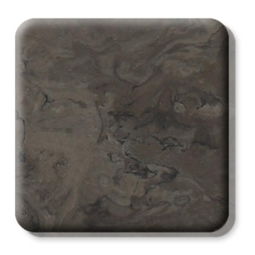
Furthermore, the aesthetic appeal of acrylic artificial marble, while a strong selling point, can also be its Achilles’ heel in certain environments. Its non-porous nature, which makes it hygienic and stain-resistant, also means it can appear somewhat artificial or less luxurious compared to natural stone. While advancements in manufacturing have led to incredibly realistic patterns and veining, a discerning eye can often distinguish it from genuine marble or granite. For those seeking the authentic, organic beauty and unique character that only natural stone can provide, acrylic artificial marble might feel like a compromise. The uniformity of patterns, while a benefit for consistency, can also lead to a less bespoke feel, especially in larger installations where repeating patterns become apparent. This can be a significant factor for individuals who prioritize a sense of natural grandeur and individuality in their homes.
The fabrication process, while offering design flexibility, can also be a point of concern. While skilled fabricators can create seamless joints and intricate designs, the material itself can be sensitive during cutting and shaping. Improper handling or inadequate support during installation can lead to stress points and future issues. Moreover, the adhesives used to create those coveted seamless looks, while strong, can sometimes be visible under certain lighting conditions or if not expertly applied. The cost associated with professional fabrication and installation can also be a significant factor, often outweighing the material cost itself. This specialized labor requirement means that DIY installations are generally not recommended, adding to the overall investment. This contrasts with some other materials where simpler installation methods might be possible, reducing labor costs.
UV sensitivity is another drawback that is often overlooked, particularly for applications in areas exposed to direct sunlight. Over prolonged periods, the UV rays can cause acrylic artificial marble to fade or yellow, compromising its appearance. This is a crucial consideration for outdoor kitchens, window sills, or any area that receives significant natural light. While some manufacturers offer UV-stabilized formulations, they may come at a premium or still not offer complete protection against severe sun exposure. This limitation means that designers and homeowners need to be mindful of the material’s placement, potentially restricting its use in certain desirable locations within a home or building. This is a factor that doesn’t typically impact many natural stone materials in the same way.

In essence, while acrylic artificial marble offers a compelling blend of modern aesthetics and practical benefits, it’s imperative to acknowledge its inherent limitations. Its susceptibility to scratches and heat, potential for a less natural look, specialized fabrication needs, and UV sensitivity are all crucial aspects to weigh against its advantages. Understanding these drawbacks is the first step towards making a well-informed decision that aligns with your lifestyle, design aspirations, and the long-term maintenance expectations for your chosen surfaces. This balanced perspective allows for a more realistic assessment and ultimately, a more satisfying outcome for your interior design projects.
Continuing our exploration of acrylic artificial marble, it’s essential to delve deeper into the nuances that can influence its long-term satisfaction and practicality. Beyond the surface-level appeal and common concerns like scratching and heat resistance, there are further considerations that merit careful attention. These aspects, though perhaps less frequently discussed in marketing materials, can significantly impact the overall experience of living with and maintaining this popular solid surface material.

One area that warrants particular scrutiny is the cost-effectiveness over the lifespan of the material. While acrylic artificial marble can sometimes be more affordable upfront than high-end natural stones like exotic granites or marbles, its repair costs and potential need for replacement due to damage can offset initial savings. The specialized nature of repairs means you’ll likely need to engage a professional solid surface technician, whose services can be quite expensive. For significant damage, such as a large crack or extensive discoloration, replacing an entire section or countertop can be a substantial financial undertaking. When comparing this to materials like quartz, which offers superior scratch and heat resistance and is generally easier to maintain, the long-term economic viability of acrylic artificial marble might be less appealing for some consumers. It’s a classic case of “you get what you pay for,” and sometimes, a lower initial price tag hides a higher total cost of ownership.
The environmental impact of acrylic artificial marble is another growing concern for environmentally conscious consumers. The production of acrylic resins involves petrochemicals, and while manufacturers are increasingly adopting more sustainable practices, the manufacturing process itself can be energy-intensive. Furthermore, at the end of its life cycle, acrylic artificial marble is not as easily recyclable as some other materials. While efforts are being made to develop recycling programs for solid surface materials, they are not as widespread or as efficient as those for glass, metal, or even some plastics. This can be a significant deterrent for individuals who prioritize eco-friendly choices in their homes and are looking for materials with a lower environmental footprint. The long-term disposal of these materials also presents challenges, contributing to landfill waste.
The issue of staining, while often touted as a benefit due to its non-porous nature, can sometimes be a complex one with acrylic artificial marble. While it resists most common household spills, certain aggressive chemicals or prolonged exposure to highly pigmented substances can still cause staining. For instance, strong solvents, certain dyes, or even leaving a damp, colored cloth on the surface for an extended period can lead to discoloration. While many stains can be removed with appropriate cleaning agents, some may prove stubborn and require professional intervention. This means that while generally hygienic, it’s not entirely stain-proof, and a degree of vigilance is still necessary to maintain its pristine appearance, especially with children or in messy cooking environments. The definition of “stain-proof” can be subjective, and acrylic’s resistance can vary depending on the specific formulation and the nature of the staining agent.
Another aspect related to its aesthetic is the potential for it to look “plasticky” or less substantial compared to natural materials. While advancements in printing and layering techniques have created incredibly realistic veining and patterns, some people find that the overall feel and appearance lack the depth and organic variation inherent in natural stone. This is particularly true for budget-friendly acrylic options, where the replication of natural patterns can be more obvious and less convincing. For homeowners who are aiming for a high-end, luxurious look that exudes natural beauty, acrylic artificial marble might not fully satisfy that desire. The uniformity, which is an advantage for consistency, can also be perceived as a drawback when aiming for a truly bespoke and natural aesthetic.
The repairability, while often cited as an advantage, has its limitations and can be a double-edged sword. Yes, minor scratches and small chips can be repaired, often seamlessly. However, the quality of the repair is heavily dependent on the skill of the technician and the specific product used. If the repair is not perfectly matched in color and texture, it can become a focal point, drawing attention to the imperfection. Furthermore, extensive damage, as mentioned earlier, can be prohibitively expensive or even impossible to repair to a satisfactory standard. This means that while some repairs are possible, they are not always a guaranteed perfect solution, and the cost can be a significant factor. It’s not as straightforward as sanding and re-sealing natural stone, which can sometimes be a simpler DIY task for minor issues.
Finally, the feel of the material underfoot or to the touch can also be a consideration for some. Acrylic artificial marble is typically cool to the touch, similar to stone. However, it can also feel harder and less forgiving than some wood or laminate alternatives. For a kitchen environment where people spend a lot of time standing, the comfort of the surface can be a factor. While not a primary functional drawback, it contributes to the overall sensory experience of a space. Some may prefer a slightly warmer or more yielding surface underfoot.
In conclusion, while acrylic artificial marble continues to be a popular choice for its modern appeal and some practical advantages, a comprehensive understanding of its downsides is crucial. Its vulnerability to scratches and heat, potential for an artificial appearance, environmental concerns, nuanced staining resistance, repair limitations, and tactile feel all contribute to a more complete picture. By carefully weighing these disadvantages against its benefits, consumers can make a more informed decision, ensuring that their chosen surface not only looks good but also meets their long-term needs and expectations, ultimately leading to greater satisfaction with their design choices.









