
Sure, I can help you with that! Here’s a soft article about the pros and cons of acrylic solid surface, written in attractive English.

In the ever-evolving landscape of interior design, materials that blend form with function are highly prized. Among these, acrylic solid surface has carved out a significant niche, enchanting designers and homeowners alike with its remarkable versatility and sleek appearance. Often referred to as “artificial stone” or by brand names like Corian, this composite material, primarily composed of acrylic polymers and natural minerals, offers a compelling alternative to traditional stone or laminate. Its appeal lies in its ability to be molded into virtually any shape, its seamless integration, and a spectrum of colors and patterns that can cater to the most discerning tastes.
The aesthetic possibilities with acrylic solid surface are truly vast. Imagine a kitchen island that flows effortlessly, without the unsightly grout lines or seams that can mar the visual continuity of other materials. This is the magic of solid surface. Its non-porous nature means that it can be fabricated and joined with a special adhesive that melts the pieces together, creating a surface that appears to be a single, continuous entity. This seamlessness is not just visually appealing; it also contributes to its hygienic properties. In kitchens and bathrooms, where cleanliness is paramount, the absence of pores and seams means there are fewer places for bacteria, mold, and mildew to take root and multiply. Spills and stains, often a source of anxiety with porous materials, can be wiped away with ease, making maintenance a breeze.
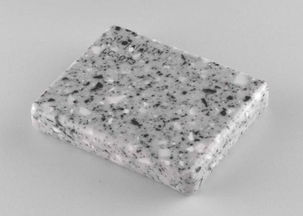
Beyond its seamless integration, acrylic solid surface boasts an impressive range of colors and patterns. From classic whites and subtle neutrals to vibrant hues and intricate veining that mimics natural stone, the design palette is extensive. This allows for a high degree of customization, enabling designers to bring unique visions to life. Whether you’re aiming for a minimalist, modern look or a more opulent, traditional feel, there’s likely a solid surface option that will complement your aesthetic. Furthermore, its malleability under heat means it can be thermoformed into curves, waves, and complex geometric shapes, pushing the boundaries of what’s possible in architectural and interior design. This adaptability opens up a world of creative opportunities for architects, designers, and even DIY enthusiasts looking to create bespoke pieces. Think of intricate backsplashes, custom-molded sinks integrated directly into the countertop, or even wall panels that create a fluid, continuous aesthetic throughout a space.
The inherent durability of acrylic solid surface is another significant draw. While it might not possess the extreme hardness of granite or quartz, it is a robust material capable of withstanding the rigors of daily use in busy households. Its non-porous composition makes it highly resistant to staining from common household spills like wine, coffee, and oil. This means that even if a spill is left unattended for a while, it’s unlikely to penetrate the surface and leave a permanent mark. This stain resistance is a major advantage for busy families or those who enjoy entertaining, as it reduces the stress associated with maintaining a pristine appearance.

One of the most compelling advantages of acrylic solid surface is its repairability. Unlike natural stone or laminate, minor scratches, chips, or even deeper gouges can often be repaired relatively easily. For superficial scratches, a light sanding and polishing can often restore the surface to its original glory. For more significant damage, a professional can often fill and re-surface the area, making the repair virtually invisible. This ability to be renewed is a significant long-term benefit, extending the lifespan of the material and ensuring that it continues to look its best for years to come. This is a stark contrast to materials like granite or quartz, where a significant chip or crack might necessitate a costly replacement of the entire piece. This repairability adds a layer of practicality and peace of mind for homeowners.
Furthermore, acrylic solid surface is generally considered a safe and hygienic material. Its non-porous nature prevents the absorption of liquids and the growth of bacteria, making it an excellent choice for kitchens, bathrooms, and healthcare settings. Many solid surface products are certified for food-safe use, which is a testament to their inertness and ease of cleaning. This is particularly important in environments where hygiene is a top priority, such as commercial kitchens, laboratories, or even children’s play areas. The ability to easily sanitize the surface without fear of damaging it or harboring unseen contaminants provides an added layer of reassurance.
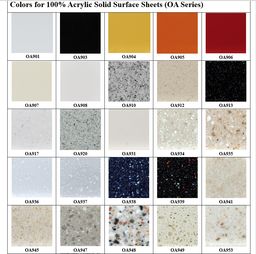
When considering the environmental aspect, acrylic solid surface often presents a more sustainable choice than some alternatives. Many manufacturers incorporate recycled content into their products, and the material itself is often manufactured using processes that aim to minimize waste. Its longevity and repairability also contribute to its sustainability, as it reduces the need for premature replacement and the associated environmental impact of manufacturing and transportation. While the production of acrylic polymers does have an environmental footprint, the overall lifecycle of solid surface, considering its durability and repairability, can position it favorably in the sustainable design conversation.
In summary, the allure of acrylic solid surface lies in its unparalleled design flexibility, seamless aesthetics, hygienic properties, and remarkable repairability. It offers a modern, adaptable, and often practical solution for a wide range of interior applications. However, as with any material, it’s important to understand its limitations to make an informed decision that aligns with your needs and expectations. The subsequent discussion will delve into these aspects, providing a balanced perspective on this captivating material.
While the advantages of acrylic solid surface are numerous and certainly contribute to its popularity, it’s equally important to explore its potential downsides. A balanced understanding of both the pros and cons is crucial for any homeowner or designer considering this material for their projects. One of the primary considerations for many is its performance when exposed to heat. Unlike materials like granite or quartz, which can withstand very high temperatures, acrylic solid surface has a lower heat tolerance. Placing hot pots, pans, or even hot trays directly onto the surface without a trivet or heat pad can lead to scorching, discoloration, or even permanent damage. This can manifest as a dulling of the finish, visible marks, or even slight warping in severe cases. Therefore, a mindful approach to kitchen usage, with the consistent use of protective barriers for hot items, is essential when working with acrylic solid surface.
Another area where acrylic solid surface falls short compared to some harder materials is its scratch resistance. While it is durable in everyday use, it is more susceptible to scratching from sharp objects, abrasive cleaners, or even abrasive wear over time. Knives, for instance, should always be used on a cutting board, as direct contact can easily leave visible marks. Even dragging rough-bottomed pots and pans across the surface can lead to superficial scratches. While these scratches can often be repaired, as mentioned previously, the fact remains that they can occur more readily than with harder surfaces like quartz. This means that homeowners need to be diligent in their usage and maintenance practices to preserve the pristine appearance of their solid surface installations. The aesthetic appeal can be diminished if scratches become frequent and noticeable.
The cost of acrylic solid surface can also be a factor. While it can be more affordable than high-end natural stones like granite or marble, it is generally more expensive than laminate countertops. The price can vary significantly depending on the brand, color, pattern, and complexity of the fabrication. Custom shapes, integrated sinks, and intricate edge details will naturally increase the overall cost. When comparing it to other materials, it’s important to consider the total installed cost, including fabrication, installation, and any specialized maintenance required. For some budget-conscious projects, the initial investment in solid surface might be a deterrent.
While acrylic solid surface is generally considered hygienic due to its non-porous nature, it’s worth noting that some cheaper or lower-quality versions might not offer the same level of stain resistance or durability. It’s important to choose reputable brands and installers to ensure you are getting a product that meets industry standards for performance and safety. Not all “artificial stones” are created equal, and investing in a well-made product from a trusted source is key to avoiding potential issues down the line. The consistency and quality control in manufacturing play a significant role in the long-term performance of the material.
The repairability of acrylic solid surface, while a major advantage, can also come with its own set of considerations. While minor repairs can often be handled by a homeowner with a DIY kit, more significant damage might require a professional. This professional repair can add to the overall cost of ownership. Furthermore, the success of a repair often depends on the skill of the technician and the consistency of the material. While professionals can achieve near-invisible repairs, a poorly executed repair can be quite noticeable, impacting the aesthetic appeal of the surface. It’s also worth considering that over time, repeated sanding and polishing for repairs can subtly alter the original sheen or texture of the surface.
When considering the environmental impact, while some solid surface products incorporate recycled materials, the production of acrylic polymers does involve chemical processes. The sustainability of the material is often debated, with some arguing that the manufacturing process is energy-intensive. However, as mentioned earlier, its longevity and repairability do contribute positively to its environmental profile by reducing the need for frequent replacement. It’s advisable to research specific manufacturers and their sustainability practices if this is a primary concern. Look for products with certifications or those that clearly state their commitment to eco-friendly production methods.
Finally, while acrylic solid surface is highly versatile, its softer nature means it can be more susceptible to UV damage over extended periods of direct sunlight. In areas with intense sun exposure, the color might fade or yellow over time, especially for lighter shades. While this is typically a concern for exterior applications or very sunny interior spaces, it’s something to be aware of when selecting materials for specific environments. Proper ventilation and avoiding prolonged direct sunlight can help mitigate this potential issue.
In conclusion, acrylic solid surface is a material that offers a compelling blend of aesthetics, functionality, and design freedom. Its seamless nature, hygienic properties, and repairability are significant advantages that make it a popular choice for many interior applications. However, potential buyers must also weigh its lower heat resistance, susceptibility to scratching, cost, and the nuances of its repairability. By carefully considering these pros and cons in the context of your specific needs, usage patterns, and design aspirations, you can make an informed decision about whether acrylic solid surface is the perfect foundation for your next project. It’s a material that rewards thoughtful installation and mindful use, offering a beautiful and enduring presence in your home when its characteristics are well understood and respected.









