The Allure and Value of Faux Marble for Interior Design: Unveiling the Beauty and Benefits
In the world of interior design, creating a sophisticated and elegant atmosphere often revolves around the careful selection of materials that not only enhance aesthetic appeal but also offer durability and low maintenance. One material that has been gaining significant traction in recent years is faux marble, also known as artificial marble. This sophisticated alternative to real marble boasts an impressive array of benefits, making it a preferred choice for both residential and commercial spaces.
The Aesthetic Appeal of Faux Marble
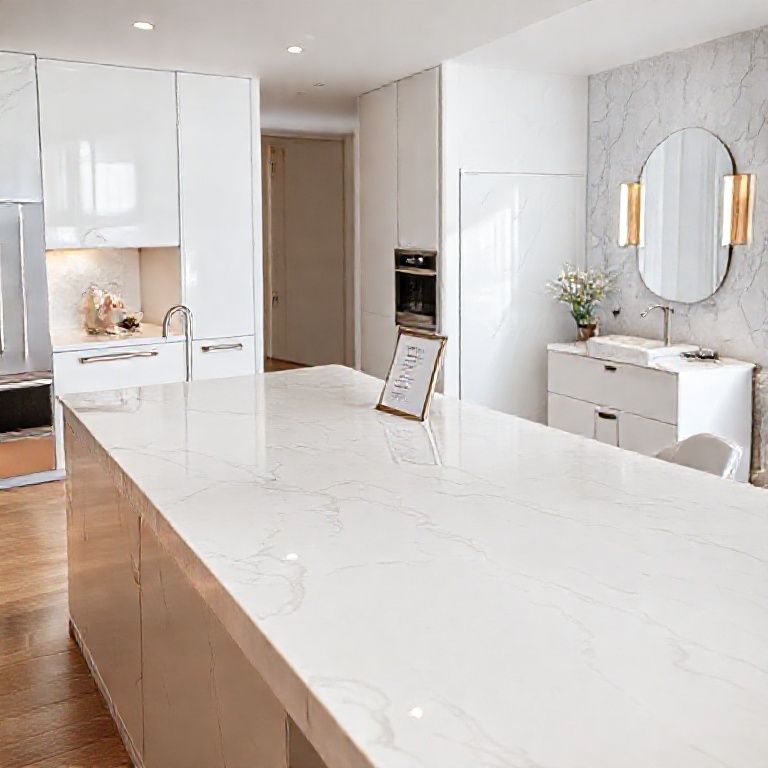
Faux marble replicates the intricate patterns and luxurious sheen of genuine marble while offering a broader palette of colors and designs. Whether you’re looking to adorn a kitchen island, bathroom countertop, or even a wall feature, faux marble provides a versatile canvas that can be customized to match any design vision. The material’s ability to mimic the natural beauty of marble while allowing for unique, bespoke designs makes it a favorite among interior designers and homeowners alike.
One of the most striking aspects of faux marble is its versatility in color and texture. While real marble comes in a limited range of natural hues, faux marble allows for an almost endless spectrum of colors and finishes. This means that you can select a shade that precisely matches your interior theme or opt for a bold, eye-catching design that makes a statement. The intricate veining and marble-like patterns that faux marble can achieve are often indistinguishable from those found in natural stone, offering an almost lifelike realism that is difficult to replicate with other materials.
Cost-Effectiveness: A Smart Investment
One of the most compelling reasons for choosing faux marble over natural marble is its cost-effectiveness. Real marble is inherently expensive due to its natural formation process, which involves millions of years of geological activity. The cost of extracting, cutting, and transporting this precious stone adds to its overall expense. Faux marble, on the other hand, is manufactured using advanced techniques and synthetic materials, which significantly reduces production costs.
When it comes to installation and maintenance, faux marble also proves to be a more economical choice. Real marble requires regular sealing to maintain its sheen and resist staining. Faux marble, on the other hand, is inherently more resistant to stains, scratches, and moisture, eliminating the need for frequent maintenance. This not only saves on the costs associated with regular upkeep but also extends the longevity of the material, ensuring that your investment remains vibrant and pristine for years to come.
Durability and Longevity
Another significant advantage of faux marble is its exceptional durability. Unlike natural marble, which is susceptible to staining, etching, and even cracking under pressure, faux marble is designed to withstand everyday wear and tear. This makes it an ideal choice for high-traffic areas such as kitchens and bathrooms, where surfaces are subjected to constant use and exposure to water and cleaning agents.
Faux marble’s durability is further enhanced by its resistance to temperature fluctuations and UV radiation. This means that whether you’re dealing with the heat from a stovetop or the brightness of natural light, faux marble maintains its appearance without fading or warping. This resilience ensures that your space looks as stunning as the day it was installed, reducing the need for costly repairs or replacements down the line.
Maintenance-Free Convenience
The maintenance-free nature of faux marble cannot be overstated. Traditional marble requires regular sealing to protect its surface from stains and etching. This not only adds to the upkeep routine but also necessitates the use of specialized cleaning products that can sometimes be harsh on the material. Faux marble, however, is inherently more resilient and does not require sealing or frequent cleaning.
A simple wipe-down with a damp cloth and mild detergent is usually sufficient to keep faux marble looking immaculate. This low-maintenance feature is particularly beneficial for busy households and commercial spaces where cleaning schedules are often tight. The convenience of faux marble means that you can enjoy its luxurious appearance without the hassle of constant upkeep, making it an attractive option for anyone looking to simplify their cleaning routine.
Versatility in Design Applications
The versatility of faux marble extends beyond its aesthetic and practical benefits. It can be used in a wide range of design applications, from countertops and backsplashes to tabletops and decorative elements such as columns and wall cladding. This flexibility allows designers and homeowners to experiment with different styles and configurations, creating unique and personalized spaces.
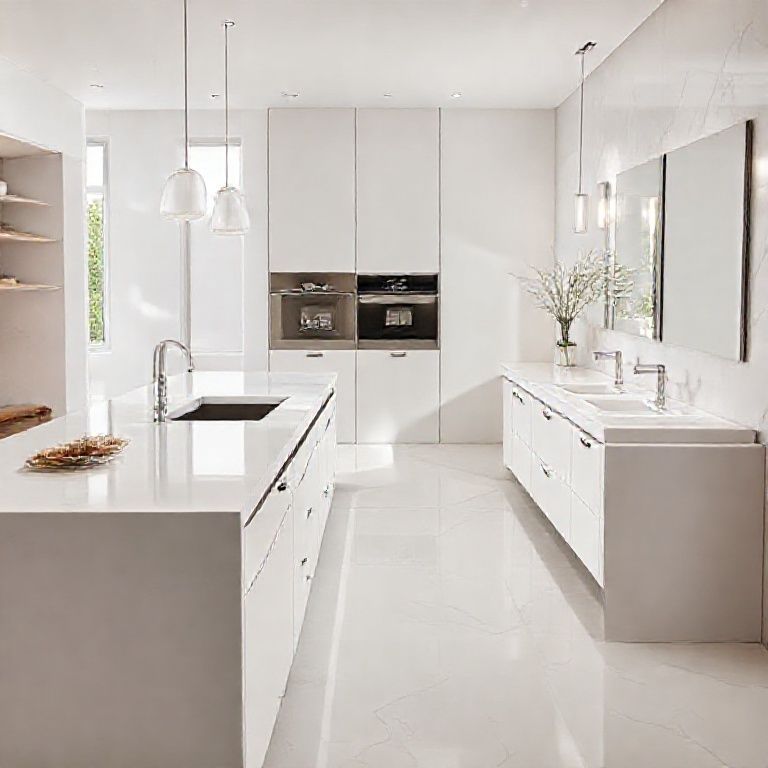
For instance, in a kitchen, faux marble countertops can provide a luxurious yet low-maintenance surface that complements a variety of cabinetry and appliance styles. In bathrooms, faux marble can be used to create eye-catching shower surrounds, bathtub accents, or even freestanding vanities. The possibilities are virtually endless, limited only by your imagination and the creativity of your designer or contractor.
Environmental Considerations
In an era where sustainability is becoming increasingly important, faux marble offers an eco-friendly alternative to natural marble. The extraction and transportation of natural marble have significant environmental impacts, including habitat destruction and high carbon emissions. Faux marble, on the other hand, is produced using synthetic materials that can be manufactured in a controlled environment, minimizing environmental disruption.
Moreover, the production of faux marble often involves recycling and reusing materials, further reducing its ecological footprint. This makes faux marble a responsible choice for environmentally conscious consumers who still want to enjoy the beauty and luxury of marble without compromising on sustainability.
Conclusion
In summary, faux marble represents a remarkable blend of beauty, durability, and practicality that makes it an excellent choice for a wide range of interior design applications. Its aesthetic versatility, cost-effectiveness, low maintenance requirements, and environmental benefits make it a compelling alternative to natural marble. Whether you’re looking to enhance the look of your home or create a stunning commercial space, faux marble offers a sophisticated and sustainable solution that stands the test of time.
The Allure and Value of Faux Marble for Interior Design: Exploring Practical Applications and Future Trends
Having established the aesthetic and practical advantages of faux marble, it’s time to delve deeper into its practical applications and explore the future trends that are shaping its use in interior design. This comprehensive guide will provide you with a thorough understanding of how to best utilize faux marble to achieve your design goals while keeping future innovations in mind.
Practical Applications of Faux Marble
1. Countertops and Kitchens
One of the most popular uses of faux marble is in countertops and kitchen designs. Kitchens are one of the most used spaces in a home, and the counter area is a focal point. Faux marble provides a luxurious, yet durable surface that withstands the daily wear and tear. Unlike natural marble, which requires regular sealing to maintain its beauty and resist stains, faux marble’s surface is inherently more resistant, ensuring that your kitchen remains pristine without the need for constant maintenance.
Faux marble countertops come in a variety of designs and colors, allowing for an almost limitless range of customization options. Whether you prefer a sleek, monochromatic look or a bold, patterned design, faux marble can be tailored to complement your kitchen’s overall aesthetic. Its durability also means that it can handle the heat from cooking appliances and the constant use of cleaning agents, making it a practical choice for high-traffic kitchen areas.
2. Bathrooms
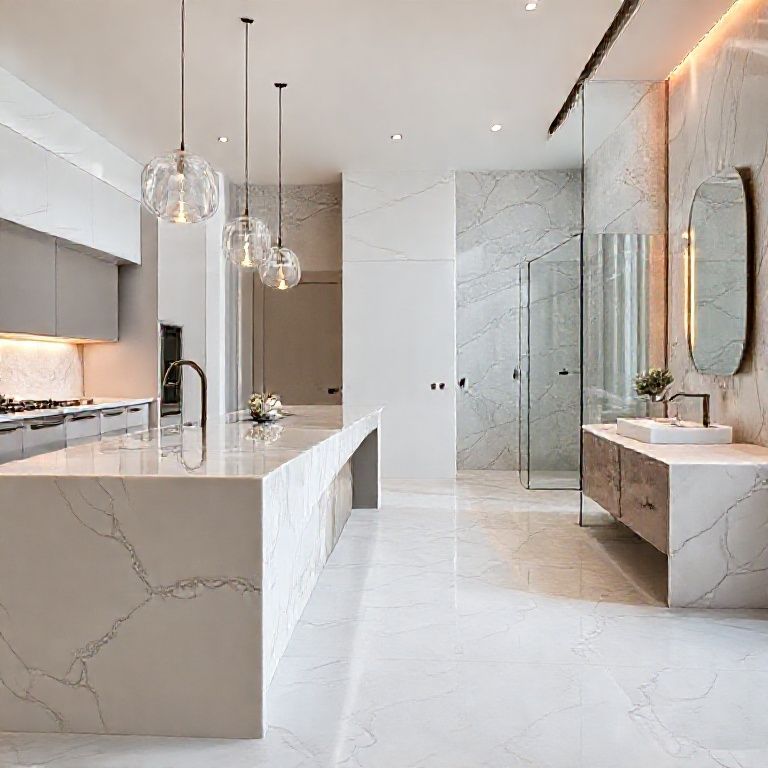
Bathrooms benefit greatly from the use of faux marble, particularly in areas like shower surrounds, vanities, and bathtub accents. The material’s resistance to water and moisture makes it an ideal choice for these high-humidity environments. Faux marble can mimic the natural beauty of marble while providing a surface that is easier to clean and maintain.
In shower surrounds, faux marble can create a luxurious spa-like atmosphere without the high maintenance required for natural marble. The material’s ability to replicate intricate marble patterns makes it possible to design shower areas that look elegant and sophisticated. Additionally, faux marble vanities and bathtub accents can add a touch of elegance and luxury to any bathroom, providing a seamless blend of functionality and style.
3. Flooring
While less commonly used than countertops, faux marble can also be utilized for flooring in both residential and commercial spaces. The material’s durability and resistance to scratches, stains, and moisture make it a practical choice for areas that experience heavy foot traffic. Faux marble flooring can be designed to mimic the look of traditional marble tiles, offering a luxurious appearance without the need for regular sealing and maintenance.
For commercial spaces such as restaurants, offices, and retail stores, faux marble flooring provides a durable and low-maintenance solution that enhances the overall aesthetic appeal of the environment. Its versatility in design allows for creative flooring layouts that can complement various interior design themes.
4. Wall Cladding and Features
Faux marble is also an excellent choice for wall cladding and decorative features. Whether you’re looking to create a statement wall in your home or a feature wall in a commercial space, faux marble can provide a stunning and eye-catching surface. The material’s ability to replicate the intricate patterns and colors of natural marble allows for the creation of unique, bespoke designs that can enhance the visual impact of any room.
In residential settings, faux marble wall cladding can add a touch of elegance and sophistication to living rooms, dining areas, and even hallways. The material’s durability ensures that these decorative elements remain vibrant and intact over time. In commercial spaces, faux marble wall features can serve as focal points that draw attentionto and enhance the overall aesthetic of the environment. From sleek, monochromatic walls to bold, patterned designs, faux marble offers endless possibilities for creative interior design.
Future Trends in Faux Marble Design
1. Sustainability and Eco-Friendly Innovations
As the world becomes increasingly conscious of environmental issues, the trend towards sustainable and eco-friendly materials is gaining momentum. Faux marble production is aligning with this trend by utilizing recycled and sustainable materials. Manufacturers are exploring new ways to reduce the environmental impact of faux marble production, such as using biodegradable resins and minimizing waste.
Future innovations in faux marble are likely to focus on creating materials that are not only durable and low-maintenance but also environmentally friendly. This includes developing faux marble products that have a lower carbon footprint and are made from recycled materials. As consumers become more eco-conscious, the demand for sustainable faux marble products is expected to rise, driving further advancements in this area.
2. Advanced Design Techniques
Advancements in manufacturing technology are enabling designers to create faux marble with increasingly intricate and realistic patterns. High-definition printing and 3D modeling techniques are being used to produce surfaces that closely mimic the natural beauty of real marble. These advanced design techniques allow for the creation of bespoke designs that can be tailored to specific project requirements.
In the future, we can expect to see even more sophisticated design techniques that push the boundaries of what is possible with faux marble. This includes the development of faux marble that can mimic the unique characteristics of different types of natural marble, including rare and exotic varieties. The integration of smart technology, such as self-cleaning surfaces, could also become a feature of future faux marble products.
3. Integration with Smart Home Systems
The integration of faux marble with smart home technology is another exciting trend on the horizon. Smart home systems can be used to control lighting, temperature, and other environmental factors in a space, creating a more comfortable and dynamic living or working environment. Faux marble surfaces that are integrated with smart technology can enhance this experience by providing surfaces that are not only aesthetically pleasing but also functional and interactive.
For example, faux marble countertops with embedded sensors can detect touch and movement, allowing for the control of lighting or other smart home devices. This integration of faux marble with smart technology not only enhances the functionality of the material but also adds a modern and innovative element to interior design.
4. Customization and Personalization
One of the key advantages of faux marble is its versatility in terms of design and customization. Future trends will likely focus on providing even greater levels of customization and personalization. This includes the ability to create faux marble products that are tailored to individual tastes and preferences, with unique patterns, colors, and finishes.
Advanced manufacturing techniques, such as customizable 3D printing, will enable designers and homeowners to create bespoke faux marble products that are one-of-a-kind. This level of customization allows for the creation of truly unique and personalized interior design solutions that reflect the individual style and personality of the homeowner or business.
Conclusion
Faux marble is a remarkable material that offers a blend of beauty, durability, and practicality, making it an excellent choice for a wide range of interior design applications. Its aesthetic versatility, cost-effectiveness, low maintenance requirements, and environmental benefits make it a compelling alternative to natural marble. As technology advances and new trends emerge, the possibilities for faux marble in interior design are becoming even more exciting.
From countertops and kitchens to bathrooms, flooring, and wall cladding, faux marble provides a luxurious and sustainable solution that stands the test of time. As the demand for sustainable and eco-friendly materials continues to grow, future innovations in faux marble are likely to focus on creating even more advanced, durable, and environmentally friendly products.
Whether you’re looking to enhance the look of your home or create a stunning commercial space, faux marble offers a sophisticated and sustainable solution that combines functionality with style. With its endless possibilities for customization and its alignment with future design trends, faux marble is poised to remain a popular choice for interior designers and homeowners alike.