What is Engineered Marble?
Engineered marble, also known as artificial or synthetic marble, is an innovative material that brings the exquisite appearance of natural marble to a variety of applications without its inherent drawbacks. Unlike natural stone, which is a single, homogenous piece, engineered marble is a composite material made from a combination of resin and marble dust.
Material Composition and Creation
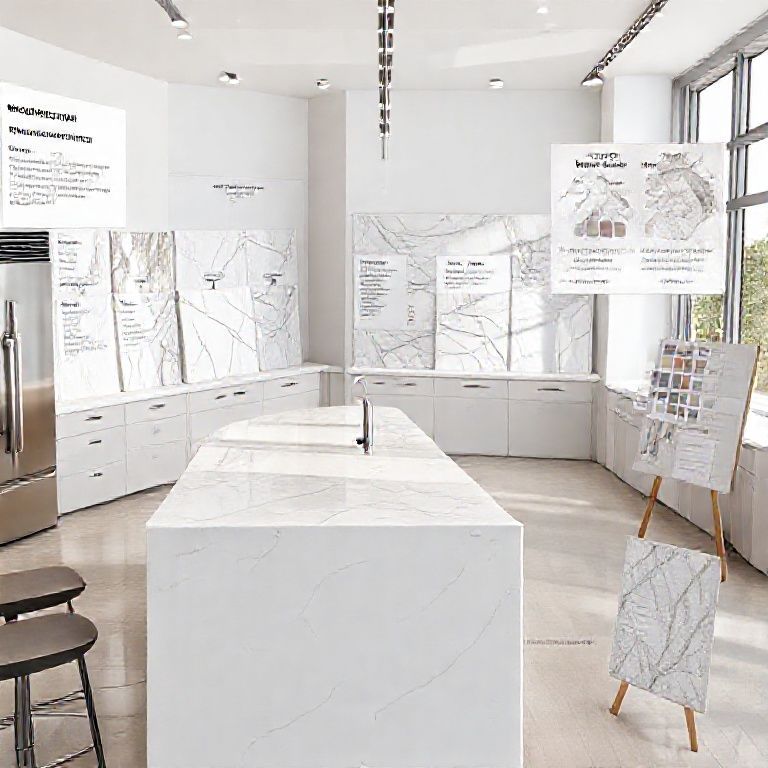
At its core, engineered marble is created through a meticulous process that involves mixing high-grade marble dust with a resin binder. This mixture is then layered and pressed under intense heat and pressure to form a solid, homogeneous slab. The result is a product that not only mimics the look of natural marble but also surpasses it in many aspects, such as durability and maintenance.
The process begins with the selection of premium marble dust, which is finely ground and mixed with a polyester or epoxy resin. This composite is poured into molds and subjected to high temperature and pressure to fuse the materials into a single, solid slab. Once cooled, these slabs are polished and finished to replicate the intricate patterns found in natural marble.
Advantages of Engineered Marble
One of the primary attractions of engineered marble is its durability. Natural marble is susceptible to scratches, stains, and chips, making it a less practical choice for high-traffic areas. Engineered marble, however, is far more resilient. It features a top layer of ultra-fine marble dust, which gives it a realistic appearance while providing a protective barrier against scratches and stains.
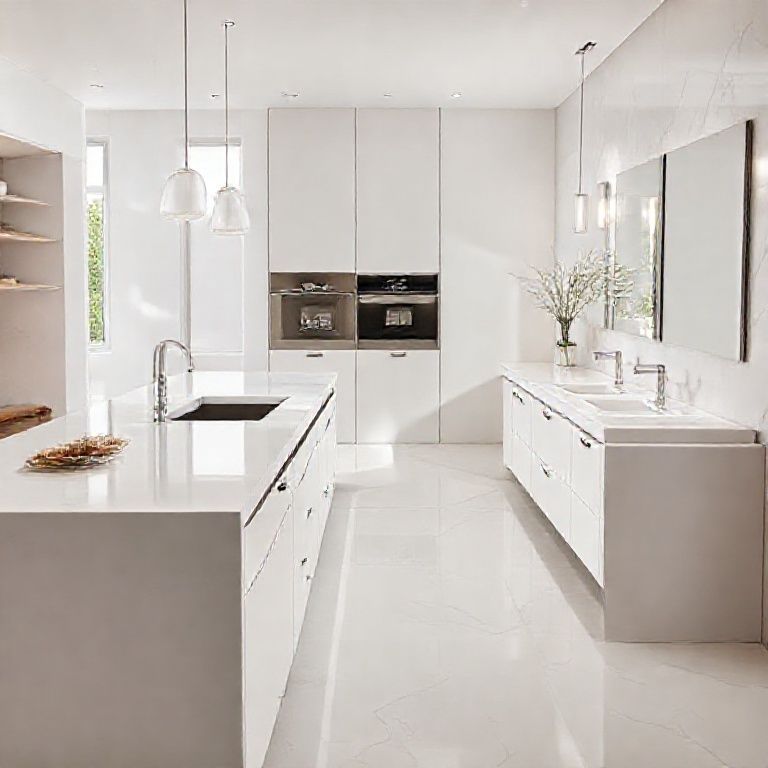
Additionally, engineered marble is significantly more affordable than natural marble. This cost-effectiveness is due to the material’s production process, which is both scalable and controlled. It allows manufacturers to produce large slabs with consistent quality, making it a more accessible option for both residential and commercial projects.
Applications in Interior Design
Engineered marble’s versatility makes it an ideal choice for a wide range of interior design applications. Its aesthetic appeal, coupled with practical benefits, makes it a popular choice for countertops, backsplashes, and flooring in both homes and offices.
In kitchens, engineered marble countertops offer a luxurious look that is easy to maintain. Unlike natural stone, these countertops do not require sealing to prevent staining. Instead, they can be wiped clean with a simple damp cloth, making them an ideal choice for busy households.
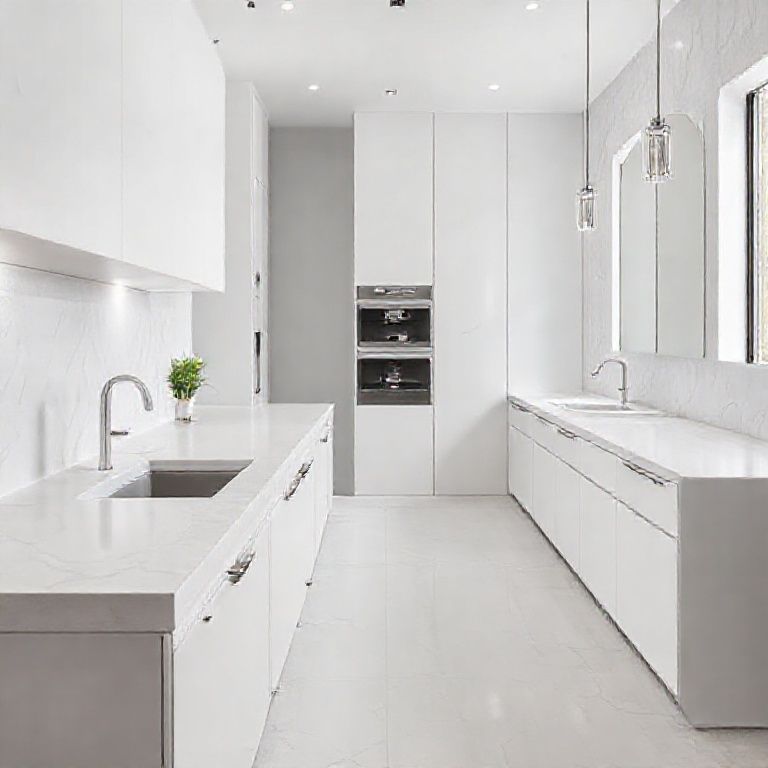
In bathrooms, engineered marble can be used for sinks, vanities, and shower walls. Its stain-resistant properties ensure that it remains pristine over time, even with daily use.
Versatility in Commercial Spaces
The versatility of engineered marble extends beyond residential interiors to commercial spaces such as hotels, restaurants, and office buildings. In these environments, durability and ease of maintenance are critical. Engineered marble’s resistance to stains and scratches makes it an excellent choice for high-traffic areas where appearance and longevity are paramount.
For example, in commercial kitchens and dining areas, engineered marble can be used for countertops, island surfaces, and even wall cladding. Its ability to withstand the rigors of professional kitchen environments ensures a long-lasting, professional appearance.
Environmental and Sustainable Considerations
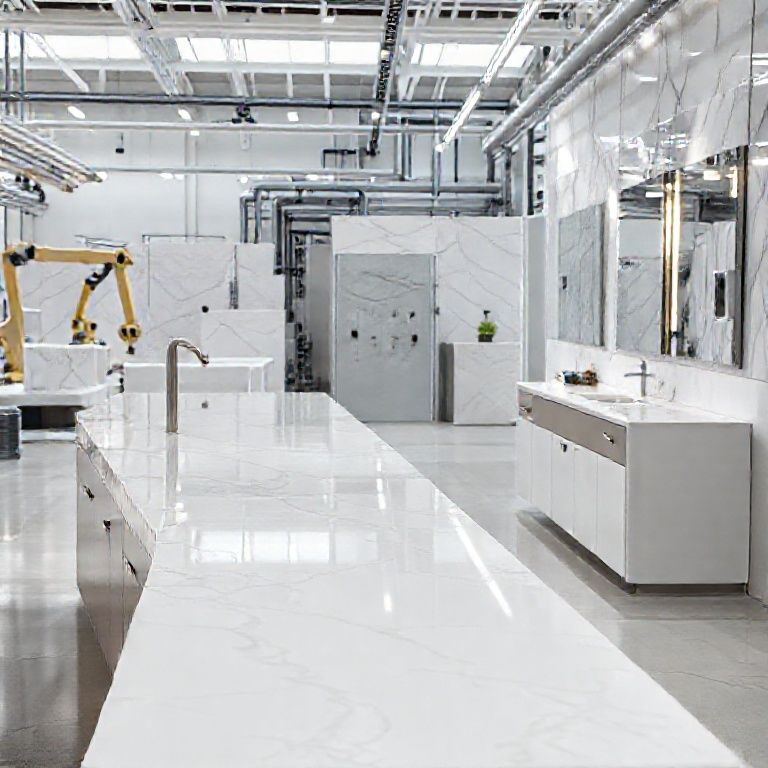
Engineered marble also aligns with modern environmental and sustainable design trends. Unlike natural marble, which requires the extraction of raw materials from quarries, engineered marble can be produced using recycled marble dust. This reduces waste and the environmental impact associated with marble mining.
Moreover, the manufacturing process of engineered marble can be optimized to minimize energy consumption and emissions. By incorporating sustainable practices, manufacturers can produce this material in an eco-friendly manner without compromising on quality or aesthetic appeal.
Conclusion
Engineered marble represents a remarkable fusion of beauty, durability, and sustainability. Its unique composition, combined with its practical benefits, makes it an invaluable material in both residential and commercial settings. As the demand for materials that offer both aesthetic appeal and practical advantages continues to grow, engineered marble stands out as a leading choice for modern design.
The Future of Engineered Marble
Innovations in Material Science
The future of engineered marble is poised for exciting advancements, driven by ongoing innovations in material science. Researchers and manufacturers are continually exploring new techniques to enhance the properties of engineered marble, such as improving its resistance to heat, scratch, and stain.
One promising area of innovation is the development of self-healing engineered marble. This technology involves embedding microcapsules within the material that release a healing agent when the marble is scratched. The agent repairs the surface damage, restoring the marble’s appearance and integrity. This innovation could significantly extend the lifespan of engineered marble, making it an even more durable and practical choice.
Enhanced Aesthetic Variations
Another area of development is the enhancement of aesthetic variations. Engineers and designers are working on creating engineered marble that mimics the intricate patterns and colors found in the rarest natural marbles. Advances in digital printing and advanced composite techniques are enabling the production of engineered marble with unparalleled detail and authenticity.
This ability to replicate rare and exotic marbles offers designers and homeowners a broader range of choices. Whether it’s mimicking the veining of a rare black onyx or the swirling patterns of a precious Travertine, engineered marble can now offer an almost infinite palette of designs.
Integration with Smart Technologies
The integration of smart technologies with engineered marble is another exciting frontier. For instance, engineers are exploring the incorporation of embedded sensors and actuators into engineered marble surfaces. These innovations could allow for the creation of interactive countertops, where surfaces can change color or texture in response to user input.
Such applications have vast potential in both commercial and residential settings. In commercial spaces, interactive surfaces could be used in reception areas, creating a dynamic and engaging environment. In homes, interactive engineered marble could add a touch of modern technology to everyday living spaces.
Customization and Personalization
The customization and personalization of engineered marble are also gaining traction. Advances in manufacturing technologies allow for the production of custom-sized slabs that can be tailored to fit specific design requirements. This level of customization ensures that engineered marble can be integrated seamlessly into any architectural vision.
Moreover, the ability to customize colors, patterns, and textures means that engineered marble can be designed to fit almost any aesthetic, from minimalist and modern to classic and ornate. This flexibility makes it an ideal choice for both bespoke and large-scale projects.
Global Market Trends
The global market for engineered marble is expanding rapidly, driven by its growing popularity in both residential and commercial applications. As more people recognize the benefits of engineered marble, its demand continues to rise.
In regions where natural marble is scarce or expensive, engineered marble offers a practical and cost-effective alternative. Its growing acceptance in emerging markets is contributing to its global expansion. Countries in Asia, Latin America, and Africa are witnessing a surge in the use of engineered marble for both interior and exterior applications.
Conclusion
Engineered marble stands at the forefront of modern material science, offering an exquisite blend of beauty, durability, and versatility. As innovations continue to push the boundaries of what this material can achieve, its future looks incredibly bright. Whether through enhanced aesthetic variations, integration with smart technologies, or customization options, engineered marble is set to redefine the landscape of interior and exterior design.
For designers, architects, and homeowners alike, engineered marble presents an exciting opportunity to create spaces that are not only aesthetically pleasing but also highly functional and sustainable. As we move forward, engineered marble will undoubtedly continue to play a pivotal role in shaping the future of design and architecture.
This two-part article explores the intricate world of engineered marble, highlighting its composition, benefits, applications, and future potential. With its blend of durability, aesthetic appeal, and sustainability, engineered marble is truly a material of the future.