
In the ever-evolving landscape of material science and design, certain innovations emerge not just as functional upgrades, but as transformative forces, reshaping how we conceive and interact with our built environment. Among these pioneering materials, acrylic solid surface, known in Chinese as “亚克力人造石” (yàkèlì rénzàoshí), stands out with its remarkable blend of aesthetic appeal, inherent durability, and astonishing versatility. It’s a material that whispers of sophisticated design while shouting of practical resilience, a combination that has captured the imagination of designers, architects, and homeowners alike.

The very name, “acrylic solid surface,” hints at its dual nature. “Acrylic” points to its modern, engineered origins, derived from acrylic polymers that imbue it with a unique set of properties. These aren’t the brittle plastics of yesteryear; this is a high-performance composite, meticulously formulated to mimic the elegance of natural stone while surpassing it in many practical aspects. “Solid surface” denotes its homogenous composition throughout its entire thickness. Unlike laminates or veneers, there’s no superficial layer that can chip or wear away. What you see on the surface is what you get all the way through, a crucial characteristic that underpins its enduring beauty and ease of repair.
The journey of acrylic solid surface from a laboratory concept to a cornerstone of contemporary design is a testament to human ingenuity. Its development was driven by a desire for a material that could offer the luxurious look and feel of natural stone without its inherent limitations. Natural stones, while undeniably beautiful, can be porous, prone to staining, heavy, and difficult to fabricate into complex shapes. Acrylic solid surface emerged as a compelling alternative, offering a canvas for creativity that was both practical and visually stunning.

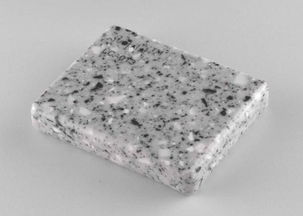
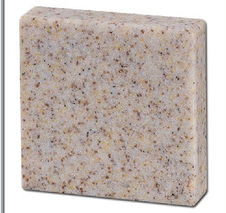
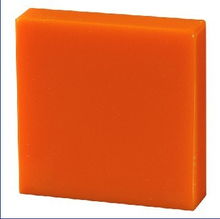
One of the most striking attributes of 亚克力人造石 is its visual chameleon-like quality. It can be manufactured in an astonishing array of colors, patterns, and textures, faithfully replicating the veining of marble, the speckles of granite, or the subtle earth tones of travertine. Beyond mimicry, it also boasts a palette of entirely original designs, from bold, saturated hues to delicate pastels and translucent options that can be backlit to create ethereal, luminous effects. This vast design flexibility allows it to seamlessly integrate into virtually any interior style, from minimalist and modern to rustic and traditional. Whether you’re envisioning a sleek, contemporary kitchen countertop, a serene spa-like bathroom vanity, or an eye-catching reception desk in a commercial lobby, acrylic solid surface offers a solution that is both aesthetically congruent and remarkably adaptable.
The seamless nature of 亚克力人造石 is another defining characteristic that elevates its appeal. When fabricated and installed by skilled professionals, seams between pieces can be virtually invisible. This is achieved through a specialized adhesive that, once cured, forms a bond as strong as the material itself, creating a unified, monolithic appearance. This seamless quality is not merely an aesthetic advantage; it has profound practical implications, particularly in environments where hygiene is paramount. In kitchens, laboratories, and healthcare facilities, traditional materials with grout lines can harbor bacteria and are difficult to clean thoroughly. The smooth, non-porous surface of acrylic solid surface eliminates these breeding grounds for microorganisms, making it an exceptionally hygienic and easy-to-maintain choice. Cleaning is typically a simple matter of wiping with soap and water, and even stubborn stains can often be removed with mild abrasive cleaners without damaging the surface.
Beyond its visual and hygienic advantages, the inherent durability of 亚克力人造石 contributes significantly to its widespread adoption. It possesses excellent resistance to impact, scratching, and staining. While no material is entirely impervious to damage, its solid, homogenous construction means that any minor scratches or imperfections can often be buffed out, restoring the surface to its original glory. This reparability is a key differentiator, extending the lifespan of installations and reducing the need for costly replacements over time. Imagine a busy restaurant tabletop or a high-traffic commercial counter; acrylic solid surface is engineered to withstand the rigors of daily use, maintaining its pristine appearance for years to come.
Furthermore, the material’s non-porous nature means it resists the absorption of liquids and chemicals, preventing the unsightly stains that can plague natural stone surfaces when spills are not immediately addressed. This inherent resistance to staining and chemical attack makes it an ideal choice for demanding applications, from laboratory benchtops to bar surfaces where beverages might be spilled. The peace of mind that comes with knowing your surfaces can handle everyday accidents without permanent damage is a significant benefit for both residential and commercial clients.
The fabrication potential of 亚克力人造石 is also a crucial aspect of its allure. Unlike natural stone, which often requires complex cutting and specialized techniques, acrylic solid surface can be cut, routed, shaped, and thermoformed with relative ease. This allows for the creation of intricate designs, curved edges, integrated sinks and backsplashes, and even three-dimensional forms that would be impossible or prohibitively expensive with other materials. This malleability opens up a world of design possibilities, enabling architects and designers to push the boundaries of conventional aesthetics and craft truly unique and personalized spaces. The ability to thermoform it into gentle curves or dramatic shapes means that functional elements can also become sculptural statements, blurring the lines between practicality and art.
This remarkable blend of aesthetic diversity, seamless integration, hygienic properties, and robust durability positions 亚克力人造石 as a material that doesn’t just meet the demands of contemporary living and working environments, but actively enhances them. It is a material that allows for both understated elegance and bold statements, a testament to its sophisticated engineering and its infinite potential to transform surfaces into canvases of enduring beauty and functionality.
Continuing our exploration of 亚克力人造石 (yàkèlì rénzàoshí), we delve deeper into the practical applications and the forward-thinking aspects that solidify its position as a material of choice for the future. While its aesthetic versatility and seamless integration are compelling, it is the material’s inherent functionality and its contribution to sustainable design that truly underscore its value in today’s conscious world.
The ease of maintenance associated with acrylic solid surface cannot be overstated. In an era where time is a precious commodity and cleanliness is a non-negotiable standard, materials that simplify these aspects are highly sought after. As mentioned, its non-porous nature prevents the absorption of liquids, making it resistant to common household stains from coffee, wine, or juice. For commercial settings, this translates to reduced cleaning effort and lower maintenance costs. Unlike porous natural stones that require regular sealing to maintain their stain resistance, acrylic solid surface retains its protective qualities without the need for such treatments. This not only saves time and resources but also contributes to a healthier indoor environment by avoiding the off-gassing sometimes associated with sealants and waxes. The smooth, homogenous surface means that dirt and grime have fewer places to hide, making routine cleaning swift and efficient, a significant advantage for busy households and demanding commercial operations.
Consider the modern kitchen, the heart of many homes. Here, countertops face a barrage of challenges: hot pans, sharp knives, acidic foods, and sticky spills. Acrylic solid surface, with its resistance to heat (though caution with direct, prolonged high heat is always advised, as with most solid surfaces), impact, and stains, stands up admirably to these daily assaults. The option to have integrated sinks, seamlessly joined to the countertop, further enhances hygiene and aesthetics. This eliminates the collection of debris and bacteria at the traditional seam between a sink and a countertop, creating a fluid, easy-to-clean surface that is both beautiful and supremely practical. The ability to repair minor damage also means that a nick or scratch, which might necessitate the replacement of a less forgiving material, can often be seamlessly repaired by a professional, breathing new life into the installation and prolonging its service life.
In healthcare and laboratory settings, the demands are even more stringent. Here, hygiene is paramount, and materials must withstand aggressive cleaning agents and resist the growth of bacteria and mold. 亚克力人造石 excels in these environments. Its non-porous, seamless surface is inherently bacteriostatic, meaning it inhibits the growth of microorganisms. It can be cleaned and disinfected with a wide range of cleaning agents without fear of etching or degradation, making it an ideal choice for operating rooms, patient care areas, research labs, and pharmaceutical manufacturing facilities. The ability to achieve a consistent, sterile surface is a critical factor in maintaining public health and safety.
Beyond its functional prowess, acrylic solid surface is increasingly recognized for its role in sustainable design. While it is an engineered product, its longevity and reparability contribute to a reduced lifecycle impact. By choosing a durable material that can be restored rather than replaced, consumers and businesses are making a more environmentally responsible choice. Furthermore, many manufacturers are committed to producing acrylic solid surface with recycled content and are implementing environmentally friendly manufacturing processes. The material itself is also non-toxic and does not off-gas harmful volatile organic compounds (VOCs) once installed, contributing to healthier indoor air quality – a growing concern in building design and renovation. The ability to repair rather than replace also minimizes waste, a significant consideration in the global push towards a circular economy.
The aesthetic possibilities offered by 亚克力人造石 extend to its integration with other design elements. Its ability to be backlit, particularly in translucent varieties, opens up unique lighting design opportunities. Imagine a reception desk that glows from within, a bar that casts a warm ambiance, or a feature wall that becomes a luminous focal point. This opens up a new dimension for designers, allowing them to play with light and shadow to create dynamic and visually engaging spaces. The material can also be combined with other materials – wood, metal, glass – to create striking juxtapositions and bespoke designs, further enhancing its adaptability.
The installation and fabrication process, while requiring expertise, also offer a degree of on-site adaptability that is beneficial. While much fabrication is done off-site in controlled environments, the ability for skilled fabricators to make minor adjustments or complete seamless installations on-site adds to its practicality. This is particularly relevant for complex projects with unique architectural features. The relative lightness compared to natural stone can also simplify installation, potentially reducing structural requirements and labor costs.
From a design perspective, 亚克力人造石 empowers creativity without compromise. Architects can design sweeping curves, integrated seating, intricate inlays, and complex geometric shapes, knowing that the material can accommodate these visions. This freedom allows for the creation of truly bespoke environments that reflect individual styles and functional needs. In commercial spaces, this translates to brand differentiation and memorable customer experiences. In residential settings, it means homes that are not only beautiful but also perfectly tailored to the lives of their occupants.
The ongoing innovation in acrylic solid surface manufacturing continues to expand its capabilities. New formulations offer enhanced scratch resistance, improved thermal performance, and even antibacterial properties integrated directly into the material. The range of colors and patterns is constantly evolving, with manufacturers drawing inspiration from natural phenomena, artistic movements, and contemporary trends. This ensures that 亚克力人造石 remains at the forefront of material innovation, offering solutions that are not only current but also anticipatory of future design needs.
In conclusion, 亚克力人造石 is far more than just a surface material; it is a medium for innovation, a facilitator of hygiene, and a cornerstone of sustainable design. Its remarkable ability to mimic, yet surpass, natural materials, coupled with its unparalleled fabrication flexibility and enduring performance, makes it an indispensable element in the creation of spaces that are both beautiful and built to last. As we continue to seek materials that are versatile, resilient, and responsible, acrylic solid surface stands ready to transform our environments, one seamless, stunning surface at a time.









