
The term “artificial stone” might conjure images of synthetic imitations, but in the realm of modern design and construction, it represents a sophisticated category of materials that often surpass their natural counterparts in both performance and aesthetic potential. Far from being a mere substitute, engineered stone, a prominent member of this family, is a testament to human ingenuity, blending the best of nature’s raw beauty with the precision of scientific advancement. This isn’t about a cheap imitation; it’s about creating a superior material that offers unparalleled consistency, durability, and a dazzling spectrum of design possibilities.

At its core, engineered stone, particularly quartz surfaces, is a composite material. The star ingredient is quartz, a naturally occurring mineral renowned for its hardness and crystalline structure. This quartz is meticulously processed – crushed into fine particles or engineered into specific granular sizes – and then combined with a resin binder, pigments, and sometimes other additives. This precise concoction is then subjected to a high-pressure, high-temperature process, often involving vibrocompression, which fuses the elements into a solid, non-porous slab. The result is a material that retains the visual appeal of natural stone, often with enhanced depth and luminosity, while mitigating many of its inherent weaknesses.
One of the most significant advantages of engineered stone lies in its remarkable consistency. Unlike natural stone, where veins, patterns, and colors can vary dramatically from one slab to another, engineered stone offers predictable uniformity. This is a dream for designers and architects, allowing for precise planning and execution of projects. Whether you’re envisioning a seamless, expansive kitchen island or a striking accent wall, the ability to source slabs with identical coloration and veining patterns ensures a cohesive and flawless finish. This predictability also translates into significant cost savings and reduced material waste, as fewer slabs need to be rejected due to aesthetic inconsistencies.
Beyond its visual consistency, the quality of engineered stone is intrinsically linked to its exceptional durability and low maintenance. The non-porous nature of these surfaces is a game-changer, especially in high-traffic areas like kitchens and bathrooms. Natural stone, with its inherent porosity, can absorb liquids, leading to staining, etching, and even harboring bacteria. Engineered stone, however, resists these issues with remarkable tenacity. Spills of wine, coffee, or oil are easily wiped away, leaving no trace. This makes it an incredibly hygienic choice, a critical factor for busy households and commercial spaces. Furthermore, the resistance to stains and moisture also means it’s less susceptible to the growth of mold and mildew, contributing to a healthier indoor environment.
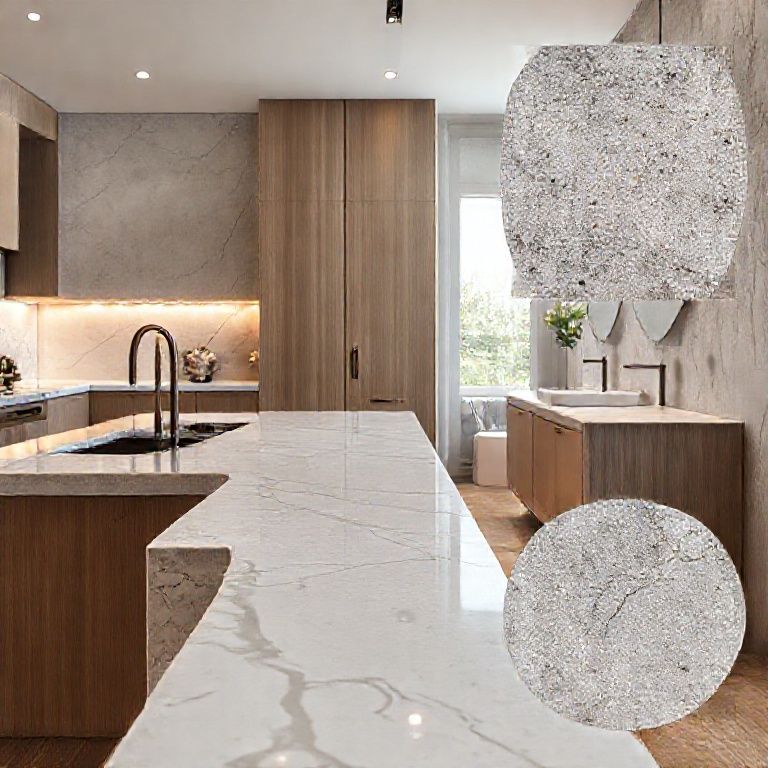
The hardness of quartz, a primary component, imbues engineered stone with impressive scratch and impact resistance. While no material is entirely indestructible, quartz surfaces stand up exceptionally well to the rigors of daily use. Chopping directly on the surface might not be advisable (as it could dull your knives), but accidental encounters with pots, pans, or dropped utensils are far less likely to cause significant damage compared to softer natural stones like marble. This resilience translates into a long-lasting investment that maintains its beauty and functionality for years, often decades, to come.
The manufacturing process of engineered stone also allows for an incredible breadth of aesthetic possibilities. While natural stones are limited by geological formation, engineered stone can be formulated to mimic a vast array of natural patterns, from the classic elegance of Calacatta marble to the bold, dramatic veining of a stormy granite. Furthermore, manufacturers can introduce unique colors and finishes that are simply not found in nature. Imagine deep, lustrous blacks, vibrant jewel tones, or subtle, contemporary grays – the palette is virtually limitless. This creative freedom empowers designers to push boundaries and realize truly bespoke interior schemes. The integration of metallic flecks, mirrored shards, or even recycled glass can add an extra layer of visual intrigue and a touch of avant-garde flair, turning a simple surface into a work of art.
The quality of artificial stone is not a monolithic concept; it’s a spectrum influenced by the quality of the raw materials, the precision of the manufacturing process, and the integrity of the resin binder. High-quality engineered stone will utilize a high percentage of pure quartz (typically 90% or more) and a superior resin system that ensures excellent UV stability, preventing color fading over time, and robust bonding for maximum durability. Reputable manufacturers invest heavily in research and development to refine their processes, ensuring their products meet stringent international quality standards. Certifications from organizations like NSF International (for food safety) and Greenguard (for low chemical emissions) are strong indicators of a product’s quality and commitment to health and environmental responsibility. When evaluating artificial stone, looking for these certifications and understanding the manufacturer’s reputation can be a key differentiator in ensuring you’re investing in a product that will stand the test of time. The fusion of natural beauty with engineered perfection creates a material that is not just seen, but experienced, offering a tangible sense of quality that resonates in every surface.
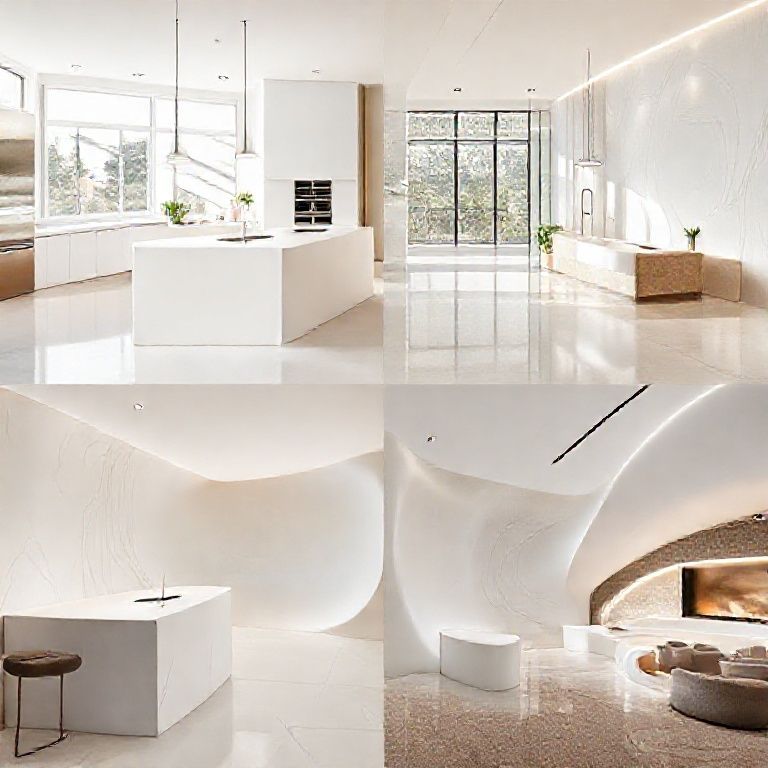
The practical applications of artificial stone extend far beyond the expected realms of kitchen countertops and bathroom vanities, although its dominance in these areas is certainly well-earned. The inherent qualities of engineered stone – its durability, non-porous nature, aesthetic versatility, and ease of maintenance – make it an exceptionally adaptable material for a wide range of interior and exterior design challenges. Its ability to be fabricated into various thicknesses and shapes, coupled with the consistency of its coloration and patterns, opens up a world of creative possibilities for architects, designers, and homeowners alike.
In the kitchen, the allure of artificial stone is multifaceted. As mentioned, its resistance to stains and heat (within reasonable limits) makes it an ideal surface for food preparation. The non-porous quality means that bacteria and foodborne pathogens have no place to hide, ensuring a hygienic environment. This is particularly important for families with young children or for anyone who values peace of mind in their culinary endeavors. Beyond countertops, engineered stone can be seamlessly integrated as backsplashes, creating a continuous, easy-to-clean surface that eliminates grout lines – those notorious collectors of grease and grime. Integrated sinks, fabricated from the same material, further enhance this seamless aesthetic and functional superiority. The visual continuity achieved with an integrated sink and countertop is not only striking but also incredibly practical for cleaning.
Moving into the bathroom, the benefits of artificial stone are equally compelling. Its resistance to moisture and humidity makes it an excellent choice for shower walls, tub surrounds, and vanity tops. Unlike natural stone or tile which can be susceptible to water damage and the proliferation of mold, engineered stone remains impervious. This not only contributes to a more hygienic space but also significantly reduces the need for rigorous cleaning and sealing. The visual continuity can also create a spa-like ambiance, transforming a utilitarian space into a serene sanctuary. Imagine a floor-to-ceiling shower clad in a marble-look engineered stone, creating an effect of pure, unadulterated luxury.
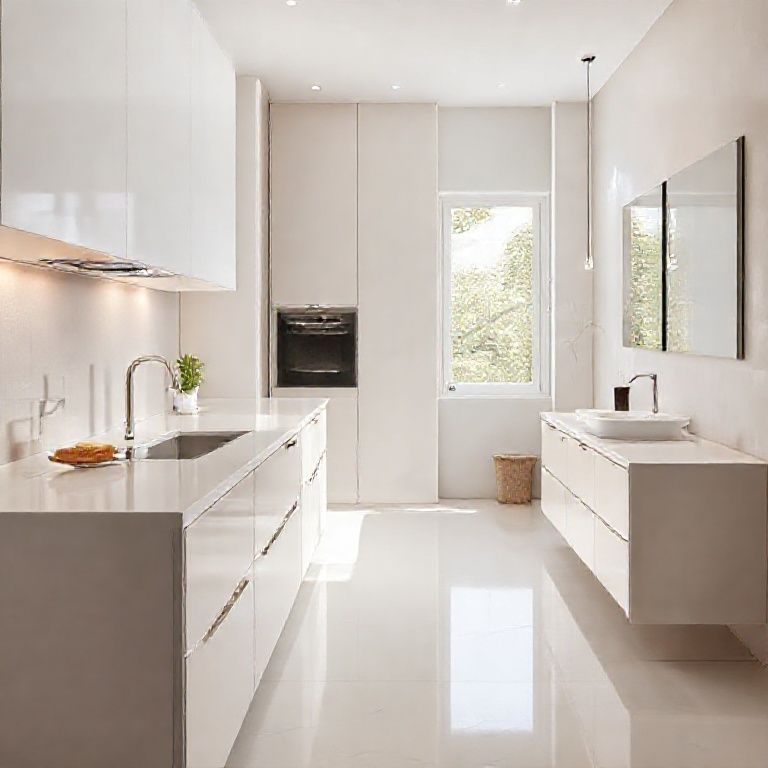
However, the versatility of artificial stone truly shines when we venture beyond these traditional applications. Its ability to be fabricated into large-format slabs means it can be used for impressive feature walls, creating dramatic focal points in living rooms, dining areas, or commercial spaces. The intricate veining of a quartz slab can mimic the grandeur of a natural marble or onyx wall, but without the associated risks of staining or etching. This makes it an increasingly popular choice for high-end retail environments, hotels, and restaurants where visual impact is paramount, but durability and ease of maintenance are equally critical.
The construction industry has also embraced artificial stone for its structural and aesthetic potential. Its consistent thickness and predictable properties make it ideal for cladding building exteriors, offering a durable and visually appealing alternative to traditional materials. Engineered stone can be fabricated into panels that are relatively lightweight compared to solid stone, simplifying installation and reducing the structural load on buildings. The resistance to weathering, UV radiation, and pollutants ensures that the exterior of a building clad in artificial stone will maintain its beauty and integrity for years to come, often requiring minimal upkeep.
Furthermore, the innovative spirit of material science continues to push the boundaries of what artificial stone can achieve. New formulations are emerging that offer enhanced flexibility, allowing for the creation of curved surfaces and more intricate designs. There’s also a growing focus on sustainability, with manufacturers exploring the use of recycled materials, such as crushed glass and ceramics, in their compositions. This not only reduces the environmental impact of production but also introduces unique visual textures and patterns that celebrate the concept of upcycling and circular economy principles.
When considering the quality of artificial stone for any application, a few key factors come into play. The quality of the quartz crystals used, their size and distribution, directly impacts the material’s strength and appearance. The type and amount of resin binder are also critical. A high-quality resin will provide superior adhesion, flexibility, and resistance to UV degradation, preventing yellowing or fading over time. The manufacturing process itself, particularly the level of compaction and curing, plays a crucial role in the density and integrity of the final slab. Reputable manufacturers adhere to strict quality control measures, ensuring consistency in color, pattern, and physical properties.
In conclusion, artificial stone, particularly in the form of quartz surfaces and other engineered composites, represents a pinnacle of material innovation. It offers a compelling blend of natural beauty, superior performance, and design flexibility. Its ability to mimic the allure of natural stone while overcoming its limitations – porosity, inconsistency, and maintenance challenges – makes it an intelligent and sophisticated choice for a vast array of applications. From the bustling heart of a kitchen to the serene expanse of an exterior façade, artificial stone delivers not just beauty, but a promise of enduring quality, making it an indispensable material in the modern design landscape. Its continued evolution ensures that it will remain at the forefront of material possibilities for years to come.









