
The world of home design is a fascinating tapestry, woven with threads of functionality, aesthetics, and personal expression. When it comes to surfaces that bear the brunt of daily life – the kitchen countertop, the bathroom vanity, even a sleek desk – the material choice is paramount. For decades, natural stone like granite and marble reigned supreme, their inherent beauty and perceived prestige making them the go-to for discerning homeowners. However, a new contender has steadily risen through the ranks, capturing the imagination of designers and homeowners alike: artificial stone. But what exactly is this “man-made” marvel, and is it truly a good choice? The question, “人造石好不好?” (Is artificial stone good or not?), is one that resonates with many embarking on renovation projects. Let’s embark on a journey to unravel the allure of artificial stone, exploring its origins, its dazzling array of designs, and the practical considerations that make it a standout option.

At its core, artificial stone isn’t a single entity but rather an umbrella term encompassing several types of engineered materials designed to mimic, and in some cases surpass, the qualities of natural stone. The most prevalent and perhaps the most celebrated among these is quartz. Unlike granite or marble, which are quarried directly from the earth, quartz countertops are born from a sophisticated manufacturing process. They are typically composed of around 90-95% ground natural quartz crystals, bound together with resins and polymers, and infused with pigments. This unique composition is the secret to its remarkable properties. The natural quartz provides incredible hardness and durability, while the resins ensure a non-porous surface, a critical advantage over many natural stones.
Another significant player in the artificial stone arena is solid surface. This material, often recognized by brands like Corian, is made from a blend of acrylic polymers and alumina trihydrate (ATH), a derivative of bauxite ore. Solid surface has a distinct advantage in its ability to be seamlessly fabricated. Joints can be glued and sanded to be virtually invisible, creating a monolithic appearance that is both elegant and hygienic. It can also be thermoformed into curves and shapes that are simply impossible with natural stone.
Beyond quartz and solid surface, there are other engineered materials that fall under the artificial stone umbrella, such as sintered stone and ultra-compact surfaces. These newer innovations push the boundaries of what’s possible, offering extreme durability and heat resistance, often outperforming even the most robust natural stones. Sintered stone, for instance, is created by subjecting a mixture of minerals to extreme heat and pressure, fusing them together at a molecular level. The result is a material that is incredibly hard, non-porous, and resistant to UV rays, making it suitable for both indoor and outdoor applications.
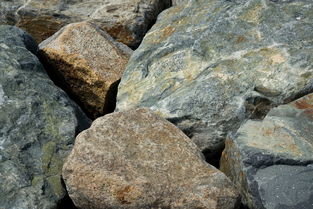
The appeal of artificial stone lies not only in its material composition but also in its astounding design versatility. Natural stone, while beautiful, is limited by what the earth provides. Each slab of granite or marble is a unique masterpiece, but it also comes with inherent variations, veining patterns, and color inconsistencies that can be both charming and challenging to work with. Artificial stone, on the other hand, offers a level of control and predictability that is highly attractive to designers and homeowners alike.
Quartz, in particular, has revolutionized the countertop market with its ability to replicate the look of natural stone with uncanny accuracy, while also offering a spectrum of entirely new designs. Want the classic elegance of Calacatta marble but without the high maintenance? Quartz can deliver. Dream of the deep, dramatic veining of a rare granite? Quartz can be engineered to achieve it. But it doesn’t stop there. Quartz is also available in a vast array of solid colors, from pristine whites and soft grays to bold blues and vibrant reds, allowing for truly customized aesthetics. This means you can achieve a minimalist, modern look, a rustic farmhouse feel, or a glamorous art deco vibe, all with a countertop that complements your vision perfectly.
The manufacturing process of quartz allows for precise control over color and pattern. Pigments are mixed with the quartz aggregate and resins, ensuring uniform color distribution. Advanced techniques can then be employed to create intricate veining patterns that mimic natural formations. This consistency means that if you need to order additional pieces years down the line, you can be confident they will closely match your existing installation. This predictability is a significant advantage for large projects or for homeowners who value a highly curated look.

Solid surface materials offer a different kind of design freedom. While they may not always strive to perfectly replicate natural stone, their strength lies in their seamlessness and their ability to be molded into unique forms. This makes them ideal for integrated sinks, waterfall countertops, and flowing sculptural elements. The matte or satin finish often associated with solid surface can lend a sophisticated, understated elegance to a space. Furthermore, solid surface is inherently repairable. Scratches and minor damage can often be buffed out, restoring the surface to its original glory, a testament to its inherent resilience and long-term aesthetic appeal.
The question of “人造石好不好?” also requires a look at the practical benefits that artificial stone brings to the table. Durability is a major selling point. Quartz, with its high quartz content, is exceptionally hard and resistant to scratches and chips. It can withstand the rigors of a busy kitchen, from chopping vegetables (though a cutting board is always recommended to preserve the life of your knives) to the accidental dropping of a pan. Its non-porous nature is another significant advantage. Unlike natural stone, which can absorb liquids, stains, and odors, quartz and most sintered stones are impervious to spills. This makes them incredibly hygienic and easy to clean. Coffee, wine, oil – common kitchen culprits – can simply be wiped away without leaving a trace. This is a game-changer for busy households and anyone who values a pristine kitchen.
The ease of maintenance extends beyond stain resistance. Because they are non-porous, artificial stones don’t require the regular sealing that many natural stones do. Natural granite and marble, while beautiful, are porous and need to be sealed periodically to prevent staining and bacterial growth. This sealing process can be time-consuming and requires specific products. Artificial stone, particularly quartz, eliminates this step, saving homeowners time and effort. A simple wipe-down with soap and water or a mild household cleaner is usually all that’s needed to keep these surfaces looking their best.
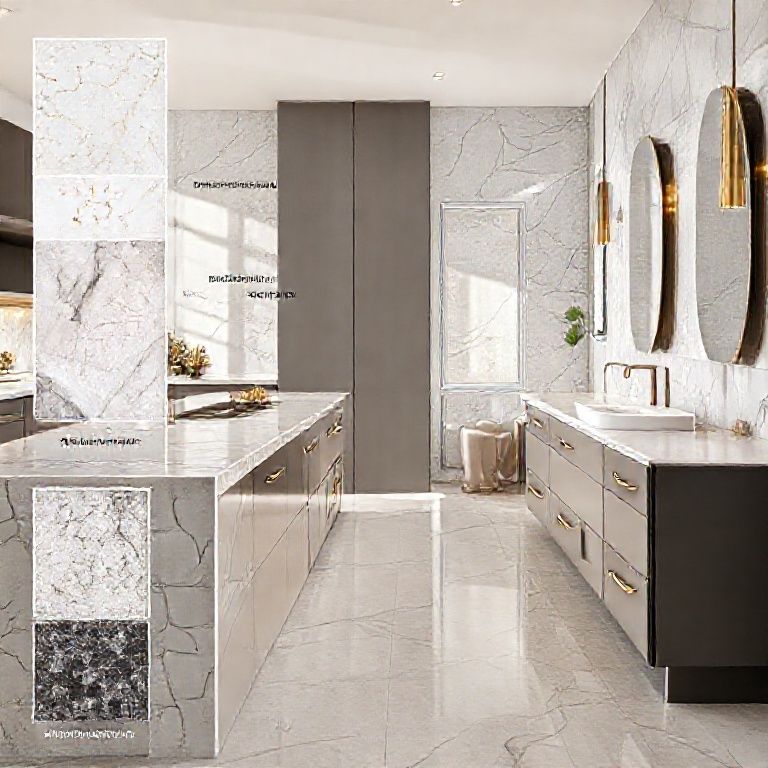
This low maintenance aspect is a significant factor for many homeowners. In today’s fast-paced world, convenience is king. The ability to have a countertop that is both stunningly beautiful and remarkably easy to care for is a highly desirable combination. It means less time spent worrying about cleaning and sealing, and more time enjoying the heart of the home. The hygienic properties also contribute to peace of mind, especially in kitchens where food preparation is constant.
When considering the “goodness” of artificial stone, it’s also worth exploring the environmental considerations, which can be complex. While the manufacturing process for engineered stone does consume energy and resources, the long lifespan and durability of these materials can be seen as an environmental benefit, reducing the need for frequent replacement. Furthermore, some manufacturers are incorporating recycled content into their artificial stone products, further enhancing their sustainability profile. The sourcing of natural stone, while seemingly “natural,” also involves significant energy expenditure for quarrying, transportation, and processing. Therefore, a comprehensive environmental assessment often reveals that well-made artificial stone can be a comparable, and sometimes even superior, choice from a sustainability perspective.
The inherent strength and resilience of artificial stone also translate to long-term value. While the initial cost can be comparable to or even higher than some natural stones, their durability and low maintenance requirements mean that over the lifespan of a home, they can be a more cost-effective solution. The lack of need for sealing, the resistance to damage, and the ease of cleaning all contribute to a lower total cost of ownership. This is a crucial factor for homeowners looking to invest in their property and ensure that their chosen materials will stand the test of time and trends.
Continuing our exploration of artificial stone, we delve deeper into the practicalities and potential considerations that influence its standing as a premier surfacing material. The initial “wow” factor of its design versatility and robust performance is undeniable, but a truly comprehensive understanding requires a balanced perspective, acknowledging both its strengths and any potential limitations. The question “人造石好不好?” is not merely about aesthetics; it’s about how the material integrates into your life and stands up to the demands of your home.
One of the most compelling arguments for artificial stone, particularly quartz, lies in its resistance to heat. While not entirely impervious, high-quality quartz countertops can generally withstand moderate heat. This means a hot pot or pan placed directly on the surface for a short period is unlikely to cause significant damage. However, it’s always prudent to use trivets and hot pads, as prolonged exposure to extreme temperatures or sudden, drastic temperature changes (thermal shock) can still lead to discoloration or cracking. This is a key difference from materials like natural granite, which often boasts higher heat resistance, and sintered stone, which is exceptionally heat-tolerant. Understanding the specific heat resistance of the type and brand of artificial stone you choose is crucial for its longevity and your peace of mind.
When it comes to fabrication and installation, artificial stone offers a more predictable and often more straightforward process compared to some natural stones. The uniformity of quartz slabs, for instance, makes templating and cutting more precise. This can lead to less material waste and a more seamless fit, especially in complex kitchen layouts with numerous angles and curves. Installers often find it easier to work with due to its consistent density and lack of hidden fissures or fault lines that can sometimes be present in natural stone. This ease of installation can sometimes translate into lower labor costs, adding another layer to the cost-effectiveness of artificial stone.
The repairability of artificial stone is another factor that contributes to its appeal. While quartz is incredibly durable, if a chip or a deep scratch does occur, it can often be repaired by a professional. The process typically involves filling the damaged area with a color-matched resin, which is then sanded and polished to blend with the surrounding surface. For solid surface materials, the repairability is even more pronounced. Minor scratches can often be buffed out by the homeowner with a mild abrasive cleaner and a bit of elbow grease, and more significant damage can be professionally repaired, often making the surface look as good as new. This ability to restore a surface rather than replace it is a significant long-term benefit.
However, no material is perfect, and artificial stone has its nuances. One aspect that sometimes raises concerns is the use of resins in its composition. While these resins are what give quartz its non-porous and stain-resistant qualities, they can be susceptible to damage from harsh chemicals or prolonged exposure to direct sunlight. Aggressive cleaning agents, solvents, and certain types of disinfectants can potentially break down the resins, leading to dulling or discoloration over time. Similarly, although many artificial stones are UV-stable, prolonged and intense exposure to direct sunlight can cause some fading or yellowing, particularly with lighter colors. This is something to consider if your kitchen or bathroom receives significant direct sunlight.
The aesthetic debate is also a point of discussion for some. While artificial stone excels at replicating natural stone, purists might argue that it lacks the unique, unrepeatable character of a naturally quarried slab. The very consistency that makes it so appealing to many can also be seen as a drawback by those who seek the absolute authenticity and subtle imperfections that only nature can provide. The veining in quartz, while often stunning, is a manufactured pattern. The depth, texture, and slight variations that make natural marble or granite so captivating are, by definition, absent in engineered versions. This is largely a matter of personal preference and what one values most in a surface.
Cost is another significant consideration, and here the picture is varied. The price of artificial stone can range widely depending on the type, brand, design complexity, and fabrication. High-end quartz with intricate veining and special finishes can be more expensive than some popular granite options. Conversely, simpler quartz designs or solid surface materials can be more affordable than premium natural stones. It’s essential to compare like for like, considering not just the material cost but also the installation, fabrication, and any required ongoing maintenance. When comparing “人造石好不好?”, the total cost of ownership, factoring in durability and maintenance, often tips the scales in favor of artificial stone over the long run.
When it comes to resale value, both natural and artificial stones can be desirable features in a home. A well-chosen, high-quality countertop material, regardless of whether it’s natural or engineered, generally enhances a home’s appeal. Artificial stones, particularly quartz, have gained significant traction in the market and are widely recognized for their durability and aesthetic appeal, making them a positive selling point. The key is selecting a design that is timeless and appeals to a broad range of potential buyers, rather than something overly trendy or niche.
The environmental impact of artificial stone is a nuanced topic. The manufacturing process, as mentioned, consumes energy and resources. However, the longevity and durability of engineered stone mean it doesn’t need to be replaced as frequently as some other countertop materials, reducing waste. Some manufacturers are also increasingly focusing on sustainability, using recycled content and optimizing their production processes. The long-term durability of these materials means fewer replacements over the life of the home, which is a considerable environmental benefit.
In conclusion, the question “人造石好不好?” is best answered by understanding its multifaceted nature. Artificial stone, particularly quartz, offers a compelling blend of beauty, durability, and low maintenance. Its design versatility allows for an unparalleled range of aesthetic possibilities, from replicating natural stone to creating entirely new looks. Its non-porous, hygienic surface makes it ideal for busy kitchens and bathrooms, while its resilience ensures it can withstand the demands of daily life. While it may not possess the exact same unique character as natural stone, its practical advantages, consistent quality, and long-term value make it an exceptionally strong contender. For homeowners seeking a surface that is as beautiful as it is practical, artificial stone, in its various forms, presents a truly excellent option, proving that sometimes, what man can create can indeed rival the wonders of nature.









