
The whisper of “artificial stone” often conjures images of sleek, modern kitchens and bathrooms, a testament to its growing popularity in interior design. But beyond the surface appeal lies a complex world of material innovation, offering a spectrum of choices that can be both exhilarating and a little overwhelming. This isn’t just about a pretty facade; it’s about understanding the substance that underpins the style, and how that substance aligns with your lifestyle and your wallet.

At its core, artificial stone is a manufactured material designed to mimic the look and feel of natural stone, often with enhanced performance characteristics. The umbrella term encompasses a range of products, each with its unique composition and, consequently, its own set of strengths and weaknesses. Perhaps the most recognized player in this arena is engineered quartz. This powerhouse is born from a fusion of approximately 90% ground natural quartz crystals with polymers and pigments. The result? A non-porous surface that boasts exceptional durability and a remarkable resistance to stains, heat, and scratches. Imagine confidently placing a hot pan directly from the stove onto your countertop, or effortlessly wiping away spilled wine without a second thought – that’s the engineered quartz promise. Its uniformity in color and pattern is another significant advantage. Unlike natural stone, where each slab is a unique fingerprint of the earth, engineered quartz offers a consistent aesthetic, making it easier to achieve a seamless look across large surfaces and ensuring that any replacement pieces will perfectly match. This predictability is a godsend for designers and homeowners alike, simplifying the planning and execution of any project. Furthermore, the manufacturing process allows for an incredible array of colors and patterns, from classic marble looks to bold, contemporary designs, giving you a vast palette to play with.
However, this engineered marvel isn’t without its trade-offs. While quartz is highly resistant to heat, it’s not entirely impervious. Extreme and prolonged exposure to high temperatures can cause discoloration or even damage the resin binders. So, while a hot pot is generally okay, a red-hot skillet placed directly on the surface for an extended period might be pushing your luck. Another consideration is its inflexibility. Engineered quartz is rigid and can be prone to chipping or cracking if subjected to a sharp, forceful impact, especially at the edges or corners. This means careful handling during installation and a conscious effort to avoid slamming heavy objects onto the surface. In terms of cost, engineered quartz generally sits in the mid-to-high range of countertop materials. The price per square foot can fluctuate significantly based on the brand, the complexity of the design, and the thickness of the slab. High-end, intricate patterns or those with unique veining can command a premium, while more basic, solid colors tend to be more budget-friendly. Installation costs are also a factor, as this material requires specialized tools and expertise.
Stepping into another popular category, we find solid surface, a material often championed for its seamless appearance and design flexibility. Typically composed of acrylic or polyester resins and mineral fillers, solid surface countertops are manufactured into large sheets that can be thermoformed and seamlessly joined. This means you can have countertops that curve, flow, and integrate sinks and backsplashes without visible seams, creating a sleek, hygienic, and minimalist aesthetic. This lack of grout lines makes solid surface incredibly easy to clean and maintain, as there are no crevices for dirt, bacteria, or mold to hide. Spills are effortlessly wiped away, making it an excellent choice for kitchens and bathrooms where hygiene is paramount. Its non-porous nature also means it’s resistant to most common household stains. Beyond its practical benefits, solid surface is remarkably versatile in terms of design. It can be fabricated into virtually any shape, and a wide range of colors and patterns are available, including options that mimic natural stone quite convincingly. It’s also relatively lightweight compared to some natural stones and engineered quartz, which can simplify installation.
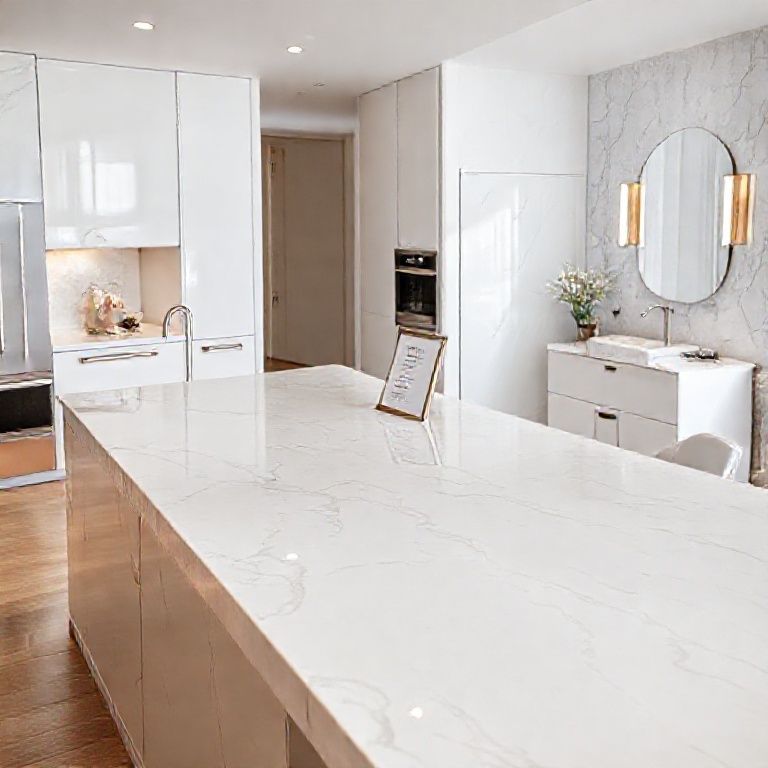
The “softer” nature of solid surface, while contributing to its seamless fabrication, also means it’s more susceptible to scratches and heat damage than engineered quartz. While minor scratches can often be buffed out, deeper gouges may require professional repair. It’s also advisable to use trivets and cutting boards to protect the surface from direct heat and sharp knives. In terms of price, solid surface generally falls into a more accessible category than engineered quartz, making it an attractive option for those looking for a premium look without the highest price tag. However, custom designs, intricate shapes, and premium colors can increase the cost.
Moving further afield, we encounter reconstituted stone or cultured marble, often seen in bathrooms as vanity tops. This material is typically made from polyester resins, pigments, and a high percentage of finely ground marble or other stone aggregates. It offers a beautiful, marble-like appearance at a fraction of the cost of natural marble. The manufacturing process allows for a consistent finish and can incorporate integrated sinks, which further enhances its seamless appeal. Cultured marble is also non-porous, making it resistant to staining and easy to clean. Its affordability and aesthetic appeal have made it a popular choice for bathrooms, particularly in production homes and for budget-conscious renovations. However, its durability is generally lower than engineered quartz or even high-quality solid surface. It can be susceptible to scratching, chipping, and discoloration from certain chemicals or prolonged exposure to sunlight. The resin binders can also degrade over time, leading to a dulling of the finish.
The world of artificial stone is vast and constantly evolving, offering a compelling alternative to the more traditional choices. Whether you’re drawn to the unparalleled durability of engineered quartz, the seamless elegance of solid surface, or the budget-friendly beauty of reconstituted stone, there’s a manufactured material waiting to elevate your space. Understanding their individual merits and limitations, alongside their price points, is the first step towards making a decision that is as practical as it is beautiful.
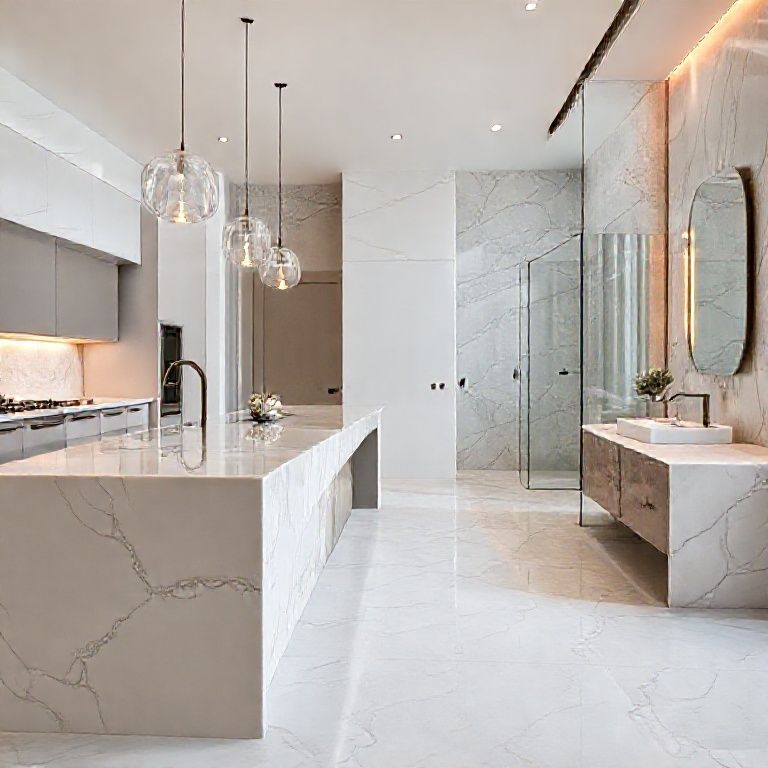
Continuing our deep dive into the captivating realm of artificial stone, we’ve explored some of the leading players like engineered quartz and solid surface. Now, let’s expand our horizons to encompass other intriguing artificial stone options and delve deeper into the economic considerations that play a pivotal role in any renovation project. The appeal of artificial stone lies not only in its aesthetic versatility but also in its ability to offer performance characteristics that often surpass those of their natural counterparts, all while potentially easing the burden on your budget.
One often overlooked, yet highly functional, category is porcelain slabs. While traditionally associated with tiles, advancements in manufacturing have led to the creation of large-format porcelain slabs that offer a sophisticated and incredibly durable surface. These slabs are made from a blend of natural clays and minerals that are fired at extremely high temperatures, resulting in a material that is exceptionally dense, hard, and non-porous. This makes porcelain highly resistant to scratches, stains, heat, and UV radiation, meaning it won’t fade or degrade even with prolonged exposure to sunlight. Its impermeability also makes it inherently hygienic and easy to clean, a significant advantage in busy kitchens and bathrooms. Porcelain slabs can be designed to mimic a wide range of natural stones, including marble, granite, and quartzite, offering a stunning aesthetic with enhanced performance. The large format of the slabs also means fewer seams, contributing to a sleek and modern look.
However, the sheer density and hardness of porcelain can make it more brittle than some other artificial stones. While resistant to general wear and tear, a sharp, heavy impact, especially on the edges or corners, could lead to chipping or cracking. Installation is also a specialized process that requires specific tools and expertise, which can add to the overall cost. Furthermore, the initial material cost for high-quality porcelain slabs can be on the higher end, placing them in a similar price bracket to premium engineered quartz. The installation costs, due to the weight and specialized cutting required, can also be substantial. Despite these considerations, the longevity and low maintenance of porcelain make it a compelling investment for many.
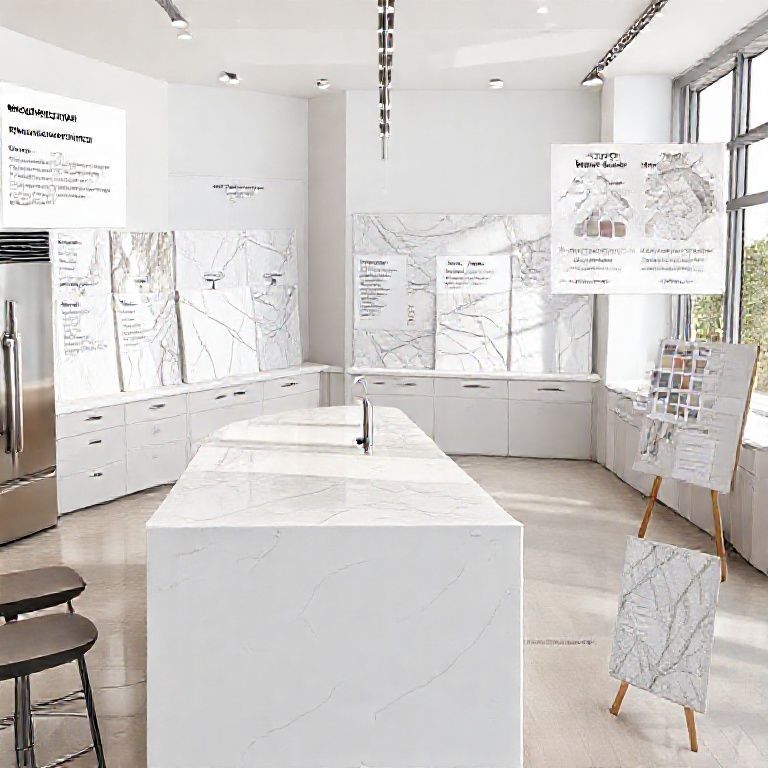
Venturing into the realm of DIY and smaller-scale projects, acrylic-based composite countertops offer another avenue. These are typically made from acrylic resins combined with mineral fillers and pigments. They often provide a good balance of affordability and functionality. Like solid surface, they are non-porous, easy to clean, and can be formed into various shapes. Their appearance can range from simple solid colors to those that mimic the look of granite or quartz. The advantage here often lies in their lighter weight, making them easier to transport and install, which can be a significant cost-saver for those undertaking a DIY renovation.
On the downside, acrylic composites are generally less heat-resistant and more prone to scratching than engineered quartz or porcelain. While they can handle everyday kitchen use, caution should be exercised with hot pots and pans, and cutting boards are a must. The resin binders can also be susceptible to damage from harsh chemicals. The price point for acrylic composites is typically more budget-friendly than engineered quartz or porcelain, making them an excellent option for individuals or families looking to upgrade their kitchen or bathroom surfaces without breaking the bank.
Now, let’s talk brass tacks: price. It’s the elephant in the renovation room, and understanding how artificial stone fits into your budget is crucial. The cost of artificial stone is not a monolithic figure; it’s a complex interplay of several factors.
Material Type and Brand: As we’ve seen, different types of artificial stone carry different price tags. Engineered quartz, particularly from reputable brands known for their quality and innovation, will generally be more expensive than basic solid surface or acrylic composites. High-end brands often invest heavily in research and development, creating unique patterns and proprietary technologies, which are reflected in the price. Similarly, premium porcelain slabs from leading manufacturers will command a higher price than more standard options.
Complexity of Design and Finish: The visual appeal significantly influences cost. Intricate patterns, subtle veining that mimics natural stone, metallic flecks, or custom color blends will often be priced higher than solid, uniform colors. The finish also plays a role. A high-gloss polished finish might be standard, but specialized finishes like a matte or textured look could incur additional costs. For solid surface, the ability to create complex shapes, integrated sinks, or elaborate edge profiles will naturally increase the price compared to a simple straight edge on a basic slab.
Slab Size and Thickness: The dimensions of the slabs required for your project are a direct cost driver. Larger countertops or those with fewer seams may require larger, more expensive slabs. The thickness of the material also matters. While standard countertops are often 2cm or 3cm thick, thicker slabs will naturally cost more.
Fabrication and Installation: This is a significant component of the overall cost. Cutting, shaping, edge profiling, and installation require specialized tools, skilled labor, and precision. The complexity of the installation – whether it involves intricate cuts, unusual shapes, or difficult access – will directly impact labor costs. For materials like porcelain, specialized cutting blades and equipment add to the fabrication expenses.
Geographic Location and Retailer Markup: Prices can vary depending on your geographical location due to local labor costs, transportation expenses, and regional demand. Different retailers will also have their own markups, so shopping around and getting multiple quotes is always a wise strategy.
Installation Services: Many artificial stone suppliers offer full-service fabrication and installation. While convenient, this often comes at a premium. Opting for a separate fabricator and installer, or even a DIY approach for simpler projects, can sometimes lead to savings, though it requires more coordination on your part.
In essence, artificial stone offers a dynamic and accessible pathway to achieving sophisticated and durable surfaces in your home. By understanding the nuances of engineered quartz, solid surface, porcelain slabs, and other composite materials, and by carefully considering the factors that influence their price, you can make informed decisions that align with both your aesthetic aspirations and your financial realities. The modern home is a canvas, and artificial stone provides a palette of possibilities, from the budget-conscious refresh to the high-end custom creation, waiting to be brought to life.









