
The term “artificial stone” often conjures images of manufactured materials striving to mimic natural beauty. Yet, in the realm of interior design and home renovation, this category encompasses a sophisticated and diverse array of engineered surfaces that have carved out their own distinct identity. Far from being mere imitations, materials like quartz surfaces and solid surfaces are celebrated for their unique properties, offering a compelling blend of aesthetics, durability, and practicality. The question “人造石质量怎么样啊” (How is the quality of artificial stone?) is not just a simple inquiry; it’s an invitation to explore a fascinating world of material science, manufacturing innovation, and design potential.

At its core, artificial stone refers to materials created through a process that combines natural minerals and elements with binders and pigments. The most prevalent forms we encounter today are quartz surfaces and solid surfaces, each with its own distinct composition and manufacturing process. Quartz surfaces, often referred to as engineered quartz, are predominantly made from crushed quartz crystals, a naturally occurring and incredibly hard mineral, bound together with polymers and resins, and infused with pigments. This composition is key to their remarkable characteristics. The high percentage of quartz (typically 90-95%) imbues these surfaces with exceptional hardness, making them highly resistant to scratches, chips, and heat. The resins, while providing flexibility and bonding, also contribute to their non-porous nature.
This non-porosity is a critical factor when assessing quality, especially for applications in kitchens and bathrooms where hygiene and stain resistance are paramount. Unlike natural stones like granite or marble, which are porous and require regular sealing to prevent staining from liquids like wine, coffee, or oil, quartz surfaces are inherently resistant. This means spills can be wiped away with ease, and the surfaces remain hygienic, free from the absorption of bacteria or odors. The manufacturing process also allows for incredible consistency in color and pattern. While natural stones offer unique, unrepeatable veining and mineral inclusions, engineered quartz provides a predictable and uniform appearance. This can be a significant advantage for designers and homeowners seeking a specific aesthetic or a seamless look across large surfaces. The quality of the resin used in the binding process plays a vital role here; higher quality resins lead to better color saturation, UV resistance (preventing fading over time, especially in areas with direct sunlight), and overall structural integrity.
Solid surfaces, on the other hand, represent a different category of artificial stone. These are typically composed of acrylic or polyester resins combined with mineral fillers, such as bauxite. The result is a material that is entirely homogeneous throughout its thickness. This means that scratches or minor damage on a solid surface can often be repaired by sanding or buffing, restoring the surface to its original condition without altering the color or pattern. This reparability is a significant quality indicator, offering long-term value and a beautiful lifespan. Solid surfaces are also non-porous, offering the same hygienic and stain-resistant benefits as quartz. However, they tend to be less heat-resistant than quartz. While they can withstand moderate heat, prolonged exposure to very hot pots or pans can cause damage. Their flexibility in fabrication is another standout feature. Solid surfaces can be thermoformed, meaning they can be heated and bent into curves and custom shapes, allowing for seamless integrated sinks, curved countertops, and intricate designs that are impossible with more rigid materials.
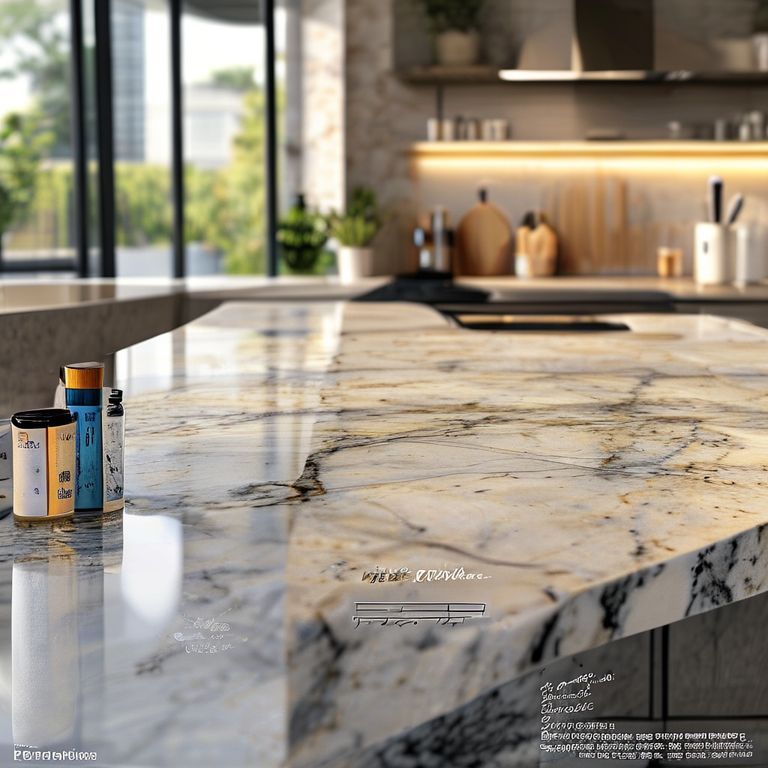
When discussing the quality of artificial stone, it’s essential to consider the manufacturing standards and the reputation of the brand. Reputable manufacturers adhere to stringent quality control measures, ensuring consistent product density, color fidelity, and structural integrity. They invest in advanced technology and employ skilled technicians to oversee the production process. The quality of the raw materials used, from the purity of the quartz crystals to the grade of the resins and pigments, directly impacts the final product’s performance and longevity. Therefore, looking for certifications from recognized industry bodies can be a good indicator of quality assurance.
Furthermore, the aesthetic possibilities with artificial stone are vast. Manufacturers offer an extensive palette of colors, from pure whites and classic blacks to vibrant hues and intricate patterns that mimic natural stones like marble, granite, and even concrete. The ability to precisely control the pigments and patterns during manufacturing allows for a level of customization and consistency that is unmatched by natural materials. This opens up a world of design opportunities, enabling homeowners and designers to achieve specific looks, from minimalist and modern to warm and rustic, with confidence in the material’s performance. The “quality” of artificial stone, therefore, is not a singular attribute but a complex interplay of its composition, manufacturing process, brand reputation, and its suitability for the intended application. It’s about understanding the science behind the surface and appreciating the innovation that allows these materials to grace our homes with both beauty and unwavering practicality.
Continuing our exploration into the quality of artificial stone, the focus shifts from its inherent composition to its performance in real-world applications and the nuances of installation and maintenance. The initial assessment of quality, as discussed, hinges on factors like material composition, manufacturing precision, and brand reputation. However, the true test of artificial stone’s worth lies in how it holds up over time, its ease of care, and its ability to integrate seamlessly into our daily lives.
For quartz surfaces, the high concentration of quartz crystals, as mentioned, is the bedrock of their durability. This translates into exceptional resistance to common household wear and tear. In a busy kitchen, countertops are subjected to constant use: chopping, slicing, spills, and the occasional misplaced hot pan. Quartz surfaces generally excel in these environments, resisting scratches from knives and resisting stains from acidic foods like lemon juice or tomato sauce. Their heat resistance, while robust, is not absolute. It is advisable to use trivets or hot pads for extremely hot cookware, as prolonged direct heat can potentially damage the resin binders, leading to discoloration or even cracking. This is a crucial aspect of quality – understanding a material’s limitations and using it appropriately ensures its longevity and continued aesthetic appeal. The quality of the resin system employed by different manufacturers can influence this heat resistance, so comparing specifications can be beneficial.
The installation of quartz surfaces is a precise process. Because it is a dense and heavy material, professional installation is almost always recommended. Skilled fabricators and installers ensure that seams are virtually invisible, especially when working with lighter colors or patterns. The quality of the installation directly impacts the final look and functionality. A poorly installed countertop can lead to uneven surfaces, visible seams that collect debris, and potential structural issues over time. Reputable suppliers and installers will offer warranties that cover both the material and the installation, providing peace of mind and an assurance of quality craftsmanship.
When it comes to maintenance, the non-porous nature of quartz surfaces is a significant advantage. Daily cleaning is as simple as wiping down with a damp cloth and mild soap. For tougher grime or dried-on spills, a non-abrasive cleaner is usually sufficient. The absence of pores means that bacteria cannot penetrate the surface, making it a hygienic choice for food preparation areas. This ease of maintenance is a key component of perceived quality for homeowners who value convenience and low-effort upkeep.
Solid surfaces, while also non-porous and easy to clean, offer a different set of advantages in terms of their long-term quality and application. Their inherent ability to be repaired is a standout feature. A deep scratch or a small chip, which might be permanent on other materials, can often be sanded out and polished by a professional, effectively making the surface look new again. This makes solid surfaces a very sustainable and long-lasting choice, as the material can be rejuvenated rather than replaced. This reparability adds a unique layer of quality, emphasizing its enduring value and adaptability.
The seamless integration possible with solid surfaces is another testament to their quality and design potential. Sinks can be fabricated from the same material and integrated into the countertop without any visible seams, creating a sleek and hygienic bowl that is easy to clean. This is particularly beneficial in bathrooms and healthcare settings where cleanliness is paramount. The ability to create fluid, curved designs, as mentioned earlier, also speaks to the material’s inherent quality as a versatile and adaptable building block for creative architectural and interior design.
However, as noted, solid surfaces generally have lower heat resistance compared to quartz. While they can withstand everyday heat, direct contact with very hot items can cause scorching or melting. This is a trade-off for their extreme formability and reparability. Therefore, careful consideration of the intended use and environment is part of evaluating the “quality” for a specific project.
In conclusion, the quality of artificial stone, whether it be quartz surfaces or solid surfaces, is a multifaceted concept. It begins with superior materials and advanced manufacturing techniques, leading to products that offer remarkable durability, stain resistance, and aesthetic consistency. It extends to the skill and precision of installation, ensuring that the beauty and functionality are realized to their fullest potential. Finally, it encompasses the ease of maintenance and, in the case of solid surfaces, the ability to repair and rejuvenate the material, promising a long and satisfying lifespan. When asking “人造石质量怎么样啊,” one is not simply asking about a single metric, but rather about the intelligent design, robust construction, and practical performance that make these engineered materials a celebrated choice in modern living spaces. They represent an evolution in material science, offering homeowners and designers the confidence to create beautiful, functional, and enduring environments.









