
When embarking on a home renovation or a commercial design project, the selection of materials plays a pivotal role in shaping both the aesthetic appeal and the long-term functionality of the space. Among the myriad of options available, Corian solid surface has carved out a significant niche, lauded for its versatility, durability, and seamless appearance. However, discussions around Corian often circle back to a common question: “What is the Corian solid surface price, and is it worth it?” This isn’t a simple query with a single, straightforward answer, as the “price” of Corian is a complex tapestry woven from material costs, fabrication, installation, design complexity, and the inherent value it brings to a project. To truly understand the Corian solid surface price, we must delve deeper than the initial dollar figure and appreciate the confluence of factors that contribute to its overall worth.

At its core, Corian solid surface is an engineered material composed of acrylic polymer and alumina trihydrate (ATH), a derivative of bauxite ore. This unique blend results in a non-porous, homogeneous material that is both aesthetically pleasing and remarkably practical. Unlike natural stones like granite or marble, Corian is manufactured, allowing for a consistent quality and a wide spectrum of colors and patterns, from subtle marbling to vibrant hues and even translucent options that can be backlit for dramatic effect. This inherent consistency and the breadth of design possibilities are foundational elements that influence its pricing. The cost of the raw materials themselves, coupled with the sophisticated manufacturing processes that ensure uniformity and performance, contribute to the baseline price point.
However, the price tag on a Corian installation is rarely just about the square footage of the material. A significant portion of the overall cost is attributed to fabrication and installation. Corian is a thermoformable material, meaning it can be heated and shaped into curves, angles, and intricate designs that are challenging or impossible with traditional materials. This capability opens up a wealth of design freedom, allowing for integrated sinks, custom edge profiles, and seamless transitions that contribute to a clean, modern aesthetic. The process of cutting, routing, sanding, and polishing Corian requires specialized tools and skilled craftspeople. A fabricator must meticulously measure, template, cut, and assemble the pieces to ensure a perfect fit and a flawless finish. This artisanal aspect of working with Corian is a significant value driver and, consequently, a substantial component of the price.
Furthermore, the complexity of the design directly impacts the fabrication time and, therefore, the cost. A simple, straight countertop with a standard edge will naturally be less expensive than a custom-designed island with multiple curves, cutouts for cooktops or sinks, and intricate edge detailing. The integration of Corian sinks, which are fabricated from the same material, also adds to the cost. These sinks create a truly seamless look, eliminating the often-troublesome grout lines found with other countertop materials, but they require precise fabrication and joining to the countertop. Similarly, unique features like integrated drainboards, custom backsplashes, or the incorporation of decorative elements will all increase the labor and material involved, reflecting in the final price.
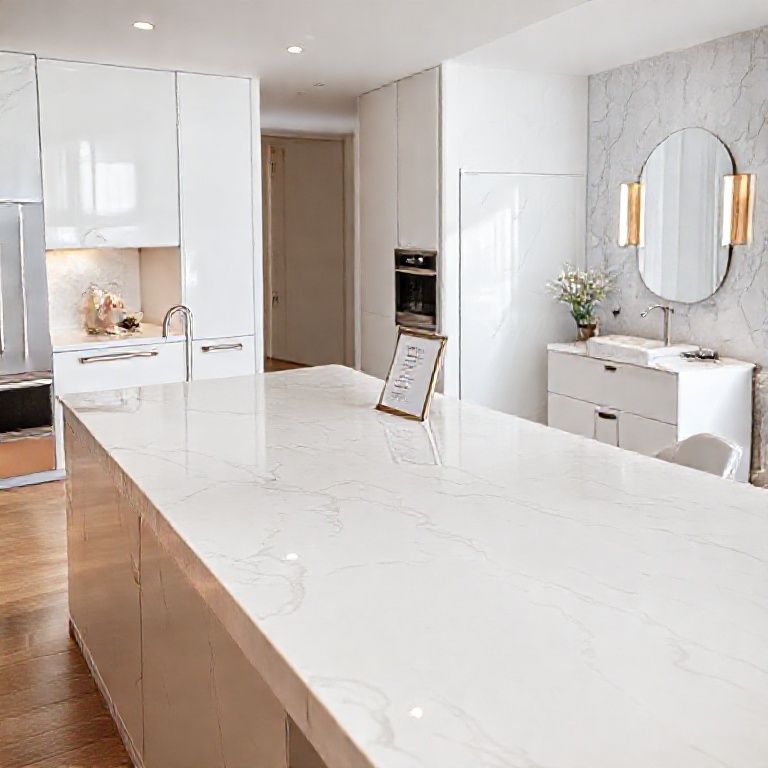
The specific color or pattern chosen for the Corian also plays a role in its pricing. While many standard colors are available at comparable price points, certain premium or more intricate patterns, often those designed to mimic the look of natural stone with detailed veining or multi-tonal effects, may come with a higher price tag. This is often due to the more complex manufacturing process required to achieve these specific visual qualities, or simply market demand for these designer looks. The sheer breadth of the Corian palette, however, ensures that there is often a color and pattern to suit a wide range of budgets and design aesthetics.
Beyond the physical material and its transformation into a finished product, the perceived value of Corian solid surface extends to its performance characteristics and the long-term benefits it offers. Its non-porous nature is a significant advantage, making it highly resistant to stains, mold, and mildew. This inherent hygiene makes it an ideal choice for kitchens and bathrooms, where cleanliness is paramount. Unlike natural stone or laminate, Corian will not stain from everyday spills like wine, coffee, or juice. If a stain does occur, it typically lies on the surface and can be easily cleaned. Moreover, its non-porous quality means it doesn’t harbor bacteria, contributing to a healthier living environment. This ease of maintenance and hygienic properties represent a significant long-term value, reducing the need for harsh cleaning chemicals and offering peace of mind, especially in family homes.
The durability of Corian is another key factor in its pricing. While it is not indestructible – a sharp object or excessive heat can cause damage – it is remarkably resilient. Its solid, homogeneous composition means that any scratches or minor damage can often be repaired by sanding and buffing the surface, restoring it to its original appearance. This ability to be renewed, rather than replaced, is a testament to its longevity and adds considerable long-term value. For homeowners and businesses looking for a surface that can withstand daily wear and tear while maintaining its aesthetic appeal for years to come, this reparability is a significant advantage that justifies the initial investment.
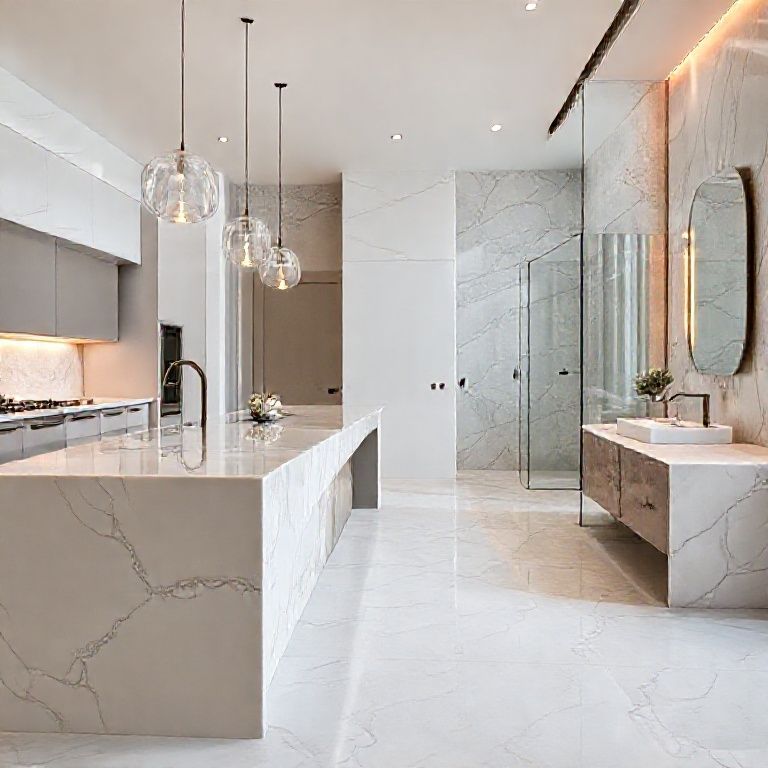
Furthermore, Corian is a brand name with a strong reputation built on decades of innovation and quality. This brand recognition and the assurance of consistent product performance contribute to its perceived value. When you choose Corian, you are not just buying a countertop; you are investing in a material backed by a reputable manufacturer, often with a warranty that provides an additional layer of security. This peace of mind, knowing you have a quality product from a trusted source, is an intangible but important aspect of its overall worth. As we continue to explore the nuances of Corian solid surface pricing, it becomes evident that it is a material that offers a compelling blend of aesthetic possibilities, practical benefits, and enduring value, making it a worthy consideration for discerning designers and homeowners alike.
Continuing our exploration into the pricing of Corian solid surface, it’s important to contextualize its cost within the broader landscape of countertop materials and to understand how its unique attributes translate into tangible long-term benefits that can offset the initial outlay. While the upfront investment for a Corian installation might appear higher than some alternatives, a comprehensive evaluation of its lifecycle cost reveals a compelling argument for its economic viability and aesthetic superiority.
When comparing Corian to other popular countertop materials, the price point often falls within the mid-to-high range. For instance, laminate countertops are typically the most budget-friendly option, offering a vast array of patterns and colors but lacking the durability, seamlessness, and repairability of solid surface. At the lower end of the spectrum, laminate can be significantly less expensive per square foot. However, its susceptibility to damage from moisture, heat, and scratches, coupled with the visible seams that can trap dirt and bacteria, often leads to a shorter lifespan and a need for replacement sooner.
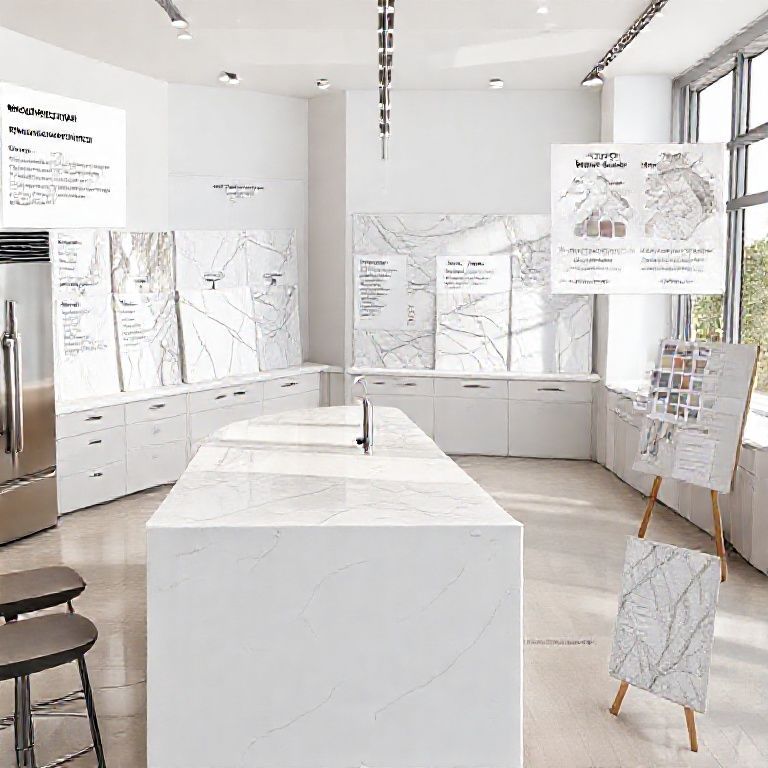
Moving up the price ladder, natural stone options like granite and marble present a different set of considerations. Granite, known for its natural beauty and durability, can be priced comparably to Corian, and sometimes higher, depending on the specific type of stone and its rarity. Marble, while exceptionally elegant, is significantly more porous and susceptible to etching and staining, requiring diligent sealing and careful maintenance. While natural stone offers a unique, one-of-a-kind aesthetic, its inherent variability can also be a drawback for those seeking predictable uniformity. The cost of fabrication for natural stone can also be substantial, particularly for intricate edge profiles or complex installations.
Quartz countertops, engineered from natural quartz crystals and resins, offer a blend of durability, low maintenance, and a wide range of consistent designs. Quartz is often priced in a similar range to Corian, and in some cases, can be more expensive, particularly for premium brands or intricate patterns. Like Corian, quartz is non-porous, stain-resistant, and durable. However, quartz is not thermoformable and cannot be seamlessly joined or integrated in the same way as Corian. Repairs to quartz can also be more challenging, often requiring professional intervention.
Considering these comparisons, the Corian solid surface price begins to make more sense when viewed not just as a material cost, but as an investment in a versatile, hygienic, and long-lasting surface solution. The ability to create seamless, integrated sinks and backsplashes not only enhances the aesthetic appeal but also significantly improves hygiene by eliminating grout lines where dirt and bacteria can accumulate. This seamless integration is a hallmark of Corian and a key differentiator that contributes to its value proposition. For kitchens, this means a surface that is easy to clean and maintain, reducing the risk of cross-contamination. In bathrooms, it translates to a more sanitary and visually cohesive environment.
The reparability of Corian is another significant aspect of its long-term value. Minor scratches, nicks, or even deeper damage can often be repaired by a qualified fabricator, effectively restoring the surface to its original condition. This means that rather than having to replace an entire countertop due to a small flaw, the issue can be addressed affordably, extending the lifespan of the material and saving considerable expense over time. This “renewability” is a distinct advantage over materials like laminate or even some natural stones, where damage can be permanent or very costly to fix.
Furthermore, Corian’s unique ability to be thermoformed opens up a world of design possibilities that are simply not achievable with other materials. This allows for the creation of truly bespoke designs, from gently curved countertops that enhance workflow to elaborate architectural features. This design flexibility is particularly valuable for architects and interior designers seeking to create unique and personalized spaces. The ability to achieve complex shapes, integrate lighting, and create stunning visual effects with Corian means that it can be a transformative element in a design, adding a level of sophistication and exclusivity that justifies its price.
The long-term aesthetic appeal of Corian is also a crucial factor. Its color and pattern are consistent throughout the material, meaning that wear and tear on the surface will not reveal a different underlying layer, as can happen with some laminate or veneer products. The surface can be re-sanded and polished to a like-new finish, ensuring that your investment continues to look its best for years to come. This enduring beauty, coupled with its practical performance, makes Corian a wise choice for both residential and commercial applications where aesthetics and durability are paramount.
Finally, the warranty offered by Corian manufacturers adds another layer of confidence and value. Typically, Corian comes with a significant warranty (often 10 years, depending on the application and installer), which covers manufacturing defects. This assurance provides peace of mind, knowing that your investment is protected against potential issues. This commitment from the manufacturer underscores the quality and durability they stand behind, further solidifying the value proposition of Corian solid surface.
In conclusion, while the initial Corian solid surface price may seem substantial, a deeper dive reveals that it is a material that offers exceptional value through its design flexibility, seamless integration, hygienic properties, remarkable durability, and long-term reparability. When considering the total cost of ownership and the myriad of benefits it brings to a space, Corian solid surface emerges not just as a material choice, but as a smart investment in beauty, functionality, and lasting quality. It empowers designers and homeowners to create spaces that are not only visually stunning but also highly practical and enduring, making it a truly compelling option in the world of interior design and construction.









